[email protected] ⚡ Same-day emergency available

Category: Arborist Consultation

  • How to Choose the Right ISA Certified Arborist in Loudonville NY

    How to Choose the Right ISA Certified Arborist in Loudonville NY

    Protect Your Trees, Property, and Investment with a Certified Arborist in Loudonville, NY

    Trees are one of the most valuable assets on your property. They provide shade during New York’s warm summers, improve curb appeal, increase property value, reduce energy costs, and create the mature landscapes that make Loudonville one of Albany County’s most desirable communities. However, trees are living organisms that require proper care, regular inspections, and informed decisions to remain healthy and safe.

    When homeowners search for a certified arborist Loudonville NY, they’re usually facing an important question. A mature maple may be dropping large branches after a thunderstorm. A towering white oak may appear to lean a little more each year. An aging pine may have mushrooms growing around its base, leaving you wondering whether it can be saved or needs to come down before the next winter storm.

    At that point, choosing the right professional matters just as much as deciding what work should be done.

    Unfortunately, not every company advertising tree services has the education, credentials, or experience to properly diagnose tree problems. Many contractors focus only on cutting trees as quickly as possible. An ISA Certified Arborist, on the other hand, approaches every property with a science-based mindset. Their goal is to preserve healthy trees whenever possible, identify hazards before they become emergencies, and recommend removal only when it is genuinely the safest option.

    For homeowners throughout Loudonville, the Town of Colonie, and surrounding Albany County communities, working with a certified arborist Loudonville NY provides confidence that your trees and your investment are being evaluated using internationally recognized arboriculture standards rather than guesswork.

    Quick Answer: Why Should You Hire an ISA Certified Arborist?

    If you’re deciding between an ISA Certified Arborist and a low-cost tree cutter, the answer is simple:

    An ISA Certified Arborist has professional training in tree biology, structural stability, disease diagnosis, pruning, risk assessment, and preservation. Instead of immediately recommending removal, they first determine whether your tree can be safely preserved. That expertise often prevents unnecessary removals, protects mature landscapes, and helps homeowners avoid expensive property damage.

    What Is an ISA Certified Arborist?

    The International Society of Arboriculture (ISA) is one of the world’s leading organizations dedicated to professional tree care.

    To become certified, an arborist must demonstrate extensive knowledge in subjects including:

    1. Tree biology
    2. Soil science
    3. Tree nutrition
    4. Disease diagnosis
    5. Insect identification
    6. Structural pruning
    7. Tree Risk Assessment principles
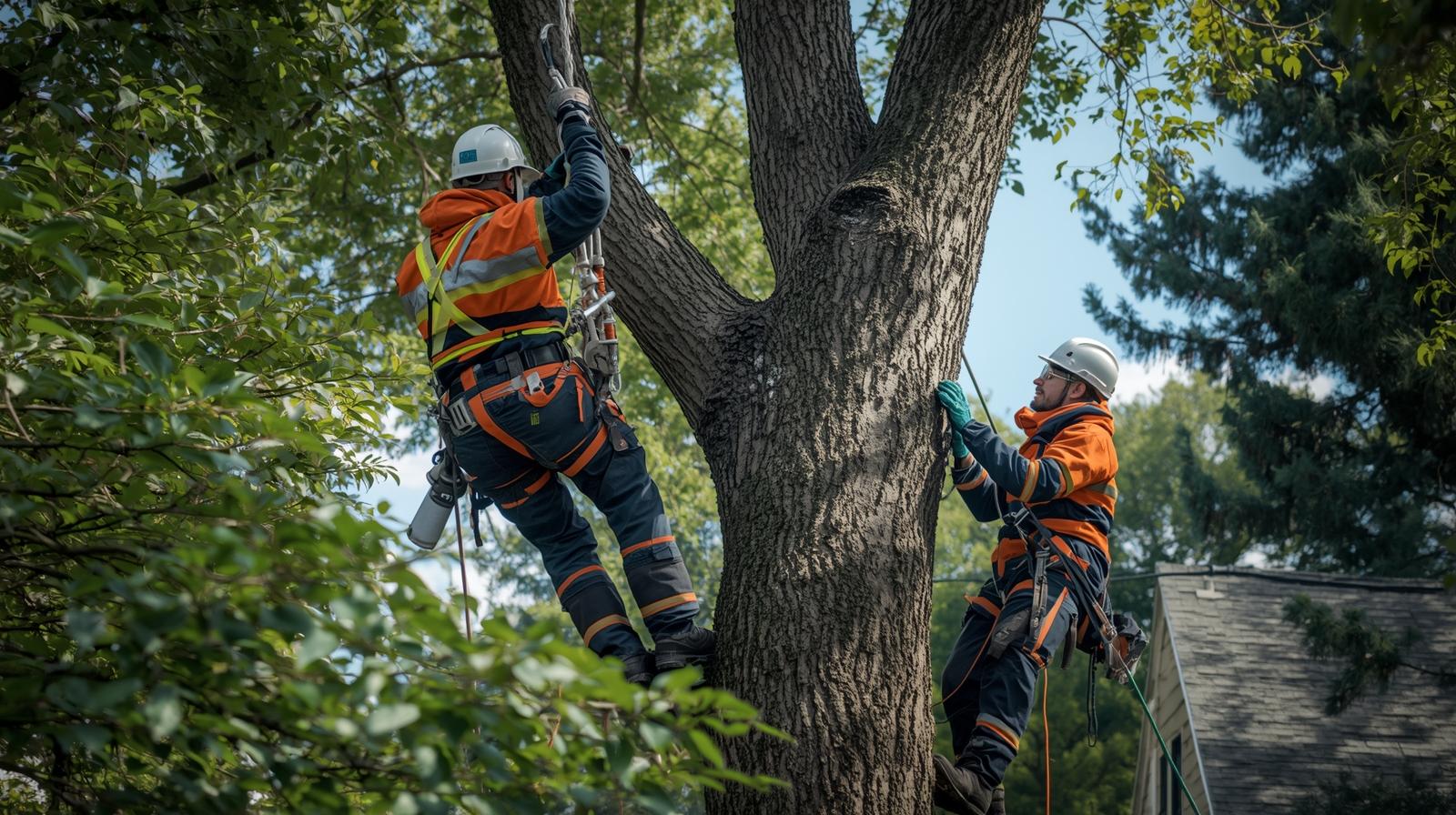
    8. Safe climbing practices
    9. Plant health care
    10. Tree preservation
    11. Hazard evaluation

    Certification also requires continuing education, ensuring arborists remain current with evolving industry standards, modern research, and best practices.

    That ongoing education is one reason homeowners searching for a certified arborist Loudonville NY often receive better recommendations than those who hire companies focused only on cutting trees.

    Why Choosing an ISA Certified Tree Service Protects Your Property

    ISA Certified Tree Service Delivers More Than Tree Removal

    Hiring an ISA certified tree service isn’t simply paying for someone to operate a chainsaw.

    You’re hiring a professional trained to evaluate the entire ecosystem surrounding your trees.

    Before recommending any work, an experienced arborist evaluates factors including:

    1. Tree species
    2. Age and expected lifespan
    3. Structural integrity
    4. Root flare condition
    5. Soil compaction
    6. Drainage issues
    7. Previous pruning wounds
    8. Storm damage
    9. Pest activity
    10. Fungal infections
    11. Clearance around structures
    12. Utility conflicts

    Each of these factors influences whether pruning, treatment, cabling, monitoring, or removal is the most appropriate solution.

    A reputable ISA certified tree service follows recognized arboriculture standards instead of relying on assumptions or unnecessarily removing healthy trees.

    Why Cheap Tree Cutters Often Cost More

    Many homeowners compare estimates and naturally choose the lowest price.

    Unfortunately, tree care isn’t a commodity.

    A poorly trained contractor may:

    1. Top a healthy tree instead of pruning it correctly.
    2. Remove healthy limbs unnecessarily.
    3. Damage the root system with heavy equipment.
    4. Leave hazardous branches behind.
    5. Cause permanent structural defects.
    6. Increase future storm failure risks.
    7. Damage nearby roofs, driveways, fences, or landscaping.

    What initially looks like savings can quickly become thousands of dollars in repairs.

    By contrast, a certified arborist Loudonville NY evaluates both immediate safety and the long-term health of your trees before making recommendations.

    The objective isn’t to remove the most trees.

    The objective is to protect your property while preserving valuable landscape assets whenever possible.

    Why Loudonville Tree Care Specialists Understand Local Conditions Better

    Every community has unique growing conditions.

    That’s why working with Loudonville tree care specialists offers advantages that national franchises or inexperienced contractors may not provide.

    Loudonville properties commonly feature mature:

    1. Sugar Maples
    2. Red Maples
    3. White Oaks
    4. Norway Maples
    5. Eastern White Pines
    6. Ash trees
    7. Ornamental flowering trees

    These mature landscapes contribute significantly to neighborhood character and property value.

    However, they also face regional challenges including:

    1. Heavy winter snow loads
    2. Ice storms
    3. Summer thunderstorms
    4. Strong wind events
    5. Soil compaction
    6. Construction-related root damage
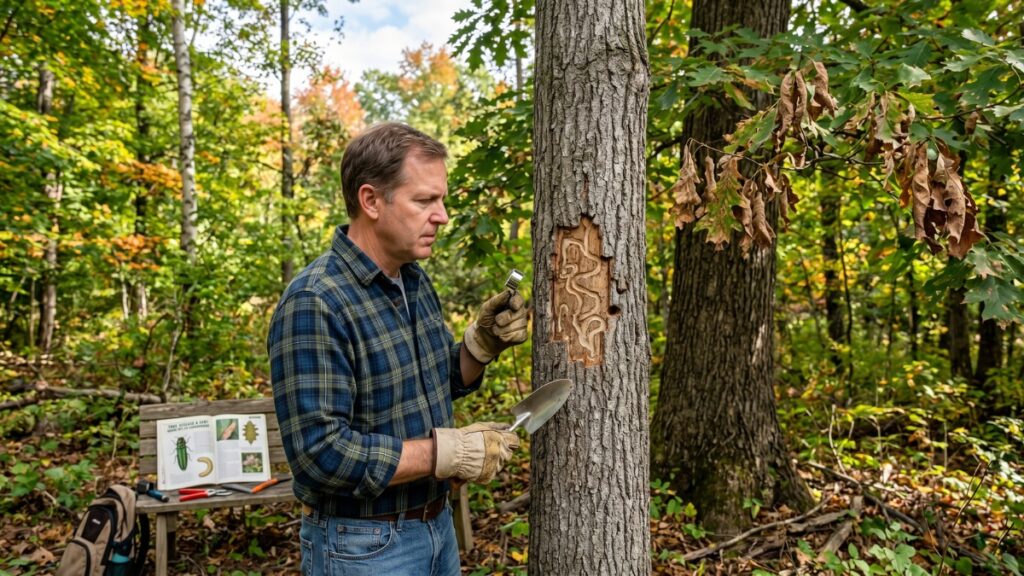
    7. Emerald Ash Borer infestations
    8. Fungal diseases affecting mature hardwoods

    Experienced Loudonville tree care specialists understand how these local conditions affect different species and can recommend maintenance plans that reduce long-term risks instead of simply responding after damage occurs.

    Professional Tree Evaluation: The Foundation of Smart Tree Care

    Before pruning, treatment, or removal is ever discussed, every responsible project begins with a professional tree evaluation.

    A proper evaluation goes far beyond looking at the canopy from the driveway.

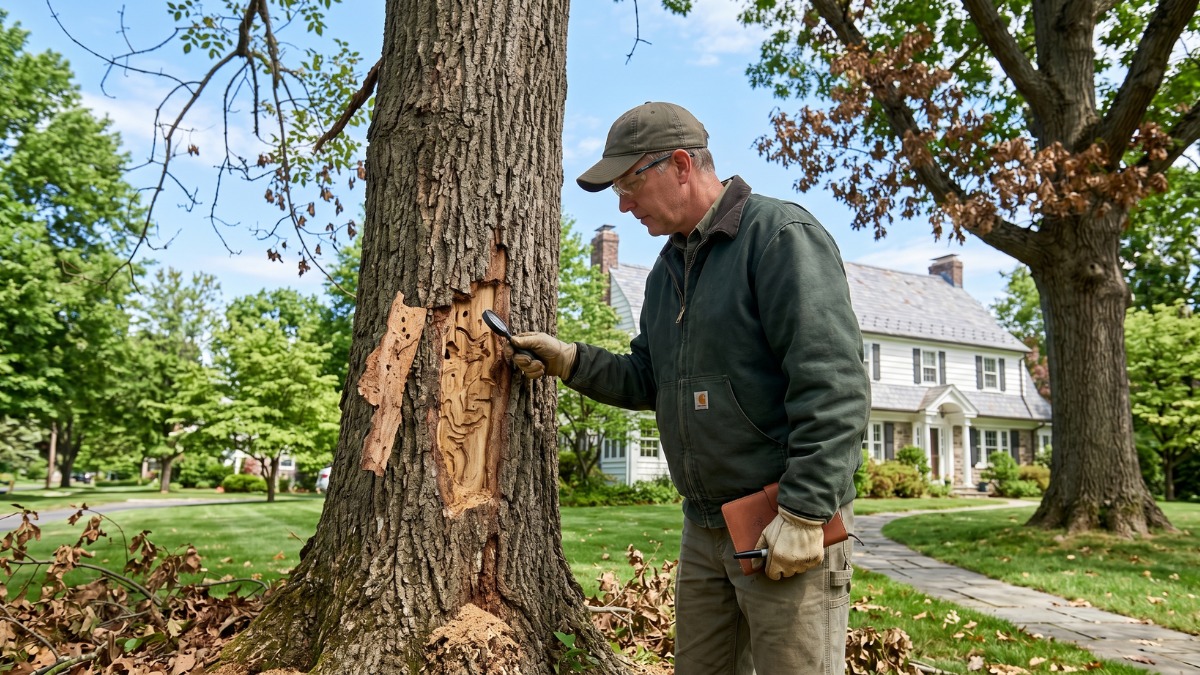
    An experienced arborist carefully examines:

    1. Root stability
    2. Trunk condition
    3. Branch attachments
    4. Deadwood
    5. Tree lean
    6. Soil health
    7. Root flare exposure
    8. Signs of decay
    9. Pest damage
    10. Disease symptoms
    11. Structural weaknesses
    12. Risk to nearby buildings

    This comprehensive professional tree evaluation helps homeowners understand the true condition of their trees before investing in expensive work.

    In many cases, trees that appear dangerous can be safely preserved.

    Likewise, trees that appear perfectly healthy may contain hidden structural defects that only a trained arborist can identify.

    That is why professional evaluation should always come before removal decisions.

    Protecting the Health of Mature Trees Starts with the Right Diagnosis

    One of the biggest mistakes homeowners make is assuming an older tree is automatically dangerous. Age alone doesn’t determine whether a tree should be removed. Many mature trees in Loudonville have been growing for 50 to 100 years or more and continue to thrive with proper maintenance.

    Protecting the health of mature trees requires understanding how trees respond to environmental stress, storms, pests, and aging. An ISA Certified Arborist evaluates the entire tree not just what is visible from the ground.

    During an inspection, an arborist looks for:

    1. Dead or dying limbs
    2. Cracks in major scaffold branches
    3. Weak branch unions with included bark
    4. Hollow trunks or internal decay
    5. Root flare issues
    6. Fungal fruiting bodies
    7. Soil compaction
    8. Insect infestations
    9. Canopy dieback
    10. Poor annual growth

    These findings help determine whether a tree requires monitoring, pruning, treatment, structural support, or removal.

    Unlike inexpensive tree cutters who often recommend removal first, an experienced certified arborist Loudonville NY focuses on preserving the health of mature trees whenever it is safe and practical.

    What Happens During a Professional Tree Evaluation?

    Many homeowners wonder what actually happens when they schedule a professional tree evaluation.

    Rather than giving a quick estimate from the driveway, an ISA Certified Arborist performs a systematic inspection of the tree and surrounding property.

    A comprehensive professional tree evaluation may include:

    Tree Species Identification

    Different species age differently. A mature White Oak has different structural characteristics than a Norway Maple or Eastern White Pine.

    Structural Assessment

    The arborist evaluates trunk integrity, branch attachments, canopy balance, and overall stability.

    Root Zone Inspection

    Healthy roots are the foundation of every healthy tree. Damage caused by excavation, driveway expansion, or soil compaction can significantly reduce stability.

    Disease & Pest Assessment

    Professionals inspect for common issues affecting Albany County trees, including fungal decay, cankers, Emerald Ash Borer damage, and other insect activity.

    Risk Assessment

    Every tree is evaluated based on:

    1. Probability of failure
    2. Size of defective parts
    3. Potential targets
    4. Overall consequences if failure occurs

    This process allows homeowners to make informed decisions instead of reacting after severe weather causes unexpected damage.

    Why Loudonville Tree Care Specialists Recommend Preservation First

    Ethical arboriculture isn’t about removing as many trees as possible.

    It’s about making the safest recommendation based on science.

    That’s why experienced Loudonville tree care specialists typically follow this order:

    1. Preserve the tree whenever possible.
    2. Improve tree health through proper pruning.
    3. Reduce structural risk with corrective measures.
    4. Continue monitoring.
    5. Recommend removal only if preservation is no longer safe.

    This philosophy protects homeowners while preserving the mature canopy that makes Loudonville neighborhoods so attractive.

    Many trees that appear unhealthy simply need:

    1. Crown cleaning
    2. Structural pruning
    3. Deadwood removal
    4. Soil improvement
    5. Pest management
    6. Cabling and bracing
    7. Root zone protection

    When these solutions are appropriate, they often extend the life of valuable landscape trees for many years.

    When Is Premium Tree Removal in Loudonville the Best Option?

    Although preservation is always preferred, some trees eventually become too hazardous to safely retain.

    In these situations, premium tree removal Loudonville protects both your property and your family.

    Removal may be recommended when an arborist identifies:

    1. Extensive trunk decay
    2. Root plate failure
    3. Severe storm damage
    4. Multiple structural cracks
    5. Advanced fungal decay
    6. Dead trees near structures
    7. Trees threatening utility lines
    8. Irreversible insect damage
    9. High likelihood of catastrophic failure

    An experienced certified arborist Loudonville NY doesn’t recommend removal simply because a tree is large or old.

    Instead, the decision is based on professional evidence gathered during the inspection.

    What Is an Expert Arborist Report?

    Sometimes homeowners need more than verbal recommendations.

    Insurance companies, attorneys, municipalities, contractors, and homebuyers often require documentation prepared by a qualified professional.

    That’s where an expert arborist report becomes valuable.

    A professional report may include:

    1. Tree species
    2. Tree location
    3. Current health condition
    4. Structural observations
    5. Defect photographs
    6. Risk assessment findings
    7. Preservation recommendations
    8. Pruning recommendations
    9. Removal recommendations
    10. Future monitoring schedule

    An expert arborist report provides objective documentation that helps homeowners make confident decisions while supporting insurance claims, property transactions, or construction projects.

    Common Signs You Should Call a Certified Arborist Immediately

    Don’t wait until severe weather arrives.

    Schedule an inspection if you notice:

    1. Large dead branches
    2. Cracks in the trunk
    3. Mushrooms growing around the base
    4. Sudden leaning
    5. Exposed roots
    6. Hollow cavities
    7. Bark falling away
    8. Branches hanging over your roof
    9. Trees touching utility lines
    10. Storm-damaged limbs

    Early intervention almost always costs less than emergency tree removal after a failure occurs.

    If you’re unsure whether a tree poses a risk, scheduling a professional tree evaluation is the safest first step.

    Why Homeowners Continue Choosing Certified Arborists

    When comparing estimates, remember that tree care isn’t simply about removing branches.

    It’s about protecting your home, preserving your landscape, and making informed decisions based on professional knowledge.

    Choosing a certified arborist Loudonville NY means choosing experience, education, accountability, and a long-term approach to tree health instead of quick fixes that may create larger problems later.

    For homeowners who value safety, property value, and the health of mature trees, working with experienced Loudonville tree care specialists is an investment that continues paying dividends for years to come.

    How to Choose the Right ISA Certified Arborist in Loudonville, NY

    Not every tree company offers the same level of expertise, even if they advertise similar services. Before hiring anyone to work on valuable trees, take time to evaluate their qualifications not just their price.

    Choosing the right certified arborist Loudonville NY can help you avoid unnecessary tree removal, protect your landscape investment, and reduce future maintenance costs.

    Before signing a contract, ask these important questions:

    ✔ Are you ISA Certified?

    ISA Certification demonstrates professional knowledge in arboriculture and ongoing education.

    ✔ Are you Fully Licensed and Insured?

    Always verify liability insurance and workers’ compensation coverage. This protects you if property damage or workplace injuries occur.

    ✔ Will You Perform a Professional Tree Evaluation First?

    Avoid companies that recommend removal without inspecting the entire tree.

    ✔ Can You Explain Why the Tree Needs Removal?

    Professional arborists should clearly explain the structural or biological reasons behind every recommendation.

    ✔ Can This Tree Be Preserved Instead?

    Ethical arborists always explore preservation before recommending removal.

    ✔ Do You Follow ANSI A300 Tree Pruning Standards?

    Proper pruning promotes healthy growth while reducing future hazards. Poor pruning techniques can permanently damage valuable trees.

    These questions quickly separate experienced professionals from contractors focused only on completing the job as cheaply as possible.

    Why Professional Tree Care Is an Investment Not an Expense

    Many homeowners hesitate when comparing estimates.

    However, the true cost of tree care isn’t measured by today’s invoice it’s measured by the long term protection of your property.

    Hiring a certified arborist Loudonville NY can help prevent:

    1. Emergency tree failures
    2. Roof damage
    3. Fence repairs
    4. Driveway damage
    5. Utility line interference
    6. Vehicle damage
    7. Insurance claims
    8. Premature tree loss
    9. Expensive landscape restoration

    A healthy mature tree can contribute thousands of dollars to a property’s value. Protecting those trees through proactive maintenance is often far more affordable than replacing them after years of neglect.

    Why Homeowners Trust Loudonville Tree Care Specialists

    Experienced Loudonville tree care specialists understand that every property is unique.

    A tree growing near Loudon Road faces different challenges than one located on a quiet residential lot in the Siena College area. Soil conditions, drainage, nearby construction, and surrounding structures all influence how a tree grows and how it should be maintained.

    Rather than offering one-size-fits-all recommendations, experienced professionals develop customized care plans that prioritize safety while preserving the natural beauty of your landscape.

    That local knowledge becomes especially valuable after heavy snowfall, ice storms, or severe summer winds—weather events that regularly affect mature trees throughout Albany County.

    Featured Snippet: Should You Hire an ISA Certified Arborist?

    Yes. Hiring an ISA Certified Arborist helps ensure your trees are evaluated using professional arboriculture standards rather than guesswork. Certified professionals can identify hidden structural defects, diagnose diseases, recommend proper pruning, and determine whether a tree can be safely preserved before suggesting removal.

    Frequently Asked Questions

    Why should I hire an ISA certified arborist instead of a cheap tree cutter?

    An ISA Certified Arborist has extensive education in tree biology, structural stability, disease diagnosis, pruning techniques, and risk assessment. A cheap tree cutter may only focus on removing branches or cutting down trees, while an ISA-certified professional evaluates the entire tree to determine the safest and most cost-effective solution. Hiring a certified arborist Loudonville NY helps protect your property, preserve healthy trees, and reduce the likelihood of expensive mistakes.

    How often should mature trees be inspected?

    Most healthy mature trees should receive a professional tree evaluation every two to three years. Trees growing close to homes, roads, or utility lines—or those that have experienced storm damage should be inspected annually.

    What is included in an expert arborist report?

    An expert arborist report typically documents tree health, structural condition, identified defects, potential risks, and professional recommendations for pruning, treatment, monitoring, or removal. These reports are often useful for insurance claims, construction projects, property disputes, and real estate transactions.

    Can diseased trees always be saved?

    Not always. Some diseases can be successfully managed if detected early, while others may compromise the tree beyond safe recovery. An ISA Certified Arborist evaluates each situation individually before recommending treatment or premium tree removal Loudonville.

    Is premium tree removal worth the investment?

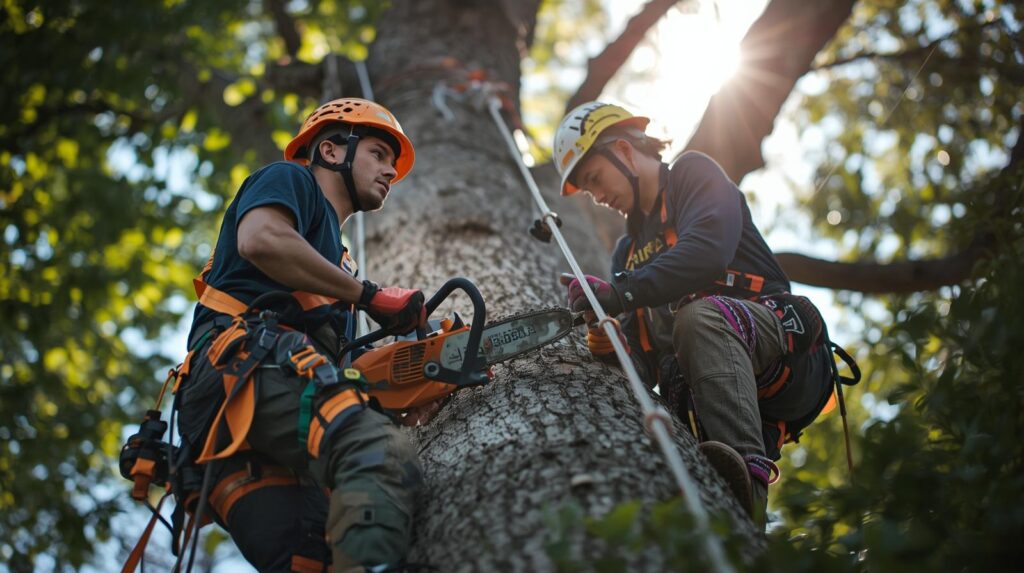
    Yes, especially for large, hazardous, or difficult-to-access trees. Premium tree removal Loudonville uses specialized equipment, advanced rigging techniques, and trained crews to safely remove trees while protecting nearby homes, landscaping, driveways, and utility lines.

    Key Takeaways

    1. Hiring a certified arborist Loudonville NY ensures your trees are evaluated by a trained professional with recognized industry credentials.
    2. An ISA certified tree service focuses on preservation, safety, and long-term tree health not unnecessary removals.
    3. A professional tree evaluation helps identify hidden problems before they become costly emergencies.
    4. Preserving the health of mature trees protects property value, enhances curb appeal, and reduces long-term maintenance costs.
    5. An expert arborist report provides documented recommendations that support informed decisions for homeowners, insurers, and property managers.
    6. When removal is unavoidable, premium tree removal Loudonville ensures the work is completed safely and efficiently.

    Final Thoughts

    Your trees are a long-term investment in the beauty, safety, and value of your property. Whether you own a historic home with towering oaks or a newer landscape with ornamental trees, the decisions you make today will affect your property for decades.

    Working with a certified arborist Loudonville NY means partnering with a professional who understands tree biology, follows industry best practices, and prioritizes preservation whenever possible. Instead of relying on guesswork, you’ll receive recommendations based on careful inspection, scientific knowledge, and local experience.

    If you’ve noticed dead branches, storm damage, unusual leaning, fungal growth, or simply want peace of mind about the condition of your trees, don’t wait until a minor concern becomes a costly emergency.

    Schedule a professional tree evaluation with experienced Loudonville tree care specialists. Whether you need an expert arborist report, guidance on preserving the health of mature trees, or safe premium tree removal Loudonville, investing in qualified arboricultural expertise today can help protect your home, your family, and your landscape for years to come.
  • Dutch Elm Disease Symptoms & Treatment in Schenectady, NY 2026 Guide

    Dutch Elm Disease Symptoms & Treatment in Schenectady, NY 2026 Guide

    Elm trees have long been part of Schenectady’s residential neighborhoods, parks, and commercial landscapes. Their broad canopies provide shade, enhance curb appeal, reduce summer heat, and contribute to the city’s urban forest. Unfortunately, these iconic trees remain vulnerable to one of the most destructive fungal diseases in North America – Dutch Elm Disease (DED).

    If you’ve noticed yellowing leaves, wilting branches, or sections of an elm tree dying during the growing season, don’t ignore the warning signs. Dutch Elm Disease progresses internally before severe damage becomes visible, making early diagnosis critical.

    Choosing an experienced tree service schenectady ny company gives property owners the best opportunity to identify problems early, protect healthy trees, and determine whether treatment or removal is the safest long-term solution.

    In this complete 2026 guide, you’ll learn:

    1. Early and advanced Dutch Elm Disease Symptoms
    2. How professionals perform a Dying Tree Diagnosis
    3. The importance of a complete Tree Health Assessment
    4. Available Dutch Elm Disease Treatment options
    5. When Saving Elm Trees is possible
    6. When Infected Tree Removal becomes necessary
    7. Factors affecting Schenectady Tree Removal Cost
    8. Why hiring a Certified Arborist Schenectady NY protects both your trees and your property

    Whether you own a historic home with mature elm trees or manage commercial landscaping, understanding this disease can help you make informed decisions before small problems become expensive emergencies.

    Why Tree Service in Schenectady NY Matters for Elm Tree Health

    Many homeowners believe tree care simply involves trimming branches when they become overgrown. In reality, professional tree service schenectady ny includes preventive inspections, disease monitoring, structural evaluations, and long-term health management that help preserve valuable landscape trees.

    Elm trees are especially vulnerable because Dutch Elm Disease often spreads before obvious symptoms appear. By the time major branches begin dying, the infection may already have moved throughout much of the tree’s vascular system.

    Professional tree care focuses on early detection rather than waiting for obvious decline.

    Comprehensive services typically include:

    1. Seasonal tree inspections
    2. Preventive Tree Health Assessment
    3. Diseased Tree Inspection
    4. Dying Tree Diagnosis
    5. Risk assessments
    6. Structural pruning
    7. Disease management planning
    8. Emergency Tree Removal when required

    Routine inspections often identify developing problems before they threaten nearby structures, neighboring trees, or public safety.

    What Is Dutch Elm Disease?

    Dutch Elm Disease is an aggressive fungal infection that attacks the xylem the network of vessels responsible for transporting water and nutrients from a tree’s roots to its canopy.

    Once infected, the tree attempts to block the fungus by sealing portions of its own vascular system. Unfortunately, this natural defense also restricts water movement, causing leaves to wilt, branches to die, and eventually the entire tree to decline.

    Without professional intervention, the disease may spread rapidly through the tree.

    The fungus commonly spreads by:

    1. Native and European elm bark beetles carrying fungal spores
    2. Root grafts connecting nearby elm trees
    3. Movement of infected firewood or logs
    4. Delayed removal of infected trees

    Because Schenectady contains mature elm populations in established neighborhoods, early detection plays a critical role in slowing disease spread and protecting surrounding trees.

    Dutch Elm Disease Symptoms: Early Warning Signs

    Recognizing Dutch Elm Disease Symptoms during the earliest stages provides the greatest opportunity for successful management.

    Unlike storm damage or seasonal stress, Dutch Elm Disease often begins in a single upper branch before gradually spreading throughout the canopy.

    Property owners should watch for:

    Yellow or Light Green Leaves

    Leaves may lose their normal deep green color during late spring or summer while nearby branches remain healthy.

    Wilting Foliage

    Leaves begin curling inward and losing moisture despite adequate rainfall.

    Premature Leaf Drop

    Healthy elm trees typically retain foliage throughout the growing season. Early leaf drop during summer is often an important warning sign.

    Branch Dieback

    Small twigs and outer branches begin dying before larger limbs show visible symptoms.

    Uneven Canopy Decline

    One side of the tree may appear healthy while another experiences rapid deterioration.

    Brown Leaf Margins

    Leaves frequently develop brown edges before becoming brittle and falling.

    Although these symptoms may resemble drought stress, nutrient deficiencies, or root damage, only a professional Diseased Tree Inspection can determine the true cause.

    Advanced Dutch Elm Disease Symptoms

    As the fungal infection spreads throughout the vascular system, the tree’s condition declines rapidly.

    Common advanced symptoms include:

    1. Large sections of dead canopy
    2. Extensive branch dieback
    3. Thin foliage throughout the crown
    4. Brown streaking beneath freshly peeled bark
    5. Reduced annual leaf production
    6. Cracked bark on declining limbs
    7. Increased deadwood throughout the canopy
    8. Structural weakness caused by progressive dieback

    At this stage, delaying professional evaluation increases the likelihood that preservation may no longer be practical.

    An experienced Certified Arborist Schenectady NY can determine whether the tree qualifies for treatment or whether Infected Tree Removal offers the safest solution for surrounding property.

    Why Accurate Dying Tree Diagnosis Is Essential

    Many tree problems produce similar symptoms.

    Yellow leaves don’t always indicate Dutch Elm Disease.

    Wilting branches aren’t always caused by fungal infections.

    Dead limbs may result from drought stress, root injury, insect damage, soil compaction, construction impacts, or natural aging.

    This is why a professional Dying Tree Diagnosis is one of the most valuable services provided by an experienced tree service schenectady ny company.

    Rather than guessing, arborists evaluate:

    1. Crown density
    2. Leaf distribution
    3. Dieback progression
    4. Root flare condition
    5. Soil health
    6. Moisture availability
    7. Evidence of bark beetles
    8. Structural integrity
    9. Overall tree vitality

    This systematic evaluation reduces unnecessary removals while helping homeowners choose the most appropriate management strategy.

    Tree Health Assessment: Protecting Valuable Elm Trees

    A professional Tree Health Assessment does more than confirm whether a tree is diseased.

    It establishes a complete health profile that guides future maintenance decisions.

    During an assessment, arborists determine:

    How far the disease has progressed

    Whether the vascular system remains functional

    If nearby elm trees are at risk

    Whether structural pruning can improve health

    If treatment remains practical

    Whether monitoring is appropriate

    If removal is necessary to prevent additional spread

    For many Schenectady property owners, early inspections provide the best opportunity for Saving Elm Trees before irreversible damage occurs.

    Dutch Elm Disease Treatment: Can an Infected Elm Tree Be Saved?

    One of the first questions homeowners ask after receiving a diagnosis is whether an infected elm tree can be saved. The answer depends on how early the disease is detected, the overall health of the tree, and how far the fungal infection has progressed.

    A professional tree service schenectady ny company will never recommend treatment or removal based on appearance alone. Instead, a detailed inspection is performed to determine the extent of the infection and whether preservation remains a practical option.

    When Dutch Elm Disease is identified during its early stages, treatment may help slow disease progression and extend the life of valuable elm trees. However, if the fungus has spread throughout most of the canopy or compromised the tree’s structural stability, removal may be the safest recommendation.

    Early diagnosis gives property owners the greatest number of management options.

    Dutch Elm Disease Treatment Options

    Successful Dutch Elm Disease Treatment begins with an accurate diagnosis. Every infected tree presents unique challenges, which is why treatment plans should be tailored to the tree’s condition rather than following a one-size-fits-all approach.

    Depending on the assessment, an arborist may recommend one or more of the following strategies.

    1. Targeted Sanitary Pruning

    If the infection is limited to a small portion of the canopy, carefully removing affected branches may reduce the spread of the disease within the tree.

    Professional pruning focuses on:

    1. Removing infected limbs well below visible symptoms
    2. Disinfecting tools between cuts
    3. Improving canopy structure
    4. Reducing stress on healthy branches

    Proper pruning should always be performed by trained professionals because incorrect cuts may accelerate decline or create additional entry points for disease.

    2. Fungicide Treatments

    For high-value elm trees diagnosed early, fungicide injections may be considered as part of a disease management plan.

    These treatments are generally most effective when:

    1. The infection is detected early.
    2. The tree remains structurally healthy.
    3. The vascular system is still functioning effectively.
    4. Treatments are performed before widespread canopy decline.

    While fungicides are not a guaranteed cure, they may help protect healthy tissue and slow disease progression in appropriate situations.

    3. Improving Overall Tree Health

    Healthy trees are generally better equipped to withstand environmental stress.

    As part of a comprehensive treatment strategy, arborists may recommend:

    1. Proper watering during dry periods
    2. Mulching around the root zone
    3. Reducing soil compaction
    4. Corrective pruning
    5. Monitoring insect activity
    6. Improving root health

    These supportive measures do not eliminate Dutch Elm Disease but may improve the tree’s overall condition and resilience.

    Saving Elm Trees: When Preservation Is Still Possible

    One of the primary goals of professional tree service schenectady ny providers is Saving Elm Trees whenever doing so is safe and practical.

    Preservation is often possible when:

    1. Symptoms affect only a limited portion of the canopy.
    2. Structural integrity remains strong.
    3. Root systems are healthy.
    4. The infection has been detected early.
    5. Regular monitoring can continue.

    Conversely, preservation becomes less likely when:

    1. More than half of the canopy has died.
    2. The trunk shows extensive internal damage.
    3. Large structural limbs are failing.
    4. Significant decay is present.
    5. The disease has progressed throughout the vascular system.

    Each tree should be evaluated individually. A mature elm that provides substantial environmental and landscape value may justify treatment, while another tree in advanced decline may be better managed through removal.

    When Infected Tree Removal Becomes the Safest Option

    Although preserving healthy trees is always preferable, there are situations where Infected Tree Removal becomes the most responsible course of action.

    Removal may be recommended when:

    1. The disease has spread throughout the tree.
    2. Large dead limbs pose a safety risk.
    3. Structural failure is likely.
    4. The tree threatens nearby homes, roads, sidewalks, or utility lines.
    5. There is a significant risk of spreading Dutch Elm Disease to neighboring elm trees.

    Removing severely infected trees promptly also reduces breeding sites for elm bark beetles, helping limit further disease transmission within the surrounding area.

    Professional removal requires careful planning, particularly when large trees are located near buildings, fences, driveways, or power lines. Experienced crews use specialized equipment and controlled dismantling techniques to minimize risk and protect surrounding property.

    Emergency Tree Removal: Knowing When Immediate Action Is Needed

    In some cases, waiting several weeks for tree removal is not advisable.

    Emergency Tree Removal may be necessary when:

    1. Large branches have cracked or partially failed.
    2. The trunk has become unstable.
    3. Severe storms have weakened an infected tree.
    4. Leaning has increased significantly.
    5. Dead limbs threaten people or property.
    6. Structural defects create an immediate safety concern.

    Emergency situations should always be evaluated by qualified professionals who can determine the safest removal method while reducing the risk of additional property damage.

    Understanding Schenectady Tree Removal Cost

    Many homeowners ask about Schenectady Tree Removal Cost, but there is no single price for removing an elm tree.

    The total cost depends on several factors, including:

    Tree Size

    Larger trees generally require more labor, specialized equipment, and longer removal times.

    Tree Location

    Trees growing close to homes, garages, fences, or utility lines often require sectional dismantling rather than straightforward felling.

    Disease Severity

    Trees weakened by Dutch Elm Disease may require additional safety precautions during removal.

    Accessibility

    Limited access for equipment can increase labor requirements and project complexity.

    Cleanup Requirements

    Some property owners request complete debris removal, wood chipping, stump grinding, or log hauling as part of the project.

    Because every property is different, the most accurate way to estimate removal costs is through an on-site evaluation by a qualified arborist.

    Why Work With a Certified Arborist in Schenectady NY?

    Dutch Elm Disease is often confused with drought stress, insect damage, root injury, or other tree health issues.

    A Certified Arborist Schenectady NY brings specialized knowledge to the diagnosis process by evaluating the entire tree rather than relying on visible symptoms alone.

    Professional arborists can:

    1. Identify the actual cause of decline.
    2. Recommend appropriate treatment options.
    3. Determine whether preservation is realistic.
    4. Assess structural stability.
    5. Develop long-term tree health management plans.
    6. Recommend safe removal when necessary.

    Working with a qualified professional helps property owners make informed decisions while protecting both their landscape investment and public safety.

    Frequently Asked Questions (FAQs)

    What are the signs of Dutch Elm Disease in Schenectady trees?

    The earliest signs of Dutch Elm Disease include yellowing or curling leaves, wilting branches, premature leaf drop during the growing season, and dieback that often begins in a single section of the canopy. As the disease progresses, larger limbs may die, the crown becomes noticeably thinner, and brown streaking may appear beneath the bark. If you notice these symptoms, scheduling a professional Diseased Tree Inspection with a trusted tree service schenectady ny provider is the best way to confirm the diagnosis and determine the most appropriate next steps.

    Can Dutch Elm Disease be cured?

    Dutch Elm Disease cannot always be cured, but early detection significantly improves management options. Depending on the severity of the infection, a Certified Arborist Schenectady NY may recommend fungicide treatments, selective pruning, ongoing monitoring, or other preservation strategies. Trees diagnosed during the earliest stages often have a better chance of successful management than those with widespread canopy decline.

    Can an infected elm tree be saved?

    Yes, in some situations. Saving Elm Trees is often possible when the infection is identified before it spreads throughout the vascular system. Trees with limited symptoms, healthy structural integrity, and prompt professional care may respond well to a customized treatment plan. Once extensive dieback or severe structural deterioration develops, removal may become the safer long-term solution.

    How does Dutch Elm Disease spread?

    The disease most commonly spreads through elm bark beetles carrying fungal spores from infected trees to healthy ones. It can also spread through interconnected root systems where nearby elm trees naturally share underground roots. Prompt diagnosis and responsible management help reduce the risk of additional infections throughout the surrounding landscape.

    How is Dutch Elm Disease diagnosed?

    A professional Dying Tree Diagnosis combines visual inspection with a comprehensive Tree Health Assessment. Arborists evaluate canopy condition, branch dieback, bark characteristics, root health, insect activity, site conditions, and overall tree vitality. Because several tree problems can produce similar symptoms, accurate diagnosis is essential before choosing a treatment or removal strategy.

    When is Emergency Tree Removal necessary?

    Emergency Tree Removal may be necessary when an infected tree has become structurally unstable or poses an immediate hazard to people or property. Warning signs include large cracked limbs, severe leaning, split trunks, storm damage, or extensive decay. Prompt evaluation by an experienced tree service schenectady ny company helps reduce safety risks while preventing further damage.

    What affects Schenectady Tree Removal Cost?

    Several factors influence Schenectady Tree Removal Cost, including:

    1. Tree height and trunk diameter
    2. Overall health and structural condition
    3. Accessibility for equipment
    4. Proximity to homes, driveways, fences, or utility lines
    5. Cleanup requirements
    6. Whether stump removal is included

    Because every property is unique, an on-site inspection provides the most accurate estimate.

    Tips to Help Protect Elm Trees from Dutch Elm Disease

    While no prevention strategy can eliminate all risk, proactive tree care can help improve long-term health and reduce the likelihood of severe disease.

    Property owners should consider the following best practices:

    1. Schedule routine tree inspections.
    2. Monitor elm trees throughout the growing season for unusual changes.
    3. Remove dead or diseased branches using proper pruning techniques.
    4. Water mature trees during extended dry periods.
    5. Apply mulch around the root zone to help retain soil moisture.
    6. Avoid damaging roots during landscaping or construction projects.
    7. Never store infected elm wood near healthy trees.
    8. Arrange periodic Tree Health Assessments with a qualified arborist.

    Preventive care is often more cost-effective than addressing advanced disease after significant decline has occurred.

    Why Professional Tree Care Makes a Difference

    Dutch Elm Disease is one of the most challenging tree health issues facing property owners because many of its early symptoms resemble common environmental stress. Professional evaluation helps distinguish between fungal infection, drought, insect damage, nutrient deficiencies, and other conditions that may require different management approaches.

    Working with an experienced tree service schenectady ny provider gives homeowners access to professional inspections, accurate diagnoses, treatment recommendations, and safe removal services when necessary. Rather than relying on guesswork, qualified arborists develop customized management plans based on the tree’s species, health, location, and level of risk.

    Whether your goal is preserving a mature elm or safely removing a hazardous tree, making informed decisions early can help protect your property, improve landscape health, and reduce long-term maintenance costs.

    Final Thoughts

    Don’t let Dutch Elm Disease put your property, landscape, or valuable elm trees at risk. If you’ve noticed yellowing leaves, wilting branches, canopy dieback, or other signs of decline, now is the time to act. Early diagnosis can make all the difference when it comes to protecting your trees and avoiding more extensive damage.

    At KD Tree Service Albany NY, our experienced team provides professional Tree Health Assessments, accurate Dying Tree Diagnosis, comprehensive Diseased Tree Inspections, effective Dutch Elm Disease Treatment, and safe Infected Tree Removal when necessary. Every tree is carefully evaluated to determine the best course of action, whether that’s preserving a healthy elm or removing a hazardous tree to protect your home and surrounding landscape.

    Don’t wait until a small tree health issue turns into a costly emergency. Contact KD Tree Service Albany NY today to schedule your professional tree inspection and receive honest, expert recommendations from our experienced tree care specialists. We’re committed to helping homeowners and property managers throughout Schenectady protect their trees, enhance their landscapes, and maintain safe, beautiful outdoor spaces with dependable, high-quality tree care services.

  • Bogart GA Tree Removal Permits 2026: Do You Need a Permit to Remove a Tree in Oconee County?

    If you’re planning to remove a tree in Bogart Georgia, one of the first questions you’ll probably ask is:

    “Do I need a permit to remove a tree on my property in Bogart?”

    Quick Answer:

    Not always.

    Tree removal requirements in Bogart can depend on:

    – Property location

    – Development activity

    – Zoning considerations

    – Environmental restrictions

    – Existing site approvals

    – Hazardous tree conditions

    – Commercial vs residential use

    Removing one storm damaged backyard tree may involve different considerations than clearing trees before construction or development projects.

    Because every property differs, verifying requirements before removal remains the safest approach.

    Why This Question Is More Complicated Than Many Homeowners Expect

    A common assumption:

    “The tree is on my property, so I can remove it whenever I want.”

    That assumption isn’t always accurate.

    Local planning departments often oversee issues involving:

    – Development review

    – Zoning compliance

    – Environmental protection

    – Land disturbance

    – Erosion control

    – Buffers

    – Construction permits

    Oconee County’s Planning & Code Enforcement department manages zoning, permitting, development review, and code related functions affecting land use and development.

    Licensed & Insured • 24/7 Emergency Response • Insurance Documentation Support

    Does Every Tree in Bogart Require a Permit?

    No.

    Not every tree removal automatically requires approval.

    However, additional review may become more relevant when removal involves:

    – Construction projects

    – Site development

    – Commercial property improvements

    – Land disturbance

    – Existing development approvals

    – Protected environmental areas

    Oconee County maintains permit resources and zoning compliance processes for certain development activities.

    Common Reasons Homeowners Remove Trees in Bogart

    Homeowners across Bogart, Watkinsville, Athens, and Oconee County frequently seek removal because of:

    – Dead trees

    – Hazardous trees

    – Storm damage

    – Diseased trees

    – Trees leaning toward structures

    – Large limbs threatening roofs

    – Root-related concerns

    After severe weather, mature pines and aging trees sometimes begin leaning toward homes, driveways, and utility lines situations where prompt evaluation becomes important.

    That local reality is one reason emergency tree services remain common in Northeast Georgia.

    Hazardous Trees: Warning Signs You Should Not Ignore

    Seek evaluation quickly if you notice:

    – Major trunk cracks

    – Significant leaning

    – Root lifting

    – Large dead limbs

    – Storm damage

    – Sudden instability

    – Trees threatening homes

    Hazard trees create risks involving:

    – Roof damage

    – Vehicle damage

    – Utility interruptions

    – Personal injury

    – Insurance claims

    Licensed & Insured • 24/7 Emergency Response • Insurance Documentation Support

    Emergency Tree Removal After Storms in Bogart

    Georgia storms frequently leave homeowners dealing with:

    – Fallen limbs

    – Split trunks

    – Leaning pines

    – Trees blocking driveways

    – Immediate safety concerns

    Homeowners often contact tree professionals after storms when trees shift unexpectedly toward roofs or access routes.

    Documentation may help:

    – Photos

    – Insurance records

    – Property damage evidence

    – Professional evaluations

    Oconee County Development & Permit Considerations

    Oconee County provides permitting resources, zoning compliance applications, and development-related processes through Planning & Code Enforcement.

    The county’s Unified Development Code also addresses:

    – Environmental protection

    – Landscaping & buffers

    – Erosion control

    – Procedures and permits

    These categories may become relevant depending on property conditions or development activity.

    If uncertainty exists, homeowners can verify requirements with county offices before proceeding. Oconee County Planning & Code Enforcement lists contact information and permitting support.

    Frequently Asked Questions About Tree Removal in Bogart

    Can I remove a dead tree without a permit?

    Requirements vary depending on property conditions, location, and circumstances.

    Dead trees threatening safety may involve different considerations than healthy trees.

    How long do approvals take?

    Timelines vary based on:

    – Project complexity

    – Jurisdiction

    – Development involvement

    – Documentation needs

    Does insurance cover tree removal?

    Coverage often depends on:

    – Cause of damage

    – Policy details

    – Whether structures were affected

    What if my neighbor’s tree falls onto my property?

    Responsibility depends on facts, local law, and circumstances.

    Can HOA requirements affect tree removal?

    Some neighborhoods maintain separate restrictions in addition to county requirements.

    What about utility easements?

    Trees near utility infrastructure may involve additional considerations.

    Before Removing a Tree in Bogart: Use This Checklist

    Before scheduling work:

    – Identify property jurisdiction

    – Determine whether development activity is involved

    – Review hazard signs

    – Document storm damage

    – Consider zoning or permit questions

    – Verify applicable requirements

    – Seek evaluation for hazardous trees

    Related Services Homeowners Often Need

    Tree concerns rarely stop at removal.

    Homeowners frequently also seek:

    – Emergency tree removal

    – Tree trimming & pruning

    – Storm cleanup

    – Stump grinding

    – Arborist consultation

    – Hazard assessments

    These services become common after severe weather or when aging trees threaten structures.

    Need Help Evaluating a Hazardous Tree?

    Homeowners in Bogart, Athens, Watkinsville, Oconee County, and nearby areas often seek help after storms, sudden leaning, or visible tree decline.

    KD Tree Service Bogart offers tree removal, emergency response, trimming, and related tree care services.

    For local contact information:

    Phone: (470) 465-4406

    Final Thoughts: Verify Before Cutting

    Whether dealing with:

    – Hazardous trees

    – Storm damage

    – Dead trees

    – Property maintenance

    – Development projects

    The safest approach remains:

    Verify before cutting.

    Requirements can depend on:

    – Property location

    – Zoning

    – Existing approvals

    – Development activity

    – Environmental considerations

    – Tree condition

    Checking first may help avoid delays and uncertainty.

    Educational disclaimer: Information provided here is general only and should not be interpreted as legal, zoning, or permitting advice. Verify current requirements with applicable local authorities before proceeding. Oconee County maintains Planning & Code Enforcement resources for permitting, zoning, and development questions.

    Licensed & Insured 24/7 Emergency Response Insurance Documentation Support

  • Ash Tree Removal in Guilderland NY: 2026 Cost Guide & EAB Assessment

    Guilderland isn’t just another suburb in the Capital Region it’s one of the densest ash tree zones in upstate New York. And right now, those trees are being aggressively destroyed by the Emerald Ash Borer (EAB).

    Over the past few seasons, we’ve seen a sharp shift:

    – Trees that looked “fine” last year are now structurally unsafe

    – Entire streets in Guilderland, Colonie, and Albany are seeing simultaneous ash decline

    – Emergency removals are rising many of which could have been prevented

    So the real question is no longer if your ash tree is at risk…

    👉 Better you act before it becomes dangerous or expensive.

    🌳 What’s Actually Happening to Ash Trees in Guilderland

    EAB infestation works silently and quickly.

    Once larvae get under the bark:

    They cut off water and nutrient flow
    The tree begins dying from the top down
    Structural integrity weakens long before full death

    From real field experience across the Capital Region:

    Most untreated ash trees decline beyond recovery within 2–4 years of visible symptoms

    And here’s the dangerous part:

    👉 Dead ash doesn’t behave like normal wood it becomes brittle and unpredictable.

    tree removal in Guilderland NY


    📊 Honest Survival Rates (Based on Field Reality)

    Let’s remove the guesswork.

    Without Treatment:

    ❌ Close to 100% mortality
    Typical lifespan after infestation: 3–5 years

    With Treatment (Early Stage Only):

    85–95% survival rate
    ❗ Only effective if:
    Canopy loss is under ~25–30%
    Treatments are done consistently every 1–2 years

    👉 Key Insight Most Companies Won’t Tell You:

    If your tree has already lost 30–40% of its canopy,
    you’re often investing money into a tree that will continue declining anyway.

    👉 In most of these cases, homeowners start exploring professional ash tree removal in Guilderland as the more practical and cost-effective long-term solution.

    💰 Treatment vs Removal: What It Actually Costs in Guilderland

    🧪 Treatment (Ongoing Investment)

    $250–$600 per visit

    Every 1–2 years

    10-year cost: $2,000–$5,000+

    Best for:

    Healthy trees with strong structure
    High-value shade or landscape trees

    🪓 Removal (One-Time Decision)

    – $900–$2,500 (typical range locally)

    Depends on:
    Size
    Proximity to structures
    Access (tight yards, wires, etc.)

    Best for:

    Declining or damaged trees
    Multiple ash trees on property
    Homeowners wanting zero long-term cost

    ⏳ What Waiting “One More Season” Really Costs

    This is where most homeowners lose money.

    1. 💸 Removal Costs Increase Fast

    Dead ash trees:

    Become unsafe to climb
    Require cranes or specialized equipment

    👉 We routinely see costs increase 30–80% within a year

    2. 🌪️ Real Storm Damage Risk

    We’ve personally handled cases where:

    Large limbs snapped with no warning
    Entire trees failed during moderate winds

    Damage includes:

    Roof penetration
    Crushed vehicles
    Fence and property destruction

    3. ❌ You Lose the Option to Save It

    Once decline crosses a threshold:

    Treatment stops being effective
    Removal becomes the only option

    👉 Waiting often removes your ability to choose

    👉 That’s why many homeowners in this situation move forward with early ash tree removal in Guilderland to avoid higher costs and unexpected damage later.

    🔍 What a Free On Site EAB Assessment Actually Includes

    A proper arborist inspection isn’t a quick glance it’s a structured evaluation.

    ✔ Canopy Health Analysis

    Percentage of dieback
    Leaf density and distribution

    ✔ Infestation Indicators

    D-shaped exit holes
    Bark splitting
    Increased woodpecker activity

    ✔ Structural Risk Assessment

    Dead limbs
    Cracks or lean
    Proximity to targets (home, driveway, power lines)

    ✔ Clear, Honest Recommendation

    You should leave with:

    Treat vs remove guidance
    Timeline (monitor vs urgent)
    Transparent pricing options

    👉 No pressure just informed decision-making.

    🧠 Real Arborist Recommendation (Based on Experience)

    After hundreds of ash tree evaluations across Guilderland and surrounding areas:

    ✔ Treatment Makes Sense If:

    Tree is still structurally strong
    Canopy loss is minimal
    You’re committed to long-term care

    ✔ Removal Is Smarter If:

    Canopy loss is 30% or more
    Bark is splitting or shedding
    Tree is near your home or driveway
    Multiple symptoms are present

    📍 Why Guilderland & Capital Region Homeowners Should Act Now

    This isn’t a slow-moving issue anymore.

    Because of:

    High ash density in Guilderland, Albany, and Colonie
    Rapid spread of EAB
    Increasing demand for removals

    👉 Delaying action now often means:

    Higher costs
    Fewer scheduling options
    Increased safety risk

    👉 This is why many homeowners are now actively searching for tree removal services near Guilderland NY before availability tightens and risks increase further.

    ❓ Frequently Asked Questions (Homeowner Concerns)

    ❓ Can a dead ash tree fall suddenly?

    Yes. Dead ash becomes brittle and can fail without warning, even in mild weather.

    ❓ How fast does EAB kill an ash tree?

    Typically within 3–5 years, but visible decline accelerates rapidly in later stages.

    ❓ Is it cheaper to remove a live or dead ash tree?

    👉 Live trees are significantly cheaper to remove.
    Dead trees require more labor, equipment, and safety precautions.

    ❓ Can I wait another year safely?

    In many cases, that’s when:

    Costs rise sharply
    Structural failure risk increases
    Treatment is no longer viable

    📞 Free Ash Tree Evaluation (No Pressure, Just Clarity)

    A quick, professional inspection can tell you:

    – Whether your tree is still saveable

    – What it will cost long-term

    – If removal now prevents a bigger problem later

    👉 Most homeowners feel immediate relief just having a clear plan call now for a free tree inspection in Guilderland.

    💬 Final Verdict: Remove It or Save It?

    Here’s the honest answer:

    👉 If your ash tree is already declining:
    Removing it early is usually safer and more cost effective.

    👉 If it’s still healthy:
    Treatment can absolutely work but only if you start now and stay consistent.

    ⚠️ Bottom Line

    Ash trees in Guilderland aren’t “at risk.”

    They’re actively failing across the region right now.

    And the difference between a controlled removal and an emergency situation…

    👉 Is usually just one season of waiting and that one season can turn a simple job into an emergency tree removal in Guilderland.

  • Tree Disease & Pest Guide for New York Homeowners: Emerald Ash Borer, Oak Wilt & More

    Tree Disease & Pest Guide for New York Homeowners: Emerald Ash Borer, Oak Wilt & More

    If your trees are showing signs of stress thinning leaves, dying branches, or unusual insect activity you’re not alone. Across New York, invasive pests and aggressive diseases are damaging thousands of residential trees every year.

    As a local tree care provider working across New York, we’ve seen firsthand how quickly these problems escalate. The key difference between saving and losing a tree often comes down to early detection and proper treatment.

    In this guide, you’ll learn how to identify the most common tree diseases in New York and what to do next.

    What Tree Diseases and Pests Are Killing Trees in New York Right Now?

    The most common threats homeowners are dealing with include:

    Emerald Ash Borer Infestation
    Oak Wilt
    Spotted Lanternfly Infestation
    Beech Leaf Disease
    Dutch Elm Disease

    These are actively tracked by the New York State Department of Environmental Conservation, and outbreaks vary by season and region.

    Emerald Ash Borer Treatment in New York

    The Emerald Ash Borer Infestation has already killed ash trees and continues to spread.

    Best Tree Removal Albany NY

    Signs your ash tree may be infected:

    Thinning canopy from the top down
    D-shaped exit holes
    Bark splitting
    Increased woodpecker activity

    Professional Treatment Options:

    If you’re searching emerald ash borer treatment near me, here’s what works:

    Trunk injection treatments (most effective)
    Preventative insecticide applications
    Tree removal (if infestation is advanced)

    👉 Local Insight: In many New York neighborhoods, we’ve successfully saved ash trees when treatment started early before major canopy loss.

    Oak Wilt Treatment & Prevention

    Oak Wilt is one of the fastest-killing tree diseases in the region.

    Symptoms:

    Sudden browning or bronzing of leaves
    Premature leaf drop
    Rapid decline within weeks

    Why it spreads:

    Root grafts between nearby trees
    Beetles attracted to fresh cuts

    Oak Wilt Treatment in NY:

    Root trenching to stop spread
    Fungicide injections
    Avoid pruning between April–October

    If you’re searching oak tree disease treatment New York, immediate action is critical.

    Spotted Lanternfly Control in New York

    Spotted Lanternfly Infestation is now a major concern across many NY

    Signs:

    Large clusters on tree trunks
    Sticky residue (honeydew)
    Black mold on leaves and surfaces

    Control Methods:

    Egg mass removal
    Professional insecticide treatments
    Removing host trees (tree of heaven)

    👉 Searches for lanternfly removal service near me are rising because infestations can quickly get out of control without professional help.

    Beech Leaf Disease: A Growing Threat

    Beech Leaf Disease is spreading rapidly across New York forests and residential areas.

    Symptoms:

    Dark striping between leaf veins
    Leaf curling
    Thinning canopy

    What homeowners should know:

    There is currently no guaranteed cure, but early monitoring and care can slow progression.

    Dutch Elm Disease Still Exists

    Dutch Elm Disease continues to impact elm trees today.

    Signs:

    Yellowing leaves
    Wilting branches
    Brown streaking under bark

    Treatment:

    Preventative injections
    Pruning infected limbs
    Tree removal if necessary

    Tree Disease Identification in New York

    Many homeowners search tree disease identification New York but symptoms often overlap.

    Common warning signs:

    Uneven canopy or thinning leaves
    Early leaf drop
    Visible insect activity
    Bark damage or fungus

    👉 Best move: Schedule a professional arborist inspection in New York for accurate diagnosis.

    Why Tree Health Is Declining in NY

    Tree stress is increasing due to:

    Climate changes (heat & drought)
    Invasive species
    Soil compaction
    Improper pruning

    Professional Tree Disease Treatment Near You

    If you’re searching:

    tree disease treatment near me
    tree pest control New York
    arborist near me NY

    You’re likely at the stage where expert help is needed.

    Our Tree Health Program Includes:

    – Full tree inspection & diagnosis
    – Customized treatment plans
    – Preventative care (soil, nutrients, pruning)
    – Ongoing monitoring

    👉 Call today to schedule your tree inspection in New York and protect your landscape before damage spreads.

    Serving Homeowners Across New York

    We provide local tree care services across New York, helping homeowners:

    – Diagnose tree diseases

    – Treat pest infestations

    – Protect valuable trees

    – Safely remove hazardous trees

    Local expertise matters especially when dealing with region-specific threats tracked by the New York State Department of Environmental Conservation.

    When Tree Removal Is Necessary

    Sometimes treatment isn’t enough.

    You may need tree removal services in New York if:

    – The tree is structurally unsafe

    – Disease has advanced too far

    – There’s risk to your home

    👉 Always confirm with a professional before removing a tree—some can still be saved.

    Frequently Asked Questions (FAQ)

    What is the most common tree disease in New York?

    The most common threats include emerald ash borer, oak wilt, and spotted lanternfly, all of which are actively spreading across the state.

    How much does tree disease treatment cost in NY?

    Costs vary depending on tree size, condition, and treatment type, but early treatment is always more affordable than removal.

    Can a dying tree be saved?

    Yes—if caught early. Trees with mild to moderate symptoms often respond well to professional treatment.

    Do I need a professional arborist?

    If you’re unsure what’s affecting your tree, a certified arborist can provide accurate diagnosis and treatment options.

    Final Thoughts: Act Early, Save Your Trees

    Tree diseases and pests in New York are becoming more aggressive every year. From emerald ash borer to oak wilt and spotted lanternfly, early action is the key to protecting your trees.

    👉 If you’re noticing signs of decline, don’t wait.
    Schedule a tree inspection in New York today and get expert help before the problem spreads.

  • Is Your Tree Service Properly Insured? 5 Risks You Must Avoid

    Is Your Tree Service Properly Insured? 5 Risks You Must Avoid

    While it may seem like a simple matter to hire a licensed and insured tree service, there is much more to it than simply cutting off pieces of trees and disposing of old ones. The right company must be selected, particularly in insurance.

    If there is no good coverage, you might have to pay a lot for damages or liabilities. In this blog, we will discuss the reasons why hiring an Insured Tree Service Albany NY is a must.

    Why Insurance Matters for Tree Services

    Emergency Tree Removal Albany NY
    Emergency Tree Removal Albany NY

    Tree work is physically demanding and risky. A falling branch, a falling climber, or even heavy machinery could cause serious injury. As an assumption, many homeowners forget that it is important to hire a licensed and insured tree service. 

    Risks Every Homeowner Should Avoid

    An Insured Tree Service Albany NY carries insurance that protects both the workers and your property. This coverage includes protection against property damage, accidental injury, and even legal liability. Without this, you could end up paying thousands of dollars out of pocket if something goes wrong during the tree service work.

    Risk 1: Property Damage

    One of the biggest risks of hiring an uninsured tree service is property damage. Trees are often grown near homes, fences, cars, and power lines. If a branch falls in the wrong direction, it may damage your roof, siding, or even your car that is parked there. By choosing an Insured Tree Service Albany NY, you are providing the company with property damage protection, which means they will pay for any repairs should their work cause damage to your property.

    Request a Certificate of Insurance (COI) before working. This document confirms that the company is insured and offers assurance that you will not be liable for your own injuries.

    Risk 2: Accidental Injuries

    Tree work is dangerous. Workers work with chainsaws, climbing equipment, and heavy machinery, and are at risk for serious injuries. If the tree service is not adequately insured, and an employee is injured on your property, you may be sued for medical bills and lawsuits. By hiring a licensed and insured tree service, their workers will be covered by accidental injury coverage, saving you money.

    A licensed company may also be more safety-conscious and will invest in training. This decreases the risk of accidents and keeps both workers and homeowners safe.

    Risk 3: Unlicensed Companies

    Not all tree service companies are legally licensed. Choosing an unlicensed provider increases your risk. They are regulated companies with appropriate training and insurance. An Insured Tree Service Albany NY is not just certified but also professional and responsible. This means you can trust you are hiring a skilled, trustworthy professional, reducing the likelihood of poor workmanship or unsafe practices.

    Risk 4: Financial Liability

    In the absence of proper insurance, any error committed during tree removal or pruning can turn out to be a financial disaster. If a tree falls on your house or that of your neighbor, you might be liable for damages and even sued. A licensed and insured tree service takes this financial risk away from you. They will be provided with legal expenses, repairs, and medical bills if an accident happens. It’s a necessary defense that everyone should insist upon.

    Risk 5: Incomplete Coverage

    It is also possible that even some insurance companies are not covered at all. They may have liability insurance, but no workers’ compensation or damage protection. Verify the authenticity of a Certificate of Insurance (COI) before hiring a tree service. They will provide a written statement of coverage to any Insured Tree Service Albany NY that should provide documentation of what is covered. This ensures all possible risks, such as property damage protection, accidental injury coverage, or property damage, are properly considered.

    For more information on safe tree practices, visit the USDA Forest Service tree care guide, https://www.fs.usda.gov/learn/trees.

    How to Verify an Insured Tree Service

    Before hiring a company, ask specific questions about their insurance. Request a Certificate of Insurance (COI) and confirm that it includes both property damage protection and accidental injury coverage. Check that the insurance is current and issued by a legitimate provider. A trustworthy, licensed, and insured tree service will have no problem showing you proof.

    Also, reviewing reviews and looking at local tree service companies in Albany NY can help you find reliable providers. These companies are licensed and insured tree services, well-known and professional in their work.

    Choosing the Right Tree Service in Albany

    When it comes time to search for tree service companies in Albany NY in your area, you should look for safety and insurance over price. The idea of an inexpensive company without insurance is appealing, but the risks far outweigh the savings. The trees are protected by an honest, licensed, and insured tree service that protects your house, your property, and your pocket. Ask about insurance, licenses, and safety protocols before beginning work.

    Remember that tree services are more than cutting branches they include planning, safety, and risk. Choosing a good company also guarantees your investment is safe and that the job is done safely and efficiently.

    FAQ

    What are the main reasons for hiring an insured tree service?

    By hiring an insured tree service, you are not only protected from financial liability but also from property damage and even accidental injuries.

    Are all tree service companies licensed and covered by insurance?

    The answer is no, not every company is licensed and insured. Hence, it is absolutely necessary to hire a licensed and insured tree service to cover all the aspects of safety, legality, and financial protection.

    What are the characteristics of a good tree service in Albany?

    A reputable tree service provider should have strong insurance, proper licensing, customer recommendations, and safety policies. Check out Albany tree service companies that are trustworthy.

    Is it possible that an uninsured tree service would be less expensive?

    Going with an uninsured company might seem attractive budget-wise, but hiring a properly insured one is a safe and smart investment.

    The decision to hire an Insured Tree Service Albany NY is not just about compliance but about your property, your own property, and your workers. Having an experienced, licensed, and insured tree service in your neighborhood allows you to avoid expensive and common home damage, accidental injuries, and financial liability. If you have insurance, with a Certificate of Insurance (COI), and the information on coverage, you are safe, professionally, and worry-free to do tree care.

    To ensure your trees are cared for safely and professionally, call KD Tree Service Albany NY today, (518) 625-8733.

  • What Are Overwintering Pests and How To Prevent Them

    What Are Overwintering Pests and How To Prevent Them

    You may have noticed insects invading your home as the cold winter weather arrives. This search for warmth is called “overwintering” and can be detrimental to your home. This blog will cover the topic of overwintering – its meaning, the main pests that overwinter, the reasons for their overwintering, and the measures that can be taken to stop them from occupying your house as a winter shelter.

    What Are Overwintering Pests?

    Overwintering pests are insects or rodents that look for warm spots when the weather outside turns cold. In the winter, these pests find shelter in parts of your home where they can stay safe from the chill, such as attics, basements, crawl spaces, and wall voids. Common overwintering pests include ants, spiders, cockroaches, rodents, and sometimes stink bugs.

    These pests don’t just vanish when temperatures drop. Instead, they stay quiet or move slowly, waiting for better conditions. Once they are inside your home, they can become active if they find food, water, and warmth. That’s why pest control winter prevention is so important to stop infestations before they get out of hand.

    Why Overwintering Pests Are a Problem

    Because of these risks, taking steps to prevent pests from entering your home during the winter is much easier and more effective than trying to eliminate them after an infestation starts.

    Winter does not necessarily mean that the pest problem is gone. One of the reasons for this is the series of seasons that pests take to survive in homes. Overwintering pests can:


    1. Make food and surfaces dirty with bacteria and allergens.

    2. Destroy the structure from the inside by eating wood, insulation, and wires.

    3. Trigger allergic reactions or asthma in sensitive individuals.

    4. Multiply quickly when they find favorable conditions indoors.

    As soon as summer comes to an end, many homeowners in Syracuse, NY must start thinking and taking action to protect their houses from pests. The best way to prevent overwintering pests includes a blend of inspection, maintenance, and precautionary measures.

    Make a Winter Pest Inspection

    tree service syracuse NY

    The first thing in the pest prevention Syracuse NY process that people living in Syracuse, NY, should do is to perform an exhaustive winter pest inspection of the house for pests. Sooner or later, the pests will find a way to get through the gaps and cracks in the walls and the main entrance of your house. Therefore, you should check the areas of windows, doors, vents, and the foundation very carefully. Apply caulk, weather stripping, or mesh screens to fill in the gaps. The right examination will allow you to spot the points of entry for pests before they become a problem again.

    Let Your House Be Clean and Dry

    Pests love to feed on food, moisture, and shelter. It is crucial during winter to have a clean and dry environment in your home. You should put food in airtight containers, vacuum the floor regularly, and do not leave pet food out at night. Look under sinks and in basements for leaks, and keep good airflow to eliminate moisture build-up. To pests that like to overwinter, a clean and dry house is not attractive.

    Prolong the Life of Your House’s Exterior

    The exterior of your house is the first line of defense against pests. Cut back any branches and bushes that reach the house because they may serve as a way for insects and rodents to get inside. Make sure your gutters and downspouts are unclogged to prevent water from accumulating and attracting pests. Limit the places where pests can hide by fixing broken siding, roof shingles, and foundation cracks. You cannot overemphasize the importance of these measures for pest control and winter prevention.

    Applying Preventive Treatments 

    Some homeowners choose to get preventive treatments done to keep overwintering pests at bay. Pest control specialists apply treatments around the household perimeter and at possible entryways. These treatments mitigate the odds of pests taking refuge indoors and provide you with assurance during the winter. 

    Winter Monitoring and Maintenance 

    Taking preventive measures does not mean you don’t have to pay attention to your home. Pests like to leave droppings, shed skins, and damaged food packaging as signs of their presence. This is a good time for you to take action, as the problem is still small. Keeping your preventive measures in place during winter ensures your home is safe from pests until spring. 

    Common Overwintering Pests in Syracuse, NY 

    Spiders: They search for sheltered spots where they can wait out winter; hence, they enter basements and attics.

    Ants: Some species look for winter warmth and shelter in walls and kitchens.

    Cockroaches: They favor nesting in basements and crawl spaces, which are dark and damp.

    Rodents: Rats and mice are destructive as they can gnaw through insulation and wiring.

    Stink Bugs: They gather in masses along the outside and inside walls of houses.

    For more detailed guidance on safe and effective pest prevention, you can visit the EPA’s Safe Pest Control page, https://www.epa.gov/safepestcontrol.

    Conclusion

    Keeping pests away during the winter takes attention, upkeep, and careful planning. How to prevent overwintering pests means checking your home carefully, making sure it stays clean and dry, taking care of the outside of your house, using preventive treatments, and keeping an eye out for any signs of pests. By following these steps and looking into professional pest control winter prevention, homeowners in Syracuse, NY can have a cozy, pest-free home throughout the cold season.

    FAQ

    What draws the pests to the houses in winter?

    The main reason for the pests to come to the houses during winter is the warmth, food, and shelter that the houses provide.

    Can the pests withstand the heated environment of the houses during winter?

    The answer is yes, the pests can remain in a heated house, and that will be the case especially when food and water are readily available.

    When is the best time to set up a winter pest inspection?

    It is best to do it in late fall before the temperature drops too much, so that the pests do not have a chance to enter your home.

    Are the professional treatments safe for children and pets?

    Pest control treatment that is done by professionals is safe in most cases when the applied amount is the recommended one. Always adhere to the company’s proper safety instructions.

    For expert help with pest prevention Syracuse NY and professional pest control winter prevention, call KD Tree Service Syracuse NY today, (833) 408-7333.

  •  Preparing Your Trees for Binghamton, NY Winters

     Preparing Your Trees for Binghamton, NY Winters

    Winter is clearly approaching when the brilliant fall foliage fades and the freezing winds start to blow across Binghamton, New York. This change in the seasons serves as a reminder for winter tree care. Tree preparation for the next colder months is essential to their continued health, safety, and resilience. Binghamton’s winters can be very severe, with snow, frost, ice, and freezing temperatures that can damage your landscaping.

    Preparing trees for winter in Binghamton, NY, is crucial, whether you have large trees that shade your house or ornamental trees in your garden. In this blog, we’ll walk through the basics of preparing trees for winter in Binghamton, NY, covering everything from tree pruning and tree preparation Binghamton to practical frost protection and other smart winter tree maintenance tips Binghamton homeowners should follow.

    The Importance of Winter Tree Care in Binghamton, New York

    Binghamton experiences long, snowy, and bitterly cold winters. Trees, particularly young or weaker ones, are under a lot of stress from these climatic circumstances. Trees that take preventative measures now are more likely to survive the season and flourish in the spring.

    Here are some reasons why Binghamton tree preparation is a smart choice

    Reduced snow and ice damage: Snow buildup and frozen branches can cause serious breaks.

    • Better disease resistance: Trees that receive regular care are more resilient to diseases and pests.
    • Quicker recovery in the spring: Trees that receive protection in the winter tend to leaf out more completely and develop more effectively as the temperature rises.
    • Safer surroundings: Your loved ones, cars, and property are all at risk from damaged or brittle limbs.

    By prioritizing cold-weather tree care, you’re investing in the health of your trees and the safety of everything around them.

    1. Examine Your Trees Prior to the Snowfall

    Assessing each tree on your property is a smart first step in tree preparedness. Keep an eye out for these warning indicators:

    • Dead or dying limbs
    • splits in the trunk or bark
    • Unusual bending of trees
    • Fungi or mushrooms close to the base
    • Early leaf drop or oddly colored leaves

    Early detection of these issues allows you to take action before winter worsens the situation. Hiring experts who provide winter tree services Binghamton, NY, can help you see issues you might overlook if you don’t know what to look for.

    2. Prune for Health and Safety

    Pruning is a vital part of cold-weather tree care. When you remove damaged or weak branches, you’re helping the tree stay healthy and reducing the chance of them breaking under snow or ice.

    Some tips for effective tree pruning:

    • Wait until dormancy: Late fall or early winter, before heavy snow sets in, is ideal.
    • Use the right tools: Always prune with clean, sharp tools to reduce the risk of spreading disease.
    • Cut dead or broken limbs: These are most likely to snap during storms.
    • Don’t overdo it: Avoid removing more than a quarter of the tree’s canopy at once.

    Larger trees can be dangerous to prune without proper equipment. In those cases, it’s best to let professionals handle the tree preparation in Binghamton.

    3. Protect Tree Roots with Mulch

    Mulch is one of the simplest and most efficient ways to get trees ready for winter. This keeps the soil moist, inhibits the growth of weeds that compete with trees, and helps tree insulation.

    How to properly mulch:

    • Make use of organic resources such as wood chips or bark.
    • Cover the base of the tree with a layer of mulch that is 2 to 4 inches thick.
    • Mulch should be kept a few inches away from the trunk to prevent decay and moisture accumulation.

    When winterizing trees in cooler climates like Binghamton, mulching is especially beneficial for young or recently planted trees.

    4. Before winter arrives, give trees a good drink.

    Trees still require water before the earth freezes, which may seem strange. They can handle the stress of winter better if they stay hydrated. An essential component of winter tree maintenance is watering the trees properly.

    Tips for watering:

    • Water trees thoroughly in the fall, particularly if there hasn’t been much rainfall.
    • Give priority to young or new trees that haven’t developed strong roots.
    • When the Earth is completely frozen, stop watering.

    In addition to promoting tree health, this action can stop winter dehydration.

    5. Wrap Tree Trunks for Added Protection

    Thin-barked trees, such as birch, young maples, or fruit trees, can suffer from sunscald or frost cracking when temperatures fluctuate. Wrapping their trunks is a simple and effective tree protection measure.

    Best practices for tree wrapping:

    • Choose a breathable wrap like burlap or specialized tree wrap, not plastic.
    • Start at the base and go up to the first main branches.
    • Don’t wrap too tightly, and remove it in early spring.

    This kind of frost protection helps prevent damage that might otherwise harm your trees’ long-term growth.

    6. Prevent Hungry Winter Animals

    Wildlife, such as deer and rabbits, may nibble on tree bark or buds when food is sparse. One important aspect of Binghamton, NY winter tree care is shielding trees from these creatures.

    • To protect your trees, follow these steps:
    • Wrap the trunk with mesh wire or plastic tree protectors.
    • Apply natural repellents to the tree’s base.

    Snow helps animals reach higher branches, so don’t let it accumulate too high close to the trunks.

    You may prevent expensive bark damage from winter animals by following these tips.

    7. Support Heavy or Weak Limbs

    Large limbs of some trees may already be drooping, fractured, or in danger of breaking off. Before winter sets in, you may need to install cables or braces for these support systems.

    Experts providing winter tree services Binghamton, NY, are most suited for this type of work, particularly when working with large or tall trees. It’s a precaution that can avert significant harm during a snowfall.

    8. Practice Caution When Eliminating Ice or Snow

    Brushing snow off your trees may seem like a good idea, but it can backfire if done incorrectly. Here’s how to securely handle it:

    • To remove snow from the bottom of branches, use a soft broom.
    • The branches may fracture if you attempt to remove the ice with force.
    • Steer clear of shaking limbs, particularly if they are fragile and frozen.

    Managing snow safely keeps your trees safe from needless harm.

    9. Watch the Weather and Stay Ready

    Winter in Binghamton can turn extreme quickly. Pay attention to local forecasts and be ready to take last-minute precautions.

    Before a major freeze or storm:

    • Double-check that your tree wraps and guards are secure.
    • Reapply mulch where it’s thinned out.
    • Remove any overhanging limbs near your home or driveway.

    Staying alert helps you better understand how to protect trees in Binghamton winters.

    10. When necessary, contact tree care experts

    While certain activities are easy to complete on your own, others call for professional assistance. Consider hiring experts who specialize in winter tree care advice Binghamton if you have big trees or are unsure how to manage particular problems.

    They can safely support, trim high branches, and provide accurate assessments. A local specialist will be aware of the unique climate conditions in Binghamton and will help your trees have the best chance of surviving the winter.

    FAQs

    Why is tree pruning crucial for getting ready for winter?


    Pruning trees helps remove broken or feeble branches that could break under the weight of ice or snow. In the winter, it keeps your yard safer and your trees healthier

    Of course. Young trees require extra protection from frost, chilly winds, and hungry wildlife, such as trunk wrapping, mulch, and guards

    Yes, they are. Hiring local professionals ensures proper tree preparation and long-term tree health for large trees or more critical issues.

    Pruning trees helps remove broken or feeble branches that could break under the weight of ice or snow. In the winter, it keeps your yard safer and your trees healthier

    Of course. Young trees require extra protection from frost, chilly winds, and hungry wildlife, such as trunk wrapping, mulch, and guards

    Yes, they are. Hiring local professionals ensures proper tree preparation and long-term tree health for large trees or more critical issues.

    Call KD Tree Services if you need professional assistance with winter tree care in Binghamton, New York(716) 220-7282. Their knowledgeable staff knows how to maintain your trees safely and healthily throughout the winter, whether that means protecting them, pruning them, or preparing your yard for the season.


    Get a Free Estimate

  • Why Property Managers Love Working with KD Tree Services

    Why Property Managers Love Working with KD Tree Services

    Any Albany property manager understands how tough it can be to maintain safe, attractive, and healthy landscaping. You need reliable property management tree services in Albany to balance tenant requests, landscaping, and provide tree care for optimal tree conditions. 

    As a result, many property managers tend to entrust their tree care needs to KD Tree Services. We have established a solid reputation as a dependable and long-lasting partner in protecting and enhancing greenery through proactive care and emergency services.

    Let’s look at what makes KD Tree Services the best alternative for B2B arborist services and why Albany property owners trust us.

    how can i property management

    A True Partner for Property Managers

    The management of commercial or multi-residential projects entails a multitude of roles to be undertaken. It does not necessarily have to be a crucial matter, but mismanaged trees can lead to potential injuries to humans or property, as well as significant liabilities.

    The reason is that landlords value KD Tree Services, as they are an extension of the latter, servicing trees reliably and maintaining open contact throughout.

    KD Tree Services emphasizes long-term contracts over temporary jobs; therefore, we provide safe and secure conditions for your property throughout the year. They are now a reliable source for any issue related to trees, regardless of their severity.

    Expertise in Commercial Tree Maintenance

    The experience in commercial tree care is a key factor that has contributed to KD Tree Services’ success. Commercial and multi-unit property specifications differ from those for residential yards. Financial limitations are stricter, pedestrian traffic is higher, and safety regulations are even more stringent.

    KD Tree Services is a reliable tree service that is well-equipped to address these challenges. Their personnel are aware of the laws, regulations, and best practices in commercial property protection. 

    To assist property managers in developing a proactive approach, we offer proactive tree inspections, detection of potential hazards, and arborist services. Such a level of experience enables property managers to sleep in peace.

    Consulting arborist using a lift to inspect

    Comprehensive B2B Arborist Services

    By selecting KD Tree Services, not only do you have a full-service line of B2B arborist services at your fingertips but also a line of services that is 100 percent geared to serving property managers. A simple summary is this one:

    • Elimination of trees: Eliminate them effectively and without destruction.
    • Pruning to promote the health of trees is one of the commercialized factors, as long as the dangers to the tree are removed.
    • Emergency Tree Services: Storms can be devastating, and we’re here to help you anytime.
    • Crane-Assisted Removal: Removal of even the biggest and most problematic trees.
    • Stump Grinding and Removal: Eliminates damage-causing stumps to protect pedestrian areas.
    • Tree Health Consultations: Proactive approaches to increase tree longevity and reduce risk.

    This end-to-end package of business tree services, which property managers in Albany, NY, depend on, eliminates the need to find various providers and handle tasks. 

    Responsiveness You Can Count On

    Time is money in the property management field. It could be that a tree has fallen due to a storm or that the renters have discovered a hanging limb in a parking lot, and you need to address it within a very short period. 

    KD Tree Services, as a property management tree service in Albany, has a reputation for providing 24-hour emergency tree services, thanks to the quickness and dexterity that clients appreciate.

    The speed of our response and excellent communication have made us a popular choice among arborists for Albany property managers and professionals. You can relax with just one phone call, knowing that the problem will be fixed safely and promptly.

    Commitment to Safety and Professional Standards

    KD Tree Services prioritizes the safety of its staff, tenants, and employees. We are subject to intense protective policies, are insured, and possess the required qualifications. Our trained employees utilize the latest technology, including tree removal with cranes, in a manner that ensures every job is completed at the highest safety standards.

    This kind of dedication appeals to property managers, as it is a sign of professionalism in how we perform commercial tree care. Naturally, you do not want some unreliable contractor putting your property at risk.

    perform commercial tree care

    Long-Term Tree Vendor Relationships

    The primary difference between KD Tree Services and other similar services is that KD Tree Services fosters long-lasting relationships with our clients as tree vendors. 

    We do not just appear to do one job and leave. We offer proactive inspection, seasonal maintenance, and ongoing consultations instead. Such a long-term collaboration leads to a lower level of surprises and healthier and safer trees.

    Since most property managers work with hundreds of vendors, it is essential to have a reliable partner that offers commercial tree maintenance services. KD Tree Services aims to become that partner.

    Customized Commercial Tree Care Plans

    Every property is different; high pines surrounded the houses and apartments, and decorative trees occupied lively shopping parking lots. 

    KD Tree Services understands that there cannot be a one-size-fits-all approach to tree maintenance. That is why we draft personalized commercial tree maintenance plans tailored to the specific requirements of each location.

    We will utilize site-specific testing, consider tenant requirements, and develop an affordable program of trimming, removals, or treatments using their professional arborists. Such a custom approach will foster the value of healthy trees with minimal spending.

    Transparent Communication and Fair Pricing

    The Property managers compliment KD Tree Services because of our free quotes, which are done in an honest and upfront manner with clear explanations. About money control, you do not need surprises in the form of untimely bills and inaccurate information about the project. 

    KD Tree Services takes the time to thoroughly explain all methods, options, and associated expenses.

    We know how to operate within the budget of a commercial business and offer low-cost commercial tree services in Albany, NY while maintaining the highest quality. Our openness plays a significant role in building confidence.

    commercial tree services in Albany, NY

    Arborist Consultation for Property Managers

    The focus on giving consulting and damage prevention by KD Tree Services is one of the key factors that makes Albany property managers trust our company. Our officially certified arborists can also perform ground-based checkups to provide you with a better understanding of potential risks, soil status, disease conditions, and other relevant factors.

    KD Tree Services offers expert arborist consulting, which includes a professional overview of the state of the trees on your property. This is a cost-effective service in the long run, and it will also increase the safety of the tenants.

    To learn more about our arborist consultation services, visit Arborist Consultation.

    Why Albany property managers trust KD Tree Services,

    In case you are a property manager to whom the question of whether it is worth calling KD Tree Services has not yet been resolved, the following table will help you clarify it:

    • Emergency Response 24/7 will ensure the safety of tenants and visitors in all weather conditions.
    • Prevention would save a significant amount of money because no additional problems would arise.
    • Certified arborists offer the best practice and credible advice.
    • Personalized plans are tailored to your specific budget and property demands.
    • Professional Equipment can handle any tree difficulty, large or small.

    KD Tree Services provides exactly what property managers require: dependability, expertise, and a commitment to excellence.

    A Sustainable Approach to Commercial Tree Maintenance

    KD Tree Services promotes sustainable methods in all circumstances. We support a strategy of maintaining mature, healthy trees. We prune the trees according to industry standards on tree pruning to ensure their longevity.

    This environmentally friendly approach appeals to property managers who seek to implement low-impact waste practices in their landscaping. That is because a healthy community makes a healthy environment.

    Ready to Experience the KD Difference?

    You can visit our website at KD Tree Services or call them directly at (518) 625 8733 to schedule a consultation.

    FAQs

    How often should I hire an arborist for commercial property tree care?

     Ideally, you should book a professional inspection at least once a year, or even twice a year, or conduct an emergency inspection following major storms. KD Tree Services has the opportunity to assist in creating an individualized plan tailored to your specific property.

    KD Tree Services focuses on long-term contracts and established vendor relationships for trees rather than one-off jobs. They build true partnerships with property managers, offering proactive, responsive, and expert care.

    Yes, KD Tree Services is fully insured, certified, and trained to handle all aspects of commercial tree care safely and effectively

     Ideally, you should book a professional inspection at least once a year, or even twice a year, or conduct an emergency inspection following major storms. KD Tree Services has the opportunity to assist in creating an individualized plan tailored to your specific property.

    KD Tree Services focuses on long-term contracts and established vendor relationships for trees rather than one-off jobs. They build true partnerships with property managers, offering proactive, responsive, and expert care.

    Yes, KD Tree Services is fully insured, certified, and trained to handle all aspects of commercial tree care safely and effectively

    Get a Free Estimate
  • Find a Consulting Arborist Near You for Risk Assessments

    Find a Consulting Arborist Near You for Risk Assessments

    This article will explain why you should hire a consulting arborist in Albany, what a tree hazard assessment entails, and how you can protect your family, property, and community from dangerous tree failures.

     If you’re concerned about the safety, health, or stability of your trees, consulting with a reputable arborist in Albany, NY, that homeowners and property managers trust is the best course of action. 

    Trees add beauty, shade, and environmental benefits to your landscape, but if they’re neglected, they can become hazardous.

    conducting a professional tree risk assessment

    Why Tree Risk Assessments Matter

    Many people are unaware of how quickly a seemingly healthy tree can become hazardous. High winds, storms, pests, or latent rot can cause the sudden fall of limbs or even entire trees. Certified tree experts perform a tree safety evaluation, which helps identify potential issues beforehand and provides a treatment plan before a disaster strikes.

    There is more to a professional tree health check than just inspecting with inexperienced eyes. A consulting arborist in Albany, New York, will examine the trunk, leaves, root zone, and canopy for any subtle indications of instability, disease, or even a nutrient deficiency. Even if you just see a few dead limbs, there may be many more underlying problems hidden. 

    Your loved ones’ safety and thousands of dollars worth of harm can be avoided with this proactive assessment.

    What Is a Consulting Arborist?

    Consider a consulting arborist to be a combination of a safety counselor and a plant doctor. These professionals are highly qualified in risk evaluation, safety procedures, and tree science. They offer unbiased, scientifically supported advice for the future wellness of your plants rather than immediately selling you tree pruning or removal services.

    Working with a professional arborist gives you the assurance that their suggestions are objective and customized for your particular property. A consultant arborist is an essential tool for safeguarding your investment, whether you manage a residential community, own business assets, or are simply concerned about the large oak in your garden.

    Consulting arborist using a lift to inspect

    What Happens During a Tree Hazard Assessment?

    To identify potential hazards, a tree hazard assessment typically employs a methodical checklist. What to anticipate is as follows:

    • Visual Examination: searches for leaning, dead limbs, fissures, and deterioration.
    • Assessment of the Root Zone: checks for fungus, root damage, and soil stability.
    • Canopy Assessment: Examines leaf condition and branch structure.
    • Site conditions include slope, wind exposure, and adjacent structures.
    • Risk Rating: Assigns a risk category to every tree.
    • Suggestions: offers guidance on management, pruning, or removal.

    The steps of a tree safety evaluation are all intended to assist you in making an informed decision. To quickly remove risks, you may require emergency assistance, such as crane-assisted tree removal if one is identified.

    How to Find the Right Consulting Arborist in Albany, NY

    Are you searching for ‘tree risk assessment near me’ on Google? What to look for is as follows:

    • Certifications as an ISA Certified Arborist
    • Proficiency in conducting evaluations of tree danger
    • Strong familiarity with illnesses and tree species in the area
    • Excellent testimonials or recommendations from previous customers
    • Independent advice with no conflicts of interest

    It’s wise to work with a knowledgeable group like KD Tree Services. They have years of experience providing risk assessment and arborist consultation services in the Albany area. Additionally, if you require urgent action following your examination, we will employ our in-house tree removal staff.

    Benefits of Hiring a Consulting Arborist in Albany

    Let’s delve into why it’s a worthwhile investment to hire a consulting arborist in Albany, New York, a professional trusted by property owners:

    They are not attempting to offer you unnecessary services; they are only providing objective advice.

    • Expert reports that are useful for city permission or insurance procedures.
    • Know exactly what tree threats you face for peace of mind.
    • Proactive fixes: identify hidden issues before they become costly.
    • Credibility: If necessary, their expert opinions can be used as evidence in court.

    A tree risk assessment in Albany, NY, can be the best investment you make this year if you are worried about big trees on your property, particularly after a storm.

    trim tall trees near a building

    When Should You Get a Tree Safety Evaluation?

    Although it’s usually preferable to plan a tree health check before issues occur, the following warning signs indicate that you should contact a qualified tree expert immediately:

    • Large, lifeless limbs are hanging.
    • The tree is abruptly tilting.
    • Trunk fissures or disturbed soil close to the roots
    • A symptom of root deterioration is the growth of mushrooms close to the base.
    • High winds or recent storms

    Schedule an appointment with an arborist for a consultation as soon as you notice any of these issues. Don’t wait to see what occurs till the next storm.

    Why Risk Assessments Are Essential for Commercial Properties

    Liabilities for commercial assets, such as workplaces, educational institutions, and apartment buildings, are significantly greater. A dying tree might endanger guests, obstruct emergency exits, or damage structures.

    Businesses in Albany, New York, can demonstrate proactive safety procedures, guard against litigation, and satisfy insurance requirements by arranging for a professional tree risk assessment. Knowing that you’re putting tree safety first will also make your clients or tenants feel safer.

    Working with a business that manages everything from routine stump grinding and removal to emergency tree services is a wise choice for commercial tree care needs. In this manner, if you require follow-up services, you can promptly put your arborist’s recommendations into practice.

    How to Schedule a Consultation

    If you’re ready to safeguard your home or business, scheduling a tree risk assessment is a straightforward process. Many arborists in the area, like the team at KD Tree Services, offer same-day assessments after storms and flexible scheduling.

    Have the following details on hand when you call:

    • Your site information and address
    • Issues you’ve observed (fungus, tilting, etc.)
    • Recent images of the trees
    • The approximate number of trees that need to be assessed

    They can assist you more quickly if you provide them with more information.

    CTA

    Visit KD Tree Services or call today at tel:+15186258733 to schedule a Consultation.

    FAQs

    What is the recommended frequency of a tree risk assessment?

    In general, inspections should be performed every two to three years or following any significant storm.

    A consultant arborist in Albany, New York, does not perform any work other than assessing and providing advice. They might suggest removal, but you’ll have to pay for a different tree service to perform the removal.

    Indeed, considering the safety and peace of mind it offers, the expense is minimal.

    If you can provide this information, it will make the whole procedure more convenient and smooth. Example: Your site information and address, issues you’ve observed (fungus, tilting, etc.), recent images of the trees, and the approximate number of trees that need to be assessed

    First, look for reviews. Then, review the websites of tree services to determine if they are ISA-certified arborists, the number of successful projects, testimonials, and their procedures, and request a free estimate.

    In general, inspections should be performed every two to three years or following any significant storm.

    A consultant arborist in Albany, New York, does not perform any work other than assessing and providing advice. They might suggest removal, but you’ll have to pay for a different tree service to perform the removal.

    Indeed, considering the safety and peace of mind it offers, the expense is minimal.

    If you can provide this information, it will make the whole procedure more convenient and smooth. Example: Your site information and address, issues you’ve observed (fungus, tilting, etc.), recent images of the trees, and the approximate number of trees that need to be assessed

    First, look for reviews. Then, review the websites of tree services to determine if they are ISA-certified arborists, the number of successful projects, testimonials, and their procedures, and request a free estimate.

    Get a Free Estimate