Introduction
As autumn settles across Bethlehem, NY, homeowners begin preparing their properties for the colder months ahead. Leaves are raked, gutters are cleaned, and outdoor spaces are winterized. Yet one of the most important aspects of seasonal property maintenance is often overlooked professional tree service in Bethlehem NY. Throughout Delmar, Glenmont, Slingerlands, Elsmere, and North Bethlehem, mature shade trees are a defining feature of many residential landscapes. These trees provide beauty, energy savings, privacy, and property value. However, they can also become significant hazards when winter storms arrive.
Heavy wet snow, freezing rain, ice accumulation, and strong winds common throughout Albany County place tremendous stress on trees. Branches that appeared healthy during summer may fail unexpectedly under winter conditions. Structural defects hidden within the canopy can quickly turn into safety risks for homes, vehicles, driveways, and utility lines.
The good news is that most winter tree emergencies are preventable.
By following a proactive fall tree care checklist, homeowners can identify potential hazards, improve tree health, and significantly reduce the risk of storm-related damage.
Whether you own a single ornamental tree or a property filled with mature maples and oaks, this guide explains everything you need to know about preparing your trees for winter in Bethlehem, NY.
Quick Answer: How Do I Prepare My Property’s Trees for Winter in Bethlehem, NY?
To prepare trees for winter in Bethlehem, NY:
- Inspect trees for dead, damaged, or diseased branches.
- Remove hazardous limbs before snow and ice arrive.
- Schedule a professional tree risk assessment.
- Prune weak branch attachments and crowded canopies.
- Apply mulch around root zones.
- Water young trees before the ground freezes.
- Install cabling or bracing where structural weaknesses exist.
- Monitor trees growing near homes, driveways, and power lines.
Taking these steps during fall can significantly reduce storm-related damage and help maintain healthier trees throughout the winter season.
Why Fall Tree Care Matters in Bethlehem, NY
Bethlehem experiences a wide range of weather conditions throughout the year, but winter often presents the greatest challenges for trees.
Unlike regions with milder climates, the Capital Region frequently experiences:
- Heavy wet snow
- Ice storms
- Nor’easters
- Freeze-thaw cycles
- Strong wind events
- Sudden temperature fluctuations
These conditions create stress that exposes hidden weaknesses in trees.
For example, arborists throughout Bethlehem commonly observe branch failures during early season snowstorms when trees still retain part of their leaf canopy. Wet snow accumulates on branches, dramatically increasing weight loads and causing weak limbs to break unexpectedly.
Homeowners in Delmar and Slingerlands often have mature sugar maples planted decades ago. While these trees remain valuable landscape assets, aging branch unions and structural defects can increase susceptibility to winter storm damage.
The purpose of fall maintenance is simple: identify problems before severe weather turns them into emergencies.
Fall Tree Inspection Checklist for Bethlehem Homeowners
A thorough tree inspection is the foundation of effective winter preparation.
Many hazardous conditions develop gradually and remain unnoticed until a major weather event occurs.
1. Inspect for Dead Branches
Dead branches are among the most common causes of winter storm damage.
Signs of deadwood include:
- Missing bark
- Brittle wood
- Lack of leaf production
- Visible decay
- Fungal growth
Because dead limbs lose flexibility, they are far more likely to snap under the weight of snow and ice.
2. Look for Cracks and Splits
Structural cracks can indicate serious weaknesses.
Pay close attention to:
- Large scaffold branches
- Branch junctions
- Main trunks
- Areas previously damaged by storms
Even small cracks can expand significantly during freeze-thaw cycles.
3. Evaluate Tree Lean
Not all leaning trees are dangerous. However, a sudden lean may indicate:
- Root failure
- Soil instability
- Internal decay
- Previous storm damage
Any tree leaning toward a structure should be evaluated promptly.
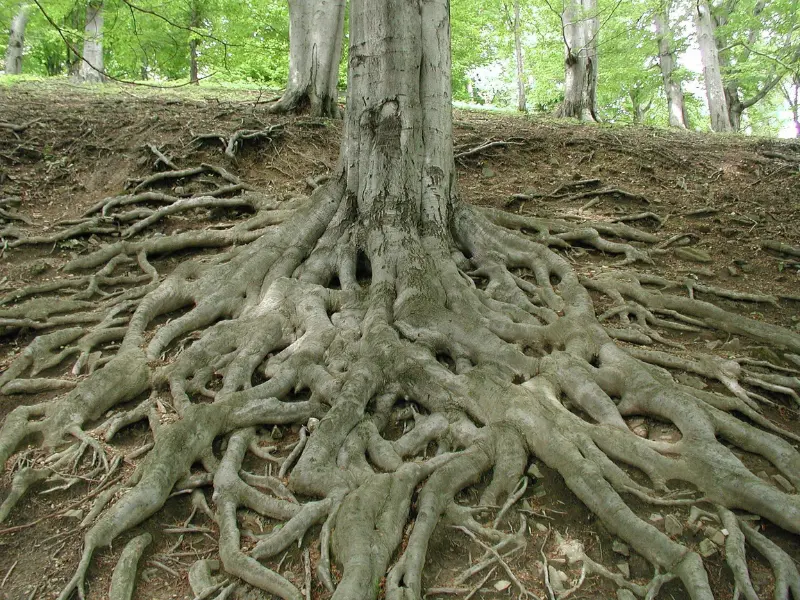
4. Check Root Zones
Tree health begins below ground.
Warning signs include:
- Exposed roots
- Soil lifting around the base
- Mushrooms or fungal growth
- Root damage from construction
Root problems are often difficult for homeowners to identify but can significantly affect stability.
5. Examine the Trunk
Inspect the trunk for:
- Cavities
- Hollow areas
- Large wounds
- Decay
- Insect damage
A hollow trunk does not automatically mean a tree must be removed, but it should be professionally assessed.
What Trees Are Most Vulnerable to Winter Storm Damage in Bethlehem, NY?
Quick Answer
The trees most vulnerable to winter storm damage in Bethlehem include mature sugar maples, red maples, white pines, ornamental pear trees, and trees with multiple trunks or weak branch attachments.
Common Risk Factors
Codominant Stems
Trees with two competing trunks often develop weak unions that are susceptible to splitting.
Dense Canopies
Heavy canopies accumulate snow more easily and experience greater wind resistance.
Previous Storm Damage
Trees weakened by past weather events may contain hidden structural defects.
Mature Trees
Older trees often require more frequent inspections to identify developing issues before they become hazards.
Complete Fall Tree Pruning Checklist
Pruning is one of the most effective methods for reducing winter storm risks.
Remove Dead and Diseased Branches
Removing compromised limbs helps:
- Improve safety
- Reduce branch failures
- Limit disease spread
- Improve overall tree health
Eliminate Weak Branch Attachments
Branches attached at narrow angles are more likely to split during snow and ice events.
Corrective pruning helps strengthen tree structure.
Thin Dense Canopies
Selective thinning can:
- Improve airflow
- Reduce snow accumulation
- Lower wind resistance
- Improve branch distribution
Clear Branches Near Structures
Evaluate branches growing over:
- Homes
- Garages
- Sheds
- Decks
- Driveways
- Walkways
These areas deserve priority attention before winter arrives.
Improve Structural Balance
An uneven canopy can create stress during storms.
Professional structural pruning helps distribute weight more evenly and improve stability.
Winter Storm Tree Preparation Strategies
Preparing trees for winter involves more than pruning alone.
Prioritize High Risk Trees
Focus first on trees located near:
- Houses
- Detached garages
- Vehicles
- Utility lines
- Outdoor living spaces
These trees pose the greatest potential liability during storms.
Address Weak Branch Unions
Weak branch unions are one of the leading causes of winter tree failures.
Warning signs include:
- Included bark
- Visible cracks
- Heavy lateral limbs
- Excessive canopy weight
Monitor Large Shade Trees
Large mature trees often provide the greatest benefits but also carry the highest consequences if structural failure occurs.
Annual inspections become increasingly important as trees age.
Should You Consider Tree Cabling and Bracing?
Not every tree problem requires removal.
For valuable trees with structural concerns, cabling and bracing can often provide additional support.
What Is Tree Cabling?
Tree cabling involves installing high-strength steel cables within the canopy.
Benefits include:
- Reduced branch movement
- Improved load distribution
- Enhanced storm resistance
- Preservation of mature trees
What Is Tree Bracing?
Bracing uses steel rods to reinforce weak branch unions or cracked trunks.
This technique is often recommended for trees with multiple stems or structural defects.
Trees That Commonly Benefit
- Mature shade trees
- Historic landscape trees
- Multi-trunk trees
- Trees near homes
- Trees with previous storm damage
When installed properly, these systems can significantly reduce the likelihood of structural failure.
Protecting Young Trees Before Winter
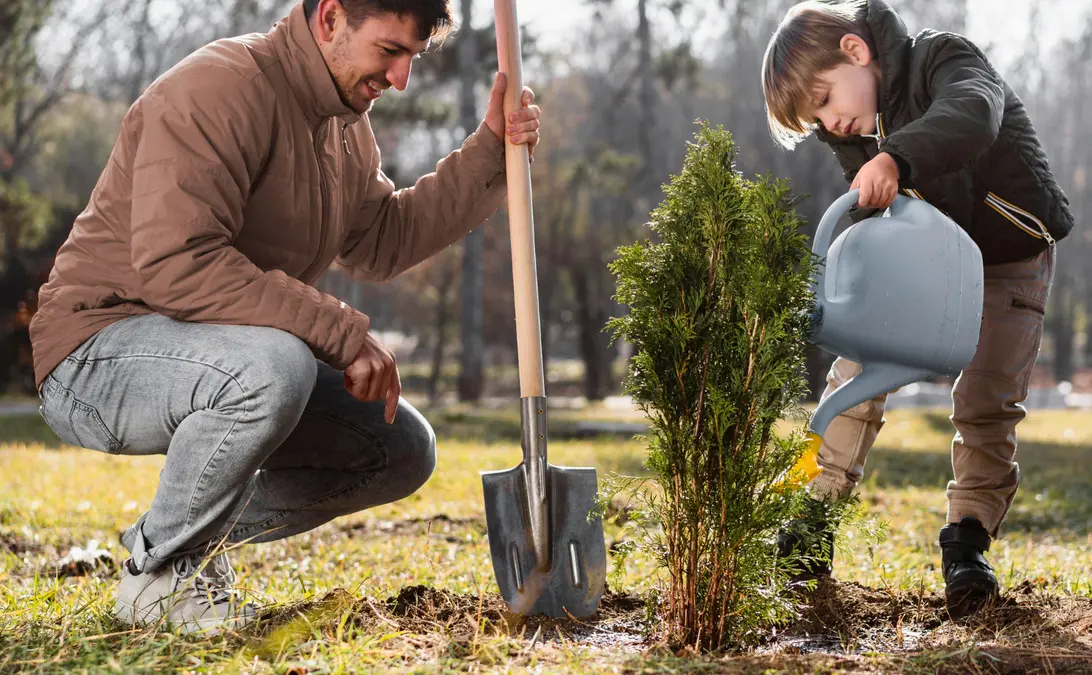
Young trees require special attention during the fall because their root systems are still establishing themselves. While mature trees have extensive root networks that help them withstand seasonal stress, newly planted trees are often more vulnerable to winter injury.
Apply Mulch Correctly
Mulching is one of the simplest yet most effective ways to protect young trees during winter.
Benefits of proper mulching include:
- Improved soil moisture retention
- Reduced temperature fluctuations
- Root insulation
- Reduced competition from weeds
Apply a 2- to 4-inch layer of mulch around the root zone while keeping the mulch several inches away from the trunk. Avoid creating “mulch volcanoes,” which can trap moisture against the bark and contribute to decay.
Water Before the Ground Freezes
Many homeowners stop watering trees in the fall, but adequate moisture remains critical before winter dormancy.
Trees continue to use water throughout winter, particularly during dry periods. Deep watering before the ground freezes helps reduce winter desiccation and supports root health.
Install Trunk Guards
Young trees may be susceptible to:
- Deer rubbing
- Rodent damage
- Winter sunscald
- Mechanical injuries from snow removal equipment
Protective trunk guards provide a simple and effective solution.
Inspect Tree Stakes
If your tree is staked, check ties and supports before winter arrives. Loose supports may fail during storms, while overly tight ties can damage developing bark.
Common Fall Tree Care Mistakes Homeowners Make
Many winter tree emergencies can be traced back to avoidable mistakes made during the fall.
Waiting Until After the First Snowstorm
One of the most common mistakes is postponing tree maintenance until winter weather has already arrived.
Once snow and ice accumulate:
- Pruning becomes more difficult
- Inspections become less effective
- Safety risks increase
- Emergency service costs often rise
Fall provides the safest and most efficient opportunity to address potential hazards.
Ignoring Small Warning Signs
Minor defects rarely stay minor forever.
Common examples include:
- Small trunk cracks
- Dead limbs
- Mushrooms at the base
- Bark separation
- Weak branch attachments
Many significant failures begin as small, manageable issues.
Over Pruning Trees
While pruning is beneficial, excessive pruning can stress trees and reduce stored energy reserves needed for winter survival.
Professional pruning focuses on improving structure rather than removing excessive foliage.
Attempting Dangerous DIY Tree Work
Large trees require specialized equipment, training, and safety procedures.
Homeowners should avoid climbing trees, using chainsaws overhead, or attempting to remove large limbs without proper experience.
Bethlehem Neighborhood Tree Care Considerations
Every neighborhood within Bethlehem presents unique tree care challenges.
Delmar
Delmar is known for its mature residential landscapes featuring large shade trees.
Common concerns include:
- Aging sugar maples
- Overextended canopy growth
- Branches overhanging homes
- Structural pruning needs
Glenmont
Rapid development in portions of Glenmont has increased concerns about construction-related root damage.
Property owners should monitor:
- Soil compaction
- Root disturbance
- Drainage changes
- Tree stress following landscaping projects
Slingerlands
Slingerlands properties often contain mature oaks, pines, and wooded areas.
Homeowners frequently benefit from:
- Tree risk assessments
- Storm preparation pruning
- Forest edge management
- Hazard tree identification
Elsmere
Established neighborhoods in Elsmere often feature mature ornamental and shade trees requiring routine structural inspections.
North Bethlehem
Open landscapes and increased wind exposure can place additional stress on trees during winter storms.
Regular maintenance helps reduce wind related branch failures.
DIY Tree Inspection vs Professional Arborist Inspection
Many homeowners perform basic tree inspections, which is an excellent first step. However, professional evaluations provide a deeper understanding of tree health and structural integrity.
| DIY Inspection | Professional Arborist Inspection |
|---|---|
| Visual review from ground level | Comprehensive structural assessment |
| Identifies obvious defects | Detects hidden structural issues |
| Limited canopy visibility | Full canopy evaluation |
| Basic observations | Risk-based recommendations |
| No specialized tools | Advanced diagnostic techniques |
| General maintenance awareness | Long-term tree management planning |
Professional inspections often uncover problems that remain invisible from the ground.
When Should You Call an Arborist Immediately?
Quick Answer
Contact a qualified arborist immediately if a tree poses an immediate safety risk or shows signs of significant structural failure.
Warning Signs That Require Prompt Attention
Sudden Leaning
A tree that suddenly begins leaning may indicate root failure or soil instability.
Large Trunk Cracks
Significant cracks often signal structural weakness that can worsen rapidly during winter weather.
Hanging or Broken Limbs
Partially detached branches can fall unexpectedly and should be addressed promptly.
Root Plate Movement
If soil around the base of a tree appears lifted or cracked, the root system may be failing.
Trees Contacting Utility Lines
Trees growing into utility lines should always be evaluated by trained professionals.
Recent Storm Damage
Any tree damaged by wind, lightning, snow, or ice should be inspected before the next weather event occurs.
Why Preventive Tree Maintenance Saves Money
Some homeowners delay tree care because they view maintenance as an unnecessary expense.
In reality, preventive maintenance is often far less costly than emergency response.
Potential Costs of Neglected Trees
| Tree Problem | Possible Consequence |
|---|---|
| Dead limb failure | Roof damage |
| Storm-related branch breakage | Vehicle damage |
| Root failure | Structural damage |
| Tree collapse | Emergency removal costs |
| Property damage | Insurance claims |
| Utility interference | Service disruptions |
A small investment in preventive care can help avoid substantial repair expenses later.
People Also Ask
Why Do Tree Branches Break During Snowstorms?
Branches often break when snow and ice accumulate faster than the tree can support the additional weight. Weak branch attachments, deadwood, and structural defects increase the likelihood of failure.
Can Ice Damage Healthy Trees?
Yes. Even healthy trees can experience damage during severe ice storms. Ice accumulation adds significant weight to branches and increases wind resistance.
Should Trees Be Pruned Before Winter?
Yes. Fall pruning can remove hazardous limbs, improve structural integrity, and reduce storm-related risks when performed correctly.
Is Tree Cabling Worth It?
For valuable mature trees with structural weaknesses, cabling can provide additional support and help reduce the risk of failure during severe weather.
How Often Should Trees Be Inspected?
Most residential trees benefit from annual inspections, particularly before winter storm season. Older trees and trees near structures may require more frequent evaluations.
Expert Arborist Insight
One of the most common misconceptions among homeowners is that a healthy looking tree is automatically a safe tree.
In reality, many significant structural defects develop internally and remain invisible until a major weather event exposes them.
Experienced arborists throughout the Capital Region frequently encounter mature trees that appear healthy from the ground but contain hidden decay, weak branch unions, or root problems that increase the likelihood of failure during winter storms.
Annual inspections help identify these issues before they become emergencies.
Final Thoughts: Prepare Now, Prevent Problems Later
Winter weather in Bethlehem, NY can be unpredictable. Heavy snow, freezing rain, ice accumulation, and powerful winds all have the potential to expose weaknesses that developed over many years.
The best time to address those weaknesses is before winter arrives.
By following a comprehensive fall tree care checklist that includes inspections, pruning, structural assessments, storm preparation, and proactive maintenance, homeowners can significantly reduce the risk of property damage while improving the long-term health and safety of their landscape.
Whether you live in Delmar, Glenmont, Slingerlands, Elsmere, North Bethlehem, or elsewhere in Albany County, investing in fall tree care today can help protect your property throughout the winter and support healthier, stronger trees for years to come.
Frequently Asked Questions
How do I prepare my property’s trees for winter in Bethlehem NY?
Inspect trees for dead or damaged branches, prune hazardous limbs, apply mulch around root zones, water young trees before the ground freezes, and schedule a professional tree risk assessment if structural concerns are present.
When is the best time to prune trees in Bethlehem NY?
Late fall, after leaves have dropped and before severe winter weather arrives, is generally the ideal time for most tree pruning projects.
What trees are most likely to suffer winter storm damage?
Mature maples, white pines, ornamental pears, and trees with weak branch attachments or multiple trunks often face a greater risk of winter storm damage.
Can healthy trees still lose branches during snowstorms?
Yes. Heavy wet snow and ice can overload even healthy branches, particularly if the tree has a dense canopy or hidden structural weaknesses.
Is tree cabling better than tree removal?
In some situations, cabling and bracing can help preserve valuable mature trees that have manageable structural defects. An arborist can determine the safest option.
How much does a professional tree inspection cost?
Costs vary depending on property size, tree quantity, and inspection requirements. However, inspections are typically far less expensive than emergency tree removal or storm-related property repairs.
Should I worry about trees near my house?
Trees near homes should be inspected regularly because falling limbs and storm-related failures can cause significant property damage if structural issues go undetected.
Why is fall the best time for tree maintenance?
Fall allows homeowners to identify hazards, complete pruning, improve tree health, and prepare for winter weather before snow and ice create additional risks.
Seasonal Tree Care Calendar for Bethlehem, NY
Many homeowners wait until a problem appears before thinking about tree maintenance. However, the healthiest and safest trees are typically managed through year-round care.
Use this seasonal guide to keep your trees in peak condition.
| Season | Recommended Tree Care Activities |
|---|---|
| Spring | Tree inspections, disease monitoring, fertilization if needed, storm damage assessment |
| Summer | Monitor drought stress, inspect for pests, light pruning, deep watering during dry periods |
| Fall | Structural pruning, hazard assessments, mulching, winter preparation, cabling and bracing installation |
| Winter | Dormant pruning, storm damage inspections, emergency tree services if required |
Consistent maintenance helps identify small issues before they become major safety concerns.
Tree Species Commonly Found in Bethlehem, NY
Understanding the species growing on your property can help you anticipate maintenance needs and storm-related vulnerabilities.
Sugar Maple
Sugar maples are among the most valuable shade trees in Bethlehem.
Benefits:
- Excellent fall color
- Long lifespan
- Strong canopy coverage
Potential Concerns:
- Codominant stems
- Heavy branch weight
- Storm-related limb failures in mature specimens
Red Maple
Red maples adapt well to local conditions but often require periodic structural pruning.
Potential Concerns:
- Weak branch attachments
- Rapid growth patterns
White Pine
White pines are common throughout Albany County.
Potential Concerns:
- Snow accumulation
- Wind damage
- Large limb failures during severe storms
Northern Red Oak
Oak trees provide exceptional longevity and environmental benefits.
Potential Concerns:
- Large limb weight
- Hidden decay in older trees
Ornamental Pear Trees
Many ornamental pear varieties are attractive but often develop structural weaknesses as they mature.
Potential Concerns:
- Splitting trunks
- Weak branch unions
- Ice damage
Environmental Benefits of Healthy Trees
Fall tree care isn’t just about preventing damage. Proper maintenance also helps preserve the many benefits trees provide.
Healthy trees contribute to:
- Improved air quality
- Reduced stormwater runoff
- Increased property value
- Wildlife habitat
- Summer energy savings
- Improved curb appeal
According to numerous urban forestry studies, mature trees can significantly enhance neighborhood aesthetics while contributing to healthier communities.
Protecting existing trees is often one of the best long-term investments a homeowner can make.
Why Homeowners Trust Professional Tree Care
Tree care is a specialized field that combines biology, risk management, safety practices, and technical expertise.
Professional arborists understand:
- Tree species characteristics
- Structural defects
- Disease identification
- Root system health
- Storm damage prevention
- Proper pruning techniques
Rather than reacting to emergencies, professional tree care focuses on preventing problems before they occur.
This proactive approach helps homeowners:
- Reduce liability risks
- Protect valuable landscape assets
- Avoid costly emergency work
- Improve tree longevity
- Maintain safer properties year-round
Ready for Winter? Schedule Your Fall Tree Assessment
The best time to prepare your trees for winter is before the first major storm arrives.
If you notice dead branches, cracks, leaning trunks, root problems, or trees growing close to structures, fall is the ideal time to take action.
A professional tree assessment can identify hidden hazards, recommend preventive solutions, and help ensure your trees remain healthy and resilient throughout the winter season.
By investing in fall tree care today, Bethlehem homeowners can enjoy greater peace of mind knowing their property is prepared for whatever winter weather brings.
Related Tree Care Services
Homeowners interested in comprehensive property maintenance may also benefit from:
- Tree Removal Services
- Emergency Tree Service
- Tree Trimming and Pruning
- Stump Grinding
- Cabling and Bracing
- Arborist Consultations
- Storm Damage Cleanup
- Tree Risk Assessments
- Land and Lot Clearing
- Tree Health Evaluations
FAQ
What is the best fall tree care checklist for Bethlehem NY?
Inspect trees, remove dead branches, prune hazardous limbs, mulch root zones, water young trees, and address structural weaknesses before winter storms arrive.
When should trees be inspected before winter?
Trees should ideally be inspected during early to mid-fall before snow, ice, and freezing temperatures become common.
What are the most common causes of winter tree damage?
Heavy snow, ice accumulation, strong winds, weak branch attachments, hidden decay, and poor tree structure are among the most common causes.
Can pruning reduce storm damage?
Yes. Proper pruning removes hazardous limbs, improves tree structure, and reduces the likelihood of branch failure during severe weather.
Are mature trees more likely to fail during storms?
Not necessarily. Healthy mature trees can withstand storms well, but aging trees with structural defects should be inspected regularly.
How often should a tree risk assessment be performed?
Most residential properties benefit from annual assessments, especially when mature trees are located near homes, driveways, or utility lines.