Trees add beauty, shade, and long-term value to your property. However, even trees that appear healthy can hide structural problems, disease, or pest infestations that may threaten your home or landscape.
A professional arborist consultation in Albany, NY helps identify these risks early. At KD Tree Service Albany NY, our ISA-Certified Arborists follow industry standards set by the International Society of Arboriculture to provide expert tree evaluations for homeowners, property managers, and commercial properties throughout the Capital District.
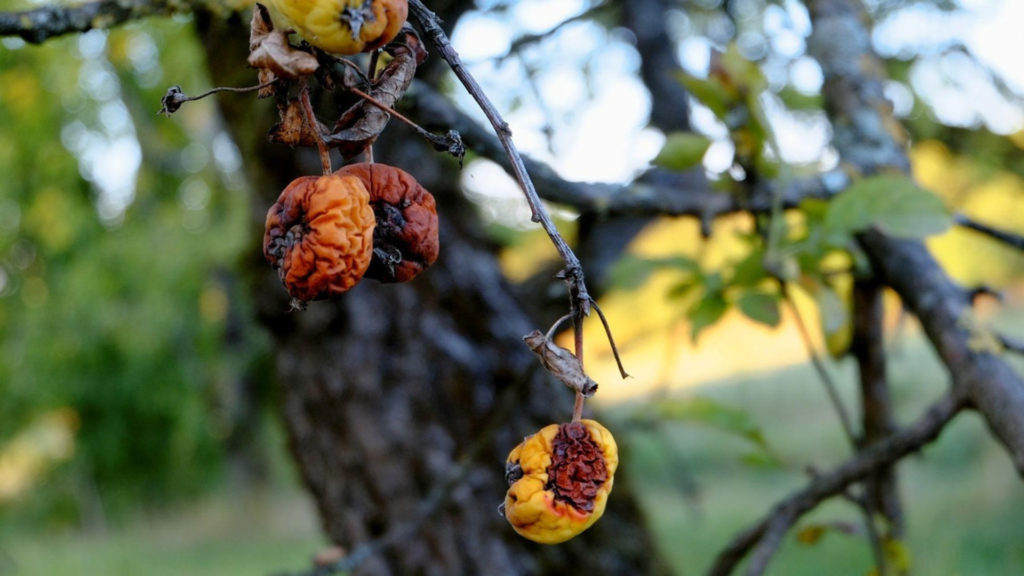
We specialize in assessing native and common Upstate New York species such as Sugar Maple, Eastern White Pine, and Northern Red Oak, along with diagnosing regional threats like Emerald Ash Borer, Oak Wilt, and Hemlock Woolly Adelgid.
Whether you’re planning construction near mature trees, dealing with storm damage, or simply want to ensure your landscape is healthy, our arborist consultation helps protect both your trees and your property investment.
Introduction
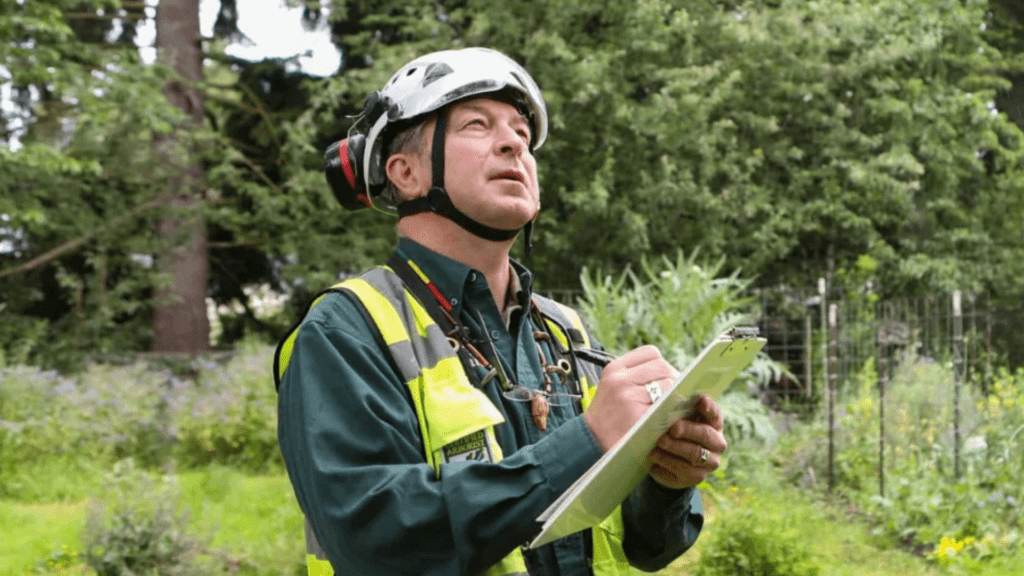
Our arborists follow a structured evaluation process to ensure every tree on your property is properly assessed.
We examine trunks, branches, and canopy structure as part of our professional tree inspection services in Albany NY to identify weaknesses, decay, or storm damage that may not be visible to the untrained eye.
Using professional arboricultural methods, we evaluate tree stability, structural integrity, and potential risk factors.
Our team identifies regional tree threats, including:
We assess surrounding conditions that affect tree health, including:
After the inspection, you receive clear guidance that may include:
PRO TIP: Hiring professional arborists for consultations ensures your trees receive expert attention while protecting your property and investment.
What We Offer
Need Help
The cost depends on the property size and the number of trees. Most consultations are affordable and often prevent expensive future damage.
It’s recommended so our arborist can answer questions and explain findings, but it is not required.
In many cases, yes. Early diagnosis allows for treatment plans that restore health and prevent further spread.
Most mature trees should be evaluated every 1–3 years, especially after severe winters, storms, or construction nearby.
Only when necessary. Our priority is always tree preservation whenever possible.