Introduction
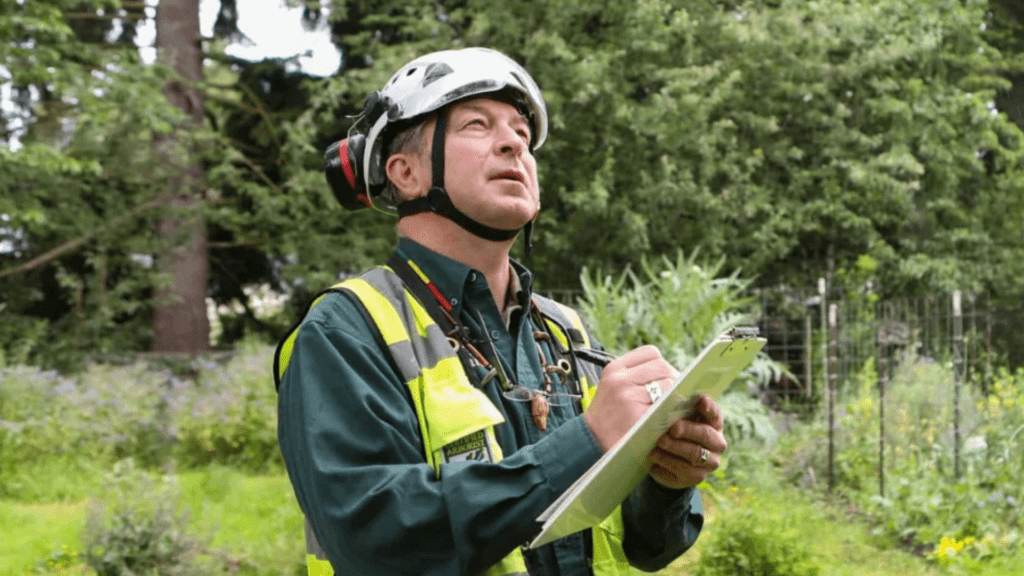
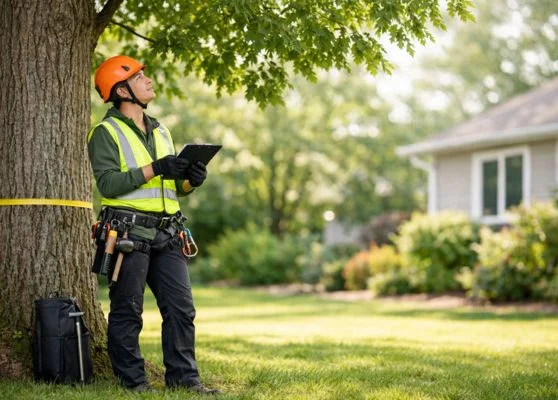
An arborist consultation identifies structural weaknesses, disease, or pest issues before they become expensive or dangerous. Homeowners and property managers in Binghamton rely on these assessments to maintain healthy, safe, and aesthetically pleasing trees throughout Binghamton. While visual checks can spot obvious problems, certified arborists detect underlying issues that only specialized training and tools can reveal.
Our arborists develop maintenance plans that optimize tree growth, improve longevity, and prevent hazards. This includes pruning recommendations, cabling or bracing advice, and pest/disease prevention. Professional consultation ensures your property, landscape, and investment remain protected while enhancing curb appeal.
What We Offer


When To Call
Trees often show warning signs before they become hazardous. Knowing when to contact a certified arborist can help protect your property, prevent safety risks, and avoid costly damage. A professional arborist consultation provides expert evaluation and clear recommendations for proper tree care.
Severe weather can weaken trees through cracked limbs, split trunks, or root disturbance. A tree expert arborist can assess structural stability and determine whether pruning, treatment, or removal is required.
A tree that suddenly begins to lean may indicate root failure or soil instability. A qualified tree specialist can evaluate the risk and recommend corrective action before the tree falls.

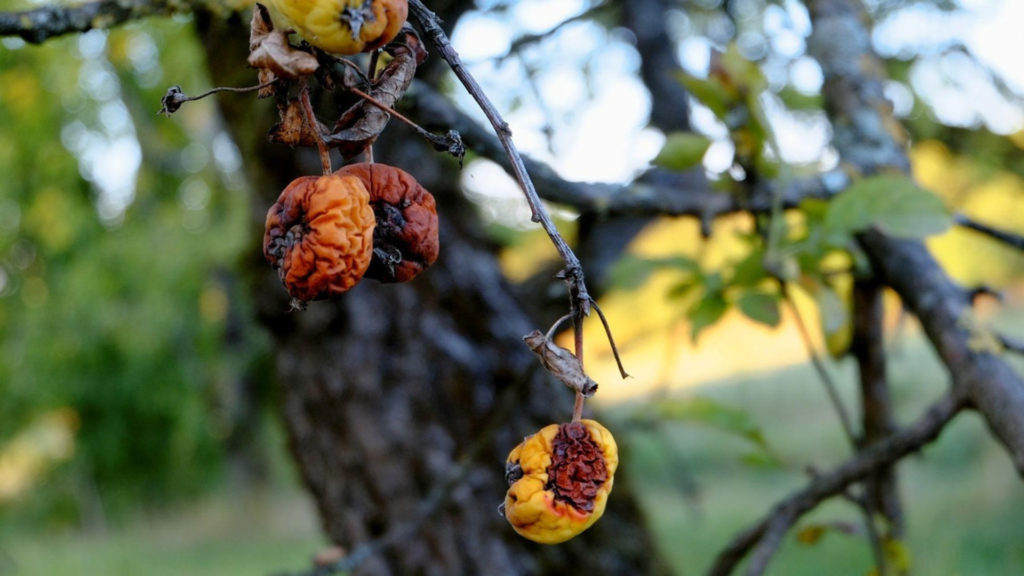
Signs such as dead branches, decay, fungal growth, or thinning leaves often point to underlying health issues. An arborist consultation helps diagnose the problem and prevent disease from spreading to surrounding trees.
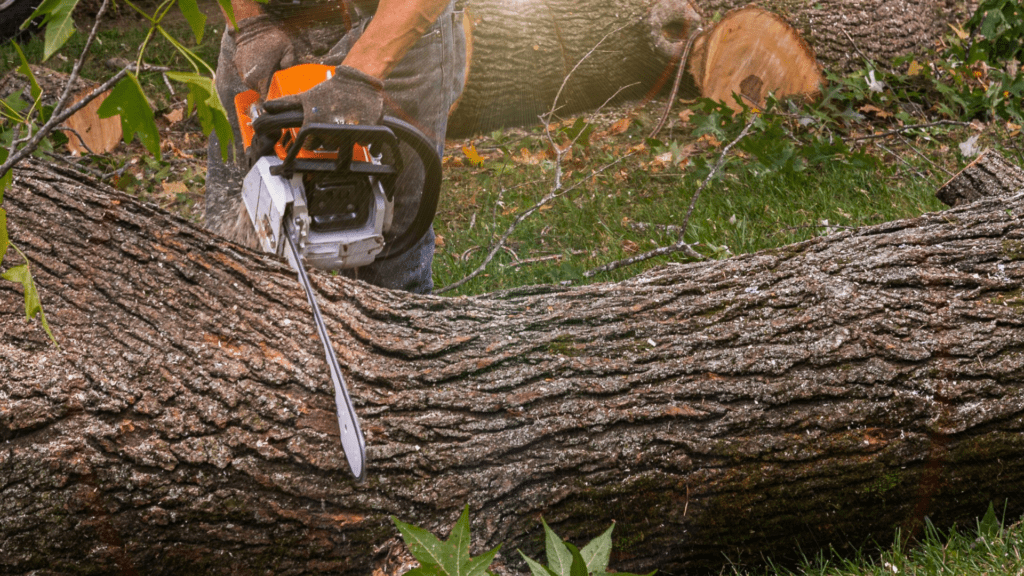
Not every damaged tree needs to be removed. Consulting a certified arborist ensures tree removal is necessary and performed safely, while preserving healthy trees whenever possible.
Before buying or selling property, an arborist consultation helps identify hazardous trees, assess overall tree health, and plan long-term maintenance. This protects your investment and avoids unexpected costs.
Need Help
We use Resistographs, air-spades, and VTA protocols to assess internal decay, root health, and branch stability.
Often yes. Through Level 2 risk assessments, we recommend cabling, bracing, or pruning to stabilize trees and extend their life safely.
At least once a year, especially after ice storms or heavy winds, to catch early structural or pest issues.
Yes. Our certified reports and photos meet insurance and municipal requirements for claims, permits, and risk mitigation.
Absolutely. We establish Critical Root Zones (CRZs) and recommend protection methods to prevent soil compaction or root damage.