[email protected] ⚡ Same-day emergency available

Category: Tree Care Tips & Advice

  • Tree Root Sidewalk Damage Liability & Fines in Cohoes, NY: Who Pays for Repairs?

    As a homeowner or business owner in Cohoes, NY, walking out to find your concrete sidewalk buckling, cracking, or lifting is an immediate, high-stress financial headache. In historic parts of the Capital Region from the historic brick brownstones near Remsen Street to the sprawling residential properties on Van Schaick Island and the newer developments up around Manor Avenue mature oak, maple, and sweetgum trees provide incredible shade and curb appeal. However, as these trees age, their aggressive underground networks frequently clash with aging municipal concrete infrastructure.

    When a massive tree root shoves a heavy sidewalk slab upward, creating a dangerous trip hazard that gets progressively worse with every Upstate New York winter freeze-thaw cycle, a critical legal and financial question arises: Who is legally responsible for the sidewalk cracking, who pays for tree root sidewalk removal in Cohoes NY, and can the city issue code enforcement fines?

    This extensive guide breaks down local Cohoes municipal codes, New York State property laws, advanced arborist techniques, and actionable concrete remediation strategies to help you resolve root-damaged concrete before it triggers expensive liability, personal injury claims, or structural citations.

    🛑 Facing a Cohoes Code Violation Notice?

    Don’t wait for the city to execute the work at extortionate rates or attach a costly lien to your property taxes. Our certified Capital Region team specializes in code compliant root extraction, structural pruning, and emergency clearance.

    📞 CALL NOW FOR A FREE COMPLIANCE ASSESSMENT: (518) 625-8733

    Cohoes Sidewalk Repair Responsibility: Who Owns the Fix?

    Many local property owners operating across Albany County assume that because a sidewalk sits on a public right-of-way, or because a city-planted curbside tree inside a municipal easement caused the heave, the local municipality covers the bill.

    Unfortunately, under New York State common law and local city ordinances, the primary financial and physical obligation to maintain a safe, level walkway falls directly on the shoulders of the abutting property owner.

    The General Rule under Cohoes City Ordinances

    If you dive deep into the local legislative books, specifically Chapter 244 of the Cohoes City Code (Streets and Sidewalks), the law explicitly dictates that the owner of the premises fronting or abutting any public street, highway, or public place must maintain the sidewalk in a state of good, safe, and passable repair.

    If a majestic century-old maple tree on your front lawn or even a mature tree growing within the narrow planting strip between the curb and the sidewalk spreads its root system beneath the concrete and forces the slab upward, you are generally the primary party required by law to correct the structural hazard. The presence of cohoes sidewalk repair responsibility shifting to the property owner is standard across the Capital District, but Cohoes enforces it strictly to preserve pedestrian access near public transit lines and historic shopping corridors.

    Cohoes NY Sidewalk Code Enforcement & Fines

    Leaving a buckled sidewalk unaddressed will eventually catch the eye of Cohoes Code Enforcement officers or field inspectors from the Department of Public Works (DPW).

    [Inspector Identifies Lip >= 0.5"] ---> [Official Notice Sent (30 Days)]
                                                   |
       ____________________________________________|____________________________________________
      |                                                                                         |
    [Option A: Owner Hires Certified Pro]                                     [Option B: Owner Ignores Notice]
      • Safe root pruning & remediation                                         • City hires private contractor
      • Clean concrete repouring                                                • High processing fees added
      • Safe, code-compliant fix                                               • Total bill added as TAX LIEN
    

    The Inspection & Official Notice: Code enforcement routinely monitors residential and commercial zones around Columbia Street, Walnut Street, and Downtown Cohoes for pedestrian hazards. If an inspector identifies an uneven concrete slab with a vertical displacement or “lip” (typically $\frac{1}{2}$ inch or greater), they will issue an official notice to repair.

    Sidewalk Repair Fines & Tax Liens: If a property owner ignores a repair citation within the specified window (usually 30 calendar days), the City of Cohoes has the legal authority under municipal law to correct the hazard itself. The city will hire a third-party private masonry contractor to either grind down the concrete lip or completely tear out and pour fresh concrete. Once finished, the city doesn’t just hand you a standard invoice; the total cost of the work plus heavy administrative penalties, inspection fees, and processing surcharges will be attached directly to your municipal property tax bill as an assessment lien. Failing to clear this lien can jeopardize your mortgage standing or halt the sale of your home.

    Tree Root Sidewalk Damage Law: New York State Frameworks

    To fully evaluate your long-term risk profile as a property owner, you have to look at how tree root sidewalk liability applies to NY homeowners during civil personal injury claims.

    The “Prior Written Notice” Framework

    Under standard New York State common law, a municipality is heavily protected from slip-and-trip lawsuits unless it can be proven that the city received “prior written notice” of the exact structural defect before the accident occurred. However, because Cohoes city ordinances explicitly place the burden of ongoing maintenance and sidewalk safety on the property owner, your legal defense weakens drastically if a pedestrian is injured on a sidewalk slice that you have actively neglected.

    Understanding Premises Negligence & Tort Claims

    If a passerby, mail carrier, or local jogger trips over a concrete slab raised by your tree’s root system, you can be named as a primary defendant in a personal injury lawsuit for premises negligence. To win a tort claim against you, the plaintiff’s legal counsel must establish that:

    1. A dangerous, defective condition existed (the raised sidewalk slab).
    2. The property owner either created the condition, knew about it (actual notice), or should have known about it through reasonable property maintenance (constructive notice).
    3. The owner failed to execute proper repairs within a reasonable timeframe.

    Because a buckled sidewalk is highly visible, a defense attorney cannot simply claim you didn’t see it. Tree root sidewalk liability ny homeowners face is a major source of costly home insurance claims and out-of-pocket legal settlements across New York State.

    The Core Conflict: Why Tree Roots Destroy Concrete

    To understand how to safely perform tree root sidewalk removal in Cohoes NY, you must first understand why roots behave the way they do. Tree roots do not intentionally seek out and destroy concrete; they are simply searching for three critical survival elements: moisture, oxygen, and nutrients.

    [ Sidewalk Concrete Slab ] <--- Retains condensation underneath
    --------------------------
    [ Gravel Sub-Base Layer ]  <--- Loose, oxygen-rich environment
    ==========================
       ^          ^
       |          |--- [ Opportunistic Fine Roots ] Expand upward into gravel
       |
    [ Structural Anchor Roots ] Thicken over time, acting like hydraulic jacks
    

    When a sidewalk is poured, a localized microclimate forms beneath the slab. Rainwater seeps through the joints of the concrete and condenses on the underside of the stone. This creates a highly attractive, high-moisture, oxygen-rich environment directly inside the gravel or sand sub-base.

    Opportunistic fine roots grow upward into this gravel layer to drink the trapped condensation. Over several growing seasons, these fine feeder roots transition into thick, woody structural anchor roots. As these roots grow in diameter, they act like slow-motion hydraulic jacks, exerting thousands of pounds of upward pressure against the bottom of the concrete until the massive tensile forces crack and displace the heavy masonry above.

    The Root Problem: Root Pruning vs. Tree Removal

    Once you receive a city code citation or notice a shifting slab outside your storefront, you face a major mechanical and environmental dilemma: How do you fix the walking path without destabilizing or completely killing a mature, high value shade tree? Local property owners must make an informed decision between targeted structural root management or complete tree extraction.

    Comprehensive Comparison: Managing Root Infestations

    Strategic ApproachCore AdvantagesCritical ConstraintsCost Profile
    Root Pruning (with Air-Spade)• Preserves the mature tree canopy
    • Less expensive than total removal
    • Keeps historic neighborhood aesthetics intact
    • Roots can slowly regrow if unmanaged
    • Risk of structural tree failure if executed by amateurs
    Moderate
    Complete Tree Removal• Eliminates the root issue permanently
    • Allows for flawless flatwork replacement
    • Eradicates future storm/falling branch hazards
    • Higher upfront financial layout
    • Requires municipal tree permits
    • Complete loss of local shade & curb appeal
    High

    Deep Dive: Root Pruning vs. Tree Removal for Cohoes Sidewalks

    If you opt for root pruning, you cannot simply send an uncertified laborer out with a chainsaw, axe, or sledgehammer to chop away at the wood blocking the concrete frame. Shaving off massive, structural anchor roots can permanently destabilize the entire weight of the tree. This makes it a severe hazard during high-wind summer storms or heavy winter blizzards blowing violently off the Mohawk and Hudson rivers.

    Professional tree services strictly utilize the 25% Rule: a certified arborist should never prune away more than 20% to 25% of a mature tree’s total root system in a single calendar season.

    Furthermore, local tree care experts utilize Air Spade pneumatic soil excavation. This advanced tool blasts supersonic streams of compressed air to safely blow away heavy clay and dirt, completely exposing the delicate root network without scraping the protective bark or damaging the cambium layer. This allows the arborist to make precise, clean, surgical cuts that don’t invite fungal decay or root-rot pathogens into the tree.

    However, if the prominent root mass lifting the concrete is too integral to the tree’s structural equilibrium and wind resistance, full crane assisted tree removal becomes the only safe, compliant, and logical path forward to clear the path for a long lasting concrete replacement.

    ⚡ Fast Emergency Response for Capital Region Property Owners

    Has a severe storm or high wind velocity compromised a root damaged tree near your public sidewalk? Do not wait for a catastrophic structural failure. We provide rapid emergency tree cutting, hazard limb pruning, and clearance services throughout Cohoes and greater Albany County.

    📞 TAP TO CALL FOR EMERGENCY ARBORIST ASSISTANCE: (518) 625-8733

    Engineering Longevity: The Arborist Root Barrier

    If your arborist evaluation reveals that the tree can safely survive structural pruning and you proceed to pour a fresh, level concrete slab, you cannot simply lay down new stone directly over the old soil. If you do, the remaining root tips will naturally callus over, regenerate, and begin lifting the new concrete again within 3 to 5 years.

    To break this cycle, professional local tree care teams install a specialized, subsurface arborist root barrier.

    How Subsurface Barriers Shield Your Concrete

    These barriers are heavy-duty, interlocking vertical sheets manufactured from high-density polyethylene (HDPE) or coated geotextile fabrics. They are buried vertically to a depth of 12 to 24 inches directly alongside the inner edge of the new sidewalk frame.

              [ Tree Trunk ]
                    |
              (Soil Level)
         ___________|___________
        |                       |
        |===> [Root Growth] ===>|  | [ HDPE ROOT BARRIER PANEL ] 
                                |  | (Forces root to turn 90° downward)
                                v  | 
                        (Deep Sub-Soil)
                        =============================== [ New Concrete Slab ]
                        =============================== [ Gravel Sub-Base ]
    

    The face of the barrier panel features molded, vertical 90-degree ribs. When an expanding root grows horizontally toward the sidewalk, it collides with the smooth HDPE panel. The vertical ribs guide the root tip cleanly downward, forcing it to grow deep into the lower sub-soil strata, far beneath the sidewalk’s structural gravel sub-base. This keeps the critical upper soil profile clear of thick wood, ensuring your fresh concrete flatwork remains completely flat, safe, and code-compliant for several decades.

    Step-by-Step Guide to Code Compliant Sidewalk Remediation in Cohoes

    If you have a concrete sidewalk that is actively buckling from tree roots, navigating the resolution process without making costly legal mistakes requires a methodical plan:

    Step 1: Identify Property Boundaries & Trees

    Determine if the offending tree is located strictly on your private property or inside the municipal planting easement. Even if it is a city planting strip, remember that under cohoes sidewalk repair responsibility, you are still liable for maintaining the concrete walkway surface.

    Step 2: Schedule a Certified Arborist Consultation

    Never cut roots blindly. Hire a professional tree care provider to perform a structural assessment. They will use diagnostic tools or localized hand excavation to determine if the tree can safely withstand the root pruning required to lay a level slab.

    Step 3: Secure the Necessary Municipal Permits

    If the tree needs to be fully extracted and sits near a public right-of-way, or if you are altering public concrete infrastructure, you must file a permit application with the Cohoes Department of Public Works (DPW) or the building department. Working without a permit can trigger immediate stop-work orders and steep municipal code fines.

    Step 4: Execute Excavation & Root Management

    Your chosen tree service team will utilize tools like an Air-Spade to clear out the dirt around the affected area, perform clean structural root pruning, and install a continuous run of heavy-duty arborist root barrier to block future root intrusion.

    Step 5: Pour New Concrete to Specification

    With the root system managed and protected, a professional mason or concrete contractor can lay down a proper gravel base, install steel reinforcement mesh to resist future cracking, and pour high-PSI concrete that matches the exact thickness and slope requirements mandated by Cohoes city engineering codes.

    Frequently Asked Questions (FAQ)

    Is a homeowner responsible for sidewalk damage from tree roots in Cohoes, NY?

    Yes. Under Chapter 244 of the Cohoes City Code, local property owners are explicitly held legally and financially responsible for maintaining the safety, cleanliness, and structural integrity of all public walkways directly bordering their property parcels. Failing to address deep cracks, lifting, or hazardous heaves caused by private or city tree roots property damage responsibility can result in direct civil lawsuits, insurance claims, or municipal citations.

    Who pays for sidewalk repairs damaged by tree roots in Cohoes, NY?

    In almost all residential and commercial cases, the adjacent property owner pays for both the structural concrete masonry repair and any required arborist root management or tree removal work. Even if the tree is technically located within the city’s public right-of-way planting strip, local municipal code shifts the ongoing sidewalk maintenance and repair costs directly to the abutting property owner.

    Can the city fine you for sidewalk damage in Cohoes, NY?

    Yes. The Cohoes Code Enforcement division can issue official structural violation orders to property owners with hazardous walkways. If you fail to complete the required repairs within the specified timeframe outlined in the citation, the city can execute the repair work using a city-appointed contractor and place the total cost of sidewalk repair fines cohoes ny directly onto your property tax bill as an unresolvable assessment lien.

    What is the safest way to execute tree root sidewalk removal in Cohoes, NY?

    The safest way requires a dual-phase approach involving both professional tree care and code-compliant concrete replacement. You must coordinate an assessment with a certified tree professional who can safely prune non-structural roots using specialized pneumatic tools, install a subsurface physical root barrier, and prepare a stabilized sub-base for clean, long-lasting concrete flatwork.

    Save Your Sidewalk & Avoid Costly Penalties

    Don’t sit back and wait for an official municipal code enforcement citation to hit your mailbox, or worse, for an expensive personal injury lawsuit to land on your doorstep. If you have a lifting, cracked, or hazardous sidewalk caused by runaway tree roots anywhere in the Cohoes or greater Capital Region area, you need a precise evaluation that completely protects both your property’s structural safety and your financial liability.

    We provide completely transparent, code-compliant, and fully insured arborist and clearing solutions designed to handle the toughest root extractions and complex tree removals safely and effectively.

    🟢 Get Your 100% Free Cohoes Sidewalk & Root Evaluation Today!

    Eliminate the stressful guesswork and protect your property from city fines and tax liens. Talk directly to a local, experienced tree specialist right now.

    👉 CLICK TO CALL NOW: (518) 625-8733
  • Do You Need a Permit to Remove a Tree in Albany NY? Everything Homeowners Need to Know

    Do You Need a Permit to Remove a Tree in Albany NY? Everything Homeowners Need to Know

    Quick Answer

    If you’re wondering whether you need an Albany NY tree removal permit, the answer depends on where the tree is located and whether it falls under city regulations.

    Trees located on public property, within street rights-of-way, or affected by development projects may require approval from local authorities. For trees located entirely on private property, requirements can vary depending on zoning regulations, development activity, historic district considerations, and other local requirements.

    Pro Tip: Before removing any tree, verify ownership and permit requirements with the City of Albany. A quick phone call can help prevent delays, fines, and costly mistakes.

    Why Tree Removal Permits Matter in Albany

    Trees are a valuable part of Albany’s urban landscape. They provide shade, improve air quality, reduce stormwater runoff, increase curb appeal, and contribute to property values throughout neighborhoods such as Pine Hills, Center Square, Arbor Hill, Buckingham Lake, Helderberg, Delaware Avenue, and the Mansion District.

    To preserve these benefits, Albany regulates certain tre related activities through its urban forestry program.

    Removing a tree without understanding local requirements can lead to:

    1. Project delays
    2. Enforcement actions
    3. Potential fines
    4. Replacement obligations
    5. Additional costs

    Understanding the rules before work begins can save homeowners significant time and frustration.

    Do You Need a Permit to Cut Down a Tree on Your Property in Albany?

    One of the most common questions homeowners ask is:

    “Do I need a permit to cut down a tree on my property in Albany?”

    In many situations, homeowners have greater flexibility when removing trees located entirely on private property. However, permit requirements or additional review may apply when:

    1. The tree is located within a public right-of-way.
    2. The removal is associated with a development project.
    3. Local zoning regulations apply.
    4. Historic district requirements are involved.
    5. Site plan review is required.
    6. The tree impacts public infrastructure.

    Because every property is unique, homeowners should confirm current requirements before scheduling removal work.

    In Our Experience: The Most Common Tree Permit Mistake

    One of the most common misunderstandings among Albany homeowners involves trees located between the sidewalk and the street.

    Many residents assume these trees belong to them because they sit directly in front of their property. However, in many cases these trees are located within a public right-of-way and may fall under city oversight.

    We’ve found that verifying ownership before hiring a tree service company can prevent unnecessary delays and avoid potential compliance issues.

    Albany Tree Removal Permit: Public Trees vs. Private Trees

    Understanding ownership is one of the most important parts of determining whether approval may be required.

    Public Trees

    Public trees are commonly located:

    1. Along streets
    2. Near sidewalks
    3. Between sidewalks and curbs
    4. Within public parks
    5. On municipal property
    6. Inside public rights-of-way

    These trees are generally managed through the city’s forestry program.

    Private Trees

    Private trees are generally located entirely within property boundaries and outside public easements or city managed areas.

    However, privately owned trees may still be subject to review in certain situations involving development, zoning, or historic districts.

    Albany DGS Forestry Rules Homeowners Should Know

    Albany’s Forestry Division helps manage and maintain public trees throughout the city.

    Its responsibilities include:

    1. Tree planting
    2. Tree pruning
    3. Hazard tree assessments
    4. Urban forest management
    5. Public tree removal
    6. Tree maintenance
    7. Stump management

    The goal is to balance public safety, environmental benefits, and long term tree preservation.

    Permit vs. No Permit: Common Albany Tree Removal Scenarios

    SituationPermit or Approval May Be Required?
    Tree located in public right-of-wayOften Yes
    Tree located in a city parkYes
    Development-related tree removalOften Yes
    Tree entirely on private propertyDepends on circumstances
    Tree within a historic districtMay require review
    Storm-damaged emergency treeCase-by-case
    Tree affecting public infrastructureOften Yes

    This table provides general guidance. Property owners should verify requirements before proceeding.

    How to Apply for a Tree Work Permit in Albany

    If a tree falls under city jurisdiction, follow these general steps:

    Step 1: Verify Tree Ownership

    Determine whether the tree is located:

    1. On private property
    2. Within a public right-of-way
    3. On municipal land
    4. Near public infrastructure

    Step 2: Contact the Appropriate Department

    Reach out to the City’s Forestry Division to discuss the proposed work.

    Step 3: Provide Property Information

    Be prepared to provide:

    1. Property address
    2. Tree location
    3. Description of proposed work
    4. Relevant project details

    Step 4: Schedule an Inspection

    Certain situations may require an inspection before work can proceed.

    Step 5: Obtain Approval Before Starting Work

    Do not begin removal, pruning, or other regulated work until any required approvals have been obtained.

    Why Tree Ownership Verification Matters

    Tree ownership often determines whether approval is required.

    Homeowners in Pine Hills, Center Square, Arbor Hill, Buckingham Lake, and Helderberg frequently encounter mature trees located near sidewalks, curbs, and roadways.

    While these trees may appear to belong to the adjacent property owner, they may actually be located within a city right-of-way.

    Verifying ownership first can help avoid permit issues and unexpected project delays.

    Common Situations That Trigger Permit Questions

    Dead Trees

    Dead trees can create safety hazards, but ownership and location still matter.

    Hazardous Trees

    Trees showing signs of decay, instability, or structural failure may require professional evaluation.

    Storm Damaged Trees

    Severe weather can create emergency situations that require prompt action.

    Construction Projects

    Land clearing, additions, utility work, and redevelopment projects often trigger additional review requirements.

    Utility Conflicts

    Trees located near power lines or public utilities may require coordination with additional parties before work begins.

    Local Considerations for Albany Neighborhoods

    Tree removal concerns often arise in neighborhoods with mature tree canopies, including:

    1. Pine Hills
    2. Center Square
    3. Arbor Hill
    4. Buckingham Lake
    5. Helderberg
    6. Delaware Avenue
    7. Mansion District
    8. West Hill
    9. New Scotland Area

    These neighborhoods contain many established trees that contribute significantly to community character and property values.

    What Happens If You Remove a Regulated Tree Without Approval?

    Removing a regulated tree without authorization may result in:

    1. Municipal violations
    2. Enforcement actions
    3. Financial penalties
    4. Restoration requirements
    5. Replacement obligations

    The outcome depends on the circumstances and applicable regulations.

    Tree Removal Guidelines in New York State

    In addition to Albany regulations, New York property owners should remember:

    Property Rights Matter

    You generally cannot remove a tree located on someone else’s property without permission.

    Boundary Trees Can Be Complicated

    Trees located on property lines may involve shared ownership considerations.

    Local Rules Often Take Priority

    Municipal ordinances frequently establish additional requirements beyond general property rights.

    Key Takeaways

    1. Albany regulates certain tree removals to protect its urban forest.
    2. Trees located within public rights-of-way often require city approval.
    3. Development-related projects may trigger additional review requirements.
    4. Tree ownership should always be verified before removal.
    5. Historic districts may have additional considerations.
    6. Consulting local authorities can help avoid costly mistakes.

    People Also Ask

    Can I Remove a Dead Tree Without a Permit in Albany?

    Possibly, but ownership and location should always be verified first.

    Is There a Fee for a Tree Work Permit?

    Permit requirements and fees can change. Always verify current requirements with the city.

    How Long Does Permit Approval Take?

    Approval timelines vary depending on workload, project complexity, and inspection requirements.

    Can I Trim a Tree Located in the City Right-of-Way?

    Work on trees located within public rights-of-way may require authorization.

    Can a Tree Service Company Handle the Permit Process?

    Many professional tree service companies help homeowners navigate local requirements.

    Frequently Asked Questions

    Do I need a permit to cut down a tree on my property in Albany?

    Requirements depend on ownership, location, zoning considerations, development activity, and other factors.

    Who owns the tree between the sidewalk and street?

    Many trees in this area are located within a public right-of-way and may fall under city jurisdiction.

    How do I know if a tree belongs to the city?

    Trees located near sidewalks, curbs, streets, or public easements may be regulated by the city.

    What happens if I remove a city-owned tree?

    Unauthorized removal may result in penalties or enforcement actions.

    Can I remove a tree near power lines?

    Trees near utility lines should be evaluated carefully and may require coordination with utility providers.

    Are emergency tree removals handled differently?

    Emergency situations may involve different procedures depending on public safety concerns.

    Do construction projects require tree review?

    Many development and construction projects require additional review related to existing trees.

    Can I prune a public tree myself?

    Public trees may be subject to city regulations. Verify requirements before performing work.

    Who should I contact before removing a tree?

    If ownership or permit requirements are unclear, contact the City before proceeding.

    Are historic districts subject to additional review?

    Certain locations and projects may involve additional review requirements.

    Related Resources

    Homeowners researching tree care may also find these topics helpful:

    1. Tree Removal Cost in Albany, NY
    2. Emergency Tree Removal Services
    3. Stump Grinding vs. Stump Removal
    4. Tree Trimming vs. Tree Removal
    5. Signs a Tree Needs Professional Evaluation

    Final Homeowner Checklist

    Before removing any tree in Albany:

    ✔ Verify tree ownership.

    ✔ Determine whether the tree is located within a public right-of-way.

    ✔ Confirm whether development or zoning approvals apply.

    ✔ Check for historic district considerations.

    ✔ Consult local authorities if ownership is unclear.

    ✔ Hire a qualified arborist when necessary.

    ✔ Obtain required approvals before beginning work.

    Final Thoughts

    If you’re researching Albany, NY tree removal permit requirements, the most important step is determining whether the tree is privately owned or falls under city jurisdiction.

    While many private-property tree removals may involve fewer restrictions, trees located within public rights-of-way, development projects, or historically sensitive areas may require additional review.

    Taking a few minutes to verify ownership and requirements before starting work can help prevent delays, avoid costly mistakes, and ensure compliance with local regulations.

    When in doubt, consult local authorities and qualified tree professionals before removing any tree.

  • Tree Services Albany, NY: The Ultimate Guide to Tree Removal, Tree Trimming, Emergency Tree Service & Arborist Care

    Tree Services Albany, NY: The Ultimate Guide to Tree Removal, Tree Trimming, Emergency Tree Service & Arborist Care

    Trees are one of the most valuable investments on any property. They provide shade, improve air quality, increase property value, enhance curb appeal, reduce energy costs, and create beautiful outdoor spaces. However, when trees become damaged, diseased, overgrown, or structurally compromised, they can quickly become a serious safety concern. Whether you’re dealing with a hazardous tree after a storm, need professional tree trimming, require stump grinding, or want advice from a certified arborist, choosing an experienced tree care company is essential.

    For more than 20 years, KD Tree Service Albany NY has proudly served Albany, NY and the Capital Region with professional tree care solutions. Our team includes ISA Certified Arborists, fully insured tree professionals, and emergency response specialists committed to protecting your property and preserving the health of your trees.

    Backed by a 4.5-star Google rating and trusted by homeowners and businesses throughout Albany County, KD Tree Service Albany NY delivers expert tree removal, pruning, arborist services, emergency tree care, and stump grinding solutions designed to keep your property safe, healthy, and beautiful year-round.

    Why Professional Tree Services Matter in Albany, NY

    Albany’s climate creates unique challenges for trees.

    Throughout the Capital Region, trees face:

    – Heavy winter snow accumulation

    – Ice storms

    – Strong wind events

    – Summer thunderstorms

    – Freeze-thaw cycles

    – Soil compaction

    – Drought stress

    – Pest infestations

    – Fungal diseases

    These conditions can weaken even healthy trees over time.

    Professional tree care helps:

    ✓ Prevent property damage

    ✓ Improve tree health

    ✓ Increase property value

    ✓ Reduce liability risks

    ✓ Improve safety

    ✓ Detect disease early

    ✓ Extend tree lifespan

    ✓ Maintain curb appeal

    Regular maintenance often prevents expensive emergencies while preserving the beauty of your landscape.

    Licensed & Insured • 24/7 Emergency Response • Insurance Documentation Support

    Tree Services We Offer in Albany, NY

    KD Tree Service Albany NY provides comprehensive tree care solutions for residential and commercial properties.

    Our Professional Tree Services Include:

    – Tree Removal

    – Emergency Tree Removal

    – Tree Trimming

    – Tree Pruning

    – Stump Grinding

    – Stump Removal

    – ISA Certified Arborist Services

    – Tree Risk Assessments

    – Storm Damage Cleanup

    – Hazardous Tree Removal

    – Dead Tree Removal

    – Tree Cabling & Bracing

    – Land Clearing

    – Lot Clearing

    – Commercial Tree Services

    – Residential Tree Services

    – Tree Health Evaluations

    Tree Removal Services in Albany, NY

    When Should a Tree Be Removed?

    While preserving healthy trees is always preferred, removal may be necessary when a tree becomes dangerous or unhealthy.

    Common Reasons for Tree Removal

    1. Dead or dying trees
    2. Severe storm damage
    3. Structural instability
    4. Root system failure
    5. Advanced disease
    6. Construction interference
    7. Trees leaning toward structures
    8. Trees growing too close to power lines
    9. Significant trunk decay

    Ignoring hazardous trees can result in expensive property damage and serious safety risks.

    Signs a Tree May Need Removal

    Large Dead Branches

    Dead limbs can fall unexpectedly and indicate declining health.

    Leaning Trees

    A sudden lean often signals root failure.

    Cracks in the Trunk

    Large cracks may indicate structural weakness.

    Fungal Growth

    Mushrooms around the base often suggest internal decay.

    Hollow Trunks

    Large cavities reduce tree strength.

    Root Damage

    Damaged roots can compromise stability.

    If you notice any of these warning signs, schedule a professional tree inspection immediately.

    How Professional Tree Removal Works

    Many homeowners wonder how large trees are removed safely.

    Step 1: Tree Assessment

    Our arborists evaluate:

    1. Tree condition
    2. Height
    3. Diameter
    4. Structural stability
    5. Surrounding hazards

    Step 2: Removal Planning

    A customized removal strategy is developed.

    Step 3: Controlled Dismantling

    Trees are carefully removed using specialized equipment and rigging systems.

    Step 4: Debris Cleanup

    Wood, branches, and debris are removed.

    Step 5: Stump Grinding

    Optional stump removal completes the process.

    Licensed & Insured • 24/7 Emergency Response • Insurance Documentation Support

    Emergency Tree Service in Albany, NY

    Need Emergency Tree Removal?

    Short Answer:

    If a tree has fallen on your home, driveway, vehicle, or power lines, contact a professional emergency tree service company immediately.

    KD Tree Service Albany NY offers 24/7 emergency tree service throughout Albany and surrounding communities.

    Common Emergency Tree Situations

    1. Trees on houses
    2. Fallen trees blocking roads
    3. Storm-damaged branches
    4. Uprooted trees
    5. Split trunks
    6. Trees contacting utility lines
    7. Immediate safety hazards

    Rapid response helps minimize additional damage and restore safety quickly.

    What To Do After Storm Damage

    Stay Clear

    Never approach unstable trees.

    Avoid Power Lines

    Assume all wires are energized.

    Document Damage

    Take photographs for insurance claims.

    Contact Tree Professionals

    Emergency removal should only be performed by trained experts.

    Schedule a Full Inspection

    Nearby trees may also be damaged.

    Tree Trimming & Tree Pruning Services

    Why Is Tree Trimming Important?

    Short Answer:

    Regular pruning improves tree health, appearance, safety, and structural integrity.

    Benefits include:

    1. Improved airflow
    2. Better sunlight penetration
    3. Reduced storm damage risk
    4. Stronger branch structure
    5. Enhanced appearance
    6. Disease prevention
    7. Increased longevity

    Types of Tree Pruning

    Crown Cleaning

    Removes:

    1. Dead branches
    2. Diseased limbs
    3. Broken limbs

    Crown Thinning

    Reduces canopy density.

    Crown Reduction

    Reduces overall tree size.

    Structural Pruning

    Improves growth patterns in young trees.

    Clearance Pruning

    Creates safe distances from structures and utilities.

    ✓ Licensed & Insured   •   ✓ ISA Certified Arborists   •   ✓ 24/7 Emergency Response   •   ✓ Insurance Documentation Support

    Best Time to Trim Trees in Albany, NY

    Short Answer:

    Late winter and early spring are typically the best times to prune most tree species in Albany.

    During dormancy:

    1. Trees experience less stress
    2. Disease spread is reduced
    3. Healing improves
    4. Growth response is stronger

    Dead or hazardous branches can be removed at any time.

    Tree Removal vs Tree Trimming

    Many property owners confuse these services.

    Tree TrimmingTree Removal
    Preserves the treeEliminates the tree
    Improves healthRemoves hazards
    Preventative maintenanceFinal solution
    Enhances appearanceAddresses serious issues
    Encourages growthEliminates risk

    Which Service Do You Need?

    If a tree remains healthy and structurally sound, trimming is often the best solution.

    If a tree is dead, dangerous, or beyond recovery, removal may be necessary.

    Certified Arborist Services

    What Does an ISA Certified Arborist Do?

    ISA Certified Arborists specialize in:

    1. Tree biology
    2. Disease diagnosis
    3. Risk assessment
    4. Tree preservation
    5. Soil management
    6. Long-term tree care

    Their expertise helps property owners make informed decisions about tree health and safety.

    Arborist vs Tree Service Company

    Arborist

    Focuses on:

    1. Tree health
    2. Disease diagnosis
    3. Preservation
    4. Consulting

    Tree Service Company

    Focuses on:

    1. Tree removal
    2. Pruning
    3. Stump grinding
    4. Emergency services

    KD Tree Service Albany NY provides both professional tree care and ISA Certified Arborist expertise.

    Tree Risk Assessments

    Tree failures often show warning signs before they occur.

    Our arborists evaluate:

    1. Root systems
    2. Trunk integrity
    3. Branch attachments
    4. Disease symptoms
    5. Environmental stress
    6. Pest activity

    Routine inspections help identify risks before accidents happen.

    Common Tree Problems We See in Albany, NY

    After serving the Capital Region for more than 20 years, these are some of the most common issues we encounter.

    Ice Storm Damage

    Ice accumulation places significant stress on tree limbs.

    Maples and ornamental trees are especially vulnerable.

    Snow Loading

    Heavy snow frequently causes:

    1. Limb failures
    2. Splitting branches
    3. Structural damage

    Wind Damage

    Mature trees often suffer storm-related failures during severe weather events.

    Root Compaction

    Urban environments frequently create soil compaction issues that restrict root growth.

    Aging Trees

    Many Albany neighborhoods contain mature trees that require ongoing monitoring and maintenance.

    Common Tree Diseases in Albany

    Dutch Elm Disease

    A devastating fungal disease affecting elm trees.

    Oak Wilt

    A serious disease impacting oak populations.

    Anthracnose

    Common among maples, sycamores, and oaks.

    Root Rot

    Often caused by excessive moisture and drainage problems.

    Early diagnosis significantly improves treatment success.

    Need Professional Arborist Guidance?

    Get expert recommendations from an ISA Certified Arborist serving Albany and the Capital Region.

    Stump Grinding vs Stump Removal

    Many homeowners ask which option is best.

    Stump Grinding

    Advantages

    1. More affordable
    2. Faster process
    3. Less invasive

    Complete Stump Removal

    Advantages

    1. Removes entire root system
    2. Better for construction projects
    3. Ideal for major landscaping

    For most homeowners, stump grinding is the preferred option.

    Tree Service Costs in Albany, NY

    How Much Does Tree Removal Cost?

    Short Answer:

    Tree removal costs vary depending on:

    1. Tree size
    2. Accessibility
    3. Hazard level
    4. Equipment needs
    5. Cleanup requirements

    Larger hazardous trees generally require more labor and specialized equipment.

    KD Tree Service Albany NY proudly provides FREE estimates.

    Residential Tree Services

    Homeowners rely on professional tree care to:

    1. Maintain curb appeal
    2. Improve safety
    3. Protect property value
    4. Preserve healthy trees

    Our residential services include:

    1. Tree trimming
    2. Tree removal
    3. Arborist consultations
    4. Storm cleanup
    5. Stump grinding

    Commercial Tree Services

    We proudly serve:

    1. Office complexes
    2. Apartment communities
    3. Schools
    4. Municipalities
    5. Retail centers
    6. HOAs
    7. Industrial facilities

    Commercial tree management helps maintain safety, compliance, and appearance.

    Why Homeowners Trust KD Tree Service Albany NY

    For over 20 years, KD Tree Service Albany NY has built a reputation for quality workmanship and dependable service.

    What Sets Us Apart?

    ✓ 20+ Years of Experience

    ✓ ISA Certified Arborists

    ✓ Fully Insured

    ✓ Free Estimates

    ✓ 24/7 Emergency Service

    ✓ Residential & Commercial Expertise

    ✓ Professional Equipment

    ✓ Safety-First Operations

    ✓ 4.5-Star Google Rating

    ✓ 38 Verified Google Reviews

    Our commitment to safety, professionalism, and customer satisfaction has made us a trusted tree care provider throughout Albany and the Capital Region.

    Areas We Serve

    KD Tree Service Albany NY proudly serves:

    Albany County

    1. Albany
    2. Colonie
    3. Menands
    4. Bethlehem

    Capital Region Communities

    1. Guilderland
    2. Delmar
    3. Latham
    4. Troy
    5. Schenectady
    6. Clifton Park
    7. Loudonville
    8. Rensselaer
    9. Cohoes
    10. Watervliet

    We also provide tree services throughout surrounding Capital Region communities.

    Frequently Asked Questions

    Do I Need a Permit to Remove a Tree in Albany, NY?

    Permit requirements vary depending on property type and local regulations. Contact your municipality for guidance.

    How Often Should Trees Be Trimmed?

    Most mature trees benefit from pruning every 3–5 years.

    Can Tree Roots Damage Foundations?

    Yes, certain species planted too close to structures can create problems over time.

    Can Tree Roots Damage Sewer Lines?

    Roots may enter existing cracks in underground pipes.

    Is Tree Removal Covered By Homeowners Insurance?

    Coverage depends on the circumstances and your policy.

    What Are Signs a Tree Is Dying?

    Dead branches, decay, fungal growth, bark loss, and canopy decline are common indicators.

    How Long Does Stump Grinding Take?

    Most residential projects can be completed within a few hours.

    What’s the Difference Between Trimming and Pruning?

    Both improve tree health, but pruning typically focuses on structure and health while trimming often focuses on appearance and maintenance.

    Can Storm Damaged Trees Be Saved?

    Some can. An arborist can determine whether restoration or removal is appropriate.

    What Happens If a Tree Falls on a Power Line?

    Stay away and contact utility providers immediately.

    How Do I Know If a Tree Is Hazardous?

    Warning signs include cracks, dead limbs, decay, leaning, and root damage.

    What Tree Species Are Common in Albany?

    Common species include:

    1. Red Maple
    2. Sugar Maple
    3. White Oak
    4. Red Oak
    5. Eastern White Pine
    6. Honey Locust
    7. River Birch

    Should Dead Trees Be Removed?

    Yes. Dead trees often become unstable and dangerous.

    What Is a Tree Risk Assessment?

    A professional evaluation that identifies potential hazards before failures occur.

    Why Hire an ISA Certified Arborist?

    Certified arborists have specialized training in tree health, diagnosis, and preservation.

    Request a Free Tree Service Estimate Today

    Whether you need emergency tree removal, routine tree trimming, stump grinding, storm damage cleanup, or expert arborist guidance, KD Tree Service Albany NY has the experience, equipment, and expertise to get the job done right.

    Looking for Tree Services in Albany, NY?

    KD Tree is ready to help.

    ✓ Free Estimates

    ✓ 24/7 Emergency Tree Service

    ✓ ISA Certified Arborists

    ✓ Fully Insured

    ✓ Residential & Commercial Tree Care

    ✓ Serving Albany, Colonie, Guilderland, Delmar, Latham, Troy, Schenectady, Clifton Park, and surrounding communities

    Contact KD Tree Service Albany NY today to schedule your free estimate and discover why homeowners and businesses throughout Albany trust us for professional tree care solutions.

    Related Tree Service Resources

    1. Tree Removal Albany NY
    2. Emergency Tree Service Albany NY
    3. Tree Trimming Albany NY
    4. Arborist Services Albany NY
    5. Stump Grinding Albany NY
    6. Commercial Tree Services Albany NY
    7. Storm Damage Cleanup Albany NY

    This pillar page serves as the central resource connecting all major tree care services offered by KD Tree Service Albany NY throughout Albany and the Capital Region.

  • Leaning Tree in Albany NY? Buckingham Lake Root Rot Warning

    If a mature yard tree on your property near Buckingham Lake has started leaning, sits in soggy soil weeks after a major rain event, or shows exposed surface roots after a heavy Upstate downpour, underground structural decay may already be putting your home at risk.

    For homeowners around the Buckingham Lake reservoir, the historic Pine Hills border, and the surrounding Western Avenue corridors in Albany NY, damp lawns are an expected part of local geography. The low lying basin of the lake bowl, coupled with seasonal Adirondack snowmelt runoff, heavy spring precipitation, and compact urban soil profiles, creates a persistent water logging effect for residential root zones.

    The Core Danger: Tree root damage caused by waterlogged soil develops entirely out of sight. A mature canopy can look vibrant, green, and full throughout the summer while its critical underground anchoring roots are actively decaying from oxygen starvation and aggressive fungal pathogens.

    Many catastrophic tree failures in Albany County happen during sudden seasonal windstorms or heavy winter freezes precisely because early warning signs like minor soil heaving, recurring fungal brackets, and standing water were overlooked as minor drainage inconveniences. When structural integrity fails below the surface, an unexpected storm can instantly turn a beautiful landscape asset into a severe property hazard.

    Why Neighborhoods Around Buckingham Lake Face Elevated Root Risks

    Properties surrounding the Buckingham Lake basin experience prolonged subsurface moisture due to a distinct combination of Albany’s unique geological layout, urban development history, and localized micro-climates:

    Glacial Lake Basin Topography: The entire Buckingham Lake neighborhood sits in a natural topographic low point. Surface runoff and shallow groundwater naturally migrate downward from higher surrounding city blocks, concentrating water volumes into residential yards.

    Hudson-Vergennes Silt Loam Soils: The native soil profile across urban Albany features high silt and clay fractions. These fine-grained soils pack tightly under urban development, severely restricting downward water percolation and trapping moisture in the upper 18 to 24 inches of earth where tree roots live.

    Fluctuating Lake-Adjacent Water Tables: The water table surrounding the lake basin rises rapidly during wet spring cycles. This forces groundwater up into the structural root plate zone, effectively submerging the root systems for weeks at a time.

    Aging Stormwater Infrastructure: In established residential neighborhoods like those near Berkshire Boulevard, Colonial Avenue, or Lenox Avenue, older municipal drainage systems and clay pipes often back up during intense storms, forcing excess runoff to pool on private lawns.

    The 3-Stage Process of Saturated Root Decay

    [STAGE 1: ANAEROBIC SUFFOCATION] ➔ [STAGE 2: PATHOGENIC ATTACK] ➔ [STAGE 3: ROOT PLATE ANCHOR FAILURE]
     Roots drown; gas exchange stops.   Phytophthora & Armillaria feed.   The soil cracks; tree fails under
     Canopy remains visually normal.    Structural anchors turn soft.    the leverage of heavy canopy weight.
    

    Stage 1: Anaerobic Suffocation (Oxygen Deprivation)

    Tree roots breathe through small spaces between soil particles. When heavy rain or lake runoff fills these spaces, oxygen is completely pushed out. Within 48 to 72 hours of continuous saturation, fine feeder roots begin to drown. The tree enters survival mode, closing its pores to preserve energy. Because mature trees rely on deep structural reserves, the upper canopy will continue to push out normal green leaves, masking the internal crisis beneath the turf.

    Stage 2: Pathogenic Attack (Fungal Root Rot)

    Drowned root tissue dies and decays, creating an open invitation for destructive soil-borne water molds and fungi common to New York ecosystems, such as Phytophthora and Armillaria (Shoestring Root Rot). These pathogens thrive in cold, wet, anaerobic environments. They eat through the protective outer bark of the roots, destroying the structural fibers that provide stability. At this point, the tree is losing its physical connection to the earth.

    Stage 3: Root Plate Anchor Failure

    As the main horizontal structural roots decay into a soft, spongy texture, they lose their tensile strength. The weight of a large, water-heavy summer canopy creates immense physical leverage. When the soil becomes saturated again during the next storm, the weakened roots can no longer hold against the pulling forces of the wind, leading to sudden, unprovoked failure.

    6 High Alert Visual Signals Every Homeowner Should Monitor

    1. A New, Worsening, or Dynamic Lean: An old tree that grew at a slight angle over decades has adapted its wood density to balance its weight. A tree that has suddenly shifted its lean by even a few degrees over the past year is in active failure. Use home structures or fence lines as a visual grid to check for changes.
    2. Soil Heaving or Shifting at the Base: Walk to the side opposite the tree’s lean. If the soil is cracked, mounded, or lifting up away from the turf line, the root plate is physically pulling out of the earth. This is a critical structural failure indicator.
    3. Persistent Puddling in the Root Zone: Water that ponds around the base of the trunk for more than 24 to 48 hours after a rainfall indicates a severe drainage failure that is actively suffocating the root system.
    4. Fungal Fruiting Bodies (Mushrooms & Brackets): The presence of Conks (hard, shelf-like fungal growths) directly on the lower trunk flares or clusters of honey-colored mushrooms spreading across the root zone are visible signs of advanced inner wood rot. The fungus is actively consuming the heartwood that holds the tree upright.
    5. Tip Dieback and Stunted Leaf Growth: Because damaged roots cannot pump nutrients to the highest points of the tree, the topmost branches will show bare tips, early autumn coloring, or unusually small, sparse leaves.
    6. Cracking in the Ground Fissures: Deep, crescent-shaped cracks forming in the soil around the perimeter of the canopy’s drip line mean the soil matrix is breaking apart under the physical rocking of an unstable root system.

    The Structural Urgency Matrix: When to Take Action

    If you notice changes in your tree’s stability, utilize this triage matrix to determine the necessary response timeline:

    1.Level 1: Routine Observation:Monitor Annually.

    The tree exhibits a historic lean that hasn’t altered in years. The surrounding turf remains completely flat, the trunk flares are firm and free of fungal growths, and the canopy flushes out completely and evenly each spring.

    2.Level 2: Professional Diagnostic Review:Schedule Within 14 Days.

    You notice localized standing water after minor rains, fine deadwood appearing in the upper canopy, or sporadic mushroom growth around the base. The tree isn’t shifting, but the root environment is actively degraded.

    3.Level 3: Immediate Emergency Mitigation:24/7 Priority Evaluation.

    The soil on one side of the trunk is noticeably lifting or cracking, groundwater bubbles up around the root flare when the wind blows, or a new lean points directly toward your roofline, garage, or public power lines.

    Localized Species Vulnerability Matrix

    Not all trees handle Albany’s wet, clay-heavy lakeside soils the same way. Different mature species show varied tolerance levels and specific structural failure modes when exposed to waterlogged ground:

    Tree SpeciesWet Soil TolerancePrimary Root Failure Risk Profile
    Silver Maple (Acer saccharinum)Moderate to LowFast-growing, shallow root systems that are highly prone to aggressive Phytophthora decay and sudden root-plate shearing under high wind loads.
    White Pine (Pinus strobus)Very LowHighly sensitive to anaerobic conditions. Roots drown quickly in standing water, leading to rapid instability and whole-tree tipping during heavy winter snow or spring thaws.
    Norway Maple (Acer platanoides)LowSusceptible to girdling roots and root rot. Waterlogged conditions speed up interior base decay, often resulting in sudden trunk failure right at the soil line.
    Weeping Willow (Salix babylonica)High ToleranceThrives in moisture but possesses highly invasive, soft-wooded root systems. While they rarely drown, their massive canopies catch high winds, putting severe mechanical leverage on soft, saturated soils.

    Proactive Preservation Cost vs. Emergency Remediation

    Intervention LevelEstimated Cost RangePractical Benefits & Structural Impact
    Certified Arborist Inspection$100 – $350Includes structural root crown examinations, moisture testing, and early decay detection using specialized diagnostic probes.
    Subsurface Air Spading & Aeration$400 – $1,200Uses high-pressure compressed air to break up compacted clay loams without cutting roots, injecting oxygen directly to starving root systems.
    Crown Weight Reduction Pruning$300 – $1,500Strategically removes selective limbs to minimize wind-sail effect and reduce the physical tipping leverage on a compromised root plate.
    Controlled, Planned Removal$600 – $3,000+Performed safely using controlled rigging, cranes, and planned drop zones before the tree becomes structurally unclimbsable.
    Emergency Removal & Property Repair$2,500 – $7,500+Requires rapid crew deployment, storm-condition rigging, crane access on soft yards, plus the added expense of structural home repairs.

    Financial Reality: Investing in early subsurface drainage modifications or canopy weight reduction is significantly more affordable than resolving a sudden structural failure after a major storm pushes an unstable root plate past its breaking point.

    Tactical Drainage Fixes to Protect Tree Root Plates

    If soil saturation issues are caught before advanced fungal decay ruins the structural heartwood, you can effectively dry out the root plate and preserve your mature trees using targeted landscape engineering:

    Subsurface French Drain Installation: Install a gravel-filled trench lined with perforated pipe along the uphill boundary of your property. This intercepts migrating subsurface groundwater and routes it safely around the tree’s root zone toward municipal storm channels.

    Downspout Disconnection and Diversion: Ensure all residential gutter extensions discharge water at least 10 to 15 feet away from a tree’s canopy perimeter. Never allow a sump pump or gutter system to pool directly onto a tree’s root flare.

    Vertical Soil Mulching & Compost Incorporation: Utilizing an air spade to create radial channels, professionals can backfill dense clay soils with coarse organic compost and expanded shale. This creates permanent pathways for water to drain and oxygen to reach suffocating root structures.

    Corrective Surface Swales: Gently grading a shallow, turf-lined depression along your property line allows heavy surface sheet flow to bypass your trees during torrential downpours, preventing water from collecting in stagnant pools.

    Safeguard Your Landscape Investment

    For residents living around the Buckingham Lake basin, dealing with wet lawns comes with the territory. However, allowing your largest trees to stand in waterlogged, compacted soils year after year is a silent gamble against structural integrity.

    Because tree root decay happens entirely out of sight, waiting for visible symptoms like a shifting trunk or cracking sod often means the damage is already severe. By addressing drainage issues early, breaking up compacted clay loams, and seeking timely professional evaluations, you can preserve Albany’s beautiful urban canopy, enhance your property value, and keep your home protected from the unexpected dangers of subsurface root failure.

    Schedule an Expert Tree Stability Assessment Today

    Don’t wait for the next heavy storm or seasonal thaw to test the strength of a compromised root system. If you are concerned about a leaning tree, standing water, or suspected root rot on your Albany property, protect your home by getting an expert evaluation early.

    Contact our certified local tree specialists today at (518)-625-8733 to schedule a professional root health audit and structural stability inspection before minor soil movement turns into a costly emergency.

  • Tree Disease & Pest Guide for New York Homeowners: Emerald Ash Borer, Oak Wilt & More

    Tree Disease & Pest Guide for New York Homeowners: Emerald Ash Borer, Oak Wilt & More

    If your trees are showing signs of stress thinning leaves, dying branches, or unusual insect activity you’re not alone. Across New York, invasive pests and aggressive diseases are damaging thousands of residential trees every year.

    As a local tree care provider working across New York, we’ve seen firsthand how quickly these problems escalate. The key difference between saving and losing a tree often comes down to early detection and proper treatment.

    In this guide, you’ll learn how to identify the most common tree diseases in New York and what to do next.

    What Tree Diseases and Pests Are Killing Trees in New York Right Now?

    The most common threats homeowners are dealing with include:

    Emerald Ash Borer Infestation
    Oak Wilt
    Spotted Lanternfly Infestation
    Beech Leaf Disease
    Dutch Elm Disease

    These are actively tracked by the New York State Department of Environmental Conservation, and outbreaks vary by season and region.

    Emerald Ash Borer Treatment in New York

    The Emerald Ash Borer Infestation has already killed ash trees and continues to spread.

    Best Tree Removal Albany NY

    Signs your ash tree may be infected:

    Thinning canopy from the top down
    D-shaped exit holes
    Bark splitting
    Increased woodpecker activity

    Professional Treatment Options:

    If you’re searching emerald ash borer treatment near me, here’s what works:

    Trunk injection treatments (most effective)
    Preventative insecticide applications
    Tree removal (if infestation is advanced)

    👉 Local Insight: In many New York neighborhoods, we’ve successfully saved ash trees when treatment started early before major canopy loss.

    Oak Wilt Treatment & Prevention

    Oak Wilt is one of the fastest-killing tree diseases in the region.

    Symptoms:

    Sudden browning or bronzing of leaves
    Premature leaf drop
    Rapid decline within weeks

    Why it spreads:

    Root grafts between nearby trees
    Beetles attracted to fresh cuts

    Oak Wilt Treatment in NY:

    Root trenching to stop spread
    Fungicide injections
    Avoid pruning between April–October

    If you’re searching oak tree disease treatment New York, immediate action is critical.

    Spotted Lanternfly Control in New York

    Spotted Lanternfly Infestation is now a major concern across many NY

    Signs:

    Large clusters on tree trunks
    Sticky residue (honeydew)
    Black mold on leaves and surfaces

    Control Methods:

    Egg mass removal
    Professional insecticide treatments
    Removing host trees (tree of heaven)

    👉 Searches for lanternfly removal service near me are rising because infestations can quickly get out of control without professional help.

    Beech Leaf Disease: A Growing Threat

    Beech Leaf Disease is spreading rapidly across New York forests and residential areas.

    Symptoms:

    Dark striping between leaf veins
    Leaf curling
    Thinning canopy

    What homeowners should know:

    There is currently no guaranteed cure, but early monitoring and care can slow progression.

    Dutch Elm Disease Still Exists

    Dutch Elm Disease continues to impact elm trees today.

    Signs:

    Yellowing leaves
    Wilting branches
    Brown streaking under bark

    Treatment:

    Preventative injections
    Pruning infected limbs
    Tree removal if necessary

    Tree Disease Identification in New York

    Many homeowners search tree disease identification New York but symptoms often overlap.

    Common warning signs:

    Uneven canopy or thinning leaves
    Early leaf drop
    Visible insect activity
    Bark damage or fungus

    👉 Best move: Schedule a professional arborist inspection in New York for accurate diagnosis.

    Why Tree Health Is Declining in NY

    Tree stress is increasing due to:

    Climate changes (heat & drought)
    Invasive species
    Soil compaction
    Improper pruning

    Professional Tree Disease Treatment Near You

    If you’re searching:

    tree disease treatment near me
    tree pest control New York
    arborist near me NY

    You’re likely at the stage where expert help is needed.

    Our Tree Health Program Includes:

    – Full tree inspection & diagnosis
    – Customized treatment plans
    – Preventative care (soil, nutrients, pruning)
    – Ongoing monitoring

    👉 Call today to schedule your tree inspection in New York and protect your landscape before damage spreads.

    Serving Homeowners Across New York

    We provide local tree care services across New York, helping homeowners:

    – Diagnose tree diseases

    – Treat pest infestations

    – Protect valuable trees

    – Safely remove hazardous trees

    Local expertise matters especially when dealing with region-specific threats tracked by the New York State Department of Environmental Conservation.

    When Tree Removal Is Necessary

    Sometimes treatment isn’t enough.

    You may need tree removal services in New York if:

    – The tree is structurally unsafe

    – Disease has advanced too far

    – There’s risk to your home

    👉 Always confirm with a professional before removing a tree—some can still be saved.

    Frequently Asked Questions (FAQ)

    What is the most common tree disease in New York?

    The most common threats include emerald ash borer, oak wilt, and spotted lanternfly, all of which are actively spreading across the state.

    How much does tree disease treatment cost in NY?

    Costs vary depending on tree size, condition, and treatment type, but early treatment is always more affordable than removal.

    Can a dying tree be saved?

    Yes—if caught early. Trees with mild to moderate symptoms often respond well to professional treatment.

    Do I need a professional arborist?

    If you’re unsure what’s affecting your tree, a certified arborist can provide accurate diagnosis and treatment options.

    Final Thoughts: Act Early, Save Your Trees

    Tree diseases and pests in New York are becoming more aggressive every year. From emerald ash borer to oak wilt and spotted lanternfly, early action is the key to protecting your trees.

    👉 If you’re noticing signs of decline, don’t wait.
    Schedule a tree inspection in New York today and get expert help before the problem spreads.

  • Tree Service in Syracuse NY (2026): The Complete Homeowner’s Guide

    Tree Service in Syracuse NY (2026): The Complete Homeowner’s Guide

    ⚠️ If you’re searching for Best tree service in Syracuse NY, you’re likely dealing with a real risk storm damage, leaning trees, or potential property hazards. In Central New York, lake effect snowstorms regularly turn healthy trees into roof crushing liabilities overnight. This guide is your roadmap to safe, legal, and affordable tree care in Onondaga County.

    🚨 Get a Free Tree Safety Inspection (Same Day Available)

    ✔ ISA Certified Arborists on Staff
    ✔ Fully Insured (Liability + Workers Comp)
    ✔ 24/7 Emergency Response
    ✔ Serving all of Onondaga County

    📞 Call Now: (315) 902-1222 👉 Or request a same day quote online.


    🌲 Tree Removal in Syracuse NY: Is It Time to Act?

    In neighborhoods like Strathmore and Eastwood, mature trees are beautiful but they are aging.

    🚨 5 Signs You Need Tree Removal ASAP:

    1. The “Ice-Heavy” Lean: Tree tilting toward your home or driveway.
    2. Hollow Trunks: Common in aging Silver Maples (Syracuse’s most common hazard).
    3. Fungal Growth: Mushrooms at the base = root decay.
    4. Power Line Risk: Branches within 10 ft of National Grid lines.
    5. Root Heave: Cracking sidewalks or foundation damage.

    💡 Local Insight: Most emergency removals in Syracuse happen because of “internal rot” that isn’t visible until a heavy windstorm hits Tipperary Hill or the Valley.

    Highest Experienced tree Service Syracuse NY


    ✂️ Tree Trimming & Pruning: The “Syracuse Specific” Strategy

    Regular trimming isn’t just for looks; it’s about weight distribution for the winter.

    – The “Lake Effect” Advantage: We prune specifically to reduce snow accumulation in the canopy.

    – Winter Pruning (Jan – March): This is the “Dormant Season,” which is the best time for the tree to heal and prevent disease spread.

    – Structural Pruning: Keeps limbs away from your roof and gutters.


    🌪️ 24/7 Emergency Tree Service in Syracuse

    Storm hits at 2 AM? You don’t need a voicemail, you need a crew with a crane.

    – Lightning Fast Response: We prioritize calls in DeWitt, Manlius, and Fayetteville.

    – Insurance Claim Support: We provide the “Before & After” photos and detailed documentation your insurance adjuster needs to approve your claim fast.


    📜 Syracuse Tree Ordinances: Avoid Fines

    Central NY has strict rules that most homeowners don’t know:

    1. City Right-of-Way (ROW): Trees between the sidewalk and the street belong to the City of Syracuse Forestry Division. You must have a permit to touch these.
    2. Emerald Ash Borer (EAB) Update 2026: Ash trees in Onondaga County are under high risk. We provide specialized removal and “Incentive-based” quotes for Ash tree management.


    💰 Tree Service Cost in Syracuse (2026 Pricing)

    ServiceTypical Price Range
    Basic Trimming$350 – $900
    Small Tree Removal$450 – $800
    Large Tree Removal$1,500 – $4,000+
    Stump Grinding$150 – $500

    Note: Pricing depends on proximity to structures and equipment access.


    🏆 Why We Are The #1 Rated Tree Service Near You

    – Local Expertise: We know the soil and weather of Central New York.
    – Certified Equipment: From bucket trucks to stump grinders, we own our gear.
    – Safety First: We follow ANSI A300 standards for every cut.

    📍 Areas We Serve:

    Syracuse, DeWitt, Manlius, Fayetteville, Camillus, Cicero, Liverpool, and all surrounding Onondaga County towns.


    ❓ Frequently Asked Questions

    Q: Do I need a permit to remove a tree in Syracuse? A: Only if it’s on the City’s Right-of-Way. For private property, usually no, but we check local zoning for you.

    Q: Is tree removal covered by insurance? A: If the tree falls on a “covered structure” (like your house or fence) due to a storm, usually yes. We can help with the paperwork.

    Q: What is the cheapest time of year for tree work? A: Late winter (Dormant Season) is often more cost effective and better for the tree’s health.

    🔥 Final Step: Don’t Wait for the Next Storm

    A small crack today is a fallen tree tomorrow.

    👉 Call (315) 902-1222 for a 100% Free Safety Inspection.

  • Tree Service in Albany NY 2026: Expert Homeowner Guide on Costs, Laws & Local Tips

    Tree Service in Albany NY 2026: Expert Homeowner Guide on Costs, Laws & Local Tips

    If you are a homeowner in Albany, you should maintain your trees for safety, aesthetics, and property value. If you need help removing a hazardous tree or trimming back limbs that are blocking sunlight, quality tree service albany ny is important. We’ll explain tree care for homeowners 2026, how prices are set, local laws, how to pick the right company, and why you should call in the pros.

    Trees lend character to your property, but they also require care and occasionally major work, including tree removal albany ny or tree trimming albany ny. 

    Tree work can be dangerous if you try to do it on your own without the skills and equipment. That’s why experts recommend hiring trained professionals, like a certified arborist albany ny or an ISA arborist albany for most tree projects.

    Why Tree Care Matters in Albany

    Tree Service Albany NY

    The harsh Albany winters and freezing temperatures can also stress trees out. Branches can become brittle in strong winds or heavy snow, luring trees to the ground in a storm. Regular maintenance by a trusted tree company albany ny also makes your yard safer and healthier.

    Healthy trees clean the air, provide shade, and add curb appeal. Neglecting tree issues can result in expensive repairs to your home, car,s or landscaping. A professional tree service albany ny can spot issues before they become an emergency.

    Tree Removal: When It’s Necessary

    Tree removal can be one of the most serious services a homeowner may need. Dangerous trees are dead, dying, diseased, or too close to buildings. Signs that a tree might need to be removed include large dead branches, cracks in the trunk, and mushrooms at the base of the tree, as well as leaning toward your house.

    Removal isn’t a DIY project. It requires safety gear, ropes, chainsaws, and, in some instances, special gear to lower giant pieces of trees without damaging your property. Arborists are trained in safety procedures and insured to protect your home and workers. Getting the job done safely and correctly is best done by a reputable licensed tree contractor albany ny.

    Tree Trimming: Health And Beauty

    Regular tree trimming albany ny keeps your trees healthy and looking their best. Trimming is the process of removing weak or dead branches and enhancing air circulation and sunlight. It also helps keep branches from interfering with roofs, power lines, and walkways.

    Trimming correctly takes an understanding of tree biology. Improper cutting location or timing can damage the tree. A certified arborist albany ny knows how to trim each species in order for it to remain healthy and grow stronger.

    Hiring an ISA Arborist

    An ISA arborist albany is certified by the International Society of Arboriculture, meaning they are trained and tested in tree care practices. Arborists diagnose tree problems, make treatment recommendations, and safely provide services. In the long run, going with a certified expert safeguards both your trees and your investment.

    When searching for tree service near me albany, look for ISA credentials, insurance, and positive local reviews. Asking about experience and looking at past work helps you decide on a company that’s best for you.

    Emergency Tree Service

    Tree damage can occur suddenly from storms, high winds, or accidents. In these situations, you may need emergency tree service albany fast. A few companies offer emergency response to tree removal or debris clearing 24/7.

    NEVER attempt to remove a fallen tree if it is near power lines or on your home. 

    Call the professionals to come and respond to the situation safely and quickly. 

    Emergency services are more expensive because they are immediate, but they prevent more damage and risk.

    Understanding Local Tree Laws and Ordinances

    Albany has specific rules regarding trees, particularly those located near public sidewalks or public streets. Knowing the albany tree ordinance helps you to stay compliant and avoid fines. Some may even require a permit to remove, and there are some protections for older or large trees.

    Always check with local regulations or consult your tree service provider before removing a major tree. Albany, like many other cities, has laws that an experienced professional can help you navigate when you are applying for permits to ensure that all is above board and documented.

    For more guidance on proper tree care and maintenance in Albany, NY, visit the City of Albany Forestry Division website for local resources on tree planting, trimming, and care in your community: https://www.albanyny.gov/314/Forestry 

    Conclusion

    Caring for trees, one of your property’s most valuable assets, isn’t always easy. Whether you need trimming, removal, or just advice, professionals will do the job safely and legally. Local laws like the albany tree ordinance provide protection for homeowners as well as the city’s green spaces. 

    Expertise that saves you time, money, and hassle is found in certified arborists and licensed contractors. Should you ever be in dire need, professional emergency services are trained to help you safely. You can find a tree service near me albany you can trust by asking for multiple quotes and checking credentials. Clean, healthy trees are beautiful, safe, and help your home withstand the elements. 

    When you want tree work that is safe for your property and your serenity, call KD Tree Service ALbany NY today, (518) 625-8733.

    FAQ

    How much does tree removal cost in Albany?
    Prices vary greatly depending on the size and location of the tree, but bigger trees and emergency jobs are more expensive than simple trimming or small tree removal.

    Do I need a permit to remove trees in Albany?
    Yes, for large or street-side trees. Albany might have tree ordinance permits required.

    How to find a certified arborist in Albany?
    Network for ISA-certified practitioners and request certifications prior to hiring.

    Can I trim my own trees?
    Homeowners can perform some basic pruning, but large limb removal should be performed by professionals to ensure the safety and health of the tree.

    What constitutes a tree emergency?
    Storm damage, limbs on a structure, and trees that threaten power lines are all emergencies.

  • Before hiring any tree service make sure insurance is at the top of your checklist.

    Before hiring any tree service make sure insurance is at the top of your checklist.

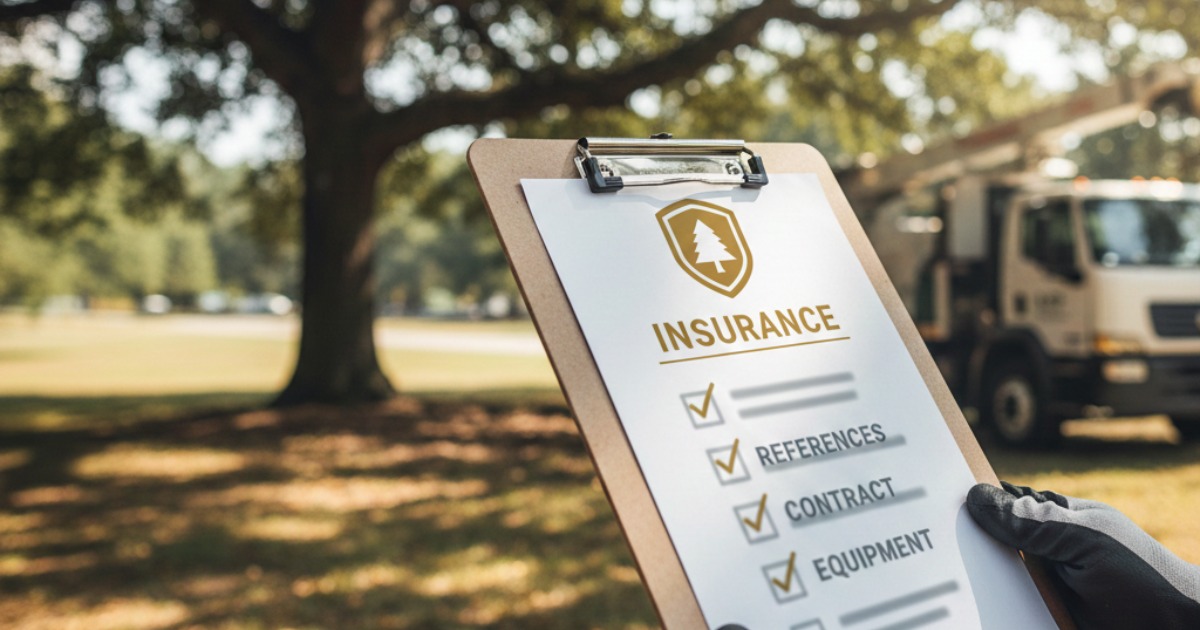
    Most homeowners do not hire a tree service every day. Trees are big, heavy, and unpredictable, and working on them is one of the most dangerous jobs in the home service industry. That is why it is important to always check insurance before you allow any crews onto your property. An experienced, Fully Insured Tree Service is safer for your home, your yard, and your money.

    Price or availability is an important consideration when choosing a tree company, but insurance is the difference between a professional and a risky tree business. An understanding of insurance will help you make a wise, safe decision.

    Why Tree Work Is High Risk

    emergency tree removal troy NY

    Tree trimming, stump grinding, or removal involves chainsaws, heavy equipment, falling branches, and heavy lifting. Even experienced arborists are at risk each day. It is possible that even a minor error or unfortunate event can lead to serious injury and property destruction.

    If an accident happens and a company is not insured, the homeowner may be liable. Medical bills, legal fees, and repair costs can quickly add up. In this respect, it is not optional to work with a Fully Insured Tree Service; it is absolutely necessary.

    What “Fully Insured” Really Means

    The phrase “fully insured” should never be accepted at face value. It means that both clients and workers are protected through multiple types of coverage carried by the company. These policies are designed to cover injuries, accidents, and unexpected damage.

    A professional tree company should be able to show proof of insurance upon request. If a firm avoids the topic or answers vaguely, that is a red flag. Insurance transparency is a sign of professionalism and responsibility.

    Workers’ Compensation and Why It Matters in New York

    Workers’ compensation insurance is one of the most important types of coverage. This is not just a good idea; in New York it is the law. Tree Service Workers’ Comp New York coverage ensures that if a worker is injured on your property, the employer pays for medical care and lost wages, not the homeowner.

    Without this insurance, you could be liable for job-related injuries. This can cause a lawsuit or a claim against your homeowner’s insurance. Hiring a company with proper Tree Service Workers Comp New York coverage helps protect you from these costly situations.

    More information on workers’ compensation regulations can be found at http://www.wcb.ny.gov/.

    Property Damage Is More Common Than You Think

    Even the best arborists cannot control everything. Tree work can be affected by weather, hidden decay, or unstable branches. A falling limb can strike a roof, fence, car, or power line in seconds.

    This is where Property damage insurance for arborists becomes a vital necessity. This coverage pays for repairs if your property is damaged during the job. Without it, you may have to pay out of pocket or face a long legal process to recover costs.

    Local Knowledge and Insurance Go Hand in Hand

    Hiring a local company has many benefits, especially when it comes to understanding regulations, weather patterns, and tree species. Local for Insured Tree Removal Troy NY is a further layer of protection you want to take advantage of.

    Local experts are also familiar with the threats specific to Troy, such as storm damage, decaying trees, and tight housing. Experience in the local community, along with insurance, gives service longevity and responsibility.

    The Role of a Licensed Arborist

    Tree care is about more than branch cutting. A trained arborist knows tree health, structure, and long-term security. By hiring a Licensed Arborist Troy NY you will be able to ensure that your trees are being treated correctly and responsibly.

    Licensing indicates the arborist has proper training and experience. When a license is combined with full insurance, it means that the firm is a firm believer in safety and quality. A Licensed Arborist Troy NY can also help you decide whether a tree should be removed, trimmed, or preserved.

    How Insurance Protects Homeowners

    Insurance is not only for worst-case situations. It provides peace of mind from the moment the crew arrives until the job is completed. Knowing you are working with a Fully Insured Tree Service allows you to feel confident throughout the process.

    If an accident occurs, you do not have to manage medical bills or repair costs yourself. Everything is handled through proper insurance channels. This protection is especially valuable for homeowners who care about time, money, and safety.

    Cheap Tree Services Can Be Very Expensive

    Uninsured or underinsured tree services often offer lower prices. While this may seem appealing, it comes with serious risks. A single accident can turn small savings into major financial loss.

    Professional insurance costs money, and responsible companies include that cost in their pricing. Foremost in safety is the cost of paying for insured work. Insured Tree Removal Troy NY services help to reduce unwanted costs and worry.

    Asking the Right Questions Before Hiring

    Ask for insurance proof prior to hiring a tree service. This should include workers’ compensation and liability insurance. A reliable company will gladly provide documentation and policies.

    Taking a few minutes to verify insurance can save you years of trouble. A trustworthy, Fully Insured Tree Service will respect and support your careful approach.

    FAQ

    Why is a Fully Insured Tree Service necessary?

    Fully Insured Tree Service also protects homeowners against workers’ injuries or property damage from tree work.

    Is Tree Service Workers Comp New York required by law?

    Yes, Tree Service Workers Comp New York coverage is legally required and protects both workers and homeowners from financial loss.

    What is property damage insurance?

    Property damage insurance for arborists provides coverage for repair costs that result from tree care services that damage your home, fence, and other properties.

    Should I hire a licensed arborist for tree removal?

    The Licensed Arborist Troy NY service delivers proper tree care together with safety standards and professional tree service expertise.

    Why choose a locally insured tree service in Troy?

    Insured Tree Removal Troy NY professionals use their knowledge of local conditions to deliver trustworthy services that include complete protection for their work.

    For safe, professional, and fully insured tree care, call KD Tree Service Albany NY today, (518) 625-8733.

  • Understanding Tree Service Costs in Albany

    Understanding Tree Service Costs in Albany

    Albany serves as more than just the capital of New York. It’s a city where nature and history coexist peacefully. This city is a unique place to call home because of its tree-lined streets, quaint neighborhoods, and breathtaking scenery throughout the year. 

    The properties in Pine Hills, Center Square, or near Loudonville are graced with trees that provide residents with refreshing shade and add character, peace, and even financial value to the property.  

    KD Tree Services appreciates the importance of caring for these trees. We aim to help you plan and protect your landscape by eliminating unnecessary stress and explaining tree service prices in Albany.  Understanding tree service costs in Albany helps residents budget accurately, preventing unexpected expenses. Here at KD Tree Services, we provide answers. You will learn the specifics about the prices of tree services, the factors that affect them, and great tips that will minimize costs on your property. There are no tricks: just straightforward answers and dependable service.

    How much does tree service cost in Albany?

    How much does tree service cost in Albany?

    Average prices

    Tree removal: The pricing typically ranges from $300 to $2,500 

    Trimming and pruning: They usually charge between $150 and $800 for their services.

    Stump grinding: The cost ranges from around $75 to $500.

    Emergency Tree Care: Prices typically range from $500 to $3,000 or more.

    Arborist Consultation: A range of $100 to $300 would be a typical example.

    Note: These are average prices based on local data

    Factors that affect Tree service costs

    Factors that affect Tree service costs


    Tree Removal Pricing Factors

    Removing a tree is among the most challenging and expensive aspects of caring for trees. The end price depends on many variables.

    Larger trees mean more work, bigger vehicles, and more effort. Big trees take more time and money to remove safely.

    If a tree is diseased, has died, or has structural problems, it’s tougher to predict during removal. These trees often require more caution, slower work, and added safety measures, all of which raise the tree removal pricing.

    Trees by or above buildings, fences, gardens, or power lines may call for professional cutting tools or may be cut safely by hand. When cranes are required or the area is difficult to access, the job becomes technical and will cost more.

    Tree Trimming & Pruning Pricing Factors

    Tree Trimming & Pruning Pricing Factors

    Trimming and pruning play a key role in tree maintenance expenses, especially when done preventively. 

    For small ornamental trees, pruning is much more convenient because they are not too big. Trees that are older or larger may need a person to climb up, wear special gear, or use a bucket truck.

    A higher number of trees needs more time and effort, but you may find that servicing them together gets you a lower fee per tree.

    Some trees (such as maples and elms) have complex structures with numerous branches, so it takes more time to remove the excess growth.

    Well-pruned trees need less work and cost less to maintain than trees with many overgrown or dead branches. Trimming your tree regularly reduces the risk of major problems, such as falling branches or illness, which can become expensive.

    Stump Grinding Pricing Factors

    Stump Grinding Pricing Factors

    Whenever a tree is removed, stump grinding is usually done at the same time. That is a good question. Let’s examine what factors can influence the price.

    If the stump is large and the roots go deep or spread out, it demands high-quality equipment and takes longer to get rid of.

    Grinding down hardwoods is slower and more labor-intensive, which affects the cost of the process.

    Sometimes, the presence of nearby utilities, home foundations, or garden features necessitates that the removal job be carried out with caution and greater care.

    If you remove the stump, your area will become cleaner and safer, and it will also stop pests from entering and the stump from regrowing.

    Tree Emergency Pricing Factors

    Tree Emergency Pricing Factors

    Storms, strong winds, and snow can cause large trees or branches to fall unexpectedly. Emergency tree service tends to cost more, but this is not due to charging extra for work; it’s for other reasons.

    A Quick Response Is Needed: The task must be addressed immediately, and sometimes the team needs to respond even on weekends or after hours.

    Trees damaged in storms might be difficult to predict, caught up in power lines, or leaning on something else. When these situations occur, it takes experts and sometimes additional support.

    Workers on emergency jobs may need cranes, rigging, or chainsaw units to complete their duties safely and efficiently when the situation is urgent.

    Speed and security are valued, so the prices reflect the value of protecting your home or business, but they are a significant consideration.

    Arborist Fee Pricing Factors

    Arborist Fee Pricing Factors

    A certified arborist will see tree problems that may escape the notice of most homeowners. People often think of tree services as only trimming and cutting, but an arborist can stop you from having to remove trees that don’t need to be taken down.

    These are the things that determine how much arborist services cost:

    Evaluation: A simple check-up can be done quickly and has a limited scope. To carry out assessments to their full extent, experts need to review reports and develop detailed plans, which requires additional knowledge and effort.

    If your property has lots of trees (especially for businesses or forests), the arborist might base their fee on how many trees they inspect.

    Special Needs: Want to get a tree risk evaluation, make an insurance claim, or ask for another expert opinion after a storm? Writing these reports requires additional time and generates more paperwork.

    ISA-certified arborists visit the site with their professional certifications, utilize specialized mapping tools, and bring diagnostic equipment, all of which add value to their work.

    Inspection by a professional means you’re prepared and avoid extra costs down the road. This is the best way to get educated about your care, possible signs of trouble, and your future health.

    Waste Disposal Pricing Factors

    Tree companies might not always remove the debris themselves; sometimes, they will ask you to take care of it yourself. Often, KD Tree services involve clearing debris, chipping large branches, and cleaning the site where work was done.

    Still, this part of the profession may play a role in setting pricing depending on:

    Less Cleanup: Removing just some branches leaves far less clutter than removing the whole tree.

    When planning to chip for mulch or move logs elsewhere, the methods selected can determine the length of cleanup and whether more gear may be needed.

    Having a professional assess your trees helps you avoid reactive expenses. It’s also the best way to ensure you’re making informed decisions about care, removals, and long-term health.

    Cabling and Bracing

    The main purpose of cabling and bracing in arboriculture is to give support to weak branches or limbs. Cabling uses flexible steel cables between the branches or the branch and the trunk to ease some of the weight, and bracing uses firm rods or supports to give the tree a direct structure to rely on. According to the job, prices may vary.

    Things to Remember About Trees and Seasons

    Things to Remember About Trees and Seasons

    Good care for trees depends a lot on timing.

    Pruning and trimming in Spring and Summer are recommended during the trees’ growth period.

    In fall, plant new trees and look after your current trees to prepare them for lower winter temperatures.

    Winter is the best season to remove trees because they are not actively growing or using energy at this time.

    KD Tree Services look after every aspect of the job from the start until the finish at KD Tree Services. A professional and thoroughly insured crew ensures:

    Every project is completed using professional equipment and safe methods to ensure our clients’ security.

    According to the International Society of Arboriculture, looked-after trees on a property add value and make the area safer. For this reason, properly licensed contractors should be used; avoiding costs might end up being more detrimental than beneficial.

    Get a free estimation.

    Contact KD Tree Service Company for Expert Tree Services.

    FAQ

    What is the cost of removing a tree in Albany?

    The cost can vary depending on the complexity and size of the job. You can determine the exact cost by obtaining a quote or estimate.

    What does it usually cost to have a stump ground in Albany?

    Expenses for stump removal start from $75 and go up to $500, depending on the size and depth of the roots.

    Is an arborist necessary for conducting a tree inspection?

    Yes. You don’t usually have to pay much for an arborist, and their tips help you avoid spending more in the future on serious repairs or removals.

    Does paying for emergency services cost more than standard care?

    Yes, because of the need for workers, equipment, and speed.

    Get a Free Estimate
  • Preventing Tree Damage in Waterford’s Snowy Winters

    Preventing Tree Damage in Waterford’s Snowy Winters

    Waterford, Pennsylvania, experiences beautiful snowfall and icy mornings as winter arrives. The trees that border our yards and streets frequently resemble postcards. However, that beauty belies a very real danger: if you’re not ready, snow damage to trees Waterford can become a major issue.

    Taking action for Tree protection Waterford is one of the best things you can do to protect your property and landscape.


    The Importance of Winter Tree Protection in Waterford

    The Importance of Winter Tree Protection in Waterford

    Trees in Waterford may have a difficult winter. Branches are under a lot of strain from heavy snow, freezing rain, and freezing winds. 

    Trees may split or fall entirely when too much weight accumulates, or branches may fracture or break off. In addition to harming your landscape, this type of destruction endangers your family, home, and cars.

    Tree safety Waterford is crucial for this reason.

    Tree safety Waterford is crucial for this reason.

    Before winter sets in, take the time to do Tree care Waterford.  Every little step counts, whether it’s strengthening young trees, pruning weak branches, or looking for disease symptoms.

    It’s a good idea to contact an Arborist snow services Waterford if you’re not sure what your trees require. Expert arborists can evaluate your trees’ condition and offer advice on how to get them ready for the upcoming growing season.

    Preventing tree damage in Waterford snowy winters

    Preventing tree damage in Waterford snowy winters

    During the winter, safety is always the first concern. These easy steps can enhance Storm preparation trees Waterford and aid in Property safety trees Waterford:

    In cold weather, avoid parking beneath huge or overhanging tree branches.

    Stay away from trees that are covered with snow.

    Look for branches that appear to be drooping or about to snap.

    After every major snowstorm or ice storm, check on your trees.

    Keep an eye on trees over time because damage isn’t always visible right away.

    Which Is Worse, Summer or Winter, for Animal Damage to Trees?

    Which Is Worse, Summer or Winter, for Animal Damage to Trees?

     It’s crucial to think about the possibility of small animals posing a threat in addition to the damage that the weather may do to trees. Food becomes scarce throughout the winter, to the point where small animals, such as mice and rabbits, may rely on tree bark for survival. Since there is always plenty of food in the summer, this is usually not an issue.

    Animals are more inclined to harm trees in the winter because of this disparity in the food supply. Bugs and other insects are perhaps the largest issue to worry about in the summer.

    Tree safety tips for Waterford homeowners

    Tree safety tips for Waterford homeowners

    Winter tree care requires more than simply band-aid solutions. It is a component of a year-round tree health program that Tree Health Waterford can rely on to maintain the condition of their yards.

    Examine and trim before winter arrives.

    Put mulch on it.

    Safeguard young trees or trees that have just been planted.

    In winter, keep an eye out for significant snowfall or ice accumulation.

    Use an upward broom motion to gently remove the snow.

    Avoid shaking frozen branches, as this could result in further harm.

    After Winter: Check for symptoms of illness or winter burn

    Cut off any limbs that didn’t make it.

    If necessary, begin fertilizing.

    This type of consistent Tree maintenance Waterford also helps avoid problems that could result in the need for Emergency tree services Waterford following storms.

    Tree care services for snowy Waterford areas

    Tree care services for snowy Waterford areas

    A qualified arborist can provide you with a definitive response if you’re not sure if your trees are prepared for winter. Using a thorough tree protection checklist, they will examine the tree’s roots, trunk, limbs, and canopy to identify any potential hazards.

    By seeing issues early, working with an arborist can ultimately save you money. Additionally, they provide a storm tree safety guide that is specific to the area, which is quite beneficial during Waterford’s unpredictable winters.

    Why we recommend expert help for Tree protection Waterford PA

    Why we recommend expert help for Tree protection Waterford PA

    Although many people consider solving these problems on their own, doing so can occasionally be risky. We strongly suggest that you contact an expert for an evaluation if you’re dealing with a big, damaged tree.

    Tree accidents frequently happen after a storm has passed, despite the fact that many people believe they happen during a storm.

    Just because the storm has gone and your tree is still standing doesn’t mean you are safe or in the clear. It’s possible that there are now hidden tree problems.

    FAQ

    1. Why is it crucial for Waterford trees to prepare for storms?

    An effective storm preparedness plan for trees in Waterford reduces the possibility of injury, home damage, and falling limbs. Trees that are prepared in advance are better able to withstand snow, ice, and severe winds.

    2. When is the right time to hire a qualified arborist?

    Hire an arborist for seasonal inspections, pruning, and reliable, knowledgeable tree care advice for Waterford homes, particularly before or after severe winter conditions.

    3. Are there any safety guidelines for trees in my driveway or close to my house?

    Of course. In severe weather, avoid parking or standing close to large branches. To keep your area safe, use a tree protection checklist and a storm tree safety guide every season.

    Make an Appointment With KD Tree Services Today

    Do you still have concerns about how to prepare your trees for winter? Do you want to know what species of trees you should plant and how likely they are to survive the winter? These and many more inquiries can be answered with KD Tree Services. We offer everything from tree removal and stump grinding to pruning and inspection. In addition, we are a well-experienced company that is recognized for providing top-notch services. 


    Get in touch with us right now to schedule your consultation if you need any tree-related work done (518) 625-TREE.

    Get a Free Estimate