[email protected] ⚡ Same-day emergency available

Category: Tree Care Tips & Advice

  • Eco-Friendly Tree Care: Sustainable Practices for a Healthier Landscape

    Eco-Friendly Tree Care: Sustainable Practices for a Healthier Landscape

    Nowadays, most people are looking to create their own garden, and many of them aim to build a healthier and greener landscape. 

    The best part is that most people love to do this in a sustainable and healthier way supporting both their personal finances and, at the same time, contributing to the ecosystem and biodiversity. 

    The main practices they use reduce chemical usage, conserve resources, and support long-term ecosystem health. That’s where eco-friendly tree services come into play.

    In this blog, we’re going to discuss why adopting eco-conscious tree care is important, how you can do it, and we’ll guide you on how to choose the right eco-friendly tree service as well. So let’s check out what we have for you.

    Why Hiring a Certified Arborist Matters
    What Are Eco-Friendly Tree Services?

    What is the definition of Eco-Friendly Tree Services? Let’s find that out first. 

    If you are looking for tree care practices that prioritize the health of the environment while maintaining a healthy, green, and vibrant tree yard and the surrounding ecosystem, then it can be called Eco-Friendly Tree Services.

    Usually, that kind of tree service mainly focuses on low-impact techniques. They use biodegradable or organic materials, and all of the methods they apply support the local ecosystem.

    One of the most important practices of Eco-Friendly Tree Services is organic tree care, which includes using compost, natural pest repellents, and soil enhancers instead of synthetic fertilizers and pesticides.

    Key Components of Sustainable Tree Care
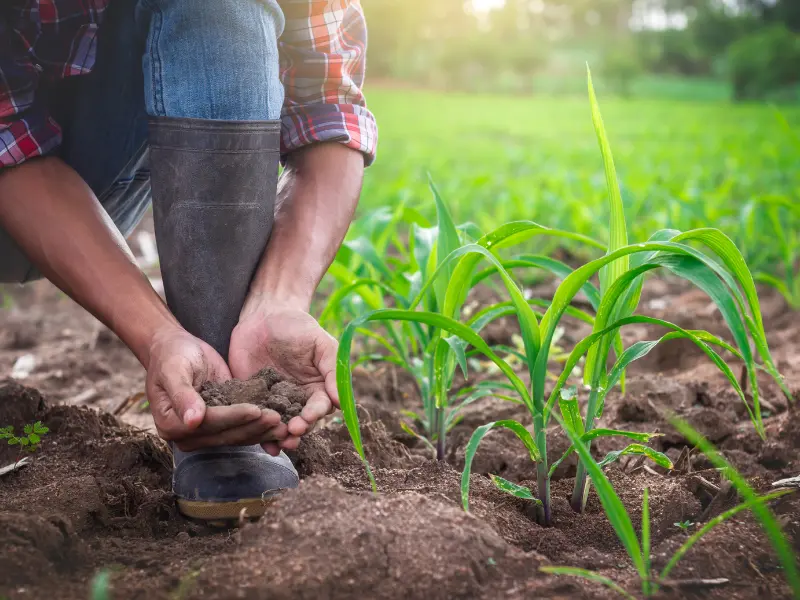
    Key Components of Sustainable Tree Care

    Simply put, sustainable tree care means practices that nurture trees while preserving natural resources. One key element of sustainable tree care is the use of mulch, compost, and organic fertilizers. 

    They help retain soil moisture, suppress weeds, and improve soil health. So, yard owners do not need to use harmful chemicals anymore.

    The next key component of sustainable tree care is water conservation. When we are talking about water conservation, we can’t forget about drip irrigation. Using rain barrels is also one of the most popular methods for water conservation. 

    Especially in dry seasons, these sustainable methods help trees thrive naturally. And we can’t forget about organic tree treatments, commonly used for pest control and disease management solutions. 

    With these solutions, we can avoid synthetic chemicals, and they are beneficial for both insects and nearby vegetation.

    Benefits of Green Landscaping and Organic Tree Care
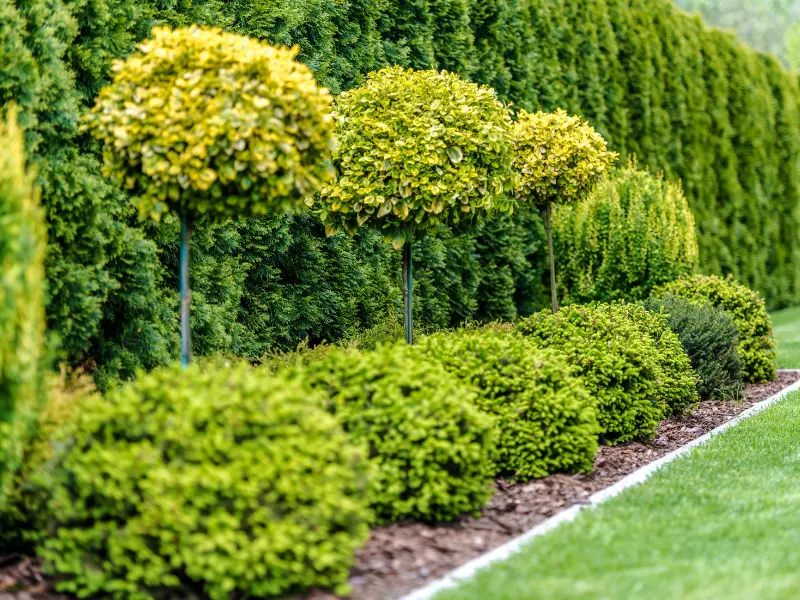
    Benefits of Green Landscaping and Organic Tree Care

    Green landscaping and organic tree care helps the environment as well the concerned property in various ways. Perhaps the best benefit is minimized pollution and use of harmful chemicals. 

    Not using pesticides or fertilizer aids in soil, water, and wildlife health thus decreasing pollution in general as is the case with sustainable landscaping.

    On the other hand, considering the economy, these eco-friendly practices can help in cost saving in the long run. Well maintained healthy trees spend less water and need less maintenance over time. 

    Also, naturally flourishing landscapes can bring considerable increases to property value which can be attractive for potential buyers.

    There are also clear aesthetic benefits. With no chemicals harming trees and plants, they tend to grow more resulting in a beautiful and vibrant space outside. 

    These practices can be adopted by property managers and homeowners if they wish to promote a sustainable environment and visual beauty towards a healthier ecosystem.

    Environmentally Friendly Tree Removal: When and How
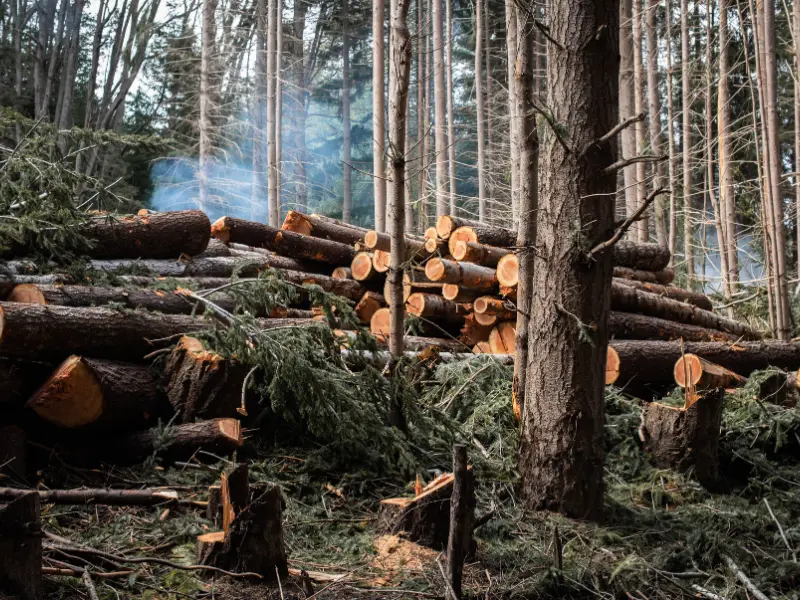
    Environmentally Friendly Tree Removal: When and How

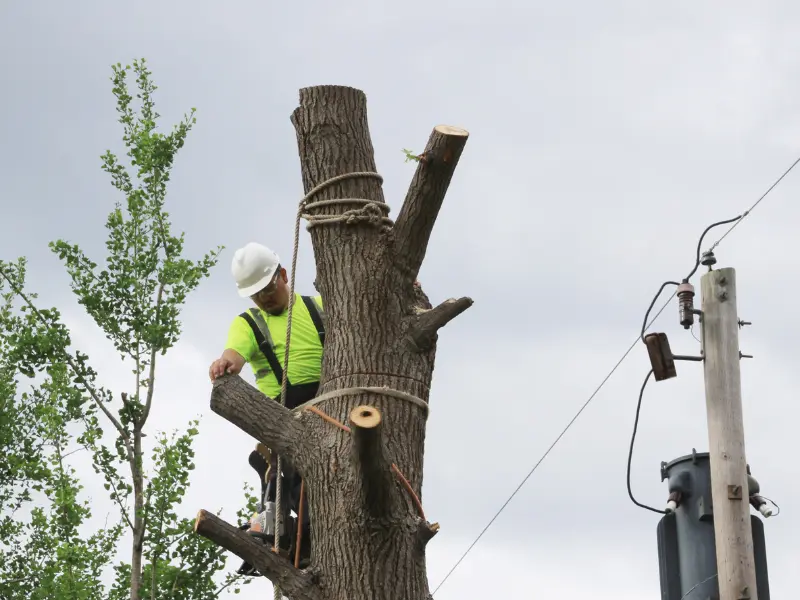
    Sometimes, tree removal becomes necessary, for instance, when a tree is dead, diseased beyond recovery, poses a safety risk, or interferes with property structures. However, even in these cases, it’s important to approach the process with care. 

    Environmentally friendly tree removal focuses on minimizing harm to the surrounding ecosystem while safely handling the tree. Modern environmentally friendly tree removal methods include using low-impact equipment that reduces soil compaction and damage to nearby vegetation. 

    Many services also prioritize wood recycling by turning removed trees into mulch, lumber, or compost rather than sending them to landfills. When choosing environmentally friendly tree removal services, look for professionals who actively work to preserve nearby plant life and minimize disruption to wildlife habitats. 

    These services ensure the job gets done safely, responsibly, and with respect for nature making them an ideal choice for eco-conscious homeowners and property managers alike.

    In this blog, we’ve included all the details about “The Importance of Professional Tree Removal for Property Safety.” Feel free to review it for more information.

    Finding an Eco-Conscious Arborist
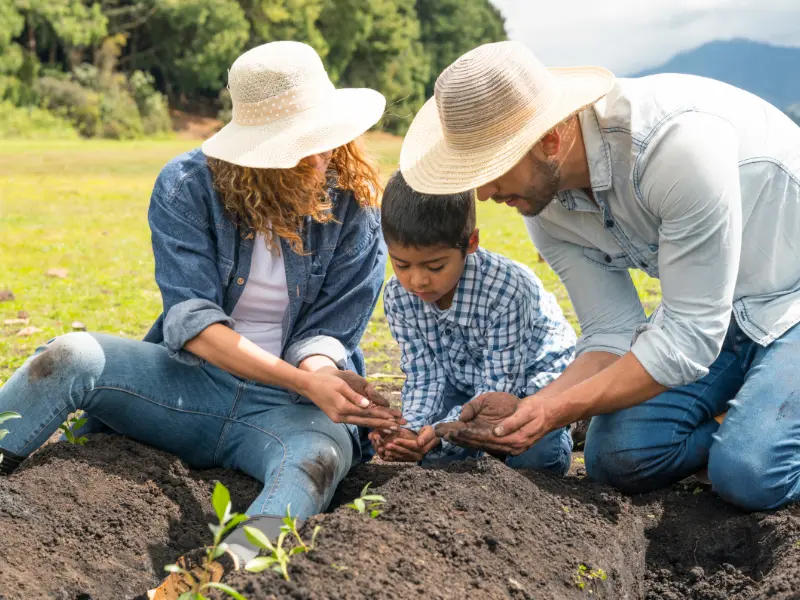
    Finding an Eco-Conscious Arborist

    Hiring a certified professional with a green approach is essential for maintaining your trees responsibly. An eco-conscious arborist understands the balance between proper tree care and protecting the environment. 

    When searching for one, ask about their experience with organic tree care practices near me, whether they use chemical-free treatments, and how they manage waste.

    Look for someone who specializes in green tree maintenance and stays up to date with sustainable practices. Choosing the right expert ensures you’re getting reliable and eco-friendly tree services that prioritize both tree health and environmental well-being.

    In this blog, How to Choose a Certified Arborist for Your Tree Care Needs, we’ve gathered all the information you need to find the most suitable one. Don’t forget to read it as well!

    DIY Tips for Homeowners

    Homeowners can make a big difference by adopting simple, sustainable practices in their yards. Start with mulching around trees to retain moisture and prevent weed growth. Regular pruning encourages healthy tree structure, while natural compost feeds the soil without harmful additives. 

    Reducing chemical usage is essential for protecting local wildlife and water systems. By using organic tree treatments and natural fertilizers, you’ll support tree health in a safer, greener way. 

    These easy actions reflect the core of eco-friendly tree services for homeowners. Incorporating eco-friendly tree services into your routine ensures a thriving landscape and a cleaner environment.

    So, as a garden owner, if you need to find professional eco-friendly tree services near you, we have a great recommendation for you.

    KD Tree Service – Professional Tree Care You Can Count On

    At KD Tree Service, we’re committed to keeping your landscape safe, healthy, and beautiful most importantly, through sustainable practices all at a price that fits your budget. 

    With over 14 years of experience in the industry, we proudly offer expert tree care solutions for both residential and commercial properties. Whether you need regular maintenance or fast emergency tree removal, our skilled team delivers dependable, top-quality service that homeowners and businesses across the USA trust.

    So, for your sustainable and eco-friendly solutions to commercial needs, KD Tree Service is here for you. Don’t wait contact them at (518) 625-TREE or visit kdtreeservices.com.
    Make your green yard safe and help it thrive. Contact us today.

    Get a Free Estimate
  • Tree Cabling and Bracing: When Do Your Trees Need Support?

    Tree Cabling and Bracing: When Do Your Trees Need Support?

    Trees provide shade, aesthetic appeal, and environmental advantages, making them a vital component of any landscape. However, even the strongest trees occasionally require a bit of extra support to survive the weather and any structural difficulties they might come across. This is when bracing and tree cabling are useful. These methods can often be the most effective for keeping trees standing up, safe, and healthy.

    Let’s go into greater detail about what tree cabling and bracing mean, why they’re necessary, and how these methods can help your trees last longer. 

    What is tree cabling and bracing, and how does it work?

    Arborist tree cabling and bracing services employ tree support systems like tree cabling and bracing to strengthen weak or sensitive branches and trunks, preventing damage or possible failure.

    How tree cabling helps with stability

    How tree cabling helps with stability

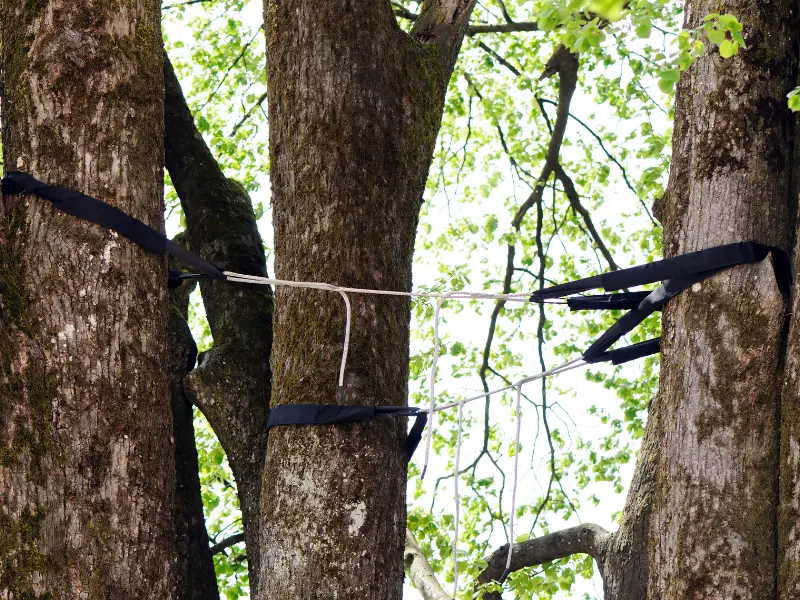
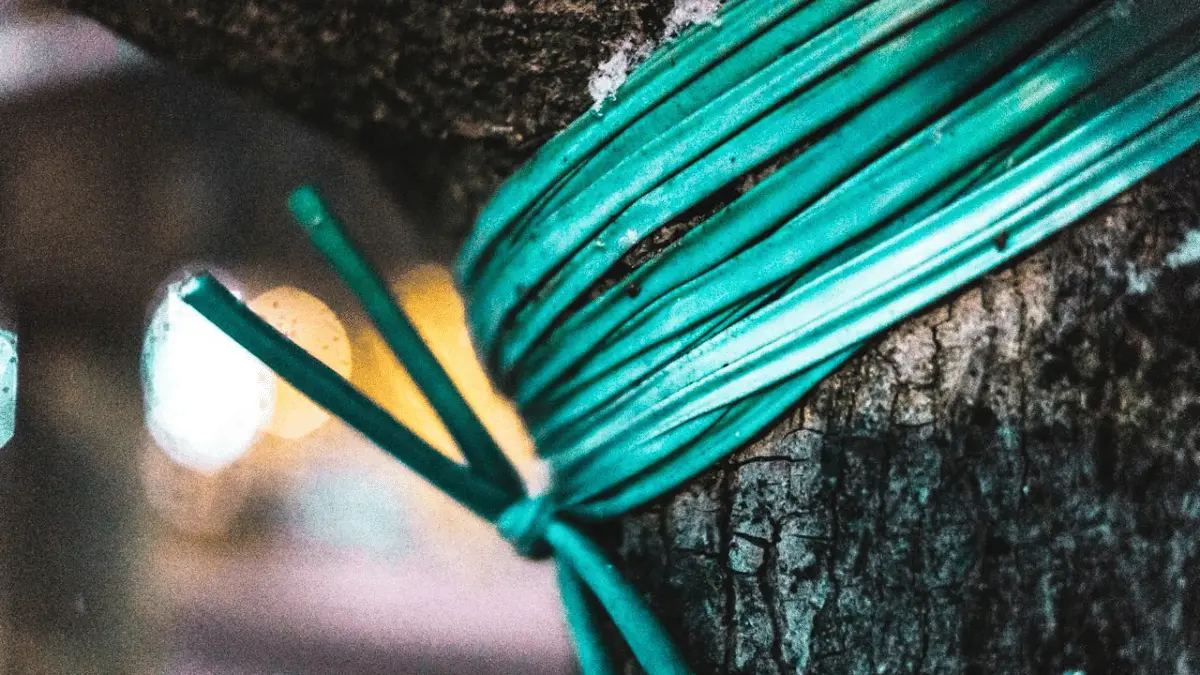
    Installing flexible cables in a tree’s upper canopy to prevent branch movement is known as cabling. Cabling redistributes the pressure, reducing the likelihood that weaker limbs would break under their weight of snow and ice or due to strong winds.

    Tree bracing for structural support.

    Bracing strengthens a tree’s weak spots, like a broken trunk or a branch bearing a lot of weight, by using steel rods. In order to stop more splitting or breaking, braces are usually positioned closer to the tree’s weak spot, lower in the tree.

    Both Tree cabling and bracing techniques aim to minimize the chance of structural failure while preserving the tree’s natural shape to the highest degree attainable.

    When should you use tree cabling and bracing for support?

    While cabling and bracing trees are not necessary for every tree, there are some situations during which they have a major effect on a tree’s stability and lifespan.

    Signs your tree needs cabling and bracing

    Signs your tree needs cabling and bracing

    Weak Branch Unions: Some trees develop a “V” shape, in which a trunk and a branch or two branches meet at a sharp angle. This may lead to a weak point that eventually cracks under the weight of the tree or outside forces. Stress at those union points might be minimized via cabling.

    Heavy or Overextended Branches: Sometimes, mature trees grow branches that extend greatly from the main trunk. Wind, snow, or simply their own weight could trigger these branches to break. Cabling adds support to these branches, allowing them to develop safely.

    Damage Recovery: Bracing can provide crucial support as a tree heals from a crack or break in the trunk or a large branch. A major split or fractured trunk is a serious structural problem, and bracing can stop more damage or failure.

    Multi-stemmed Trees: As they get older, some trees, such as maples and birches, may become unstable due to their many stems. The stems are secured by cabling and bracing, allowing them to grow together harmoniously without competing for structural superiority.

    High-Stress Environments: Extra-structural assistance may be helpful to trees in regions with high winds, a lot of snowfall, or high foot activity around their root zone.

    The benefits of tree cabling and bracing for weak trees

    The benefits of tree cabling and bracing for weak trees

    Stops Branch and Trunk Failure: By securing slender limbs and lowering their likelihood of breaking, cabling and bracing can prevent serious harm to the tree.

    Increases Tree Lifespan: These methods help trees grow longer and healthier by strengthening their weak spots, which will benefit the landscape for many years to come.

    Protects Neighbouring Property and Persons: Trees with weak branches could danger to neighbouring persons, structures, or automobiles. Bracing and cabling lessen these risks.

    Supports Natural Growth: Cabling and bracing retain the tree’s natural structure and aesthetic value without cutting off big branches or changing the tree’s shape.

    Arborist tree cabling and bracing services

    Arborist tree cabling and bracing services

    Tree cabling and bracing should always be done by a qualified arborist. In fact, improper installation may damage the tree or not give it enough support. The general steps in the procedure are as follows:

    Assessment: An arborist looks at the tree’s structure, vulnerabilities, and stress spots first.

    Installation: Bolts fastened to the limbs are used to put wires high in the canopy. Steel rods are put through the trunk or branches’ weak spots for bracing in order to keep them from splitting.

    Maintenance and Inspection: As the tree gets bigger, it’s important to periodically check the braces and wires. Over time, modifications can be required to guarantee the tree keeps getting enough support while being restricted.

    Investigating tree health support with cabling and bracing

    Investigating tree health support with cabling and bracing

    To make sure cables and braces maintain the tree structural support systems

    in an efficient manner after they are installed, routine inspections are necessary. Tree development and alteration over time can have an impact on brace location and cable tension. Through inspections, arborists can make necessary adjustments to the equipment, averting possible issues and guaranteeing the system keeps operating at its best. 

    Here’s why it’s so crucial to regularly inspect the bracing and cabling:

    Here's why it's so crucial to regularly inspect the bracing and cabling:

    Tracking Tree Development: As trees get bigger, they surround the supports and wires with more wood. This expansion may cause the cables to become misaligned or increase the strain on the bracing. Arborists can prevent the hardware from becoming entrenched in the tree or stressing out new growth by making the required adjustments during routine inspections.

    Preventing Hardware Failure: Braces and cables are vulnerable to deterioration over time, just like any other structural support system. Inspections lower the chance of failure during storms or heavy winds by ensuring that the hardware stays sturdy and secure.

    Finding New Weak Points: As they mature, trees undergo ongoing change because they are living things. A tree may develop new weak spots or structural issues that require further support even with cables and braces. An arborist can evaluate the tree as a whole during an examination, spot any new dangers, and suggest additional care if necessary.

    Maintaining Long-Term Efficiency: Although well-maintained cables and braces can endure for many years, they could occasionally require changes to continue working properly. Frequent checks maintain the system’s functionality and guarantee that the tree will continue to gain from the assistance without experiencing any negative consequences.

    Safety for the Environment: Trees with bracing and wires are frequently seen close to buildings, walkways, or places where people congregate. Frequent inspections guarantee that the system stays safe, lowering the risk to nearby people and property.

    For mature trees with a lot of cabling and bracing, a licensed arborist’s annual check is advised. To make sure the system is still functional and intact after a strong storm or other weather event, a follow-up examination is advised.

    When partnered with routine maintenance, tree bracing and cabling can give trees the vital support they need to remain strong and secure for many years. To safeguard your tree and the surrounding environment, make sure to arrange regular inspections with a certified arborist if your tree has wires or bracing. This proactive strategy ensures the safety and longevity of the tree while reducing risks and maintaining a healthy landscape. Our goal at KD Tree Services is to provide expert, efficient, and trustworthy tree care. Please feel free to call us if you need a tree cable or brace evaluated or if you have questions regarding a tree.

    Get a Free Estimate