[email protected] ⚡ Same-day emergency available

Category: Tree Health & Care

  • can you Save a Storm Damaged Tree? Here’s What Experts Say

    can you Save a Storm Damaged Tree? Here’s What Experts Say

    First, we must inspect our trees to determine whether any damage has occurred as we begin the process of cleaning up our yards and landscapes after a Storm. There may be broken branches, uplifted roots, or even cracks that could cause problems later if not taken care of. By giving them the right care and helping them, we can make sure that our trees not only withstand this storm but also prepare for future ones.

    How tree cabling helps with stability

    Trees can take damage during a storm, giving the appearance that there is no future. It can cause serious limb damage or breakage. Additionally, it has the ability to rip or gouge the bark, as well as shred or peel the leaves off.

    However, a tree may not necessarily die from what seems to be fatal wounds. After being damaged by a storm, trees have an amazing ability to recover. This is called Storm-damaged tree recovery.
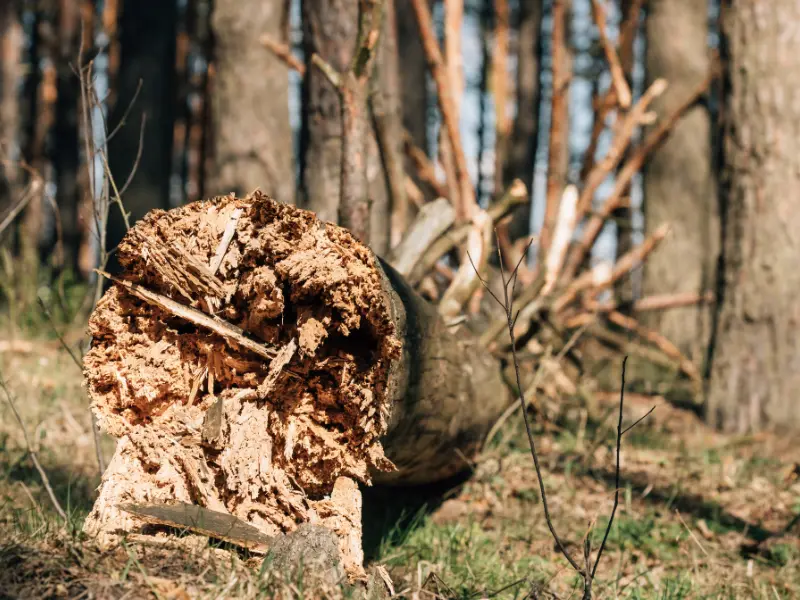
    Can storm-damaged trees be saved

    How to save a tree that’s been damaged by a storm

    Tree damage assessment after a storm

    Assessing a storm-damaged tree’s general health and vigour is the first stage in the process. Using first aid procedures right after the storm should help the tree recover if it is generally healthy and has not sustained significant structural damage. It’s important to keep an eye on the tree before applying fertilizer because damaged trees sometimes don’t respond well to nutritional treatments. The best course of action is to let the tree heal itself or seek guidance from an experienced arborist.

    The next crucial step is to determine whether the tree’s root system is stable and undamaged. The survival and recovery of the tree depend on an effective root system. The stability and health of the tree may be at risk if the roots are broken or exposed. In such instances, get advice from an experienced person to decide on the best course of action.

    Lastly, the loss of the leader, which is the main upward-trending branch on most trees, should be assessed. The loss of the leader may affect the tree’s ability to recover

    After assessing tree health after wind damage,
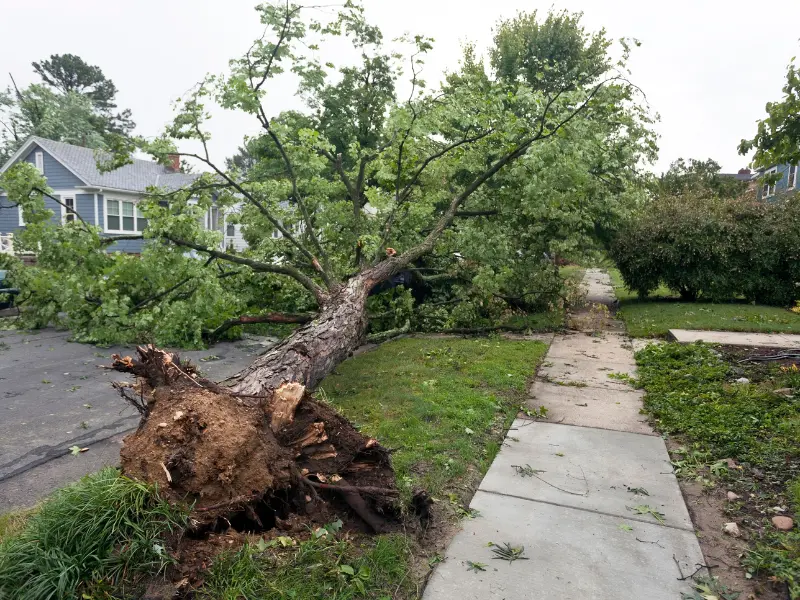
    How to save a tree that’s been damaged by a storm

    Steps to take to repair a storm-damaged tree

    1. Treat Trees After a Storm Damage

    The question that arises after deciding to Repairing trees after a storm, “Can I do the tree storm damage repair myself, or do I seek expert assistance?” 

    Hiring a trained specialist to complete the work can be preferable. However, if you are able to work and have experience with such equipments, you can do it.
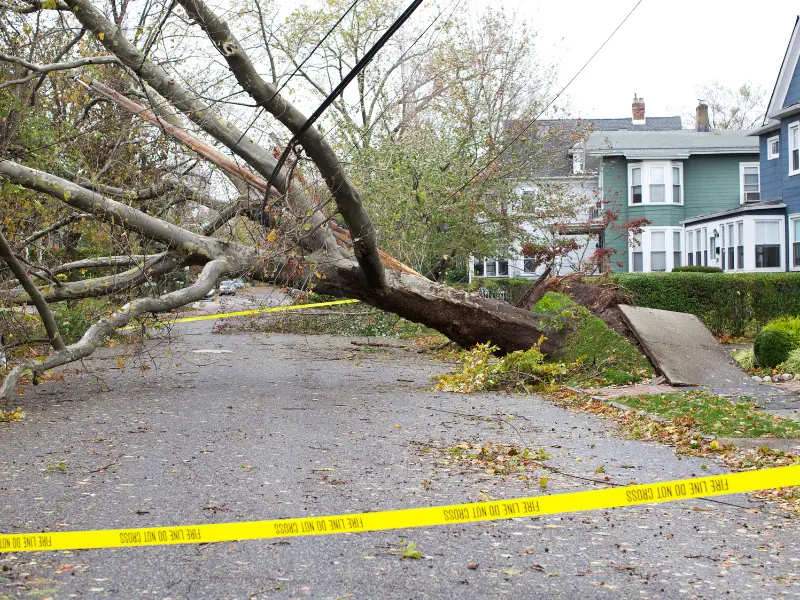
    1. Treat Trees After a Storm Damage

    2. Removal of Branches

    Pruning shears or a pole pruner can be used to trim branches that are smaller than three inches in diameter. A clean cut can be made with a sharp shear or pruner that is positioned precisely. Additionally, it reduces cleanup time by half and will not tear or break bark tissue.

    Larger branches should be cut off using a sharp saw. When using a power saw, you will also require a safety line and harness.

    The most efficient and safest method for cutting large branches is the 3-cut approach. This is due to the fact that they don’t further harm the tree. 

    If storm-damaged trees are not trimmed carefully, they may sprout excessively or lose entire branches. Additionally, it may cause more problems to arise in the future. This is because these sprouts are typically short-lived and poorly connected.
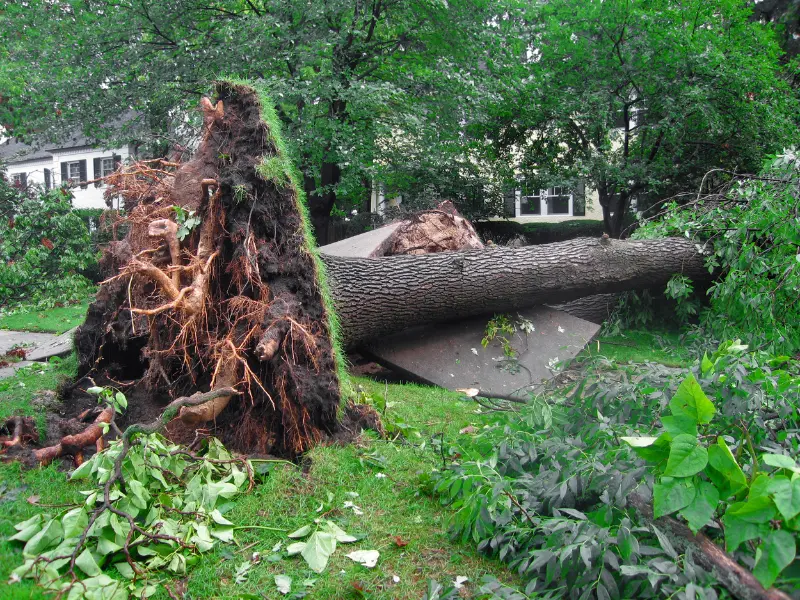
    Tree root damage from storms

    3. Torn Bark

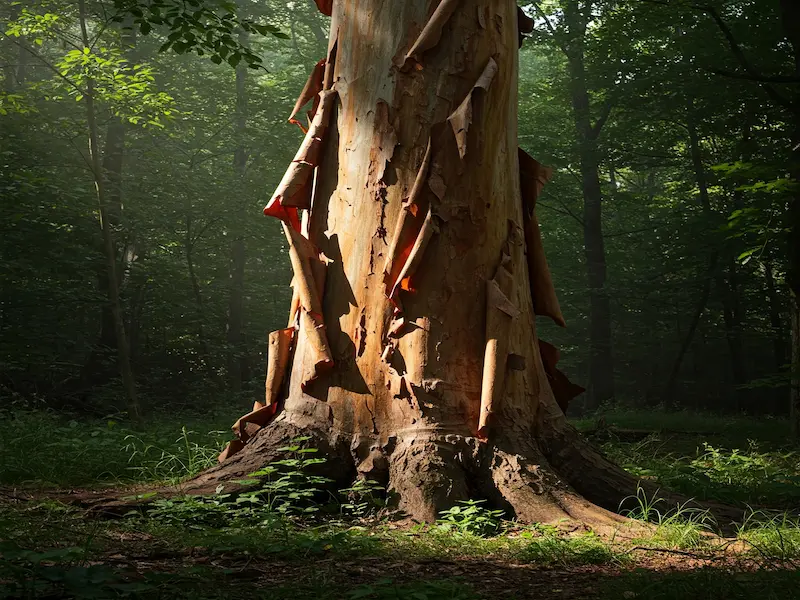
    In some cases, bark tearing occurs on large branches or the main stem. This is most frequent when lightning strikes trees.

    Trim every loose bark back to the region where it is connected. Avoid making deep cuts into the tree’s wood. This technique of bark-cutting is known as bark tracing.

    If possible, cut every bark incision into an oval shape. This will minimize the trace as much as possible. In large areas, this could be difficult. Additionally, this kind of bark pruning encourages quick healing with less wood decay.

    Trim every loose bark back to the region where it is connected. Avoid making deep cuts into the tree’s wood. This technique of bark-cutting is known as bark tracing.

    If possible, cut every bark incision into an oval shape. This will minimize the trace as much as possible. In large areas, this could be difficult. Additionally, this kind of bark pruning encourages quick healing with less wood decay
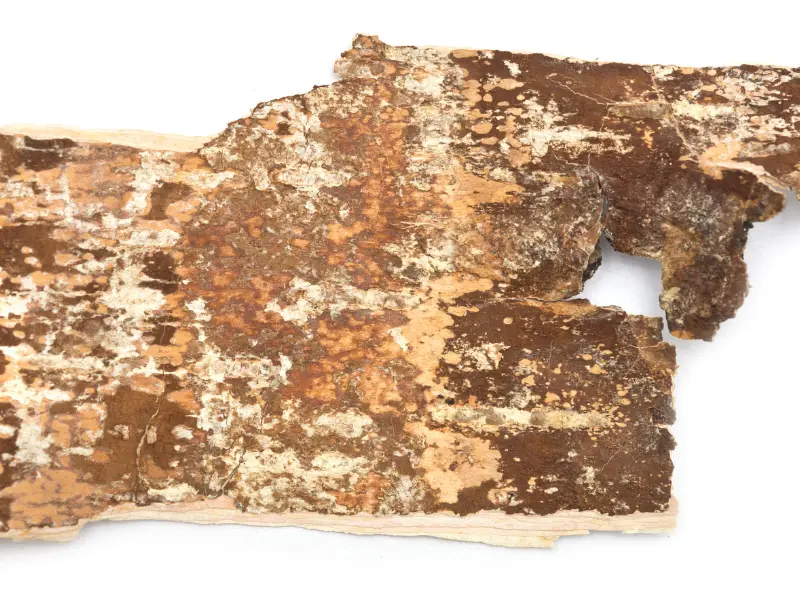
    Torn Bark

    4. Split Forks

    It is possible to fix some partially damaged forks or the main branches without having to cut off one or both branches. Most homeowners cannot complete this task unless they have prior experience.

    You can reassemble the divided pieces if the break is almost equal. After that, fasten them using a threaded screw rod and a wide-diameter steel bolt that are placed across the split area.

    Pulling the split together is the first step in the proper repair process. A small tackle, block, or winch can be used for this.

    Place them six to eight feet or more above the split to maximize leverage. Once the rod or bolt is in position, drill holes in both divided halves.

    Two or more bolts may be required for long split areas. In addition to the bolts, it is usually advantageous to place a steel cable between the split fork’s two main branches a few feet above the split.

    Attach the cable using lag screws to each branch. Eventually, the cable will girdle the branch if you wrap it around it. The purpose of this cable system is to hold the crotch together. It reduces the likelihood of more harm as a result.

    4. Split Forks 4. Split Forks 4. Split Forks 4. Split Forks

    5. Wound treatment

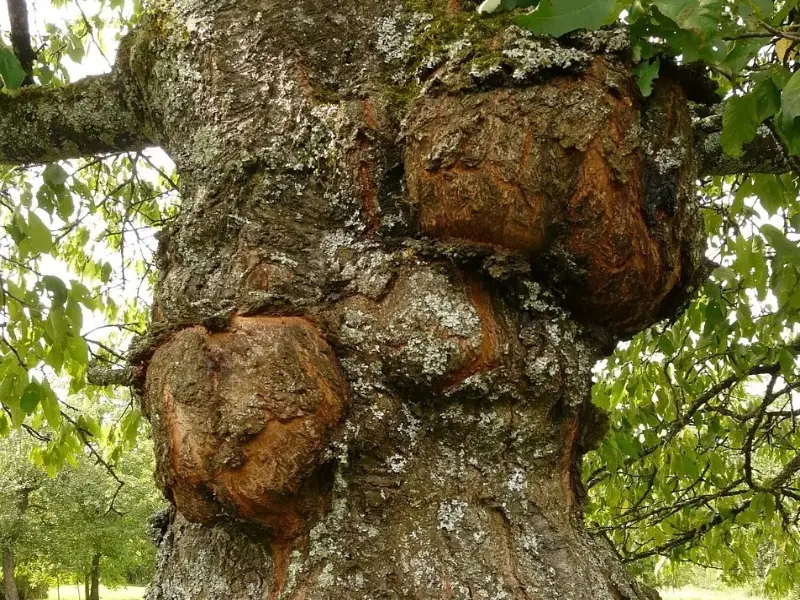
    After pruning storm-damaged trees, apply pruning paint or wound dressing to any wounds larger than 1½ to 2″ in diameter. Dressings and paints are unlikely to speed up healing. However, they may stop drying and have an aesthetic influence.

    There are numerous commercial products available. You may also apply a few coats of orange shellac. This method can also be used to remediate damaged bark regions that have been traced.
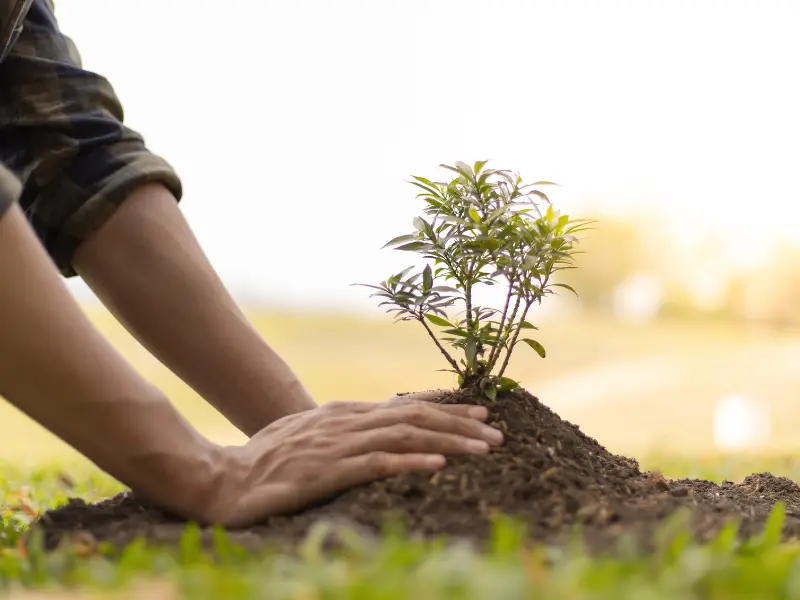
    Wound treatment

    6. Tree root damage from storms

    Severe storms may uproot trees. You can’t save a tree that’s too big. In this instance, cutting down storm-damaged trees is necessary.

    You could straighten and stabilize smaller trees with guy cables or wires. To pull the tree upright, you will need a power lift or other equipment.

    You should not use this procedure unless 1/3 to 1/2 of the roots remain in the soil. The remaining visible roots are often compact and undamaged.

    Before raising the tree upright, remove some dirt from beneath its root mass.

    This will help to put the roots below the current soil grade level. Once the tree has been restored to its upright posture, fill in any soil gaps.

    Water the trees to help the soil firm up and reduce air pockets.

    Tie two or three guy lines to the trunk at about 2/3 of the tree’s height. Also, do this with anchors 12 to 15 feet from the tree’s base. This is to keep the tree in place, just like it is usual with newly transplanted trees.

    Conclution

    Do you know what? A huge storm does not necessarily indicate the end for your large trees.

    Contact a reputable tree service for the perfect Emergency tree care after storms.

    If the storm has already hit, a trustworthy tree service can help you save livable trees while removing damaged ones. Not only that, you will be able to get details regarding how to help a storm-damaged tree recover, the steps of Storm-damaged tree care, and much more advice to maintain a healthy tree.

    KD Tree Services provides experienced tree services, storm damage treatment, and Tree storm damage repair for every client. This covers storm-damaged tree removal, landscaping, and trimming. We are dedicated to preserving and enhancing the beauty of your yard.

    Call us today, and our staff members are going to respond right away.

    Get a Free Estimate
  • Tree Pest Infestations: How to Spot and Treat Them

    Tree Pest Infestations: How to Spot and Treat Them

    In addition to being attractive elements of our landscape, trees are essential to our ecosystem as they help animals live, improve air quality, and supply oxygen. However, these silent giants’ health may be threatened by pests and tree diseases. To keep the trees healthy, you must be aware of the early warning symptoms of tree diseases. Everything you need to know about tree diseases and pests will be covered in this blog.

    How to identify and treat common tree diseases

    a tree with many round holes

    Trees are prone to a variety of illnesses, much like people and animals. Apple scab, Dutch elm disease, and oak wilt are the most widespread illnesses. Knowing how to identify diseases in trees can help you take the appropriate precautions to keep your trees safe. For instance, if left unchecked, the fungal disease known as oak wilt, through root grafts and sap-feeding beetles. Leaf discoloration and wilting are among the which affect oak trees, which can be deadly. The most common ways that it spreads are through symptoms, along with a distinctive veinal necrosis pattern.

    Maintain good tree care by giving your trees enough food, water, and sunlight to ward off these illnesses. Pruning can also help since it increases air circulation and gets rid of diseased tissues. 

    Common tree pests first

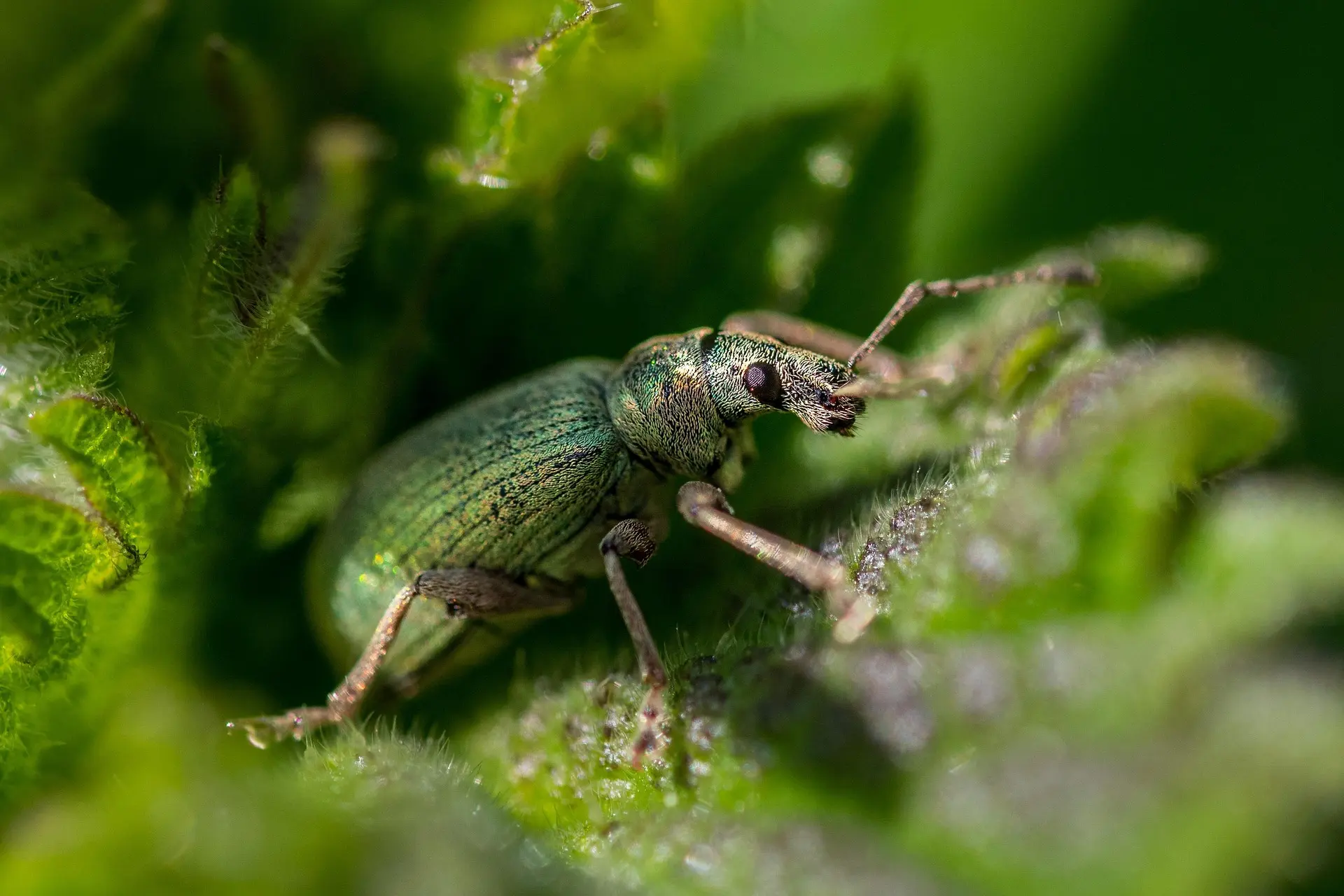
    In addition to diseases, trees must deal with pests that can seriously damage them. For instance, North American ash species, such as green and white ash, are infested and killed by the metallic wood-boring insect known as the emerald ash borer. By consuming the inner bark of a tree, the larvae impair the tree’s capacity to transfer nutrients and water, which eventually causes the tree to die.

    Another invasive pest species in the US is the gypsy moth. Oak is the favored host for its larvae, which consume the leaves of more than 300 different types of trees, shrubs, and plants. A tree that has a severe infestation may lose its leaves, making it prone to various illnesses and pests.

    One of the most important methods for preventing tree pest is being aware. Using pesticides when needed, controlling the landscape to deter pest invasion, and 

    preserving tree health to enable plants to keep away pests naturally are a few strategies.

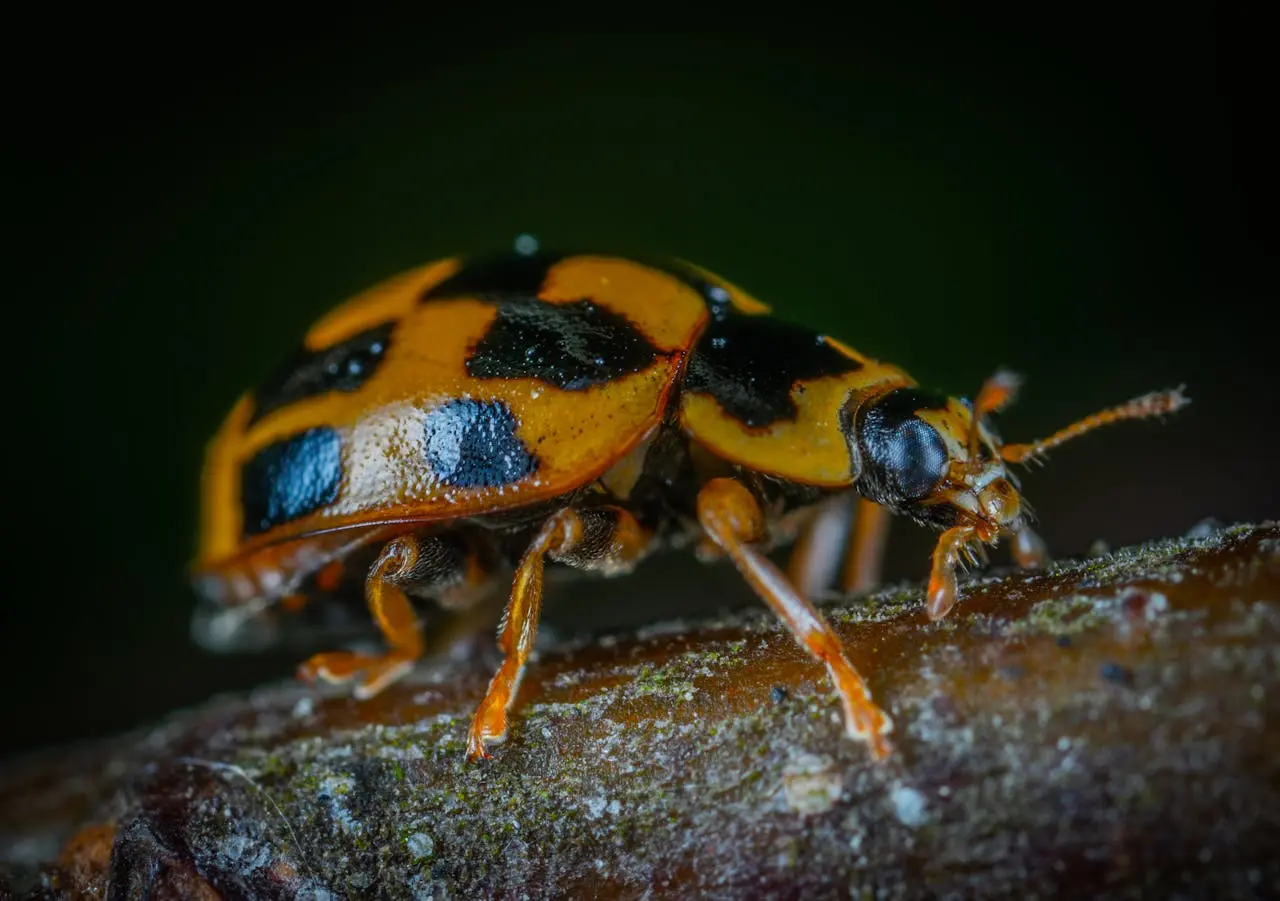
    Common tree pests

    Impacts on the Environment and Tree Health

    Tree diseases and pest infestations that go untreated can have catastrophic effects. Since trees are essential to preserving a balanced ecosystem, the condition of our entire tree population has a direct impact on the environment. For sectors that depend on wood and plant materials, there are economic consequences in addition to environmental effects.

    Treatment and early identification are crucial. It is recommended that the community become involved in tree health because it can greatly slow the spread of pests and diseases.

    Impacts on the Environment and Tree Health

    Keeping Trees Healthy

    Homeowners can take a number of proactive steps to keep their trees healthy and avoid disease and pest spread. 

    Now, how to spot tree pests? You can identify early indicators of illness or pests by visually inspecting your trees on a regular basis. Keep an eye out for odd leaf discolouration, wilting, and pest activity indicators like bark holes or frass, that like sawdust.

    Pruning, mulching the base of the tree, watering, fertilizing, and other proper tree care practices can greatly increase a tree’s ability to fight disease and tree pest infestations. Consult an arborist or other tree-care specialist when in doubt. In addition to identifying and addressing any problems, they may offer professional advice on tree health.

    Communities, homeowners, and environmental organizations all have a role to play in keeping trees safe from pests and diseases. KD Tree Service can help you discover more about our services. You can help create a cleaner, sustainable environment for everyone and a healthy tree population by gaining knowledge and taking action.

    Big trees towering over a green landscape, providing shade, natural beauty, and environmental benefits

    Now let’s take a look at how to manage tree pests and Tree management

    Cultural habits, biological and chemical treatments, and integrated pest management techniques are all necessary for effective infestation control. 

    Cultural practices: These are preventative steps to maintain the health of trees and make them less vulnerable to pests. Steps to control pest infestations in your trees consist of appropriate fertilizing, proper pruning, and frequent watering. A healthy tree is more resilient to infestations than one that has been neglected.

    Biological and Chemical Control Options: Chemical treatments utilize pesticides to eradicate pests. In order to organically reduce infestation, biological control releases the pests’ natural enemies into the environment, such as predatory insects, mites, or fungi.

    Integrated Pest Management Strategies: This method integrates a number of strategies to control pests in the most efficient and ecologically responsible manner. To guarantee the best possible tree health, it consists of continuous evaluation, early detection, management, and monitoring.

    How to prevent tree pests from damaging your landscape

    How to prevent tree pests from damaging your landscape

    Preventing future tree disease and infestation requires maintaining the general health of the tree.

    As said earlier, a strong tree that can withstand pests is a result of regular watering, suitable fertilization, and pruning. For preventive care and health evaluations, hire a qualified arborist.

    Enhance your garden’s biodiversity to attract natural predators of pests. Regular visual checks for Signs of tree pest damage, the use of insect traps, and tracking alterations in tree health over time are examples of early detection methods. Frequent examinations minimize the likelihood of an infestation becoming out of control by enabling quick action.

    The secret is to continue being watchful and keen with your bug control and tree care routines.

    Conclusion

    Don’t allow pests harm your property’s beautiful trees.

    You can maintain the health and productivity of your trees by learning to spot the warning signs of an infestation and getting professional assistance when necessary. If you think your trees may have a pest infection, act quickly! For professional pest control services, Get in touch with KD Tree Service right now. Our goal is to preserve your trees and make your property more attractive.

    Contact KD Tree Service

    Ready to protect your trees? KD Tree Service is here to help! Whether you need expert pest control, pruning, or routine health evaluations, our certified arborists are just a call away.

    Get a Free Estimate
  • How to Identify and Treat Common Tree Diseases

    How to Identify and Treat Common Tree Diseases

    We know how trees assist our lives, they give our environment value, beauty, and, moreover, help maintain the ecological balance of any landscape. And when someone thinks of enhancing the curb appeal of a yard, the very first idea is planting suitable trees to make the land more valuable. So, when trees give us thousands of benefits, it becomes our responsibility to protect them.

    When we talk about our responsibility, we cannot forget about the common tree diseases that often go unnoticed and eventually cause serious damage. If you cannot identify these diseases early, they can become a huge problem and may even spread to other trees.

    As a yard owner, you should better understand tree health problems and solutions.

    That is why, in this guide, we will explore how to identify, diagnose, and begin treating tree diseases effectively, so you can have a green, healthy yard throughout the year.

    Let’s start the journey.

    Why Tree Disease Identification Matters

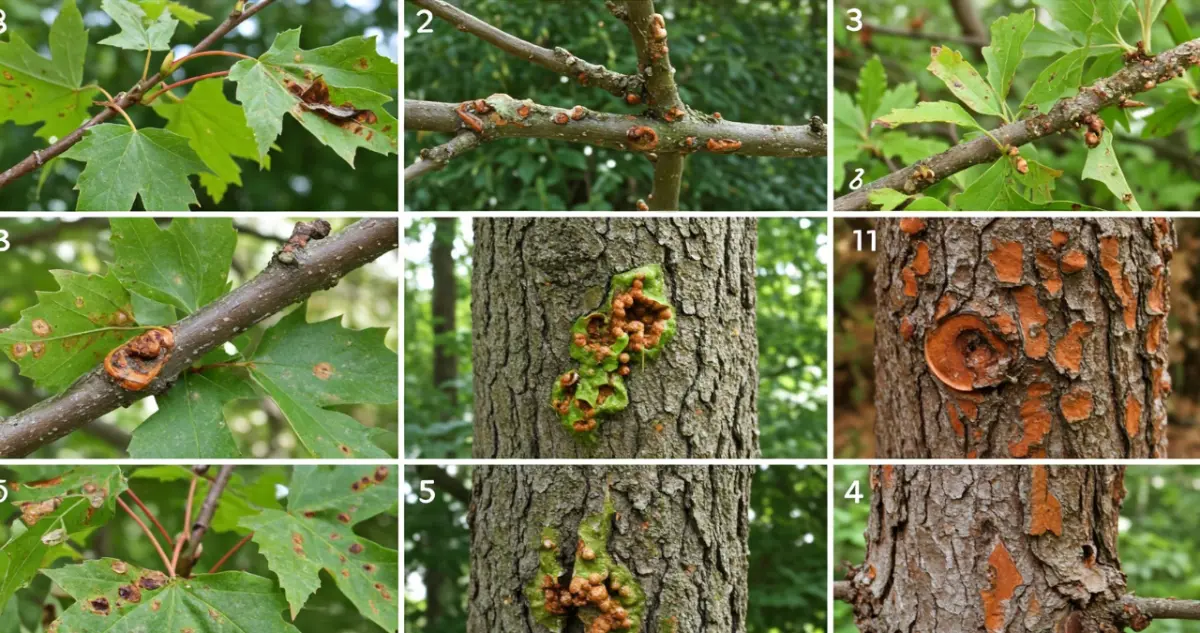
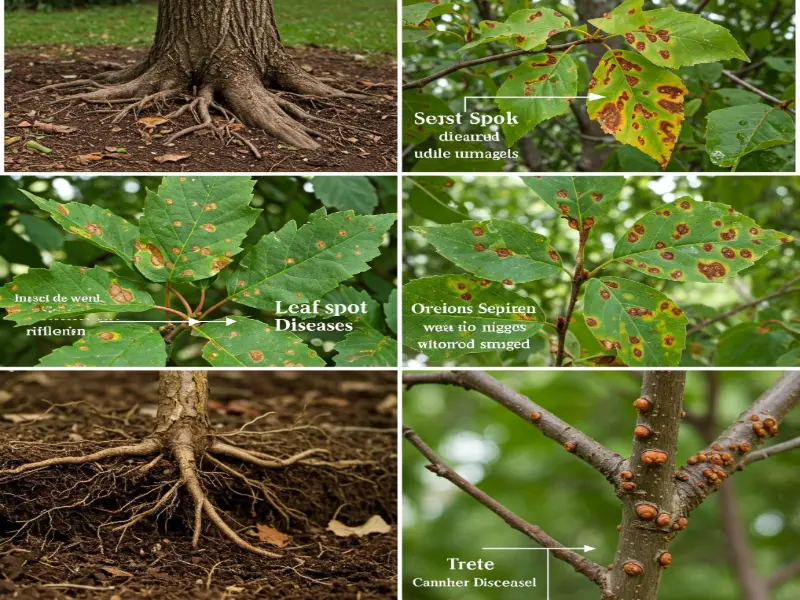
    Tree affected by common diseases, showing symptoms like leaf spots, cankers, and wilting

    As we discussed before, trees give us a lot of benefits including oxygen, reducing pollution, and offering shade. But on the other hand, when a tree starts to decline, it affects not only its visual appearance but also the health of nearby plants. Because of that, there can be a lot of safety problems too.

    That’s why it’s so important to know how to identify tree diseases early and treat them ASAP to protect the trees. Sometimes, you can’t understand the issue properly because there are very small and subtle tree disease symptoms like discolored leaves, bark damage, or unusual growths.

    If you continuously ignore the signs of a sick tree, it can lead to major issues until it needs complete removal. You can avoid this with regular tree inspection and maintenance, allowing you to catch problems early and extend the life and beauty of your trees, making prevention the best long-term solution.

    How to Spot Early Signs of Tree Disease

    Spotting the early signs of tree disease is crucial for maintaining the health and safety of your trees. Identifying symptoms early can help prevent the spread of disease and reduce the risk of severe damage. To help you with this, here’s a comprehensive guide on early tree disease symptoms from Indigo Surveys

    Leaf discoloration, spots, or curling

    Yellowing or browning leaves and spots or curled edges can indicate issues like blight or fungal infections.

    Bark peeling or cankers

    A tree with bark peeling off, which can indicate disease, pest infestation, or environmental stress

    If the bark starts peeling or you notice sunken areas, this could be a sign of canker diseases, which damage the tree’s vascular system.

    Sudden leaf drop or branch dieback

    If leaves drop prematurely or branches begin to die back, it may signal root rot or other systemic diseases.

    Unusual growths or fungus

    Visible fungus, such as mushrooms at the base of the tree or on branches, could indicate root rot or other fungal infections

    So if you can identify these signs, then you need to know your trees need essential care to address, and you need to act immediately. The longer you wait, the more damage can occur. If it is hard to identify the exact disease, the best move is to contact a professional tree care service and do the needed treatment as soon as possible before the symptoms worsen.

    Best Ways to Treat Tree Diseases

    Once you’ve identified a problem, treating tree diseases quickly and correctly is the only way to save your tree.Here’s a simple tree disease treatment guide you can follow.

    Isolate the infected tree

    If possible, avoid contact with other plants to reduce the risk of spreading the disease.

    Prune affected branches

    Use sterilized pruning tools to remove dead or infected branches. This helps stop the disease from progressing.

    Apply fungicide or antibacterial treatment

    Depending on the issue, choose a treatment specific to the disease. For example, copper-based fungicides work well for fungal infections, while neem oil is a good natural option.

    Improve soil health

    Add compost or organic matter to strengthen the tree’s immune system. Healthy soil promotes strong roots and overall resilience.

    Some of the best products for tree disease treatment include broad-spectrum fungicides, horticultural oils, and disease-specific treatments like sulfur-based sprays or bio-fungicides. Always read the label and follow safety instructions.

    When it comes to treatment, you can choose between natural and chemical options. Natural methods, like neem oil and compost teas, are eco-friendly but may act more slowly. Chemical treatments tend to be faster and stronger but should be used with caution, especially around kids, pets, or water sources.

    Tree Disease Prevention Tips

    We all know that prevention is better than cure. So, you must be aware of the most important tree disease prevention tips.

    Routine tree trimming & pruning

    Regularly remove dead or diseased branches to improve airflow and reduce the risk of infection.

    Avoid overwatering

    Excess moisture creates a perfect environment for fungal growth and root rot. Water trees deeply but infrequently to promote healthy roots

    Pest control measures

    Regularly inspect your trees for pests that can introduce diseases. Use eco-friendly pesticides or natural predators to manage infestations.

    Promote airflow and sunlight

    Properly spaced trees and thinning the canopy allow better airflow and sunlight, helping to reduce disease risk and promote overall tree health.

    If you regularly follow these tree health care tips and gain a better understanding of how to prevent common tree diseases before they start, you can save time, effort, and money in the long run.

    For ongoing care, be sure to check out our guide on Tree Trimming Best Practices for a Healthier Landscape to help maintain strong, disease-resistant trees

    What to Do If Your Tree Shows Signs of Illness

    If you notice signs of illness in your tree, it’s important to act quickly. Start by stopping irrigation to prevent further stress and possible fungal growth. Next, prune any dead or infected branches with sanitized tools. Test the soil to check for nutrient imbalances or drainage issues. If the symptoms persist or worsen, consult a professional arborist for an accurate diagnosis and treatment plan. Taking swift action is essential to save your tree and prevent the disease from spreading.

    KD Tree Service is the trusted and affordable tree service for all your tree needs.

    KD Tree Services is a trusted provider of professional tree care solutions. Our certified arborists bring advanced expertise to every job from diagnosing tree health issues to managing large-scale projects with precision.

    We offer transparent, competitive pricing and prioritize eco-friendly practices tailored to your specific needs. Our team is known for reliable, on-time service and a strong commitment to customer satisfaction. KD Tree Services consistently delivers high-quality results across a full range of services including tree removal, trimming And pruning and more.

    Get in touch today for expert advice or to schedule your next tree service appointment.


    Get a Free Estimate