[email protected] ⚡ Same-day emergency available

Category: Tree Removal

  • How to Remove a Tree Without Damaging Your Property

    How to Remove a Tree Without Damaging Your Property

    Large trees can be a lovely addition to any property, but they may need to be removed for safety, disease, or other reasons. In this blog post, we will look at practical ways for removing huge trees without causing damage to your property.

    Removing huge trees requires careful planning, professional skill, and adherence to safety rules. By taking the proper steps, you can ensure a successful tree removal process.

    Cutting down trees appears simple, and it can be, but if not done correctly, it may be dangerous and time-consuming

    Here is a Step-by-step guide to removing a tree without damaging your lawn or home

    Here is a Step-by-step guide to removing a tree without damaging your lawn or home

    Tree Health Evaluation

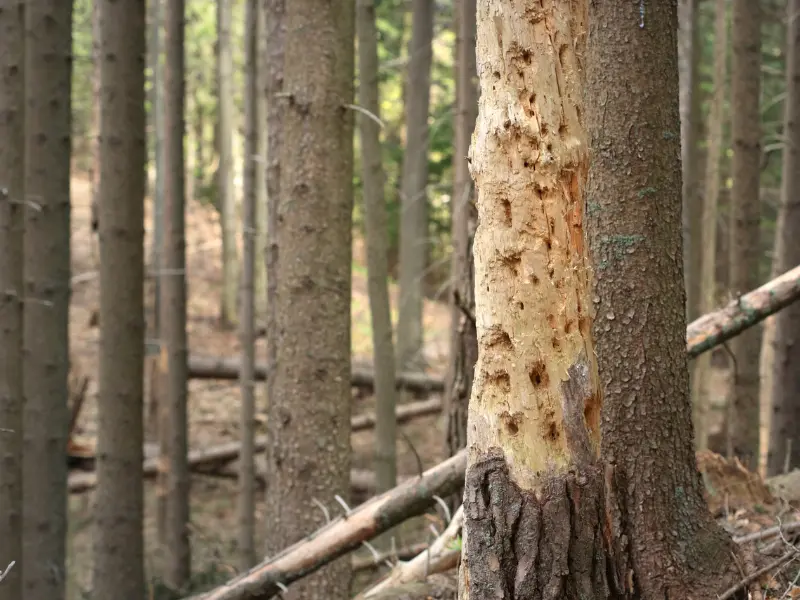
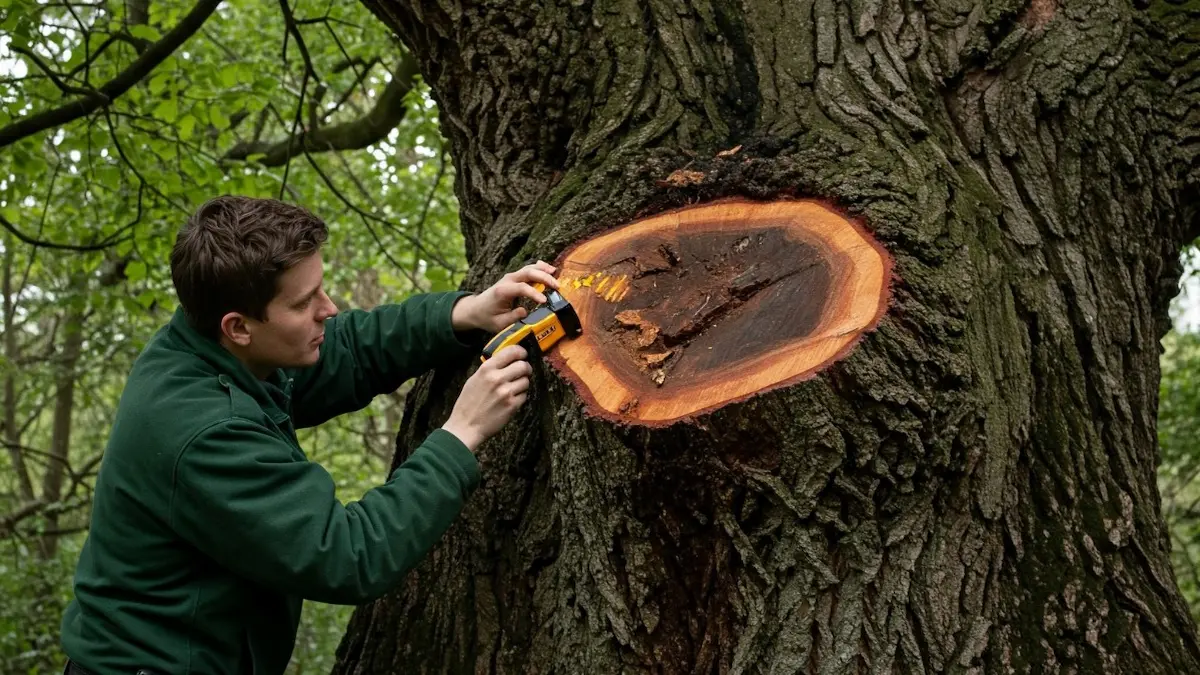
    Before removing a huge tree, check its health. Look for evidence of illnesses, decay, or structural damage, such as hollowed areas, fractures, or leaning. If the tree poses a risk to people or structures, removal may be necessary to prevent accidents or property damage. To determine the best course of action and assess the tree’s condition, you should also think about speaking with a qualified arborist or tree care professional. Not only that, they will help you in tree cutting without damaging the surrounding property.

    Tree Health Evaluation

    Tree removal equipment

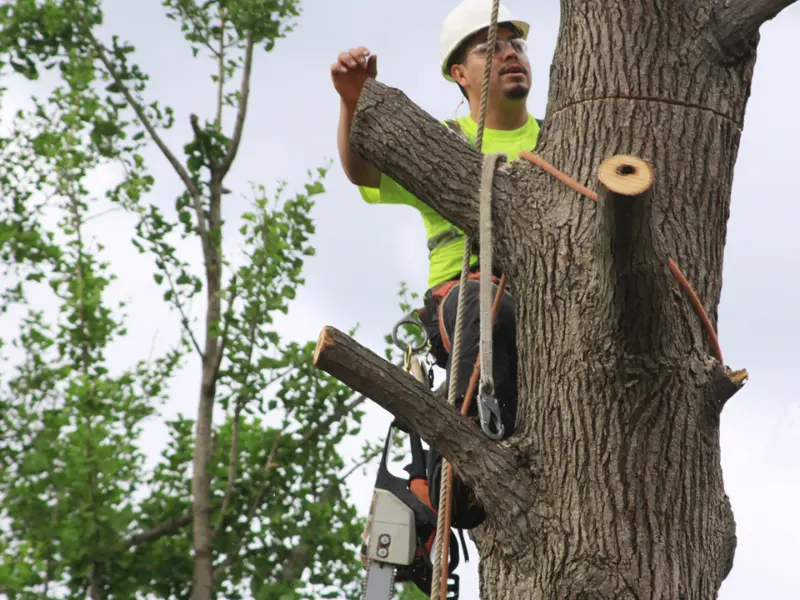
    Chainsaws and Safety Gear

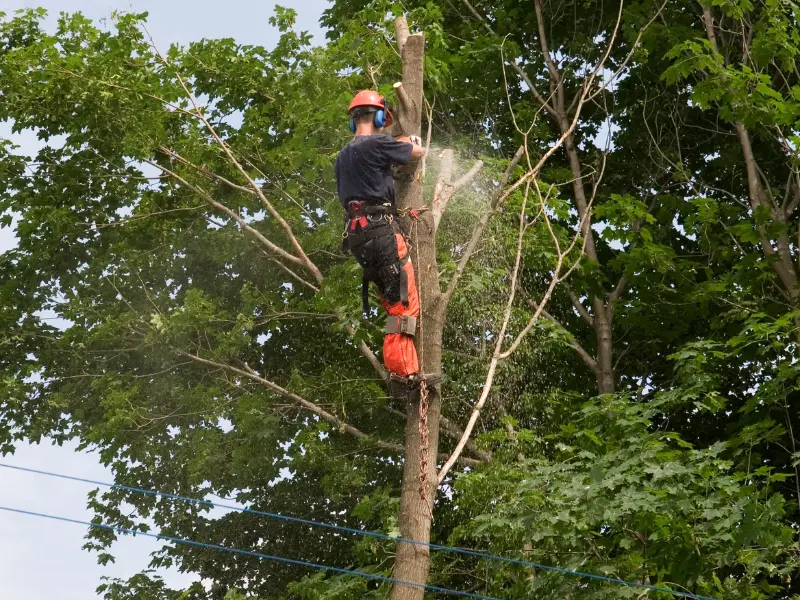
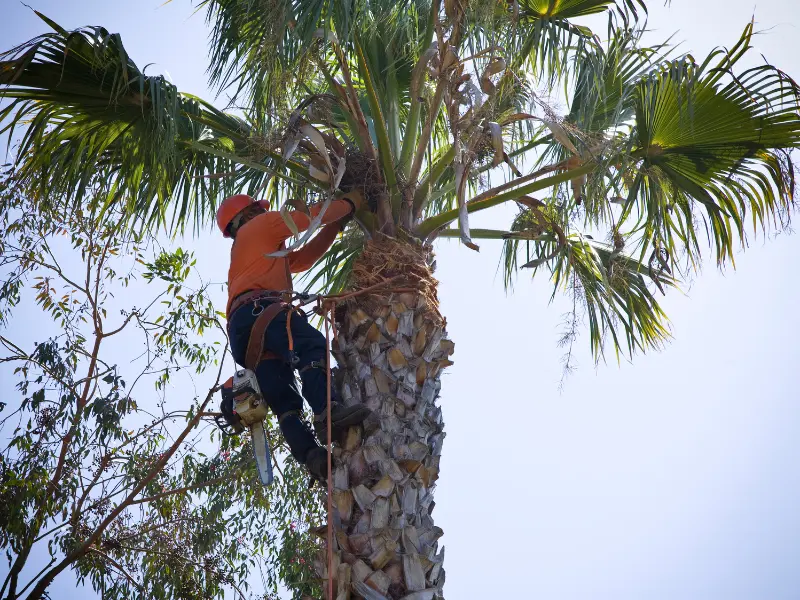
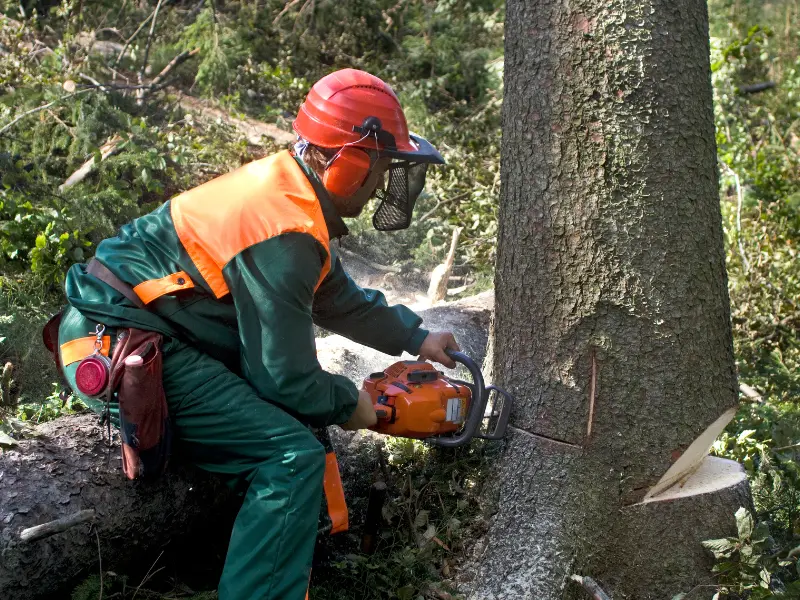
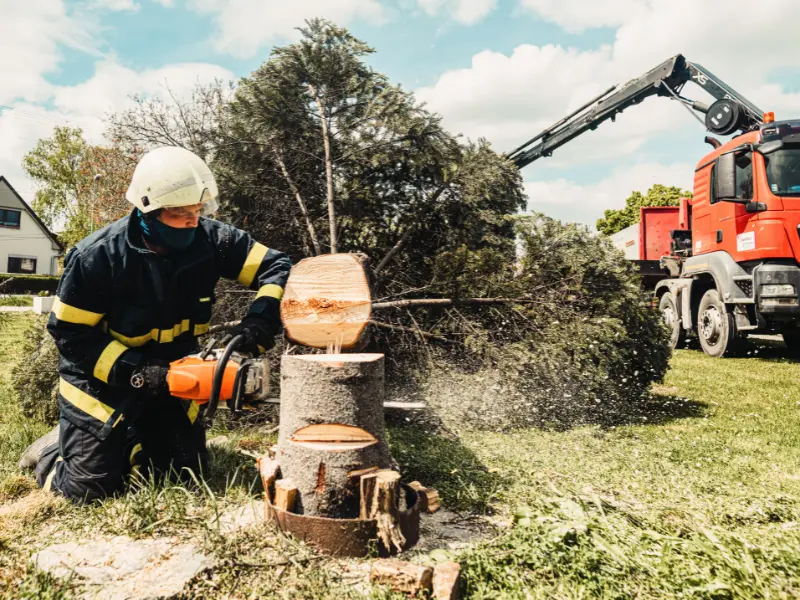
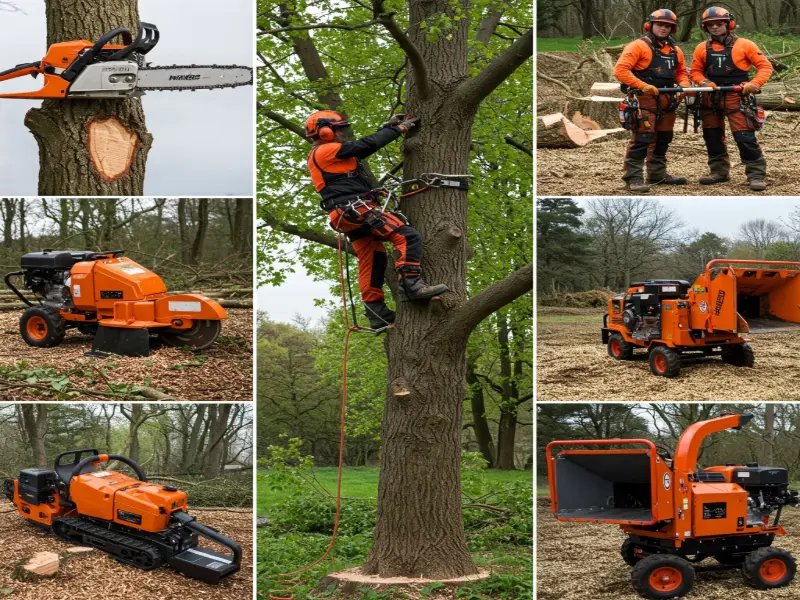
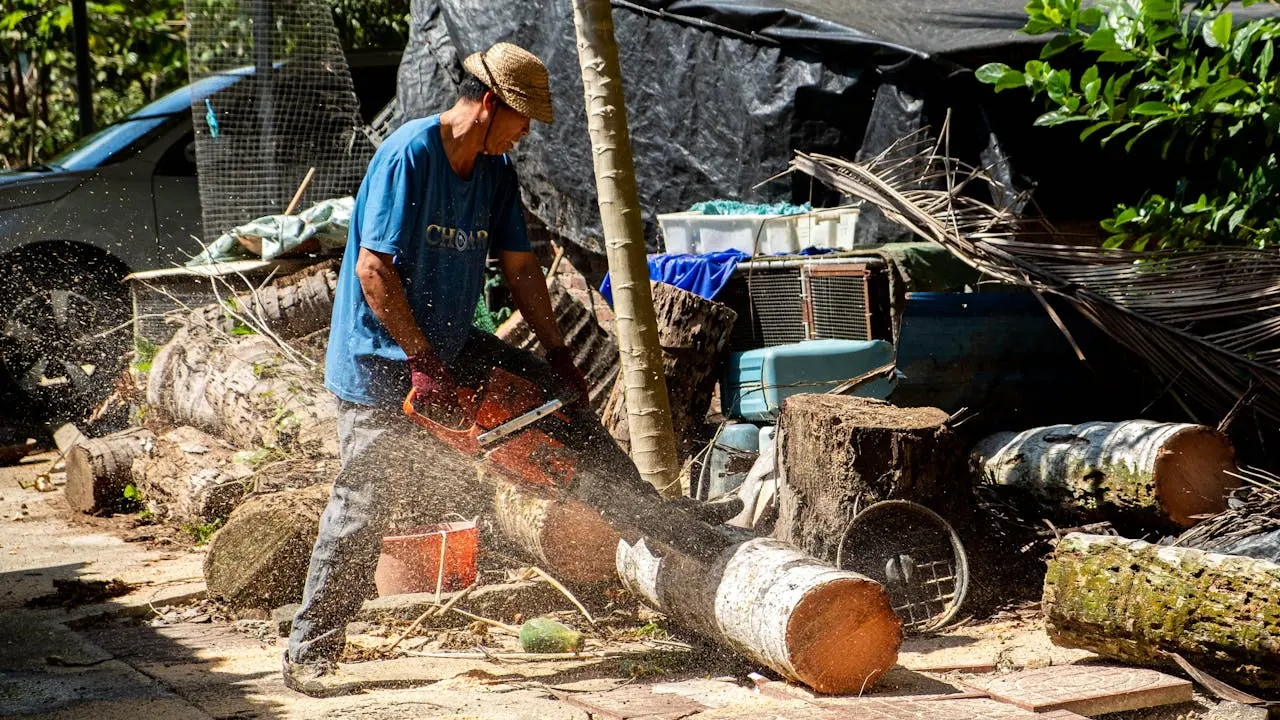
    Having the proper equipment is essential for safe tree removal. Chainsaws are widely utilized, but safety gear is equally crucial. Arborists use helmets, eye protection, and chainsaw-resistant clothing to avoid injury. Additionally, sturdy gloves and boots provide protection against cuts and impacts. Prioritizing safety equipment guarantees that arborists can operate efficiently while lowering the chance of accidents during tree removal operations.

    Ropes and Rigging

    Professionals utilize ropes and rigging techniques to direct the tree’s fall direction. This lowers the chance of property damage. Learn correct rigging techniques and how to secure ropes effectively. Rigging techniques include carefully placing ropes and pulleys to regulate the tree’s descent. This helps to guarantee that the tree falls exactly where it should, limiting the risk of damage to nearby structures or landscape elements.

    Tree removal equipment

    Choosing the Right Method

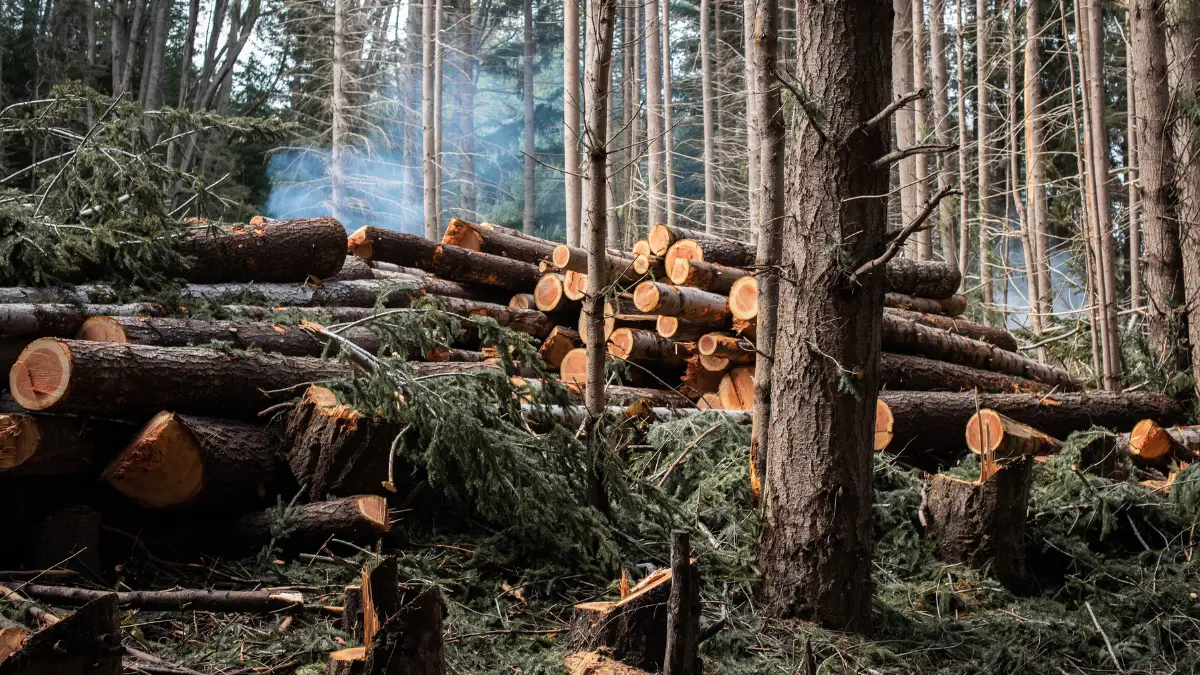
    Felling

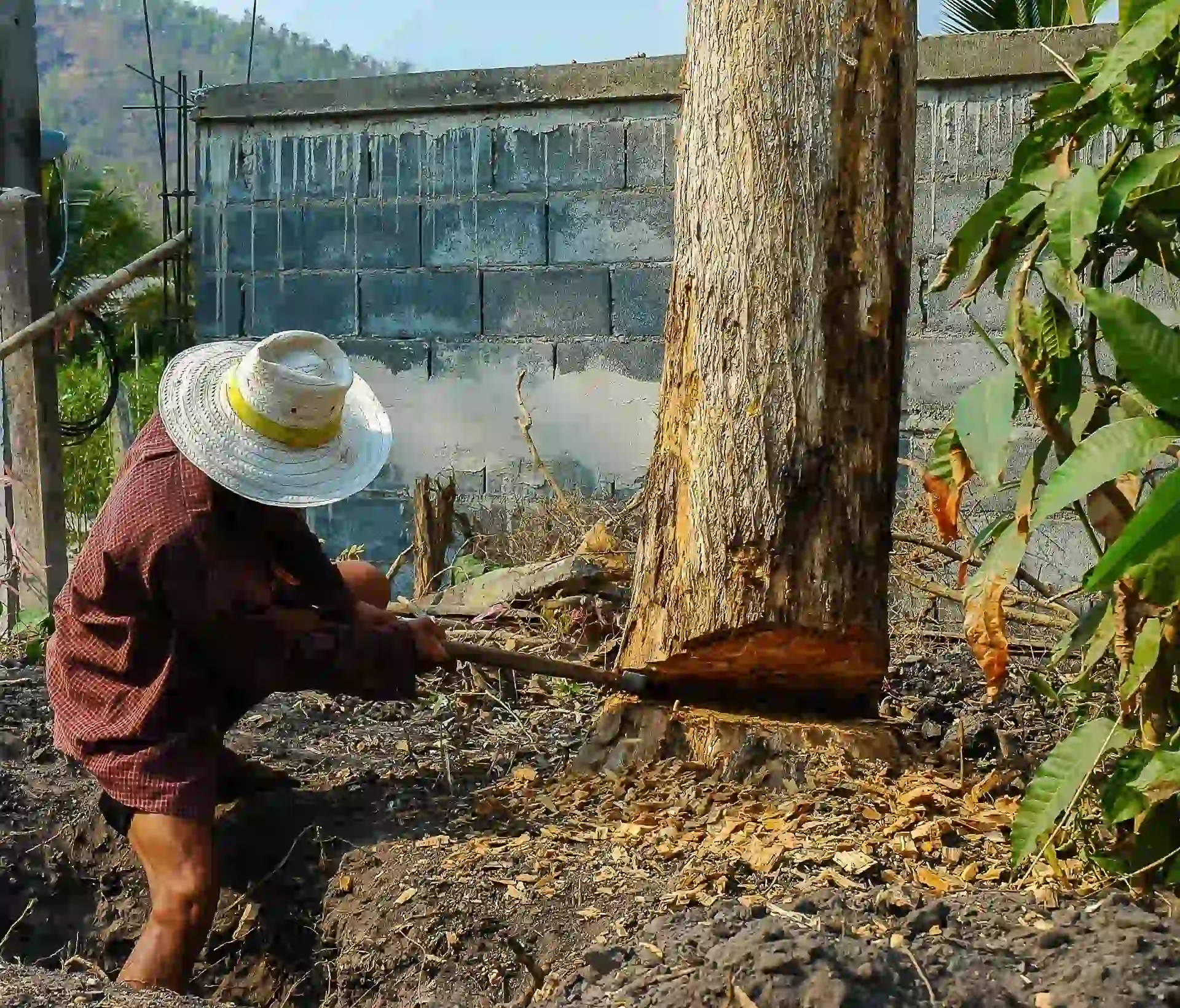
    Felling is the process of cutting down a tree in one piece. It is appropriate for open areas with no obstacles. Professionals utilize ropes and pulleys to direct the tree’s fall, ensuring that it lands securely away from structures and other trees. This procedure necessitates careful planning and execution in order to reduce hazards and ensure the safety of persons and property around. By entrusting filling to experienced professionals, you can ensure that the process is conducted safely and efficiently.

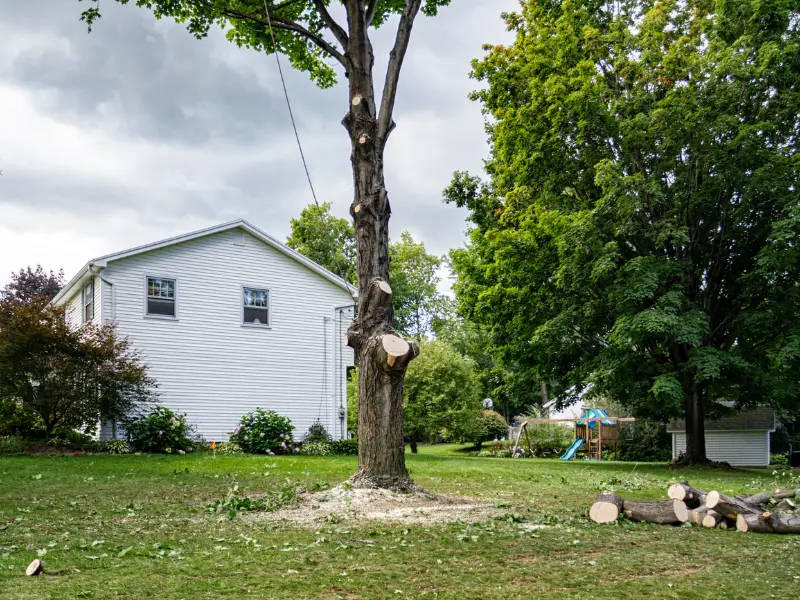
    Sectional Removal

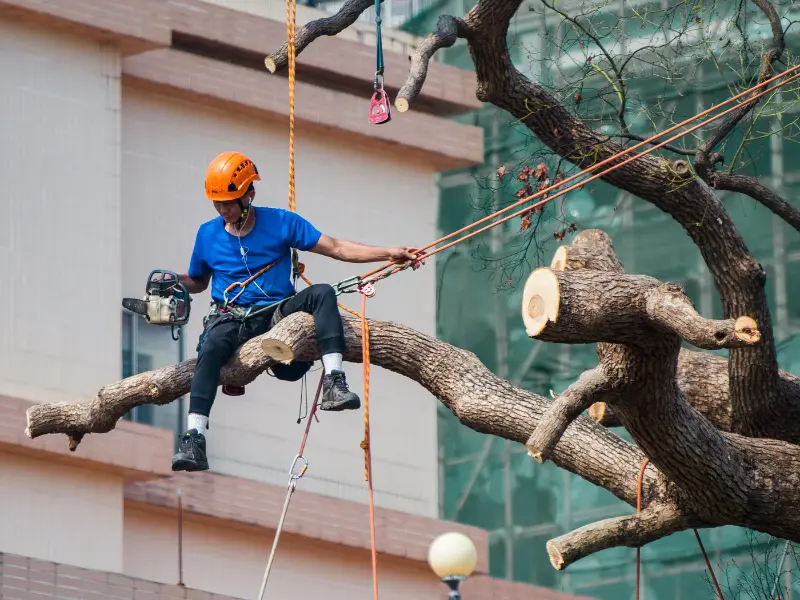
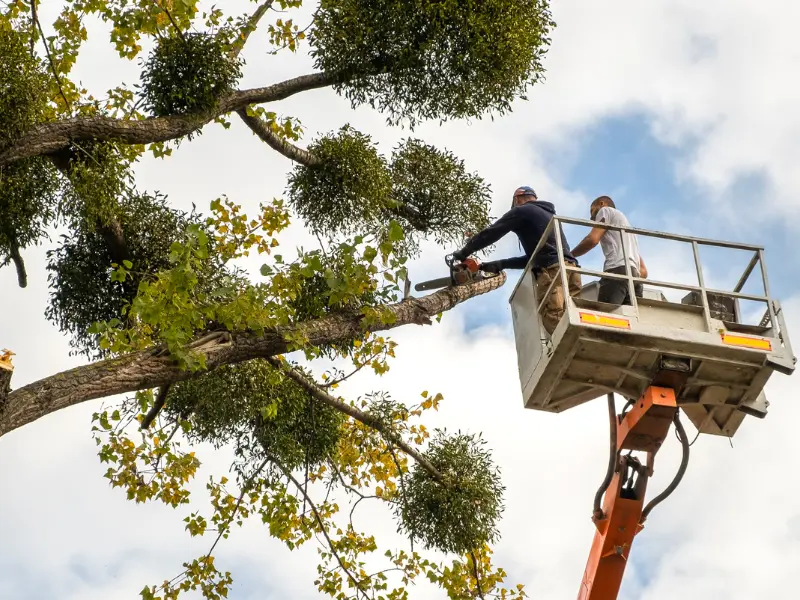
    Sectional removal is a safer option for trees near structures or in smaller locations. Arborists cut the tree into smaller pieces before carefully dropping them to the ground. This strategy reduces the chance of property damage while also ensuring the safety of surrounding structures and individuals. Arborists utilize specialized tools and procedures to remove trees in an organized way, taking into consideration branch weight and tree stability. Sectional removal requires accuracy and knowledge to be completed safely and properly. Hiring professionals trained in this method ensures that tree removal is carried out with minimal risk and maximum efficiency.

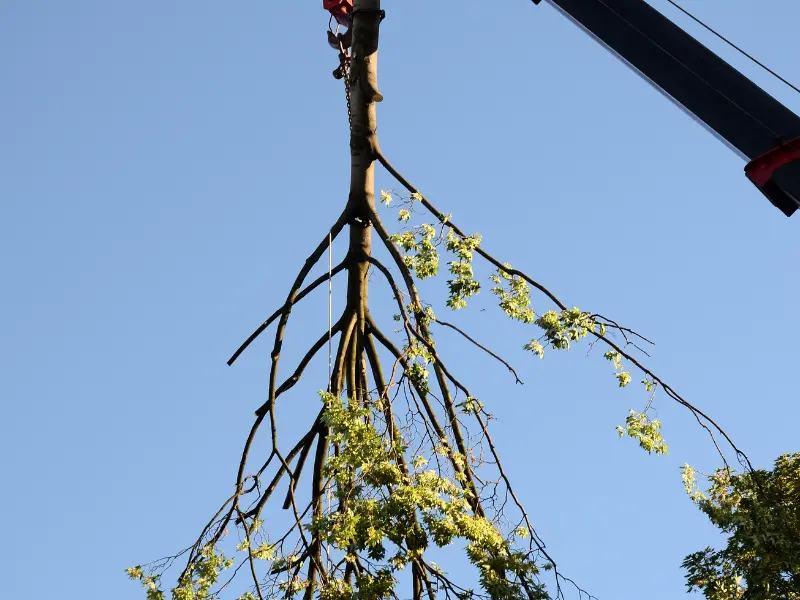
    Crane-Assisted Removal

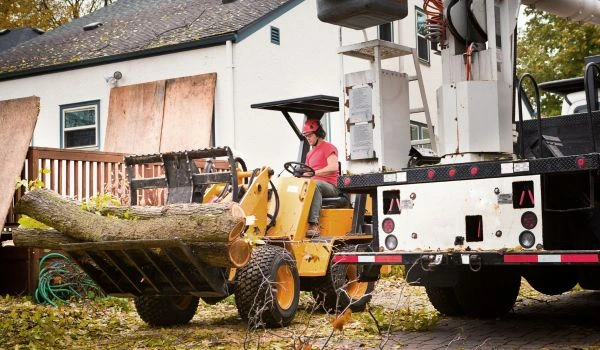
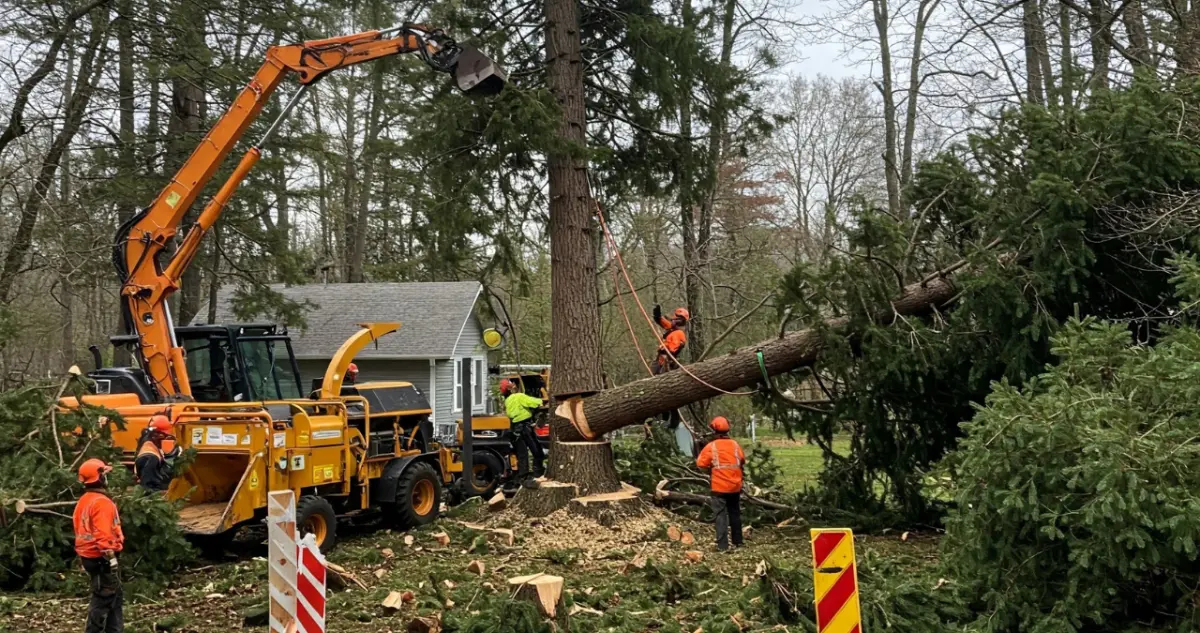
    In rare circumstances, a crane is utilized to remove tree parts from structures. This method minimizes property damage by carefully carrying huge portions of the tree over barriers like buildings or power lines. Cranes give accuracy and control, allowing arborists to carefully move massive tree parts without damaging neighbouring structures or landscape elements. This strategy is especially useful when dealing with enormous or dangerous trees that cannot be safely felled or removed using traditional methods. Arborists can use a crane to ensure that tree removal is done efficiently and safely.

    How to remove a tree safely

    Safety is the most essential consideration while removing a tree. Hire a certified arborist or Professional tree removal services to do the work. They have the appropriate equipment and knowledge to carefully cut down the tree, reducing the possibility of accidents or property damage. Furthermore, professionals are taught to identify potential hazards and follow strict tree removal safety precautions throughout the removal process. By leaving the job to experienced professionals, you can ensure that tree removal is conducted efficiently and without compromising safety.

    These are some of the important Tree removal tips.

    Choosing the Right Method

    Aftercare and Stump Removal

    Stump Grinding

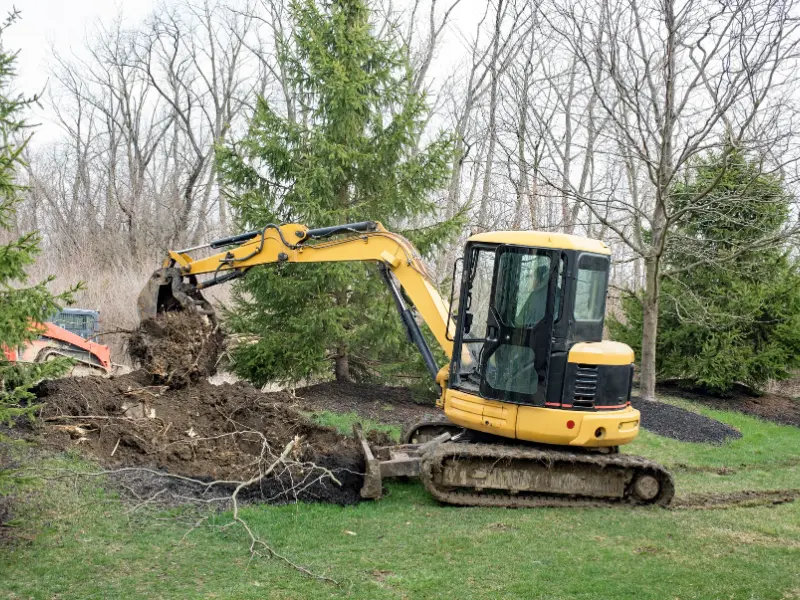
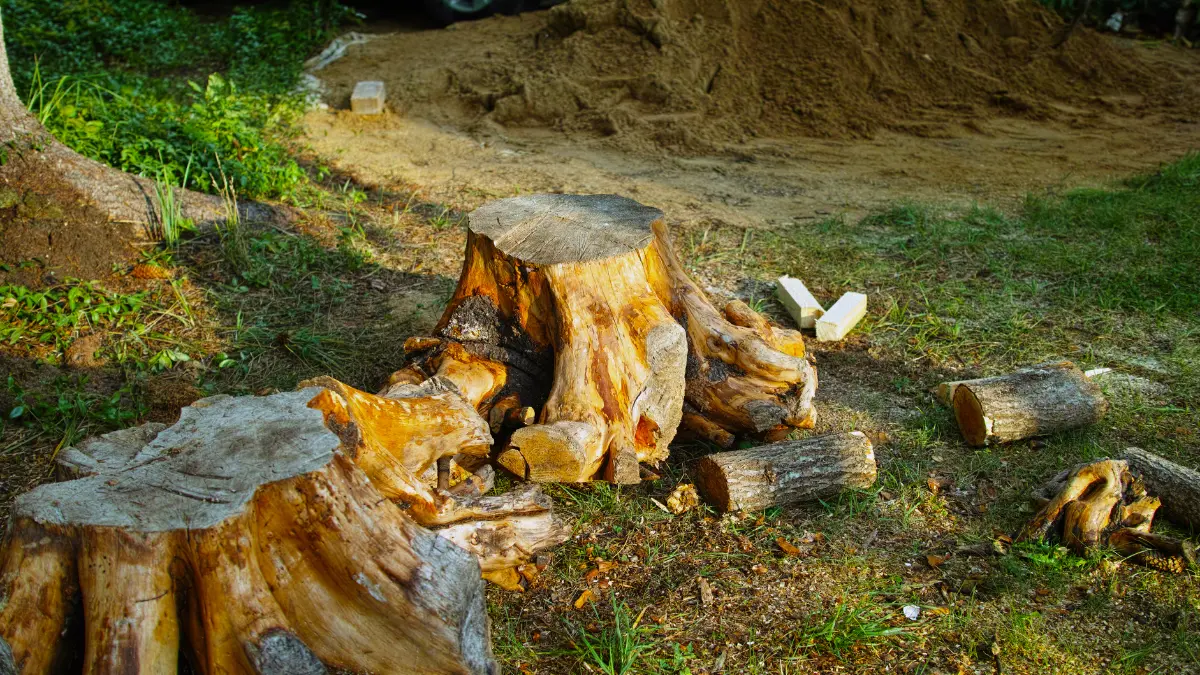
    To stop regrowth, grind the stump after removing the tree. Additionally, stump grinding improves the area’s appearance and allows landscaping or replanting. The stump and roots are successfully removed below ground level by grinding them into tiny wood chips with specialist equipment. This reduces the likelihood of new branches growing and creates a flat, smooth surface that is simple to use for replanting or landscaping. You will guarantee a smooth and seamless change with stump grinding, enhancing the appearance and usability of your outdoor area.

    Soil RestorationRecover any compaction of the soil by heavy 

    equipment during removal. Also, add organic materials and nutrients to aid in the growth of the soil. Compaction of the soil can limit root development and water absorption; therefore, breaking up the soil and applying organic materials like compost or mulch improves soil structure and fertility. This aids in the growth of plants and improves the overall health of your landscape. By addressing soil compaction of the soil, you may create a perfect condition for new plantings to thrive and establish safely.

    Planting New Trees

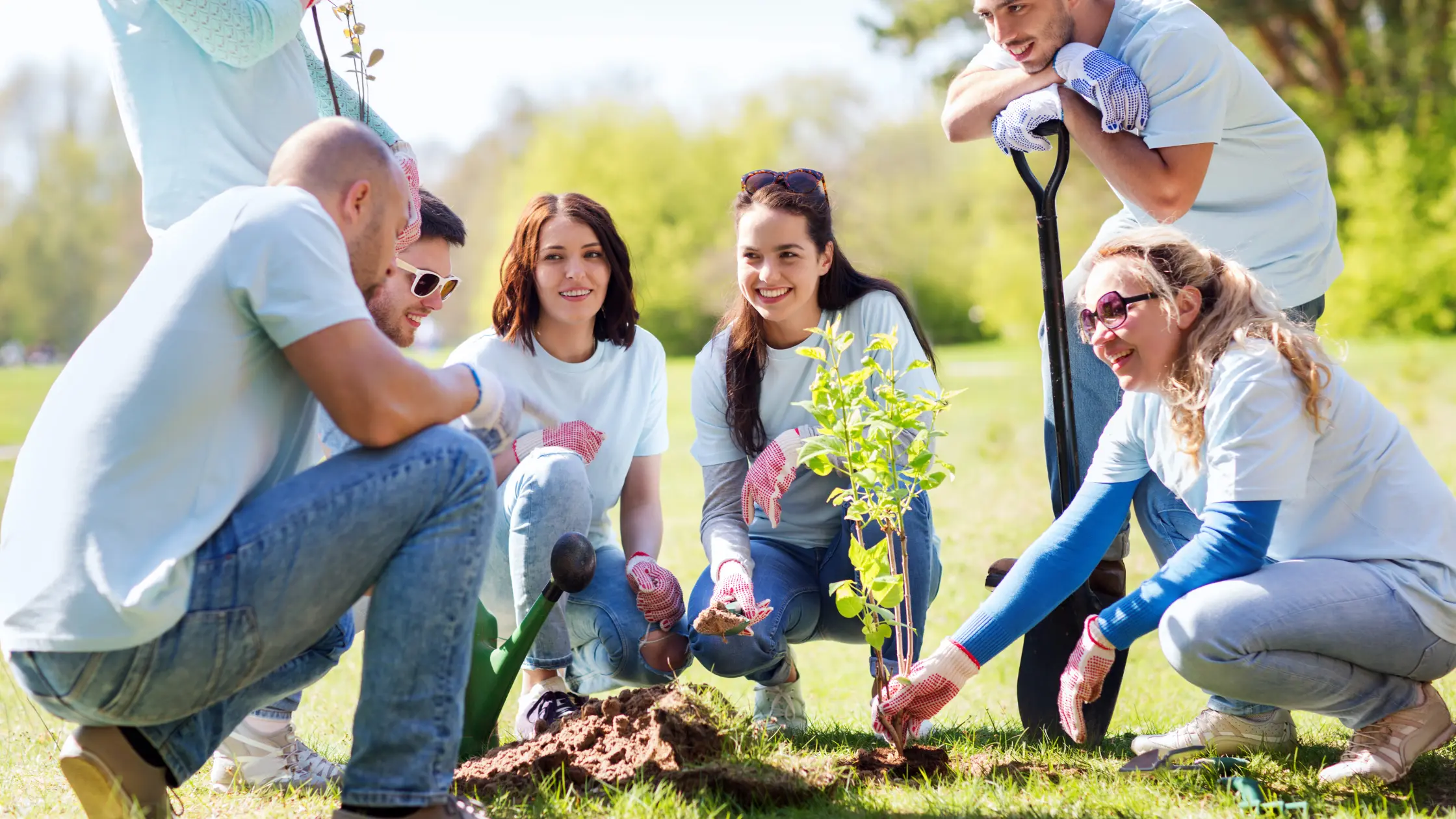
    Consider planting a new tree to replace the one that has been removed. Select a species that is appropriate for your area and soil type, taking into consideration like sunlight exposure, moisture levels, and space limits. Choosing the correct tree species ensures the tree’s long-term health and reduces future maintenance requirements. Planting a new tree also provides environmental benefits such as air purification, shade, and wildlife habitat creation. Yes, replanting a tree can help restore biodiversity while also improving the attractiveness and resilience of your landscape for future generations.

    Aftercare and Stump Removal

    Conclusion

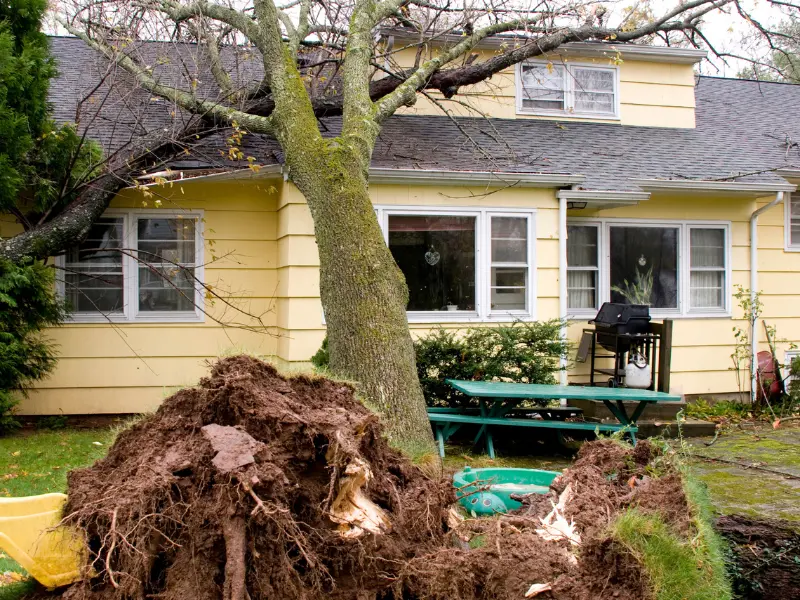
    Large trees can cause serious harm to property if they are removed without the correct equipment or expertise. Carelessly letting a big tree or branch fall on your house is the absolute last thing you want. Having an expert remove the tree in your yard is going to cost far less than fixing your house after it has sustained that kind of damage. Therefore, get in touch with KD Tree Services for the safest tree removal and the most professional services.

    Get a Free Estimate
  • The Ultimate Guide to Tree Removal: When and Why You Need It

    The Ultimate Guide to Tree Removal: When and Why You Need It

    Tree removal can be a daunting and complicated task for many homeowners and nature lovers. It is a huge decision that many delay until they realize that their decision was too late. Of course, trees are an essential tool for our survival. Yet, there could be many reasons to cut down a tree. Through this Tree removal guide, let’s take a look at when to remove a tree and why tree removal is necessary.

    Now, let’s take a look at some reasons why trees should be removed.

    There are many reasons for a tree to be removed. In some cases, it could be either safety concerns, dead, infections spread within the tree, or damaged. So, let us take a look at some Signs a tree needs to be removed, 

    Disease or pest infections

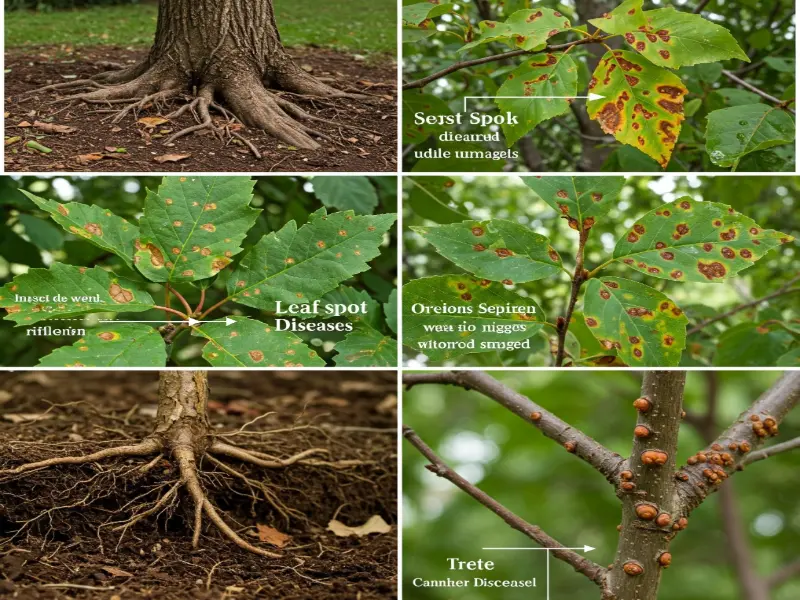
    Tree affected by common diseases, showing symptoms like leaf spots, cankers, and wilting

    The spread of diseases or an infection could bring hazardous outcomes to a tree. This is the most common reason for many tree removals. A disease or pest infection can weaken a tree and increase its vulnerability to infection or even death. When a tree is infected, that could affect your whole landscape, either affecting the nearby trees or your whole landscape. Removing such a tree is the best solution in such conditions. 

    Now, how can we identify such trees? Here are some typical indicators of illness or a pest infestation. 

    • Dead or dying tree risks.
    • Spots or discoloration on leaves.
    • Splits or cracks on the trunk.
    • Infects or larvae present.

    Tree removal for safety reasons

    Tree removal for safety reasons is another common reason for tree removal. People and property can be in serious danger from trees that are leaning, have dead branches, are not strong enough to bear their weight, or are situated too close to buildings or electrical lines. To solve the safety issue, pruning or trimming might be sufficient in some cases, while removal may be the best choice in other situations. 

    What are the warning signs of a hazardous tree?

    Following are some typical safety issues that could need a tree removal:

      • Unstable or slanting trees.
      • Massive, dead branches.
      • Trees that are too close to buildings or power lines.
      • Trees with rotting or damaged roots.

    you can learn more about hazardous tree removal and the steps to take from the International Society of Arboriculture

    Enhancement in the landscape

    Some homeowners could choose to remove a tree in order to improve the overall appearance of their property. Tree removal and landscaping plans have an interconnected relationship. Trees that are overly huge or placed in an awkward spot might take away from a property’s overall beauty. A tree may also need to be cut down to create space for new development or for appearance improvement purposes. 

    Tree removal for landscape enhancement is frequently done for the following reasons:

    • Trees that are grown in awkward spots.
    • Trees that obstruct sunlight and views.
    • Trees that are getting in the way of new development or landscaping projects.
    • Trees that take up too much room.

    These are considered to be the top reasons to consider tree removal on your property. All these situations could affect your decision for When to remove a tree. Make sure you make the best decision before it is too late. 

    Getting ready to remove a tree

    It is crucial to be prepared for the task at hand before removing a tree. This will guarantee that the tree is taken down in a safe and efficient manner without damaging nearby property or putting local residents in danger.

    Evaluating the tree

    It’s crucial to evaluate the tree to determine the most effective removal method before starting the operation. Take into account the tree’s dimensions, position, and condition. Perform a Tree health inspection. Hiring a professional tree removal service could be required if the tree is large and situated near buildings or other structures. With the proper tools and safety measures, you might be able to remove the tree by yourself if it’s tiny and located in a public place.

    Getting the necessary tools.

    Various tree removal tools including chainsaws, ropes, and safety gear arranged for use

    The proper equipment must be available in order to remove a tree in a safe and efficient manner. Tree removal frequently involves the use of a chainsaw, hand saw, pruning shear, ropes, and a ladder. Before starting the removal procedure, it is crucial to make sure that every tool is in excellent working condition.

    Safety Measure

    Safety should always come first, regardless of whether or not the tree removal is being done by a professional or by a homeowner. The following safety measures should be implemented:

    Include safety gear, such as a hard hat, gloves, helmet, eye and ear protection, and sturdy boots that offer sufficient traction.

    Make sure there are no people, animals, or other obstructions in the vicinity of the tree. Be careful when working close to infrastructure, such as electricity lines.

    Use the perfect cutting methods to avoid getting hurt or damaging your property. 

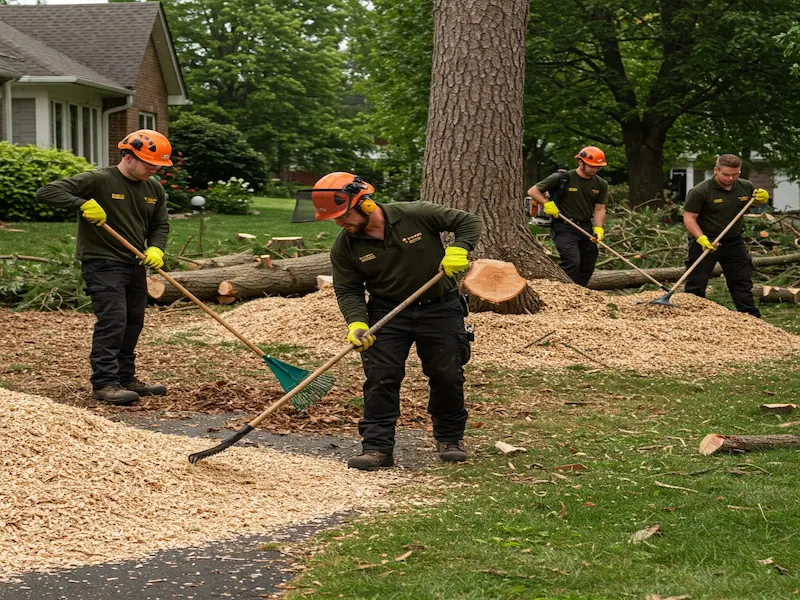
    Establish a plan for getting rid of the debris, including whether to take it away or utilize a wood chipper.

    Hiring a skilled tree removal service

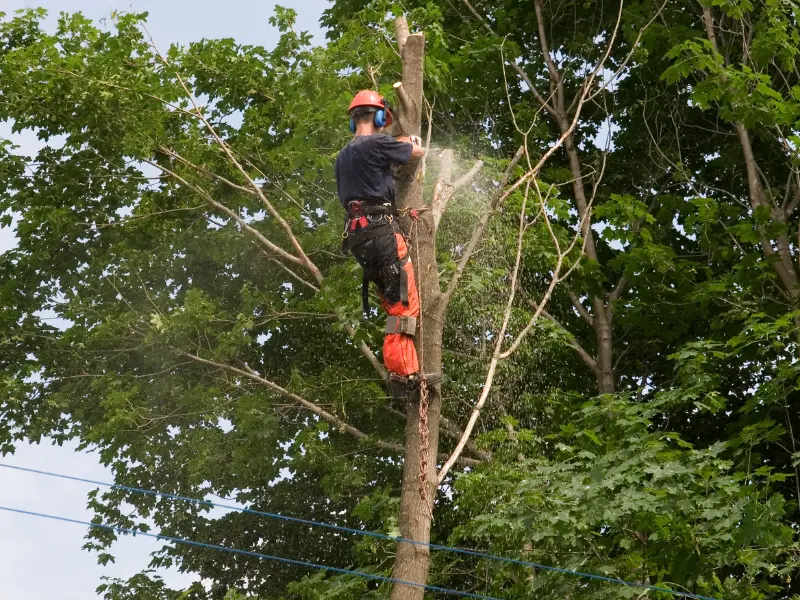
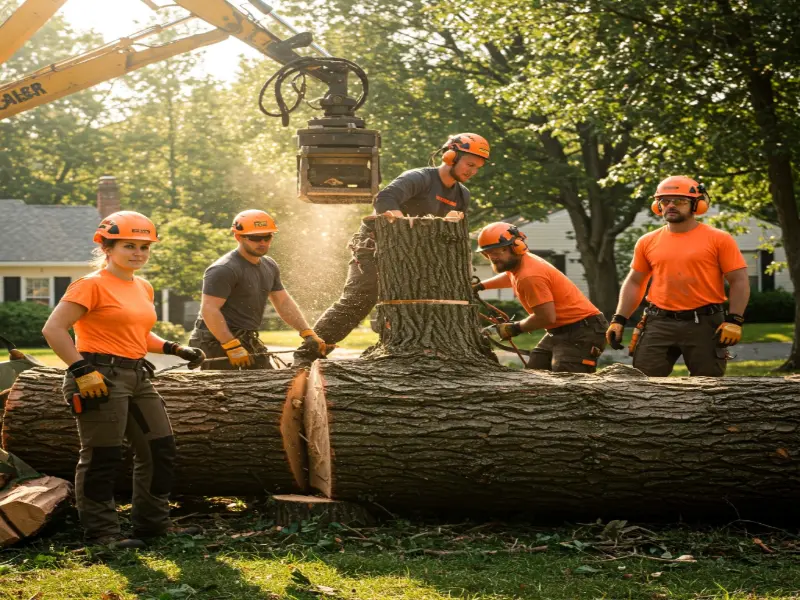
    A professional tree removal team equipped with safety gear, working together on a tree removal project

    It is strongly advised to choose a professional service when it comes to tree removal. Tree removal calls for certain expertise, abilities, and tools and can be complex. The skilled experts at KD Tree Services can guarantee everyone’s safety because they are aware of the difficulties associated with tree removal for both small and large projects. 

    Do your research before picking a tree removal service, and pick one with a solid reputation. An accurate estimate of the project, including the price, schedule, and any extra services like debris removal or stump grinding, will be given by a reputable tree removal company. Speak with KD Tree Services if you need assistance. 

    Tree removal cost factors should also be considered when deciding to remove a tree.

    The cost of tree removal varies depending on several factors, including the tree’s size, location, condition, as well as accessibility.  In general, larger and more difficult tree removal tasks will cost more.  Additionally, considerations such as the presence of electricity lines, nearby structures, or difficult terrain can influence the pricing.

    It is recommended that you get a better idea of the average cost in your area.  However, keep in mind that the lowest price does not always imply the highest quality service.  You should also ensure that your quotation covers all relevant components, such as preparation and cleanup.  When selecting a service provider, it is important to evaluate the quality of work, experience, and reputation. 

    Discover more about Tree Removal Cost How Much Does Tree Removal Cost in Erie, PA?

    What is the best tree removal service to select?

    Tree removal is an important choice that should not be taken lightly.  While trees offer essential environmental and health benefits, there are times when their removal is necessary and should be done as soon as possible.  

    Hiring a professional tree removal service, like KD Tree Services, is strongly recommended to guarantee a safe and efficient removal process. The KD tree services team possesses the skills, labor, and equipment to complete the work perfectly.  They will take care of the Tree removal and local regulations. Contact us today to set up your consultation!


    Get a Free Estimate
  • 5 Signs Your Tree Is Dying & Needs Immediate Removal

    5 Signs Your Tree Is Dying & Needs Immediate Removal

    Trees are a vital part of any landscape, providing shade, beauty, and even boosting property value. However, just like any living thing, trees can suffer from disease, damage, and decline. Ignoring the warning signs of a tree can lead to dead tree hazards, costly removals, and even damage to your property. In this blog, we’ll explore eight key signs that indicate your tree may be in distress and ways for a tree health assessment- so you can take action before it’s too late!

    Why Early Detection Matters?

    Before getting to know the signs, first let’s get to know the importance of identifying the risk earlier!.Regardless of external factors like extreme weather conditions, trees can be dangerous due to inbuilt weaknesses. A dying or hazardous tree can lead to falling branches, property damage, and even personal injury – especially during extreme weather emergency tree removal services are required. While trees naturally drop branches, only a few become dangerous enough to cause harm.

    As a tree owner, it’s your responsibility to monitor its health and take action when warning signs appear. Regular tree care helps identify potential hazards early, allowing you to address issues before they escalate. Consulting a professional arborist can ensure proper evaluation and safe hazardous tree removal  if necessary. Detecting problems early not only protects your property and loved ones but also helps maintain a healthy environment.

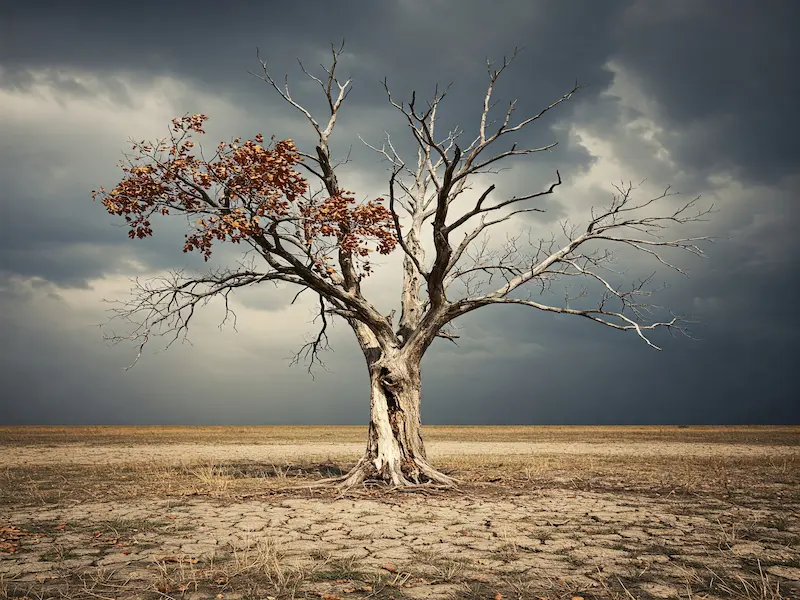
    A dying tree with bare branches and decaying bark, indicating poor health

    5 Signs Your Tree Is Dying

    how to tell if a tree is dead?, look for signs like no leaves during the growing season, peeling or cracked bark, fungus growth, brittle branches, deep trunk cracks, or significant leaning. Regular inspections, such as examining leaf color, checking for strong bark, and conducting a scratch test, help determine how to check if a tree is healthy. – if the layer beneath the bark is dry and brown, then the tree is more likely dead. Here let me explain the signs more in detail,

    Dead or Falling Branches

    Tree parts which have stopped growing or died are called “Dead wood”. It can be caused by aging, disease, pests or environmental stress. Leafless branches, missing bark and brittle or decaying wood are the signs for a dying tree. Traits like temperature and moist change variations will lead stress to a tree.Seasonal abnormalities like extreme cold, heavy snow, strong winds, and drought can weaken trees, causing branches to die or break and fall into the ground or a property or a person. Regular pruning and care help prevent these risks.

    Dead branches or falling branches are a clear sign of a dying tree, as they indicate a breakdown in the tree’s circulatory system. When branches of a tree die, nutrient flow of the tree is disrupted, it will affect the tree’s overall health. If the dieback starts at the top and spreads downward, it’s a strong indication that the tree is in serious decline.

    To avoid dead trees certified arborists suggest tree canopy thinning as a solution. Tree canopy thinning is basically removing selective branches from the tree. By doing this the interior of the canopy can be able to get more sunlight and air, this leads to a healthy journey for a tree!

    Bark Damage or Peeling

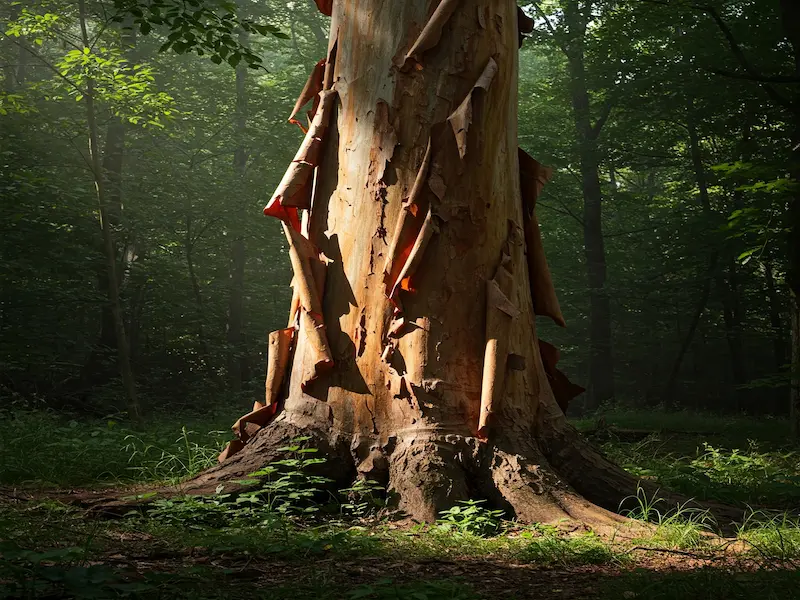
    A tree with bark peeling off, which can indicate disease, pest infestation, or environmental stress

    Bark damage or peeling can signal that a tree is dying, as it disrupts nutrient transport and weakens the tree’s structure. While some trees naturally drop bark, large sections falling off may indicate disease or decay. If extensive damage is present, consulting a professional is essential to assess the tree’s health.

    Cracks and splits in tree branches or trunks let the internal tissues of the tree get affected by harmful pathogens, and allowing fungi or bacterias inside which will cause tree diseases. Tree trunk cracks and bark damages will weaken the tree’s structure. It will leads to disrupt tree’s natural defences, and leave it more exposed to additional damage, disease and make a way for premature deaths of a tree. 

    Fungus or Mushroom Growth

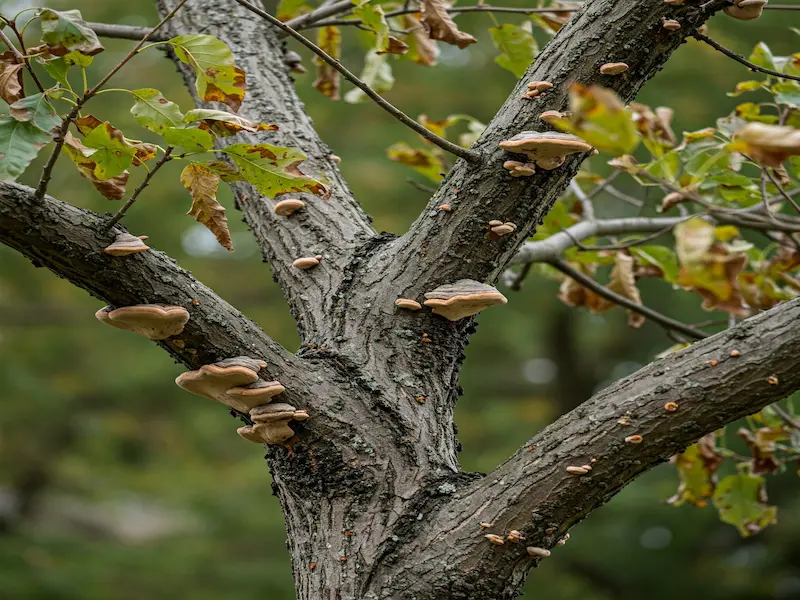
    A tree with visible signs of infection, such as discolored leaves and bark damage.

    The presence of fungus or mushrooms on a tree is a strong sign of decay and potential tree death. Fungi enter inside a tree through wounds in bark and grow inside. Extensive fungal growth leads to enzyme release which breaks down cellulose and lignin which weakens the tree’s structure, leading to instability of a tree which results in internal decay. Causes like improper pruning, fire and lightning can lead to growth of shelf mushrooms in a tree. Root rot disease can also be a consequence of mushroom growth. If the tree leans or shows root rot signs, conducting an urgent inspection could be a wise option. 

    Leaning Tree or Trunk Instability

    A leaning tree or trunk instability is a major warning sign that a tree is dying. It often signals root damage, structural weakness, or internal decay, making the tree vulnerable to collapse. A sudden shift in lean in a tree indicates root system issues, generally triggered by soil erosion, intense weather and root damages, this will make the tree unsteady and leaning tree danger increase the risk of falling particularly nearby homes or pathways. 

    Soil heaving occurs when soil around a tree moves upward, frequently due to tree removal, saturated soil or extreme weather.Storm damage refers to injuries a tree sustains from strong winds, heavy rain, hail, or lightning. The intensity of storm conditions together with tree health conditions determines whether trees sustain broken branches or full uprooting. An arborist Consultation can help assess the severity of the issue and sometimes to prevent potential damage an emergency tree removal required. 

    Root Decay or Soil Issues

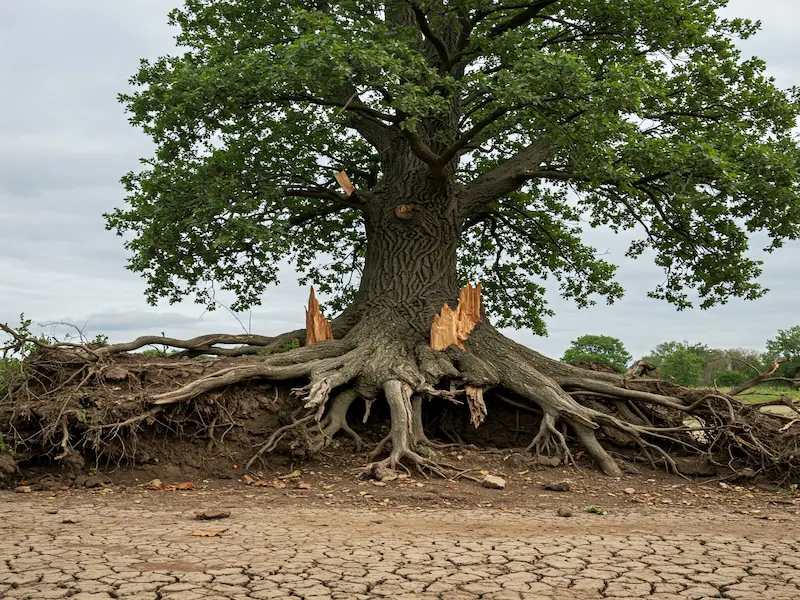
    A tree with exposed or damaged roots, showing signs of instability and stress

    Root decay or soil problems are serious signs that a tree is dying. Decaying roots struggle to absorb water and nutrients, leading to drying leaves, limited growth, and discoloring leaves. Visible signs like rotting roots or fungal growth at the bottom indicate severe issues in a tree.

     A common root decay symptom is soft, mushy roots, which are caused by fungal infections and excessive moisture decomposing the roots and impairing their ability to absorb nutrients and water. Poor drainage, soil compaction, and nutrient imbalances can further weaken the tree, and left construction damages. These kinds of tree root problems will accelerate its decline.

    For a more in-depth guide on spotting signs of a dying or dead tree, check out this resource on how to tell if a tree is dead from Penn State Extension.

    Immediate Actions to Take

    Identifying when to remove a dead tree is crucial to prevent potential hazards like falling branches or structural collapse. In this phase you require more help and assistance.

    Consult a Certified Arborist

    If your tree shows any sign mentioned above, it means your tree is in danger. To save your tree from a black and white life and add getting back to its colorful era all you need to have to do is an arborist consultation. By consulting certified arborists and conducting a tree health assessment you are postponing the unfortunate farewell of your tree.

    Professional Removal Process

    Professional tree removal ensures safety with proper gear and controlled cutting. It is necessary to obtain permits before. The cost of tree removal varies based on factors like tree size, location, and complexity of the job. DIY tree removal attempts are dangerous but hiring tree professionals ensure both safety and efficient performance.

    Preventing Future Issues

    Inspect trees regularly for any indications of decay and pests and structural issues. By following tree care tips such as proper pruning and proper assessment of water supply and soil conditions will promote strong root systems. Prevent tree diseases by ensuring proper watering, mulching, and early pest control. 

    FAQs

    Can a Dying Tree Be Saved?

    Yes, by identifying threats earlier a dying tree can be saved through proper care such as pruning, pest control, and improving soil conditions. but if the tree is in severe condition then it requires removal.

    How Quickly Should a Dangerous Tree Be Removed?

    To avoid potential risks removing the tree earlier as possible is recommended. or else consulting an arborist and conducting a tree health assessment is suggested.

    Is tree removal covered by insurance?

    Insurance for tree removal may be covered if the tree poses a risk due to a storm or damage to property. It’s essential to check your specific policy for details regarding coverage.

     If you failed to recognize those signs and ignored the actions required to take then you may have to face property damage coupled with the risk of falling branches. A safe environment requires both early detection and quick action between proper tree maintenance or expert professional intervention. Contact a certified arborist immediately for complete tree health assessment when you think your tree shows signs tree is dying. Address security needs first and then proceed with necessary steps for danger prevention. Reaching out to emergency tree services or searching for dependable tree removal services near you!

    For expert assistance, contact KD tree services!


    Get a Free Estimate