[email protected] ⚡ Same-day emergency available

Category: Informative & Educational

  • How much does tree removal really cost in Albany, NY? 2026 complete pricing guide

    How much does tree removal really cost in Albany, NY? 2026 complete pricing guide

    If you’re searching for the real tree removal cost in Albany NY, you’ve probably already noticed something frustrating:

    One company quotes $900. Another says $4,500 for what looks like the same job.

    So what’s actually normal?

    The truth is that tree removal pricing depends on several major factors including tree size, location, safety risk, crane access, cleanup requirements, and emergency conditions. That’s why homeowners comparing multiple estimates from a local tree company in Albany often see huge price differences.

    This 2026 guide explains:

    1. Average tree removal prices in Albany
    2. What increases removal costs
    3. Emergency tree removal pricing
    4. Crane and stump grinding costs
    5. Hidden fees homeowners miss
    6. How to avoid overpaying
    7. What a fair tree removal estimate should include

    Whether you need a small backyard removal or a hazardous tree removed near power lines, this guide will help you understand fair pricing before hiring a tree service in Albany.
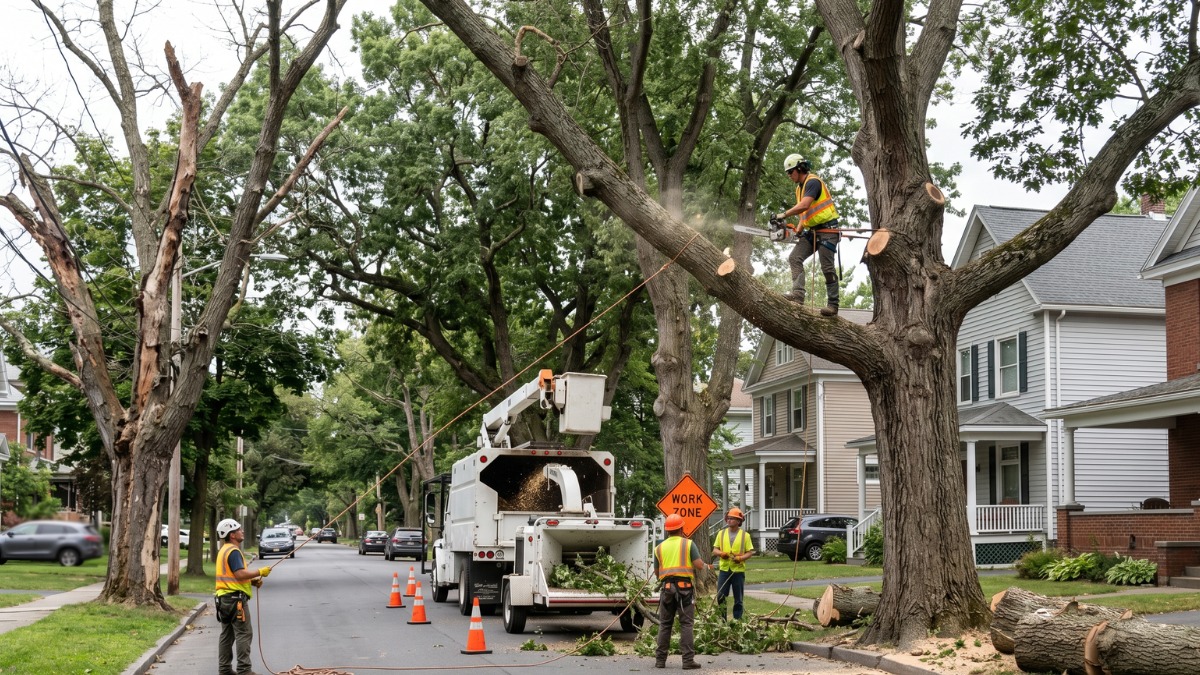
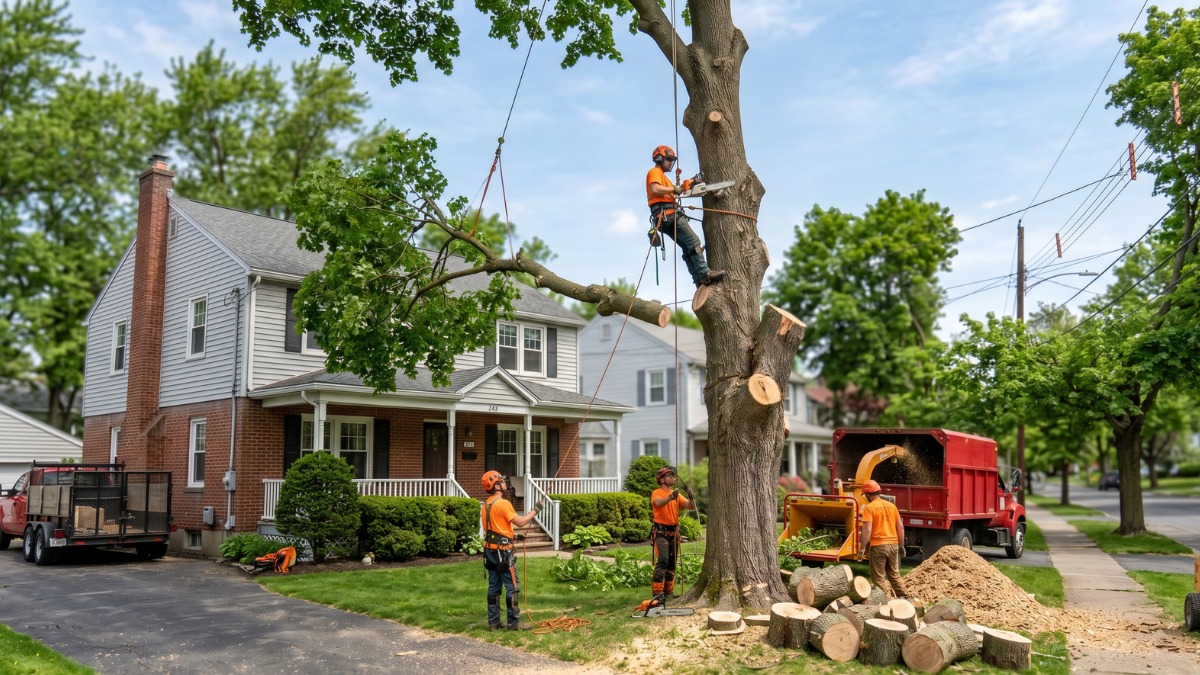
    how much does tree removal cost
    how much does tree removal cost

    Average Tree Removal Cost in Albany, NY

    Most homeowners hiring a tree removal service in Albany NY typically pay:

    Tree SizeTypical HeightAverage Cost
    Small treeUnder 25 ft$250 – $700
    Medium tree25–50 ft$700 – $1,500
    Large tree50–75 ft$1,500 – $3,000
    Extra-large / hazardous tree75+ ft$3,000 – $8,000+

    However, pricing depends on far more than height alone.

    For example, a small tree growing near utility lines may cost more to remove than a larger tree sitting safely in an open yard. Many homeowners searching for affordable tree removal in Albany NY don’t realize how strongly location and safety affect pricing.

    What Actually Affects Tree Removal Cost?

    1. Tree Location on Your Property

    This is one of the biggest pricing factors for any tree service company in Albany, NY.

    Trees located near:

    1. homes
    2. garages
    3. fences
    4. driveways
    5. pools
    6. sidewalks
    7. power lines

    require slower and more technical removal methods.

    Example:

    A 60-foot maple tree in an open backyard may cost:

    -> $1,800

    The same tree hanging over a roof could cost:

    -> $4,500+

    Why?

    Because professional crews must:

    1. lower branches carefully
    2. use advanced rigging systems
    3. protect nearby structures
    4. increase labor and safety precautions

    This is especially common with residential tree removal jobs in older Albany neighborhoods where homes sit close together.

    2. Tree Species Can Increase Removal Pricing

    Some species are simply harder and riskier to remove.

    Common high-cost removals in Albany include:

    1. mature oak trees
    2. large maple trees
    3. dead ash trees
    4. tall pine trees
    5. dense spruce trees

    Dead ash trees are particularly dangerous because they become brittle and unstable over time.

    That often requires:

    1. crane-assisted tree removal
    2. bucket trucks
    3. specialized safety equipment

    Many companies offering hazardous tree removal in Albany charge more for dead or structurally compromised trees because of the added risk.

    3. Emergency Tree Removal Costs More

    Storm-damaged trees are unpredictable and dangerous.

    If a tree is:

    1. leaning
    2. split
    3. hollow
    4. uprooted
    5. partially fallen
    6. hanging over structures

    the removal process becomes far more hazardous.

    Emergency tree removal in Albany usually costs more because crews may need:

    1. same-day dispatch
    2. after-hours labor
    3. emergency safety equipment
    4. rapid debris cleanup

    Typical emergency tree removal cost in Albany:

    -> $2,500 – $10,000+ depending on severity

    After major storms, demand for emergency tree service in Albany, NY often spikes dramatically.

    4. Crane Tree Removal Pricing in Albany

    Crane-assisted removal is increasingly common throughout Albany and nearby areas like Delmar, Colonie, and Guilderland.

    A crane may be necessary when:

    1. the tree leans toward a house
    2. access is extremely limited
    3. the tree is unusually tall
    4. sections cannot be safely dropped

    Typical crane surcharge:

    -> $1,000 – $3,500+

    Although cranes increase cost, they often:

    1. improve safety
    2. reduce lawn damage
    3. minimize property risk
    4. speed up the project

    For difficult removals, many experienced arborists recommend crane-assisted tree removal because it lowers the chance of structural damage.

    5. Accessibility Greatly Impacts Labor Costs

    The easier crews can access your tree, the lower your estimate usually becomes.

    Pricing may increase if workers must:

    1. climb manually
    2. carry debris long distances
    3. avoid landscaping features
    4. work behind fences
    5. use specialty equipment

    Limited backyard access is one of the most overlooked factors affecting tree removal prices in Albany.

    Homes in tighter residential areas often require significantly more labor than homes with open yard access.

    Real Albany Tree Removal Price Examples

    These examples reflect realistic 2026 pricing homeowners may encounter when hiring a local tree service company in Albany.

    Example 1 — Small Backyard Removal

    1. 20-foot ornamental tree
    2. Easy access
    3. No nearby structures

    Estimated cost:

    -> $350 – $650

    Example 2 — Medium Maple Near Driveway

    1. 45-foot maple tree
    2. Moderate rigging required
    3. Full debris cleanup included

    Estimated cost:

    -> $1,200 – $2,000

    This is one of the most common residential tree removal jobs in Albany suburbs.

    Example 3 — Large Hazardous Oak Removal

    1. 80-foot oak tree
    2. Hanging over roof
    3. Crane required
    4. Stump grinding included

    Estimated cost:

    -> $4,500 – $8,000+

    Hazardous removals involving structures are among the highest-priced tree service jobs in Albany, NY.

    Example 4 — Emergency Storm Damage Removal

    1. Split pine tree after storm
    2. Immediate danger near home
    3. Same-day emergency response

    Estimated cost:

    -> $2,500 – $6,000+

    Storm season usually creates the highest demand for emergency tree removal services in Albany.

    Does Homeowners Insurance Cover Tree Removal?

    Sometimes.

    Insurance may cover removal if:

    1. the tree falls because of a covered storm event
    2. it damages your home or garage
    3. it blocks a driveway or accessibility route

    Insurance usually does NOT cover:

    1. preventive tree removal
    2. healthy tree removal
    3. cosmetic cleanup only

    Many homeowners searching for tree removal estimates in Albany, NY are surprised to learn that insurance coverage depends heavily on the situation and policy details.

    Professional tree companies often help document storm-related damage for insurance claims.

    Do You Need a Permit to Remove a Tree in Albany?

    Permit requirements vary depending on:

    1. property location
    2. protected tree status
    3. HOA regulations
    4. sidewalk or road impact
    5. utility involvement

    Professional arborists and licensed tree service companies should help explain:

    1. permit requirements
    2. utility coordination
    3. local restrictions
    4. traffic control needs

    Large removals near public roads or utility lines may require additional approvals.

    Stump Grinding Cost in Albany, NY

    Tree removal and stump grinding are usually priced separately.

    Typical stump grinding prices:

    Stump SizeAverage Cost
    Small stump$100 – $250
    Medium stump$250 – $500
    Large stump$500 – $1,000+

    Pricing depends on:

    1. stump diameter
    2. root spread
    3. accessibility
    4. cleanup depth

    Many homeowners hiring a tree cutting service in Albany NY choose stump grinding at the same time to fully clear the area.

    Hidden Tree Removal Fees Homeowners Miss

    Some estimates look cheap at first but become expensive later.

    Always ask whether your quote includes:

    1. debris hauling
    2. branch cleanup
    3. log removal
    4. stump grinding
    5. crane charges
    6. emergency fees
    7. permit costs
    8. lawn protection
    9. wood chip disposal

    Transparent pricing is one of the biggest signs of a trustworthy local tree company.

    How to Avoid Overpaying for Tree Removal

    Most homeowners compare 3–5 companies before hiring a tree service in Albany.

    That’s smart.

    But don’t compare price alone.

    Look for:

    1. proof of insurance
    2. experienced crews
    3. proper safety equipment
    4. written estimates
    5. online reviews
    6. cleanup details
    7. realistic timelines

    Red Flags to Watch For

    Avoid companies that:

    1. pressure you immediately
    2. refuse written estimates
    3. cannot provide insurance proof
    4. quote suspiciously low prices
    5. demand full payment upfront

    Extremely cheap estimates often lead to:

    1. incomplete cleanup
    2. uninsured accidents
    3. property damage
    4. surprise charges later

    When comparing tree removal company in Albany NY, transparency matters far more than the lowest price.

    Best Time of Year for Tree Removal in Albany

    Late winter and early spring are often the best times for affordable tree removal in Albany.

    Benefits include:

    1. lower seasonal demand
    2. easier scheduling
    3. frozen ground protection
    4. reduced lawn damage

    Storm season usually creates peak pricing because emergency demand increases rapidly.

    How Long Does Tree Removal Usually Take?

    Most residential tree removals take:

    -> 2–8 hours

    Large hazardous removals may require:

    -> 1–3 days

    Timeline depends on:

    1. tree size
    2. weather conditions
    3. crane usage
    4. accessibility
    5. cleanup requirements

    Larger projects involving crane-assisted removal naturally take longer.

    Why Professional Tree Removal Matters

    Tree removal is one of the most dangerous residential services homeowners hire for.

    Professional tree crews use:

    1. climbing systems
    2. industrial rigging equipment
    3. cranes
    4. bucket trucks
    5. advanced safety procedures
    6. liability insurance

    DIY removal can lead to:

    1. severe injury
    2. structural damage
    3. utility accidents
    4. expensive liability problems

    That’s why homeowners searching for licensed tree removal company in Albany should always verify insurance and experience before hiring.

    Frequently Asked Questions

    What is the average tree removal cost in Albany, NY?

    Most homeowners pay between $700 and $3,000 depending on tree size, risk level, and accessibility.

    Is winter cheaper for tree removal?

    Yes, winter is often more affordable because demand for tree service in Albany slows down during colder months.

    Does homeowners insurance pay for fallen tree removal?

    Sometimes. Coverage usually applies if the tree damages a structure or falls because of a covered storm event.

    How much does stump grinding cost in Albany?

    Most stump grinding jobs range between $100 and $1,000 depending on stump size and root complexity.

    How do I know if a tree is dangerous?

    Common warning signs include:

    1. dead branches
    2. trunk cracks
    3. leaning
    4. hollow sections
    5. fungal growth
    6. storm damage
    7. exposed roots

    If you notice these issues, schedule a professional tree inspection immediately.

    Final Thoughts: What Should You Expect to Pay?

    For most homeowners in Albany:

    1. Small removals may cost a few hundred dollars
    2. Medium removals usually range from $1,000–$2,000
    3. Large hazardous removals can exceed several thousand dollars

    The key is understanding:

    1. why pricing varies
    2. what services are included
    3. whether the company is properly insured
    4. how safely the work will be performed

    The best tree service companies don’t just hand you a price.

    They explain the risks, equipment, labor, cleanup process, and exactly what you’re paying for.

    Request a Free Tree Removal Estimate in Albany

    If you’re comparing local tree service companies in Albany, ask for:

    1. on-site inspection
    2. written pricing
    3. proof of insurance
    4. cleanup details
    5. crane requirements
    6. estimated timeline

    A professional estimate should provide transparency, safety, and clear expectations from the beginning.

    Call today to schedule your FREE tree removal estimate in Albany NY and get honest upfront pricing with no hidden fees.
  • Tree Service in Bogart GA 2026: Complete Homeowners Guide to Tree Removal, Costs, Emergency Storm Cleanup & Local Tree Laws

    Tree Service in Bogart GA 2026: Complete Homeowners Guide to Tree Removal, Costs, Emergency Storm Cleanup & Local Tree Laws

    Looking for reliable tree service in Bogart? Whether you need emergency storm cleanup, hazardous tree removal, routine pruning, stump grinding, or a certified arborist inspection, hiring the right local tree company is important for protecting your property, improving safety, and preventing expensive damage.

    Homeowners throughout Bogart and Oconee County are increasingly dealing with storm-damaged trees, aging pines near homes, and rising tree maintenance costs in 2026. This complete homeowner’s guide explains everything you need to know about tree removal, tree trimming, local tree laws, insurance concerns, and how to hire qualified arborists in North Georgia.

    If you’ve searched:
    “Who is the best tree service company near me in Bogart Georgia?”

    This guide was written for you.

    Quick Answer: Average Tree Service Costs in Bogart GA (2026)

    Tree ServiceAverage Cost
    Small tree removal$250–$600
    Medium tree removal$600–$1,200
    Large hazardous tree removal$1,200–$3,500+
    Emergency storm cleanup$1,000–$5,000
    Tree trimming and pruning$200–$900
    Stump grinding$100–$500
    Arborist inspection$150–$400

    Several factors affect pricing:

    1. Tree height and diameter
    2. Tree condition and structural stability
    3. Emergency response timing
    4. Crane or specialized equipment requirements
    5. Accessibility to backyard areas
    6. Power line proximity
    7. Debris cleanup and hauling

    Large oak and pine removals near homes usually require advanced rigging systems and highly trained climbing crews.

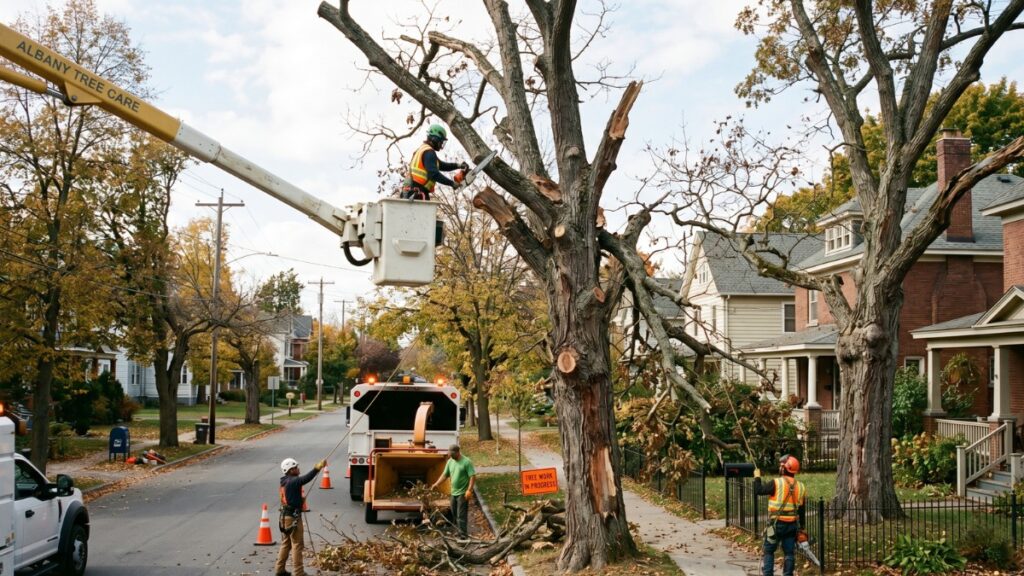
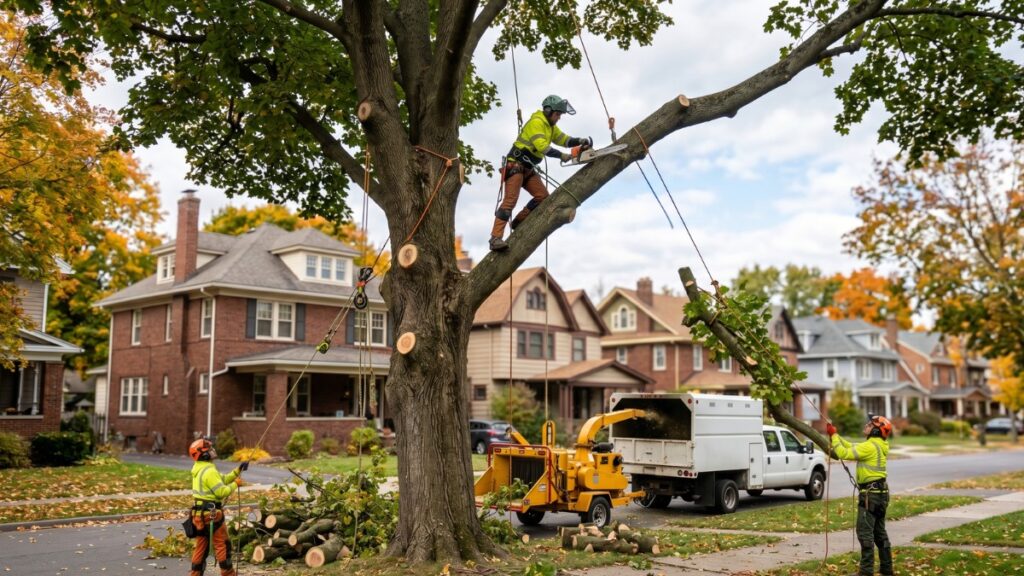
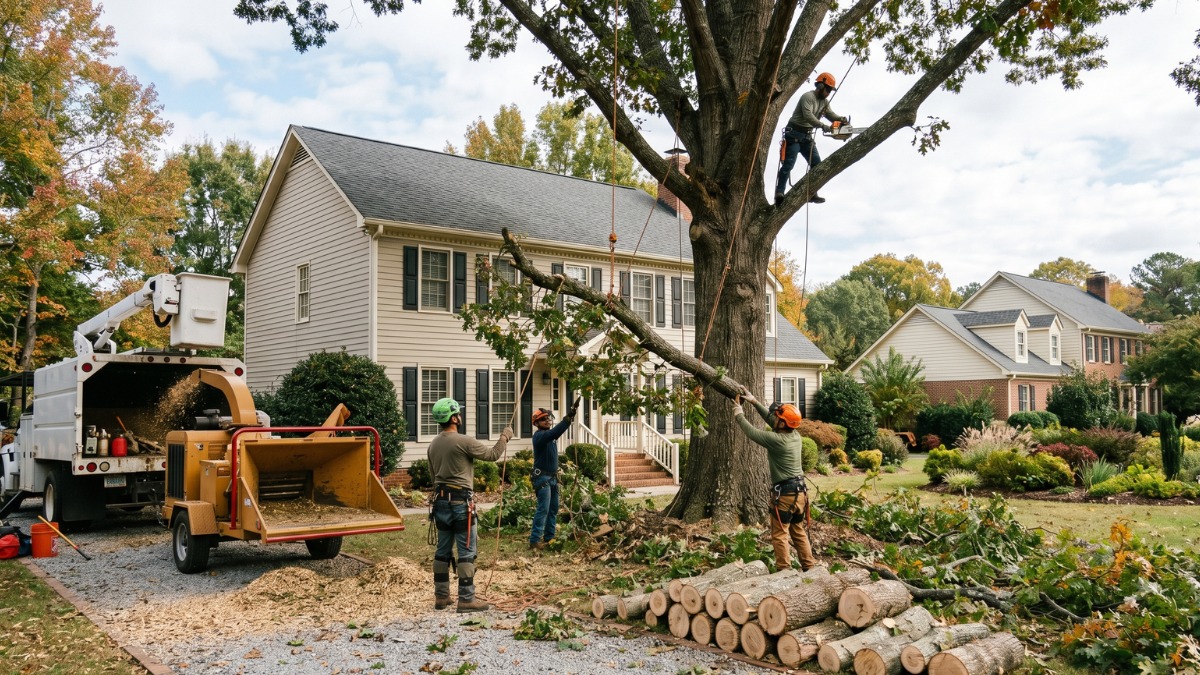
    tree company oconee county ga


    Why Tree Maintenance Matters in Bogart Georgia

    Healthy trees improve:

    1. Property value
    2. Shade coverage
    3. Energy efficiency
    4. Curb appeal
    5. Neighborhood appearance

    However, neglected trees can quickly become dangerous during Georgia’s storm season.

    Professional tree trimming in Bogart Georgia helps reduce storm damage risks, improves tree structure, and prevents weak limbs from falling during severe weather.

    Routine maintenance also helps:

    1. Prevent roof damage
    2. Protect driveways and foundations
    3. Reduce liability risks
    4. Improve lawn sunlight exposure
    5. Keep trees healthier long term

    Homeowners throughout Bogart, Watkinsville, and nearby Athens communities are increasingly scheduling annual arborist inspections before storm season arrives.

    Common Signs a Tree May Need Removal

    Dangerous trees often show warning signs before failure occurs.

    Warning Signs Include:

    1. Large dead branches
    2. Sudden leaning
    3. Hollow trunk sections
    4. Visible trunk cracks
    5. Fungus near roots
    6. Severe storm damage
    7. Root lifting near foundations
    8. Dead upper canopy

    If you notice these issues, schedule a professional inspection immediately.

    Tree removal in Bogart GA is often necessary when trees become structurally unstable or threaten nearby homes, fences, driveways, or power lines.

    Tree Trimming vs Tree Removal: What’s the Difference?

    Not every damaged tree requires complete removal.

    Tree Trimming Is Recommended For:

    1. Overgrown limbs
    2. Preventive maintenance
    3. Roof clearance
    4. Seasonal pruning
    5. Improving tree appearance
    6. Increasing storm resistance

    Routine trimming helps trees remain healthier and safer during heavy Georgia storms.

    Tree Removal Is Usually Necessary When:

    1. A tree is dead
    2. Disease is spreading
    3. Structural integrity is compromised
    4. Roots are failing
    5. Storm damage is severe
    6. Trees lean dangerously
    7. Nearby structures are threatened

    A certified arborist in Bogart GA can evaluate tree health and determine whether pruning or removal is the safest solution.

    Emergency Tree Service in Bogart GA

    Strong winds and thunderstorms frequently impact homes throughout Oconee County.

    Emergency tree service in Bogart GA is often required after:

    1. Fallen trees block driveways
    2. Limbs damage roofs
    3. Trees collapse onto homes
    4. Storm debris creates hazards
    5. Split trunks threaten structures

    Emergency Tree Services Usually Include:

    1. Hazardous tree removal
    2. Roof clearance
    3. Storm debris cleanup
    4. Hanging limb removal
    5. Split tree stabilization
    6. Insurance documentation support

    Many local companies now provide 24/7 emergency response throughout the Bogart area.

    Important Storm Safety Tips

    After severe weather:

    1. Never touch fallen power lines
    2. Stay away from hanging limbs
    3. Avoid split trunks under tension
    4. Keep children and pets away from damaged trees
    5. Do not attempt dangerous chainsaw work yourself

    Large storm-damaged trees require professional equipment and trained removal crews.

    Real Local Example: Emergency Pine Tree Removal Near Bogart

    After a severe thunderstorm moved through the Bogart area last spring, a homeowner experienced a large pine tree collapsing across their garage roof.

    The emergency crew:

    1. Secured the damaged structure
    2. Removed the tree in sections
    3. Used crane-assisted rigging
    4. Prevented additional structural damage
    5. Completed debris hauling the same day

    Situations like this show why fast emergency response and experienced local arborists matter during Georgia storm season.

    Do You Need a Permit for Tree Removal in Bogart GA?

    Sometimes.

    Depending on the property location, HOA rules, or development regulations, certain tree removals may require approval before work begins.

    Some homeowners refer to these local regulations as the Bogart GA tree ordinance, especially when dealing with protected hardwoods or neighborhood tree restrictions.

    Approval May Be Required For:

    1. Protected trees
    2. Large-scale lot clearing
    3. HOA-regulated neighborhoods
    4. Utility easement conflicts
    5. Commercial property removals

    Before removing large trees:

    1. Review HOA requirements
    2. Verify property boundaries
    3. Check utility clearances
    4. Contact local planning offices if needed

    Experienced local companies familiar with Bogart regulations can often help guide homeowners through the process.

    How Much Does Tree Removal Cost in Bogart GA?

    Tree removal costs depend heavily on:

    1. Tree size
    2. Risk level
    3. Accessibility
    4. Nearby structures
    5. Equipment requirements

    Small Tree Removal

    Smaller ornamental trees are generally affordable and fast to remove.

    Average Cost:
    $250–$600

    Medium Tree Removal

    Medium trees near fences, homes, or driveways require more labor and controlled rigging.

    Average Cost:
    $600–$1,200

    Large Hazardous Tree Removal

    Large pine or oak trees often require:

    1. Crane support
    2. Climbing crews
    3. Advanced rigging systems
    4. Specialized safety equipment

    Average Cost:
    $1,200–$3,500+

    Emergency removals usually cost more because of urgency and hazardous working conditions.

    Does Homeowners Insurance Cover Fallen Trees?

    Insurance coverage depends on the cause of damage.

    Insurance May Cover:

    1. Storm-related tree damage
    2. Trees falling on homes
    3. Structural cleanup
    4. Driveway obstruction

    Insurance Usually Does NOT Cover:

    1. Preventive removal
    2. Healthy tree removal
    3. Neglected maintenance
    4. Cosmetic landscaping repairs

    After storm damage:

    1. Take photos immediately
    2. Document all affected areas
    3. Save receipts
    4. Contact your insurance company quickly

    Many professional tree companies help homeowners with insurance documentation and claims support.

    Why Hiring a Certified Arborist Matters

    Tree work is one of the most dangerous home service industries in America.

    Hiring a certified arborist in Bogart GA helps homeowners protect valuable trees while ensuring safe pruning, proper maintenance, and professional removal practices.

    The International Society of Arboriculture certification demonstrates advanced training in:

    1. Tree biology
    2. Disease diagnosis
    3. Hazard assessment
    4. Safe pruning standards
    5. Structural evaluations

    Look for companies with:

    1. ISA Certified Arborists
    2. Liability insurance
    3. Workers’ compensation coverage
    4. Local references
    5. Verified customer reviews
    6. Professional safety equipment

    Questions to Ask Before Hiring a Tree Company

    Before signing any estimate, ask:

    1. Are you licensed and insured?
    2. Do you employ certified arborists?
    3. Is debris cleanup included?
    4. Will you provide a written estimate?
    5. What safety procedures do you use?
    6. Do you offer emergency response?
    7. How long will the project take?
    8. Can you provide local references?

    Always hire a licensed tree contractor in Bogart with proper insurance, safety training, and professional equipment.

    Why Local Experience Matters

    An experienced tree company in Oconee County GA understands local tree species, regional storm risks, and neighborhood regulations affecting residential properties.

    Local companies also provide:

    1. Faster emergency response
    2. Better long-term customer support
    3. Familiarity with Georgia weather patterns
    4. Knowledge of HOA restrictions
    5. Understanding of local soil and tree conditions

    Homeowners searching for an arborist near me in Bogart Georgia often prefer companies with strong local reviews and real project experience throughout the area.

    Common Homeowner Mistakes to Avoid

    Hiring Uninsured Contractors

    Cheap uninsured crews can create serious liability risks if accidents occur.

    Ignoring Warning Signs

    Small tree problems often become expensive emergencies later.

    Attempting DIY Tree Removal

    Chainsaw injuries and ladder accidents are extremely common during DIY removals.

    Large trees should always be handled by trained professionals.

    Delaying Routine Maintenance

    Preventive trimming is far less expensive than emergency storm cleanup.

    How Tree Maintenance Improves Property Value

    Professionally maintained trees improve:

    1. Shade quality
    2. Energy efficiency
    3. Buyer appeal
    4. Property appearance
    5. Neighborhood aesthetics

    Healthy mature trees are considered valuable landscape features throughout Bogart and surrounding Georgia communities.

    Frequently Asked Questions

    Who is the best tree service company near me in Bogart Georgia?

    Look for companies with ISA-certified arborists, strong local reviews, proper insurance, emergency response availability, and experience working throughout Bogart and Oconee County.

    How much does tree removal cost in Bogart GA?

    Most homeowners spend between $600 and $3,500 depending on tree size, accessibility, and risk level.

    Can a diseased tree be saved?

    Sometimes. Arborists can determine whether pruning, treatment, or removal is the safest option.

    How quickly can emergency crews respond after storms?

    Many local companies offer 24/7 emergency storm response services.

    Should trees hanging over my roof be trimmed?

    Yes. Overhanging limbs increase the risk of roof damage, moisture problems, pests, and storm-related breakage.

    Final Thoughts

    Trees are one of the most valuable features on North Georgia properties, but they require proper care, routine inspections, and professional maintenance to remain safe and healthy.

    Whether you need emergency storm cleanup, trimming, stump grinding, or complete tree removal in Bogart GA, working with experienced local professionals helps protect your home, family, and long-term property value.

    As severe weather continues affecting Bogart and Oconee County in 2026, proactive tree care is becoming more important than ever for homeowners across the region.

    Choosing a trusted local arborist with proper certifications, insurance coverage, safety training, and real community experience ensures your property stays protected year-round.

  • Albany Is Losing Hundreds of Aging Trees Near New Scotland Ave and Your Property Could Be Next

    Albany Is Losing Hundreds of Aging Trees Near New Scotland Ave and Your Property Could Be Next

    For decades, the towering maple trees lining New Scotland Avenue helped define some of Albany’s most recognizable neighborhoods. Streets throughout Pine Hills, Buckingham Pond, and nearby residential corridors became known for mature tree canopies that shaded homes, cooled sidewalks during humid summers, and gave older properties timeless curb appeal.

    Now many of those same trees are entering dangerous decline at the same time, leading more homeowners to search for professional tree removal in Albany NY before severe weather causes major property damage.

    Across Albany, aging silver maples and Norway maples are increasingly showing signs of structural failure, internal decay, and storm-related weakness. Local arborists and urban forestry professionals throughout the Capital Region have been warning that many trees planted during Albany’s post-war expansion years are simultaneously reaching the end of their safe lifespan.

    And most homeowners have no idea their tree is failing until something serious happens.

    Sometimes it starts with a heavy limb crashing onto a roof during a summer thunderstorm. Other times, homeowners notice splitting branches after a wet snowstorm or discover large dead sections high in the canopy that suddenly appeared over winter.

    In some cases, trees that looked “healthy” from the street were already hollow inside.

    That is exactly why more Albany homeowners are beginning to ask an important question:

    “Could my tree be next?”

    If your property contains mature maple trees planted decades ago, the answer may be yes.

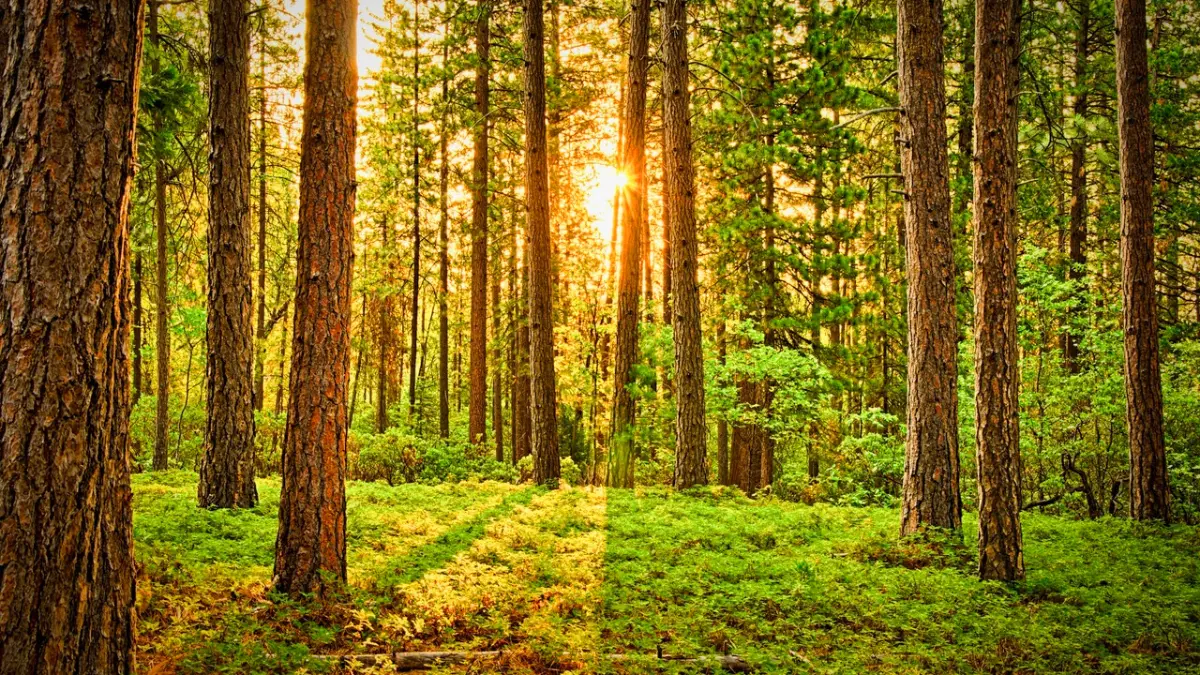
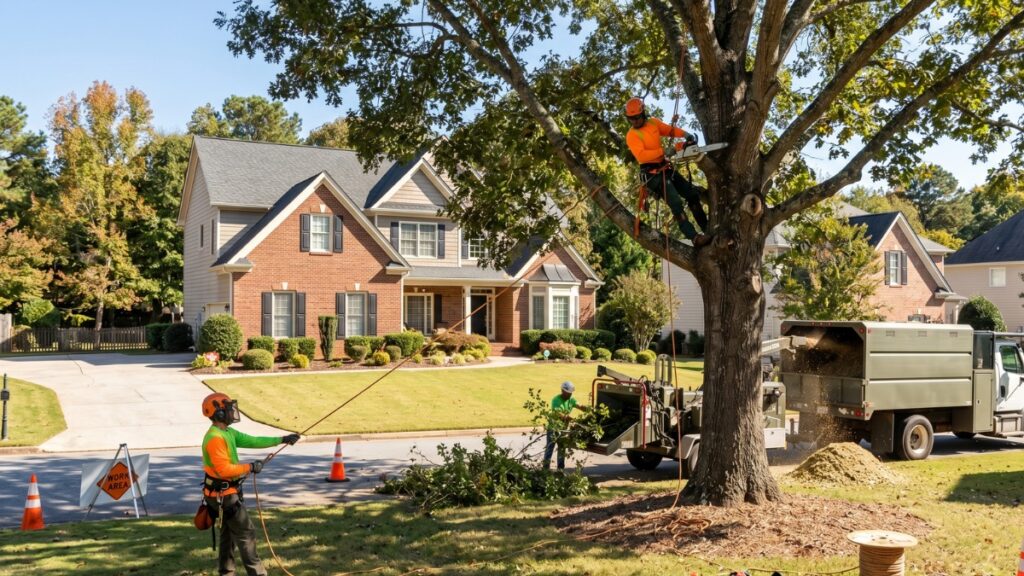
    Best Tree Removal in Albany NY

    Why So Many Albany Trees Are Suddenly Failing

    What’s happening across New Scotland Avenue is not random.

    It’s the result of a long-developing urban forestry problem that many Northeastern cities are now facing.

    During the 1940s through 1970s, fast-growing shade trees like silver maple and Norway maple became extremely popular throughout Albany neighborhoods. Developers and municipalities planted them heavily because they grew quickly, created large canopies fast, and gave new neighborhoods an established appearance.

    The problem is that thousands of these trees were planted within the same general time period.

    Today, many are aging out together.

    Urban forestry professionals often refer to this as an “even-aged canopy issue,” where large groups of trees decline simultaneously because they share similar species, age, environmental stress, and growing conditions.

    Throughout Albany, tree crews and ISA-certified arborists are increasingly seeing:

    hollow trunks

    severe canopy dieback

    internal decay

    root instability

    splitting trunks

    fungus growth near the base

    dead upper limbs

    sudden branch failures during storms

    Silver maples are especially vulnerable because they grow rapidly but develop weaker wood than many slower-growing native hardwood species. As they mature, large limbs become increasingly prone to cracking under stress from wind, ice, or heavy snow.

    Norway maples create different long-term problems. Their shallow root systems often struggle in compacted urban soil while mature trees become more brittle over time.

    What makes the situation particularly dangerous is that many declining trees still appear alive and full from a distance even while serious internal decay is already progressing.

    Why New Scotland Avenue Became a Hotspot

    The New Scotland Avenue corridor contains many residential blocks where trees were planted uniformly decades ago.

    That means entire streets may now contain trees of nearly identical age and species.

    When one begins declining, neighboring trees often show similar structural problems within only a few years.

    Several Albany-specific conditions have accelerated the issue dramatical.

    1. Albany’s Harsh Freeze Thaw Cycles

    Capital Region winters are especially hard on aging trees.

    Water enters small cracks in trunks and limbs during warmer daytime temperatures. Overnight freezing causes that moisture to expand internally, slowly worsening structural weakness year after year.

    Older maples already suffering from decay become highly vulnerable during these repeated freeze-thaw cycles.

    This is one reason some trees suddenly split or collapse after winter even if they appeared stable the previous fall.

    2. Road Salt Damage

    Trees near roads, sidewalks, and driveways absorb salt runoff every winter.

    Over time, road salt damages root systems and interferes with nutrient uptake.

    Common symptoms include:

    thinning leaves

    premature fall color

    dead branch tips

    weak spring growth

    bark splitting

    canopy thinning

    Combined with decades of urban stress, mature trees become far less resilient during severe weather.

    3. Storm Damage That Builds Over Time

    Many Albany residents remember storms that caused widespread limb failures and National Grid outages across the region.

    But one major misconception is that surviving a storm means the tree is fine.

    In reality, structural damage often remains hidden for years.

    A tree weakened during one storm may not fully fail until much later. Arborists frequently discover internal cracking and decay inside trees homeowners believed were still healthy.

    During recent storm seasons across Upstate New York, many emergency tree removals involved mature maples that had shown warning signs long before complete failure occurred.

    4. Soil Compaction Around Older Properties

    Urban trees rarely receive ideal growing conditions long term.

    Driveways, sidewalks, parked vehicles, construction activity, and heavy foot traffic slowly compact soil around roots over decades.

    Compacted soil reduces oxygen movement underground and weakens root health.

    This creates chronic stress that slowly reduces structural stability over time, which is why many homeowners eventually require professional tree removal in Albany NY after years of unnoticed decline.

    The Warning Signs Many Homeowners Miss

    One of the biggest mistakes homeowners make is assuming:

    “If the tree still has leaves, it must be healthy.”

    Unfortunately, that is not always true.

    Many structurally compromised trees continue producing leaves even while severe internal decay develops.

    Here are the warning signs Albany homeowners should never ignore.

    Large Dead Sections High in the Canopy

    If major limbs stop producing leaves during spring or summer, internal decline may already be progressing significantly.

    Dead upper canopy growth is one of the clearest indicators of stress.

    Vertical Cracks Along the Trunk

    Deep splits in the trunk often signal severe structural weakness.

    These cracks commonly worsen during freeze-thaw cycles.

    Hollow Cavities

    Large openings or hollow sections inside the trunk usually indicate decay.

    Although some hollow trees survive temporarily, stability becomes unpredictable.

    Mushrooms or Fungus Near the Base

    Fungal growth near the trunk flare or roots may indicate internal rot.

    This is especially common in older silver maples throughout Albany neighborhoods.

    Sudden Leaning

    A tree that suddenly leans after storms or heavy rain may have root failure beginning underground.

    This should always be professionally inspected immediately.

    Frequent Limb Drops

    If branches regularly fall during mild wind or normal weather conditions, structural integrity may already be compromised.

    Many Albany emergency tree service calls begin with repeated limb-drop complaints.

    How Old Is Your Tree? It May Be Older Than You Think

    Many homeowners underestimate the age of trees on their property.

    A maple planted by previous homeowners during Albany’s suburban expansion decades could already be approaching advanced decline stages, increasing the likelihood of needing emergency tree service in Albany NY during future storms or heavy winter weather.

    A rough age estimate can be calculated using trunk diameter.

    Measure the tree circumference approximately 4.5 feet above ground level and divide by 3.14 to estimate diameter.

    For silver maples:

    20-inch diameter → often 50–60 years old

    30-inch diameter → frequently 80+ years old

    However, urban conditions often shorten lifespan significantly.

    Trees exposed to:

    road salt

    poor pruning

    storm stress

    root restriction

    compacted soil

    repeated construction damage

    …may decline earlier than expected.

    Who Is Responsible for Dangerous Trees in Albany?

    This is one of the most misunderstood issues homeowners face.

    Trees Near Streets and Sidewalks

    Some trees located between sidewalks and roads may involve city oversight or permit requirements.

    However, responsibility can vary depending on exact location and property boundaries.

    Homeowners should never assume the city will automatically remove a hazardous tree.

    Trees on Private Property

    If the tree originates on private property, the homeowner is typically responsible for:

    inspections

    maintenance

    pruning

    removal

    damage liability

    If a neglected tree damages a neighboring home, fence, vehicle, or utility line, liability issues can become expensive very quickly.

    Why Waiting Often Costs More

    Many homeowners delay inspections because the tree still “looks okay.”

    Unfortunately, emergency tree removal is usually far more expensive than planned preventive work.

    Emergency situations may require:

    crane removals

    blocked-road coordination

    power line safety procedures

    nighttime storm response crews

    hazardous climbing conditions

    Meanwhile, storm damage can include:

    roof destruction

    broken siding

    crushed vehicles

    damaged fences

    electrical hazards

    insurance complications

    A professional arborist inspection costs far less than major structural repairs after a tree failure.

    What Albany Homeowners Should Do Right Now

    If your neighborhood contains mature maples, proactive inspection is critical.

    Step 1: Walk Your Property Carefully

    Look for:

    dead limbs

    hanging branches

    trunk cracks

    hollow cavities

    fungus growth

    sudden leaning

    canopy thinning

    Photograph changes yearly to monitor decline progression.

    Step 2: Schedule an ISA Certified Arborist Inspection

    Professional arborists can identify structural problems long before visible collapse occurs.

    This becomes especially important after:

    wind storms

    ice storms

    wet snow accumulation

    summer thunderstorm activity

    Step 3: Avoid Improper Pruning

    “Topping” mature maples often accelerates decline and creates weak regrowth that becomes even more hazardous later.

    Improper pruning can shorten tree lifespan dramatically.

    Step 4: Plan Tree Replacement Before Failure Happens

    Waiting until a tree collapses creates unnecessary risk and significantly higher costs.

    Planned removal allows homeowners to safely transition their property before emergency conditions develop.

    Best Replacement Trees for Albany Properties

    Urban forestry experts increasingly recommend greater species diversity throughout Albany neighborhoods.

    Overreliance on a few fast-growing species is exactly what contributed to today’s widespread aging-tree problem.

    Several replacement trees perform much better in modern urban conditions.

    Red Maple

    Excellent fall color with stronger adaptability than silver maple.

    Swamp White Oak

    Long lifespan, strong storm resistance, and excellent shade potential.

    Kentucky Coffeetree

    Highly tolerant of difficult urban environments and compacted soils.

    Hackberry

    Surprisingly resilient against city stress and harsh weather conditions.

    Disease Resistant Elm Varieties

    Modern elm cultivars provide classic canopy beauty with far better disease resistance than older generations.

    Native and climate-adapted species generally provide the best long term stability for Capital Region properties, especially for homeowners exploring long-term tree replacement services after removing aging or hazardous maples.

    Albany’s Tree Problem Is Bigger Than One Street

    What is happening near New Scotland Avenue reflects a much larger challenge affecting older cities throughout the Northeast.

    Entire generations of urban trees are aging simultaneously.

    Communities that once depended heavily on fast-growing species are now facing:

    mass removals

    declining canopy coverage

    rising maintenance costs

    increasing storm hazards

    expensive long-term replanting efforts

    For homeowners, the lesson is clear:

    A mature tree adds enormous beauty, shade, and property value but only when it remains structurally safe and properly maintained.

    Ignoring warning signs can turn a beautiful shade tree into a major financial and safety risk surprisingly quickly.

    Final Thoughts

    Albany’s mature tree canopy remains one of the city’s greatest assets, especially throughout neighborhoods surrounding New Scotland Avenue.

    But many silver maples and Norway maples planted generations ago are now entering serious decline at the same time.

    Homeowners who act early can:

    reduce storm damage risk

    avoid emergency removals

    protect nearby structures

    prevent costly property damage

    safely transition to healthier replacement trees

    If your property contains mature maples, now is the time for a professional tree inspection not after the next severe storm warning moves through Albany.

    Because once a large aging tree begins visibly failing, the internal damage is often already far worse than most homeowners realize.

  • The Role of Trees in Urban Landscapes and Their Environmental Benefits

    The Role of Trees in Urban Landscapes and Their Environmental Benefits

    Cities around the world are growing very fast. The main reason is that many people have recently moved to urban areas. Since the population is increasing rapidly, roads, buildings, and houses are also being built very quickly.

    However, the problem is that green spaces like parks and forests are more likely to be removed when this process happens. Some may think this is a normal process, but the reality is different. Because of these changes, air pollution has increased, temperatures have become hotter, and it is becoming harder to find clean water.

    That is why experts suggest that while developing, it is very important to keep trees in urban landscapes.

    This is because trees can help solve the problems we mentioned earlier. Trees have many environmental benefits, which is why many people are focusing on urban planning with trees nowadays.

    Importance of Trees in Urban Landscapes

    Importance of Trees in Urban Landscapes

    When a city has more trees, it becomes a healthier and more comfortable environment for everyone. That is why Trees in urban landscapes play a very important role, and they make cities are better place to live. Trees are not just for beauty — they give many benefits. They provide shade on hot days, which helps people stay cool when they walk outside. Trees also help to reduce noise from busy roads and traffic. Their green color and natural look add beauty to streets, parks, and neighborhoods, making the city look fresh and peaceful.

    In city planning, tree planting in cities is becoming very popular because people now understand that trees help improve life in crowded places. Trees also support urban biodiversity by giving homes to birds, insects, and small animals.

    Another big benefit is that trees help to control the temperature of a city. The tree canopy and climate regulation work together to reduce heat and keep the air cooler. This is very important for sustainable urban landscaping, where the aim is to create green spaces that protect the environment and support healthy living.

    So, planting more trees in cities is one of the best ways to build a cleaner, cooler, and more beautiful place for everyone.

    How Trees Improve Air Quality in Urban Areas

    How Trees Improve Air Quality in Urban Areas

    One of the biggest environmental benefits of trees is their ability to clean the air in cities. Many people don’t realize how much trees help us breathe better every day.

    Trees work like natural air filters. They absorb harmful gases like carbon dioxide (CO₂) from the air and release clean oxygen, which is very important for people and animals to live. This is why trees are often called the “lungs” of a city.

    Not only that, but air purification by trees also happens when they catch dust, smoke, and other tiny particles from the air on their leaves. These particles could cause breathing problems if they stay in the air for a long time.

    In busy cities, pollution from vehicles, factories, and construction makes the air dirty and unhealthy. But how trees improve air quality in urban areas is by reducing these harmful elements. Trees also help to remove bad smells and cool down the air, making the environment fresher and more comfortable.

    Because of this, planting more trees in cities is not just about beauty. It is a smart and natural solution to fight air pollution and create a healthier life for everyone living in urban areas.

    The Role of Urban Forestry in Reducing City Heat

    The Role of Urban Forestry in Reducing City Heat

    One of the biggest problems in cities is how hot they can get. All the buildings, roads, and cars trap heat, creating what’s called the urban heat island effect. But trees in urban landscapes help fight this. Planting more trees in cities is a smart way to cool things down.

    Trees provide shade with their branches and leaves, known as the tree canopy. This shade lowers the temperature of the ground and buildings underneath. In fact, shaded areas can be several degrees cooler than places without trees. This helps people feel more comfortable and reduces the need for air conditioning.

    Another way trees help is through a process called evapotranspiration. This means trees release water from their leaves into the air, which cools the surrounding area. This is a key part of how tree canopy and climate regulation works.

    So, the role of urban forestry in reducing city heat is very important. Trees don’t just look nice—they are natural cooling systems that help make cities more livable, especially during hot summer months. Adding more greenery is one of the best solutions to deal with rising city temperatures.

    Water Management Systems and Global Warming Contingencies

    Water Management Systems and Global Warming Contingencies

    The environment benefits from trees as they provide shade and many other services. One of the major ways in which trees help cities is by controlling water runoff. During heavy rains, water usually collects on the roads and leads to flooding. This is where trees actually help.

    In addition to soaking up rainwater, tree roots also help reduce water runoff to street and drains. This is one aspect of storm water management. Tree roots help improve soil structure which enables soils to be held without eroding easily and withstand a lot of water.

    The urban tree also makes water cleaner and improves air quality because of cutting down pollution. As we all know, trees play a very important role in controlling the amount of dangerous substances in rain water. They also assist in cooling the areas around the city. The canopy provided by trees helps in regulating urban climate which as we have seen, makes city planning and infrastructure important.

    The more the number of trees in cities, the more efficient the management of stormwater of that city becomes. This significantly reduces cthe hances of floods and keeps the environment clean for all citizens

    Urban Biodiversity and Wildlife Habitat

    Urban Biodiversity and Wildlife Habitat Urban Biodiversity and Wildlife Habitat

    Trees in urban landscapes are more than just shade and decoration—they are vital homes for wildlife. In busy cities, green spaces with trees offer shelter and food for birds, insects, and small mammals.

    This supports urban biodiversity and trees by allowing nature to thrive even in concrete-heavy areas. Birds use trees for nesting, insects live in the bark and leaves, and squirrels and other animals find food and protection in branches. These animals all play a part in keeping city ecosystems balanced.

    Adding trees is also a key part of sustainable urban landscaping. It helps bring back nature, even in small parks or along roads. When a city supports biodiversity, it becomes a healthier place for people too.

    So, planting and protecting trees in cities helps build strong, living ecosystems. Every tree planted is a step toward a more balanced, green, and vibrant urban environment.

    So with all these details, we hope you have a clear understanding about the environmental benefits of trees and how trees in urban landscapes are beneficial.

    Whether you live in an urban area or not, being around trees is always a great way to live. But with the busy lifestyle and limited time we all face, there can be some challenges. That’s where hiring a professional tree care service can really help.

    If you’re wondering how to choose the right tree service, you can refer to our blog. We’ve summarized all the key questions you need to ask a tree service provider before hiring them.

    And now, we have a recommendation for you.

    Introducing KD Tree Service

    KD Tree Service is a leading full-service tree company with multiple locations across the USA and over 14 years of experience in the industry. Our journey began in 2011, serving just a few locations, and has expanded over time.

    We now specialize in everything from consulting services, tree removal, and pruning to emergency services. The extensive knowledge of our tree care specialists guarantees quality service. That’s why we’ve built a reputation as a trusted tree care provider across the USA.

    So don’t wait—give us a call for a free estimate. We’re ready to take care of your project and make your dream possible.

    Get a Free Estimate