[email protected] ⚡ Same-day emergency available

Category: New York

  • Spotted Lanternfly Control & Tree Damage in Voorheesville, NY

    Spotted Lanternfly Control & Tree Damage in Voorheesville, NY

    Spotted lanternfly treatment Voorheesville NY starts with correct identification, early detection, spread prevention, and integrated pest management. For homeowners in Voorheesville, the key warning signs are egg masses, nymphs, adults, honeydew, sooty mold, and unusual sap flow. A suspected infestation should be evaluated before choosing pest treatment or tree removal.

    What Is the Spotted Lanternfly?

    The Spotted Lanternfly (Lycorma delicatula) is an invasive plant hopper originally from Asia. It feeds on plants using piercing-sucking mouthparts and has been associated with more than 70 plant species.

    New York State identifies spotted lanternfly as a threat to agriculture and forestry as well as a nuisance pest.

    Cornell Integrated Pest Management (IPM) recommends an integrated approach that combines monitoring, spread prevention, physical controls, and appropriate professional treatment when necessary.

    For homeowners in Voorheesville, NY, the first step is not automatically spraying or removing a tree.

    The first step is determining whether the insect is actually spotted lanternfly and understanding whether the activity is affecting the tree’s health or simply creating a nuisance.

    Why Spotted Lanternfly Matters in Voorheesville, NY

    Spotted lanternfly has continued to spread in New York, and Cornell held a dedicated Managing Spotted Lanternfly at Home session in August 2026 because the pest can occur around residential properties and buildings.

    That makes seasonal monitoring valuable for homeowners in the Capital Region.

    However, a county level distribution map does not mean every property within a county is infested. Cornell specifically warns that reported distribution maps are regional and county-based, while an actual infestation may cover only part of a county.

    So homeowners should evaluate what they actually see on their property rather than assuming every unusual insect is SLF.

    ⚡ Voorheesville Local Support

    Unsure If Your Tree Has Spotted Lanternfly?

    Get a quick local arborist inspection before making costly decisions.

    How to Identify a Spotted Lanternfly

    Spotted lanternflies look different as they move through their life cycle.

    Homeowners may encounter egg masses during the colder months, nymphs during earlier active stages, and adults later in the season.

    Look for These Signs

    • Gray or putty-like egg masses
    • Black-and-white spotted nymphs
    • Red-spotted later-stage nymphs
    • Adults with spotted wings
    • Large numbers of insects on trunks or branches
    • Sticky honeydew beneath infested areas
    • Black sooty mold
    • Unusual sap or weeping from tree surfaces

    Cornell recommends photographing suspected insects, documenting the location, and reporting sightings when appropriate, particularly where a population is not already known.

    Do not diagnose spotted lanternfly from one symptom alone.

    For example, sap on a tree trunk can have several possible causes. The insect, tree species, location, feeding activity, wounds, and overall tree condition all need to be considered.

    Spotted Lanternfly Signs: Quick Homeowner Guide

    What You NoticeWhat It Could MeanWhat to Check Next
    Gray egg massPossible overwintering SLF eggsConfirm identification
    Black-and-white nymphsImmature SLFInspect nearby plants
    Red-spotted nymphsLater immature stageMonitor activity
    Adult spotted insectsActive SLF populationPhotograph and follow current NYS guidance
    Sticky surfacesPossible honeydewInspect trees above
    Black sooty moldMold growing on honeydewFind the feeding source
    Wet or bleeding barkPossible insect activity or tree injuryEvaluate other symptoms
    Dead branchesSeparate tree-health issueConsider professional inspection
    Trunk decay or major cracksPotential structural concernObtain a tree-risk assessment

    This distinction is important because pest presence and tree safety are not the same thing.

    🚨 Noticed Any Of These Warning Signs?

    Get a Fast Tree Hazard & Pest Assessment

    Identify insect activity versus real structural damage before taking action.

    How to Kill Spotted Lanternfly Eggs

    One of the most common homeowner questions is how to kill spotted lanternfly eggs.

    Egg masses can occur on tree bark, but they can also be attached to hard outdoor surfaces and movable objects.

    Cornell recommends egg-mass destruction as one component of spotted lanternfly management.

    Inspect areas such as:

    • Tree trunks
    • Lower branches
    • Fence posts
    • Firewood
    • Outdoor furniture
    • Landscaping materials
    • Vehicles
    • Trailers
    • Equipment
    • Other outdoor hard surfaces

    New York State guidance can vary depending on where a sighting occurs. Because the official reporting requirements can change as populations spread, homeowners should check the current NYS instructions when they discover a suspected SLF.

    For a suspected sighting in an area where reporting is required, NYS currently instructs residents to photograph the insect, collect a sample, and contact the state’s SLF responders.

    Why Egg-Mass Inspection Matters

    Egg masses are particularly important because they can survive through winter and produce another generation.

    Checking outdoor items is also a spread-prevention strategy.

    An egg mass attached to a vehicle, trailer, piece of furniture, or landscaping material can potentially travel to another property.

    When Should You Look for Lanternfly Eggs?

    Winter is an important inspection period because egg masses remain after adult activity declines.

    A practical seasonal sequence is:

    Fall → Egg laying → Winter → Egg masses remain → Spring → Hatch → Summer → Nymphs and adults

    Exact timing can vary with weather and local conditions.

    Cornell maintains a spotted lanternfly prediction model through NEWA that tracks development based on seasonal conditions.

    For homeowners, the key lesson is simple:

    Do not wait until you see large numbers of adult lanternflies to begin inspecting your property.

    Lanternfly Host Trees in Albany and Voorheesville

    Spotted lanternfly has a broad host range.

    Tree-of-heaven (Ailanthus altissima) is an especially important host, while New York State identifies crops and trees including apple, grape, hops, maple, and walnut among plants affected by SLF.

    That means homeowners searching for lanternfly host trees Albany should think beyond one species.

    Important Host Plants Include:

    • Tree-of-heaven
    • Maple
    • Walnut
    • Apple
    • Grape
    • Hops
    • Other susceptible plants

    Finding SLF on a host tree does not automatically mean the tree should be removed.

    The correct response depends on infestation level, tree condition, location, season, and the management objective.

    🍂 Have Host Trees On Your Property?

    Protect Your Maples, Fruit Trees & Property

    Schedule an egg mass inspection or seasonal treatment before the next hatch.

    How Does a Lanternfly Infestation Damage Trees?

    Spotted lanternflies feed on plant fluids.

    When populations become heavy, feeding can stress susceptible plants. The insects also produce honeydew, a sugary waste material that accumulates on foliage and surfaces beneath infested trees.

    Honeydew can make:

    • Decks sticky
    • Vehicles difficult to clean
    • Patios messy
    • Leaves coated
    • Outdoor furniture sticky

    Sooty mold can grow on honeydew deposits, creating black, mold-like buildup.

    Cornell notes that spotted lanternflies rarely cause enough damage to landscape trees to require treatment solely for tree health.

    That is an important distinction for homeowners.

    A large infestation may be unpleasant and messy without meaning the tree is immediately dangerous.

    What Is Tree Sap Bleeding?

    Tree sap bleeding or weeping is sometimes associated with suspected spotted lanternfly activity.

    But sap alone does not prove an SLF infestation.

    Sap may also be associated with:

    • Bark wounds
    • Insect activity
    • Disease
    • Physical damage
    • Environmental stress
    • Other tree-health problems

    Look for multiple indicators together.

    If sap is accompanied by large numbers of lanternflies, honeydew, or sooty mold, the possibility of SLF activity becomes more relevant.

    If sap is accompanied by decay, cracks, cavities, dead limbs, or significant canopy decline, the tree may have a separate health or structural issue requiring professional evaluation.

    Voorheesville Tree Pest Control: When Should You Call a Professional?

    Professional Voorheesville tree pest control can be useful when:

    • You cannot confidently identify the insect
    • Large numbers of lanternflies are present
    • Honeydew is accumulating heavily
    • The tree appears stressed
    • You repeatedly find egg masses
    • A valuable landscape tree is affected
    • You are unsure whether treatment is necessary
    • Pest activity is occurring alongside structural tree problems

    Cornell’s IPM framework includes monitoring, traps, sticky bands, circle traps, egg-mass destruction, insecticides, biological control research, trap trees, and vacuum removal.

    The appropriate method depends on the property and situation.

    A professional should first identify the pest and assess the tree before recommending a treatment.

    🌳 Need Professional Pest Evaluation?

    Speak With a Local Certified Arborist Today

    Get expert guidance on treatment options or structural tree health.

    What Is an Arborist Tree Injection?

    An arborist tree injection is a professional method of delivering certain systemic treatments into a tree.

    Cornell’s current SLF management guidance identifies trunk injections, bark sprays, and soil drenches among methods used for systemic insecticides.

    However, an injection is not automatically appropriate for every tree or every lanternfly sighting.

    Treatment decisions depend on:

    1. Pest identification
    2. Tree species
    3. Tree health
    4. Infestation severity
    5. Timing
    6. Treatment objective
    7. Current product labeling
    8. New York requirements

    For residential properties, chemical treatment should be handled by appropriately qualified professionals when necessary.

    The goal should be targeted management, not unnecessary treatment.

    Spotted Lanternfly Treatment in NY: Why IPM Matters

    The strongest modern approach to spotted lanternfly treatment in NY is Integrated Pest Management.

    IPM means using several compatible strategies rather than automatically relying on one pesticide or one control method.

    Cornell identifies stopping the spread as a central part of SLF management.

    For a homeowner, the process can be simplified to:

    Identify → Monitor → Prevent Spread → Manage → Reassess

    This approach makes sense because the best strategy can change depending on the insect’s life stage and the condition of the tree.

    Can Spotted Lanternflies Spread From One Property to Another?

    Yes.

    Human transportation is an important pathway for spotted lanternfly spread.

    Adults and egg masses can hitchhike on vehicles, equipment, furniture, firewood, trailers, and other outdoor materials. Cornell identifies transportation as an important part of SLF spread prevention.

    Before moving outdoor items from an area where SLF is present, inspect them carefully.

    Check:

    • Cars and trucks
    • Trailers
    • Firewood
    • Outdoor furniture
    • Landscaping equipment
    • Recreational equipment
    • Building materials
    • Other outdoor items

    Stop the spread before it starts.

    🚫 Stop The Spread On Your Property

    Moving Equipment or Yard Materials in Voorheesville?

    Schedule a rapid property evaluation to keep your yard pest-free.

    Is Spotted Lanternfly a Reason to Remove a Tree?

    No, not by itself.

    Finding spotted lanternflies on a tree does not automatically justify tree removal.

    Tree removal is a separate decision based on structural condition, defects, decay, deadwood, root problems, risk to people or property, and overall tree health.

    Cornell specifically notes that SLF rarely damages landscape trees enough to require treatment for tree health alone.

    This means homeowners should distinguish:

    Pest problem ≠ automatic tree-removal problem

    A healthy tree may need monitoring or pest management.

    A structurally hazardous tree may need professional attention regardless of whether lanternflies are present.

    Lanternfly Infestation vs. Dangerous Tree

    SituationPrimary ConcernBest Next Step
    Few suspected insectsIdentificationConfirm the pest
    Egg massesFuture SLF emergenceFollow current NYS guidance
    Heavy honeydewActive feedingInspect the tree and canopy
    Sooty moldHoneydew accumulationIdentify the source
    Dead branchesFalling-limb riskTree inspection
    Trunk decayStructural weaknessProfessional assessment
    Large cracksPotential failure riskPrompt evaluation
    Root damageTree stabilityProfessional assessment
    Severe lean with root disturbancePossible failurePrompt tree-risk evaluation

    This is where homeowners often make an expensive mistake.

    Do not confuse an insect infestation with a hazardous tree.

    How Do I Protect My Yard’s Trees From Spotted Lanternfly in Voorheesville?

    The best starting point is regular inspection and early identification.

    Walk around the property and inspect both trees and nearby outdoor surfaces.

    7-Step Voorheesville SLF Checklist

    1. Inspect tree trunks

    Look for egg masses, nymphs, adults, wounds, and unusual activity.

    2. Check lower branches

    Pay particular attention to areas where insects congregate.

    3. Inspect hard surfaces

    Egg masses can occur away from trees.

    4. Look for honeydew

    Sticky surfaces beneath a tree can indicate feeding activity.

    5. Check for sooty mold

    Black growth may develop where honeydew accumulates.

    6. Photograph suspicious insects

    Clear photographs help with identification and reporting.

    7. Verify current NYS guidance

    Reporting rules and known population information can change.

    📋 Completed The Checklist?

    Found Signs Of Spotted Lanternfly In Your Yard?

    Get a professional local inspection and targeted IPM treatment plan today.

    What Should a Voorheesville Homeowner Do After Finding a Suspected SLF?

    First, document the sighting.

    Take clear photographs of the insect, egg mass, or infestation and note where you found it.

    New York State currently instructs residents outside its listed no-report counties to report SLF sightings, collect a sample, and contact the state’s SLF responders. Albany County is not included in the current NYS list of counties exempt from reporting.

    Because these instructions can change, verify the current NYS guidance at the time of the sighting.

    Cornell’s reported-distribution map is also useful for understanding regional status, but Cornell warns that county-level shading does not mean every property in that county is infested.

    Spotted Lanternfly Seasonal Calendar for Voorheesville

    SeasonWhat to Look ForMain Property Priority
    WinterEgg massesInspect trunks and outdoor surfaces
    Early SpringNewly emerged nymphsMonitor host plants
    Late SpringDeveloping nymphsWatch tree trunks and vegetation
    SummerNymphs and adultsMonitor activity and honeydew
    Late SummerIncreasing adult activityInspect susceptible trees
    FallAdults and new egg massesCheck trees and movable items
    After adult activity declinesOverwintering eggsPrepare for winter inspection

    Weather can shift insect development, so these periods are approximate.

    Cornell’s NEWA prediction model can provide more precise seasonal development information based on weather conditions.

    What Are the Biggest Mistakes Homeowners Make?

    Mistake 1: Removing a tree immediately

    SLF presence does not automatically mean the tree is unsafe.

    Mistake 2: Treating every insect as SLF

    Correct identification matters.

    Mistake 3: Looking only at tree bark

    Egg masses can occur on outdoor objects and movable materials.

    Mistake 4: Ignoring transportation

    Vehicles and outdoor equipment can move egg masses.

    Mistake 5: Assuming sap proves infestation

    Tree sap has multiple possible causes.

    Mistake 6: Using outdated reporting information

    New York’s distribution and guidance can change.

    Mistake 7: Treating without evaluating the tree

    The pest, tree health, and treatment objective should be considered together.

    ⚠️ Avoid Expensive Tree Removal Errors

    Get an Expert Opinion Before You Cut or Spray

    Let our arborists evaluate pest activity and structural health together.

    Frequently Asked Questions About Spotted Lanternfly in Voorheesville

    What is the best spotted lanternfly treatment in NY?

    There is no single treatment that is best for every property. Cornell recommends an integrated pest management approach involving identification, monitoring, spread prevention, physical controls, and appropriate professional treatments when justified.

    How do I kill spotted lanternfly eggs?

    First confirm that the material is actually an SLF egg mass. Then follow the current New York State and Cornell guidance for your location. Egg-mass destruction is a recognized component of SLF management.

    What trees do lanternflies attack in Albany?

    Spotted lanternflies have a broad host range. Important New York hosts include tree-of-heaven, maple, walnut, apple, grapes, and hops.

    Can spotted lanternflies kill a mature tree?

    Heavy feeding can stress susceptible plants, but the presence of SLF does not automatically mean a mature landscape tree will die. Cornell notes that SLF rarely causes enough damage to landscape trees to require treatment for tree health alone.

    What is tree sap bleeding?

    Tree sap bleeding is liquid or sap emerging from a tree’s bark or damaged area. It can have several causes, so sap alone should not be used to diagnose spotted lanternfly.

    What is honeydew from lanternflies?

    Honeydew is a sugary substance produced by spotted lanternflies while feeding. It can coat plants and surfaces underneath infested trees and can support the growth of sooty mold.

    When should I look for lanternfly eggs?

    Egg masses are especially relevant during fall and winter because they can remain attached to trees and outdoor surfaces before the next generation emerges.

    Should I remove a tree because it has spotted lanternflies?

    Not automatically. Tree removal should be based on tree health, structural condition, risk, and other arboricultural factors not simply the presence of SLF.

    What is an arborist tree injection?

    An arborist tree injection is a professional treatment technique used to deliver certain systemic products into a tree. Cornell identifies trunk injections as one potential insecticide-delivery method, but treatment suitability depends on the tree, pest, product, timing, and applicable requirements.

    How do I protect my yard’s trees from Spotted Lanternfly in Voorheesville?

    Inspect trees and outdoor surfaces regularly, look for egg masses and active insects, document suspicious sightings, prevent potentially infested materials from being transported, and follow current New York State reporting guidance.

    When Should You Call a Voorheesville Tree Professional?

    Professional evaluation is especially useful when spotted lanternfly activity occurs alongside:

    • Dead or hanging branches
    • Large cracks
    • Trunk cavities
    • Significant decay
    • Root damage
    • Severe canopy decline
    • Major leaning
    • Property or pedestrian exposure
    • Uncertainty about whether removal is necessary

    The goal is to answer three separate questions:

    Is this actually spotted lanternfly?

    Is the tree being significantly affected?

    Does the tree have an independent structural or safety problem?

    Those answers determine whether the next step should be monitoring, pest management, tree care, or a separate hazard assessment.

    Protect Your Voorheesville Trees With the Right Strategy

    Spotted lanternfly management in Voorheesville, NY should begin with accurate identification, seasonal inspection, and prevention of spread.

    The most useful warning signs include egg masses, nymphs, adults, honeydew, sooty mold, and unusual sap flow.

    But none of these signs should automatically trigger tree removal.

    The better approach is:

    Identify the pest.

    Inspect the tree.

    Prevent spread.

    Use appropriate IPM strategies.

    Address genuine tree hazards separately.

    New York’s spotted lanternfly distribution and management guidance can change as populations expand and new information becomes available. Cornell and New York State remain the strongest sources for current identification, reporting, and management information.

    For a Voorheesville property where suspected lanternfly activity is accompanied by dead limbs, decay, major cracks, root problems, or other structural concerns, a professional tree evaluation can help determine the appropriate next step.

    ⚠️ CRITICAL WARNING FOR VOORHEESVILLE HOMEOWNERS

    Is This Silent Pest Destroying Your Tree From The Inside?

    Don’t spend $3,000+ on tree removal before checking this! Get an instant expert assessment now.
  • Is Your Tree Service Properly Insured? 5 Risks You Must Avoid

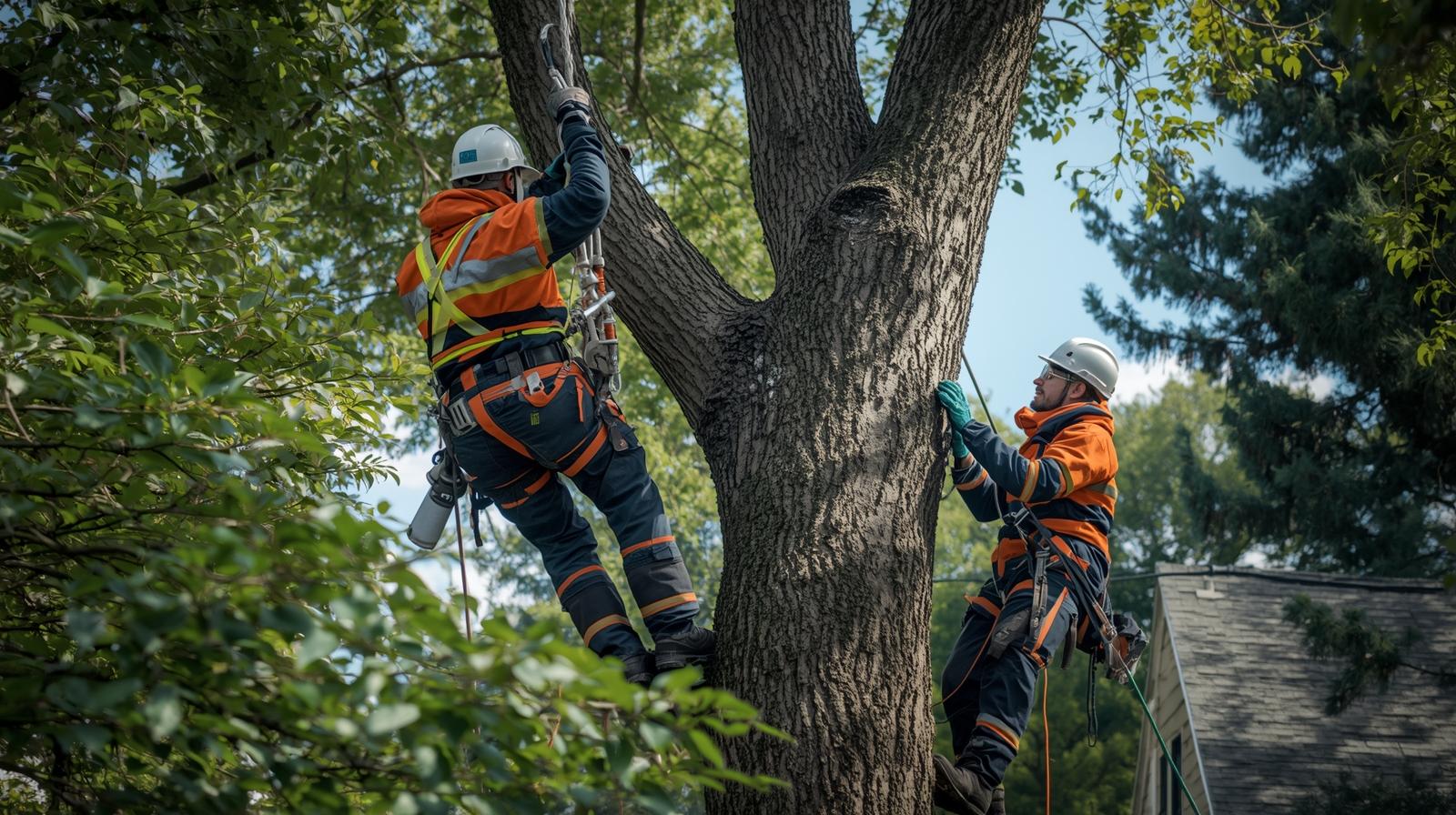
    Is Your Tree Service Properly Insured? 5 Risks You Must Avoid

    While it may seem like a simple matter to hire a licensed and insured tree service, there is much more to it than simply cutting off pieces of trees and disposing of old ones. The right company must be selected, particularly in insurance.

    If there is no good coverage, you might have to pay a lot for damages or liabilities. In this blog, we will discuss the reasons why hiring an Insured Tree Service Albany NY is a must.

    Why Insurance Matters for Tree Services

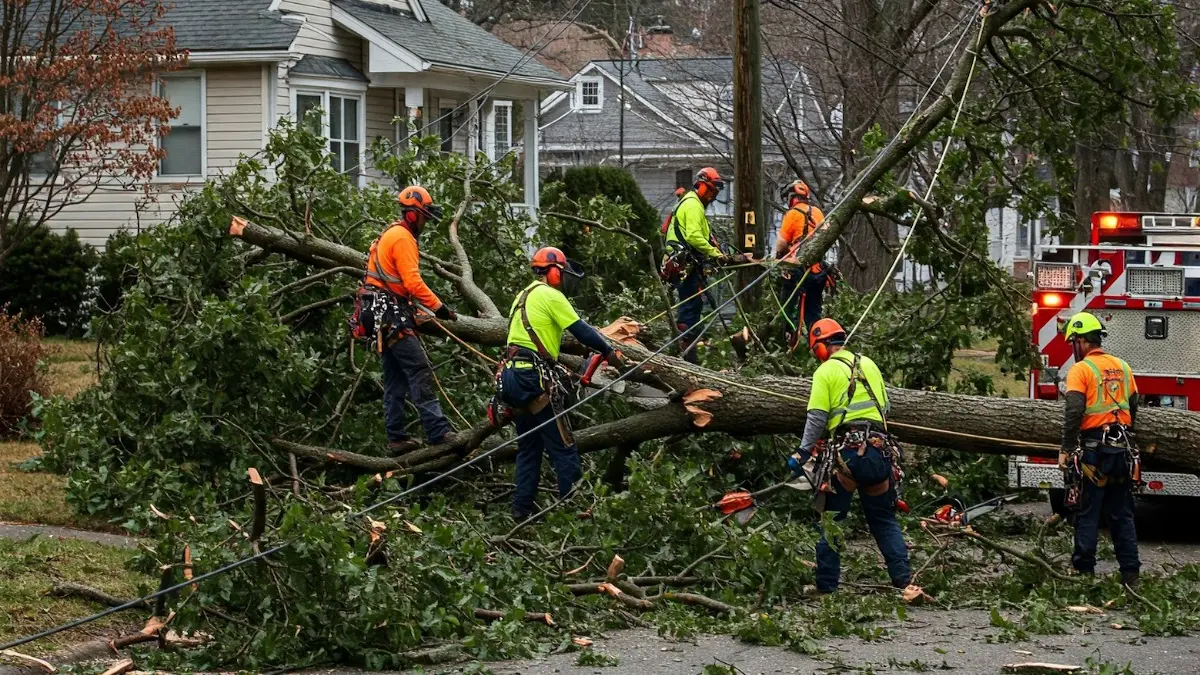
    Emergency Tree Removal Albany NY
    Emergency Tree Removal Albany NY

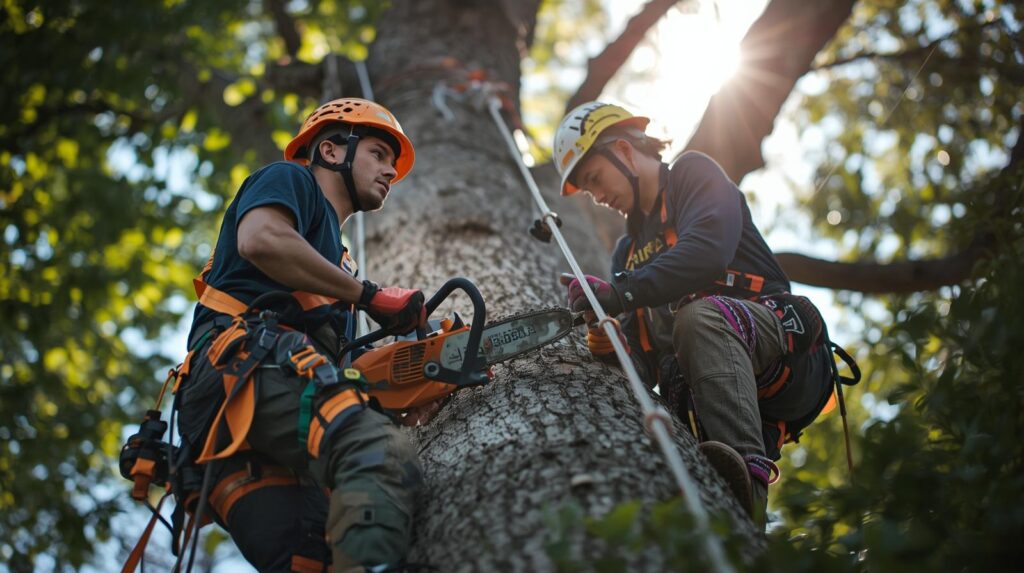
    Tree work is physically demanding and risky. A falling branch, a falling climber, or even heavy machinery could cause serious injury. As an assumption, many homeowners forget that it is important to hire a licensed and insured tree service. 

    Risks Every Homeowner Should Avoid

    An Insured Tree Service Albany NY carries insurance that protects both the workers and your property. This coverage includes protection against property damage, accidental injury, and even legal liability. Without this, you could end up paying thousands of dollars out of pocket if something goes wrong during the tree service work.

    Risk 1: Property Damage

    One of the biggest risks of hiring an uninsured tree service is property damage. Trees are often grown near homes, fences, cars, and power lines. If a branch falls in the wrong direction, it may damage your roof, siding, or even your car that is parked there. By choosing an Insured Tree Service Albany NY, you are providing the company with property damage protection, which means they will pay for any repairs should their work cause damage to your property.

    Request a Certificate of Insurance (COI) before working. This document confirms that the company is insured and offers assurance that you will not be liable for your own injuries.

    Risk 2: Accidental Injuries

    Tree work is dangerous. Workers work with chainsaws, climbing equipment, and heavy machinery, and are at risk for serious injuries. If the tree service is not adequately insured, and an employee is injured on your property, you may be sued for medical bills and lawsuits. By hiring a licensed and insured tree service, their workers will be covered by accidental injury coverage, saving you money.

    A licensed company may also be more safety-conscious and will invest in training. This decreases the risk of accidents and keeps both workers and homeowners safe.

    Risk 3: Unlicensed Companies

    Not all tree service companies are legally licensed. Choosing an unlicensed provider increases your risk. They are regulated companies with appropriate training and insurance. An Insured Tree Service Albany NY is not just certified but also professional and responsible. This means you can trust you are hiring a skilled, trustworthy professional, reducing the likelihood of poor workmanship or unsafe practices.

    Risk 4: Financial Liability

    In the absence of proper insurance, any error committed during tree removal or pruning can turn out to be a financial disaster. If a tree falls on your house or that of your neighbor, you might be liable for damages and even sued. A licensed and insured tree service takes this financial risk away from you. They will be provided with legal expenses, repairs, and medical bills if an accident happens. It’s a necessary defense that everyone should insist upon.

    Risk 5: Incomplete Coverage

    It is also possible that even some insurance companies are not covered at all. They may have liability insurance, but no workers’ compensation or damage protection. Verify the authenticity of a Certificate of Insurance (COI) before hiring a tree service. They will provide a written statement of coverage to any Insured Tree Service Albany NY that should provide documentation of what is covered. This ensures all possible risks, such as property damage protection, accidental injury coverage, or property damage, are properly considered.

    For more information on safe tree practices, visit the USDA Forest Service tree care guide, https://www.fs.usda.gov/learn/trees.

    How to Verify an Insured Tree Service

    Before hiring a company, ask specific questions about their insurance. Request a Certificate of Insurance (COI) and confirm that it includes both property damage protection and accidental injury coverage. Check that the insurance is current and issued by a legitimate provider. A trustworthy, licensed, and insured tree service will have no problem showing you proof.

    Also, reviewing reviews and looking at local tree service companies in Albany NY can help you find reliable providers. These companies are licensed and insured tree services, well-known and professional in their work.

    Choosing the Right Tree Service in Albany

    When it comes time to search for tree service companies in Albany NY in your area, you should look for safety and insurance over price. The idea of an inexpensive company without insurance is appealing, but the risks far outweigh the savings. The trees are protected by an honest, licensed, and insured tree service that protects your house, your property, and your pocket. Ask about insurance, licenses, and safety protocols before beginning work.

    Remember that tree services are more than cutting branches they include planning, safety, and risk. Choosing a good company also guarantees your investment is safe and that the job is done safely and efficiently.

    FAQ

    What are the main reasons for hiring an insured tree service?

    By hiring an insured tree service, you are not only protected from financial liability but also from property damage and even accidental injuries.

    Are all tree service companies licensed and covered by insurance?

    The answer is no, not every company is licensed and insured. Hence, it is absolutely necessary to hire a licensed and insured tree service to cover all the aspects of safety, legality, and financial protection.

    What are the characteristics of a good tree service in Albany?

    A reputable tree service provider should have strong insurance, proper licensing, customer recommendations, and safety policies. Check out Albany tree service companies that are trustworthy.

    Is it possible that an uninsured tree service would be less expensive?

    Going with an uninsured company might seem attractive budget-wise, but hiring a properly insured one is a safe and smart investment.

    The decision to hire an Insured Tree Service Albany NY is not just about compliance but about your property, your own property, and your workers. Having an experienced, licensed, and insured tree service in your neighborhood allows you to avoid expensive and common home damage, accidental injuries, and financial liability. If you have insurance, with a Certificate of Insurance (COI), and the information on coverage, you are safe, professionally, and worry-free to do tree care.

    To ensure your trees are cared for safely and professionally, call KD Tree Service Albany NY today, (518) 625-8733.

  • Spring Tree Care Checklist for New York

    Spring Tree Care Checklist for New York

    Spring Tree Care Checklist for New York Homeowners: Essential Tips Every tree lover knows spring is the perfect time to focus on your green yard. During this period, trees emerge from dormancy and are ready for growth. As caretakers of your green yard, we should help them grow well. Our primary duties are to ensure healthy tree development, conduct regular checkups, prevent diseases, and prepare them for the harsh weather conditions later in the year.

    As a New York resident, you know how Mother Nature can change from cold, snowy winters to warm, humid summers. So, we need to help trees survive in every condition.

    If you’re wondering how to do that, don’t worry, we did the hard part and gathered all the details you need about the Spring Tree Care Checklist for New York.

    So, let’s check it out and find out what they are, so you can prepare for your green friends and help them grow and glow better.

    Check for winter damage.

    Check for winter damage.

    As a New York resident, you should be aware of how harsh winters can be in your area. During this time, freezing temperatures and severe ice storms make it difficult for trees to survive. However, when spring arrives, you have the opportunity to assess any damage and help your trees recover.

    Start by checking for broken branches, cracks, or signs of disease. Strong winds and heavy snow can break branches and cause cracks in the trunk or limbs. If you notice any damage, take action quickly to prevent further issues.

    Next, inspect for frost damage or dead limbs. Carefully examine the tree, remove all dead branches, and prune where necessary. This will allow the tree to start fresh and grow strong again.

    Lastly, check for pests or fungal infections. Since trees have been snow-covered for a long time, fungi may have developed, weakening them over time. Look for discolored bark, holes, or unusual growths, and take immediate action to protect your trees from further harm.

    Use fertilizers for healthy growth.

    Use fertilizers for healthy growth.

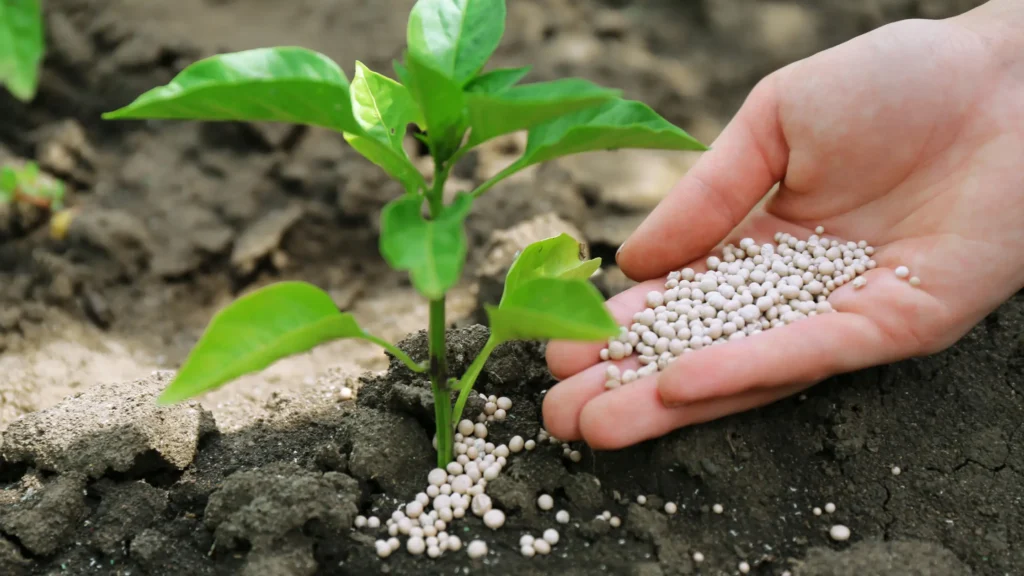
    Spring is the ideal time to fertilize your trees when they emerge from dormancy and go through a period of active growth. Adequate fertilization replaces winter losses and promotes healthy root growth, thick foliage, and tree vigor. Trees would struggle to grow if they do not have adequate nutrients and become more susceptible to pests, disease, and environmental stresses.

    Soil around New York is mixed, but most trees find a slow-release, balanced fertilizer with fundamental nutrients like nitrogen (N), phosphorus (P), and potassium (K) beneficial. Organic options of well-rotted manure or compost can also be applied to naturally fertilize the ground. The soil can be tested to determine the deficits and thus select the right fertilizer to meet your landscape.

    When you fertilize, cover it evenly over the tree’s drip line, the area below the branches that grow the farthest out from the trunk. Apply it rather than directly to the trunk. Continue by watering the fertilizer in so that it can soak into the soil and reach the roots. Avoid over-fertilizing because there can be too many nutrients, leading to weak growth or possibly harming the tree. You set them up for robust, vibrant growth the rest of the year by properly spring feeding your trees.

    Watering Guidelines for Spring


    Watering Guidelines for Spring

    Spring is a season of renewal, and with the right watering routine, your trees will flourish beautifully after the winter months. As temperatures rise, it’s essential to ensure they get the moisture they need to support fresh growth and strong roots.

    The first step is to check if your trees need watering. Simply press your finger or a small shovel into the soil near the tree’s base. if the soil feels dry a few inches down, it’s time to water. Newly planted and young trees require more frequent watering, while established trees can rely more on natural rainfall.

    To keep your trees healthy, water deeply but infrequently. A slow, steady soak encourages roots to grow deeper, making trees more resilient during hot summer months. Avoid overwatering, as standing water can lead to root rot and other issues.

    The best time to water is early in the morning when temperatures are cooler, reducing evaporation and giving trees time to absorb moisture before the heat of the day. With the right balance of watering, your trees will thrive, adding beauty and vitality to your outdoor space all season long.

    Mulching for Protection

    As spring arrives, giving your trees the right care is essential for their health and growth. One of the simplest yet most effective ways to support them is by applying mulch. Mulching helps retain moisture, regulate soil temperature, and suppress weed growth, creating the perfect environment for strong, thriving trees.

    For the best results, apply a 2 to 4-inch layer of mulch around the base of the tree, keeping it a few inches away from the trunk. In New York’s climate, organic mulch like wood chips or shredded bark works best, breaking down over time to enrich the soil.

    However, be mindful of common mistakes. Avoid piling mulch too high against the trunk, as this can trap moisture and lead to rot or pest issues. Instead, spread it evenly in a wide, shallow layer. With proper mulching, your trees will be well-prepared to flourish throughout the year.

    Pest and Disease Prevention


    Pest and Disease Prevention

    Spring is also the season to protect your trees from pests and diseases that will weaken or kill them. As the weather warms up, common New York pests such as aphids, caterpillars, and borers become more active, feeding on leaves, bark, and sap. Such pests can result in stunted growth and leave the trees vulnerable to infections.

    To manage pests effectively, turn to natural alternatives like introducing beneficial insects (ladybugs for aphids) or spraying with neem oils. For severe infestations, chemical applications like horticultural oils or insecticides may be necessary, but always apply following safe guidelines to avoid harm to beneficial wildlife.

    Early disease symptom detection is important in preventing widespread damage. Inspect for leaves with coloration, unusual spots, sap dripping, or fungal growths on the bark. Prune diseased branches and spray appropriate fungicides as needed. Consulting a professional arborist can also ensure correct treatment.

    With our Spring Tree Care Checklist, as a New York resident, you can protect your trees and ensure they grow and thrive at the same time. However, sometimes you may need a professional tree care service to keep them in top condition. That’s why we have a recommendation for you!

    Trust KD Tree Service for Expert Tree Care!

    Your trees deserve the best care, and KD Tree Service is here to provide it! With over 14 years of experience, we specialize in safe, reliable, and affordable tree care for both residential and commercial properties. Whether you need routine maintenance, emergency tree removal, or expert advice on keeping your landscape healthy, our skilled team is ready to help. Trusted by homeowners across the USA, we ensure your trees thrive in every season.

    Don’t leave your green space to chance, call KD Tree Service today and let us bring out the best in your trees!

  • The Most Common Tree Species in Albany, NY and How to Care for Them

    The Most Common Tree Species in Albany, NY and How to Care for Them

    Albany, New York, United States, presents a heavenly appearance for every viewer. This area could be considered a paradise for nature lovers. With the perfect weather, which suits the soil in the area, this region provides the best environment for species like Picht pine, Red maple and Eastern white pine. 

    In addition to adding value to the area’s attractiveness, these trees help raise its cultural and social importance.

    Are you interested in learning more about Common tree species in Albany NY, and the best practices for caring for native Albany trees? 

    Then, continue reading the blog till the end.

    What are the most common trees found in Albany NY?

    Sugar Maple (Acer saccharum)

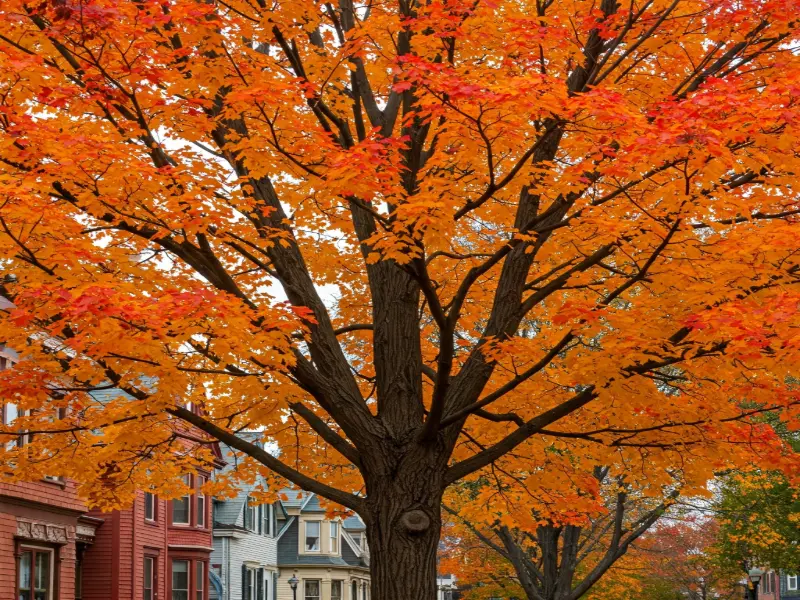
    A healthy Sugar Maple (Acer saccharum) tree with vibrant yellow leaves in full bloom.

    Sugar maple, or Acer saccharum, is a deciduous flowing tree that is native to North America. This plant’s vibrant leaves, which turn deep red in the fall, are its most distinctive feature. 

    In addition to being the official state tree of New York and the plant that produces maple syrup, sugar maple is most famous for its leaf, which forms the unique silhouette on Canada’s flag.

    Sugar maple trunks have a long lifespan, making them excellent material for furniture, homes, high-quality firewood, and exquisite interior finishes. It is a forest tree that can survive as an understory plant beneath a closed canopy and can tolerate being shaded by larger trees. It tends to grow in the direction of any light.

    Eastern White Pine (Pinus strobus)

    The long-lived evergreen eastern white pine or Pinus strobus tree is native to Eastern North America’s mixed forests in temperate regions. In its natural habitat, it is regarded as one of the tallest trees. The lightweight, straight-grained wood of eastern white pine is commonly desired in construction.

    Northern Red Oak (Quercus rubra)

    Northern Red Oak, known as Quercus rubra, is probably the most widely used hardwood in the United States. It can be used for veneers, trim, cabinets, flooring, and more. The tree grows to a height of 15 to 23 meters. This tree has beautiful leaves, which changes from dark green to bright red in the fall.

    Black Cherry (Prunus serotina)

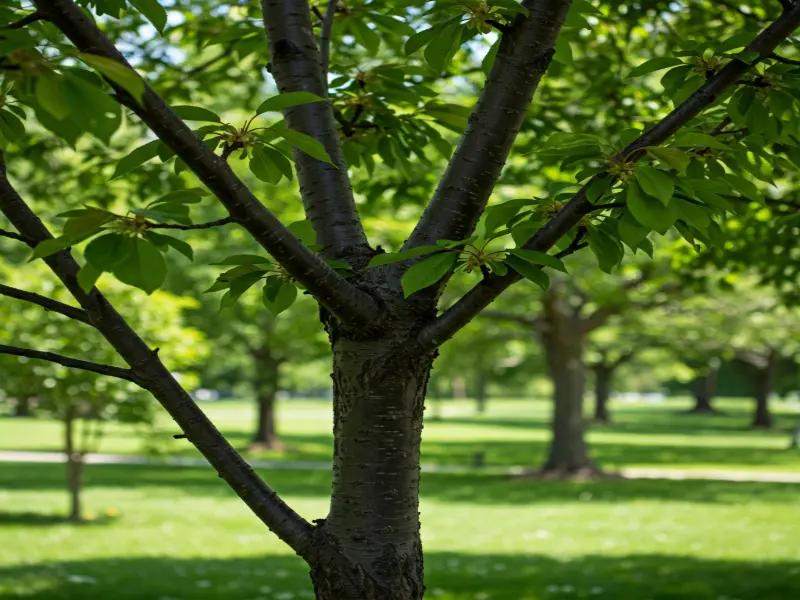
    A mature Black Cherry (Prunus serotina) tree with dark bark and green foliage in a natural setting

    The medium-sized, deciduous forest tree known as the black cherry or Prunus serotina is one of the valuable native trees in Albany New York, but has also spread to several regions of Europe. When pitted, the little white blossoms in the inflorescence turn into clusters of dark cherries that are delectable. The bark of mature trees is noticeably cracked and ranges from gray to black. The glossy leaves are harmful to cattle. This pioneer species has a high rate of reproduction and the potential to become invasive. 

    White Oak (Quercus alba)

    Quercus alba is a broad-canoped, long-lived white oak. The term “white oak” describes the color of its process wood, which is used for a wide range of purposes, including building, the production of musical instruments, barrels for wine and whiskey, Japanese martial arts weaponry, etc. Because of its size, white oak is rarely grown as an ornamental.

    These are some of the Popular tree types in upstate NY.

    Common Urban/Ornamental Trees

    Dogwood

    Early spring brings pink, white, or red blossoms to the beautiful tree. The tree has both male and female reproductive organs, which is an interesting discovery. It has the ability to self-produce seeds and pollinate. 

    Dogwood thieves in partial shade and full sun. These trees grow quickly and are easy to maintain. Although there are many varieties, the most popular ones are the pagoda, carnelian, white, and common.

    Crabapple

    You should think about planting crabapple trees in New York for the following reasons:

    It’s an excellent cross-pollinator. By drawing pollinators, growing close to a pear or cherry tree promotes fruit growth.

    • It grows readily in every location. It doesn’t require a particular kind of soil to thrive. Both large and small spaces can support it’s growth. It can grow in any season, weather it’s summer or winter. 
    • In the spring, it will make your yard seem like a paradise, and at times, it can even last until the fall. The tree has one of the longest blooms, which can continue until the fall, and it blooms in the spring in colors of pink, white, and red.

    Norway Maple

    The species of tree known as the Norway maple is indigenous to West Asia and Europe. It’s bright green, its lobed leaves become gold or red in the fall, and it stands 20 to 30 meters tall. Originally brought to the United States as a decorative shade tree, it is now regarded as invasive. It can be short-lived andvulnarable to assault and illness outside of its northern range.

    Japanese Lilac

    A blooming Japanese Lilac tree with clusters of creamy white flowers and lush green leaves.

    It is a beautiful tree that grows upright and has a circular shape. Their rate of growth is moderate. Ivory silk, signature, ivory pillar, and golden eclipse are the most widely recognized varieties.

    For the following reasons, planting it in New York might be the best option:

    • Because it is prone and easy to maintain, its spread can be controlled. The tree grows straight, making it ideal for homeowners with limited space.
    • Out of all the trees on your property, the Japanese Lilac stands out. It’s similar to the entire package. Flowers, shrubs, or bushes it all depends on your perspective
    • It also needs little care because it doesn’t need a lot of water, doesn’t get sick from pests, and doesn’t make suckers. 
    • The tree is inexpensive and easy to find. Planting this tree doesn’t have to cost a fortune, you may locate it with ease for a relatively small amount of money.  

    How to care for common trees in Albany

    We often talk about how crucial it is to take good care of your trees and why maintaining them with professional care is so crucial to their growth. With their many advantages, including shade, clean air, and habitat for birds and animals, trees are vital parts of our ecosystem. 

    It is crucial to take care of every tree around us, and Tree maintenance in Albany NY is the responsibility of every homeowner. 

    Read more about tree care recommendations for New York homeowners 

    Reach out!

    Keep in mind that our best clients are the ones who are the most educated! One of the most crucial things we do at KD Tree Services is to assist residents with tree maintenance and educate them on the best methods to take care of every tree species around them so that they are able to protect their gigantic neighbors.  

    We’ve been in business for over 12 years, proudly serving Albany NY trees, making sure every client knows how to keep Albany trees healthy year-round, and recommending Tree Care Albany NY

    Make sure you contact us, the KD Tree services team, to receive the best Seasonal tree care in New York. 


    Get a Free Estimate

  • Storm Damage? Emergency Tree Services in Albany, NY

    Storm Damage? Emergency Tree Services in Albany, NY

    Albany, NY, is a highly diverse city rich in biodiversity. Entangled with the Hudson River Valley, it is enriched with dense forests, wetlands, and lush greenery in the seasons. But the beauty of nature always comes with struggles. Albany, NY, experiences winter storms, thunderstorms, and tropical storms that can become harsh and cause severe damage to trees. 

    These circumstances can cause certain risks like property damage and power outages. In such moments, emergency tree services in Albany, NY, play a major role in taking precautions and restoring and preserving the city’s natural beauty. KD Tree Service is expertise in emergency tree services and storm damage tree removal in Albany, NY. With fast and efficient services, the team provides 24/7 tree service in Albany and ensures the natural landscape remains strong and healthy despite the natural challenges. 

    Common Types of Storm Damage to Trees

    Sometimes, a tree may require emergency removal after facing harsh weather conditions like storms. Understanding the different types of storm damage can help homeowners take the proper steps for recovery and storm damage tree care.

    Uprooted or Fallen Trees

    A fallen tree leaning against a house in Albany, NY, requiring emergency tree services

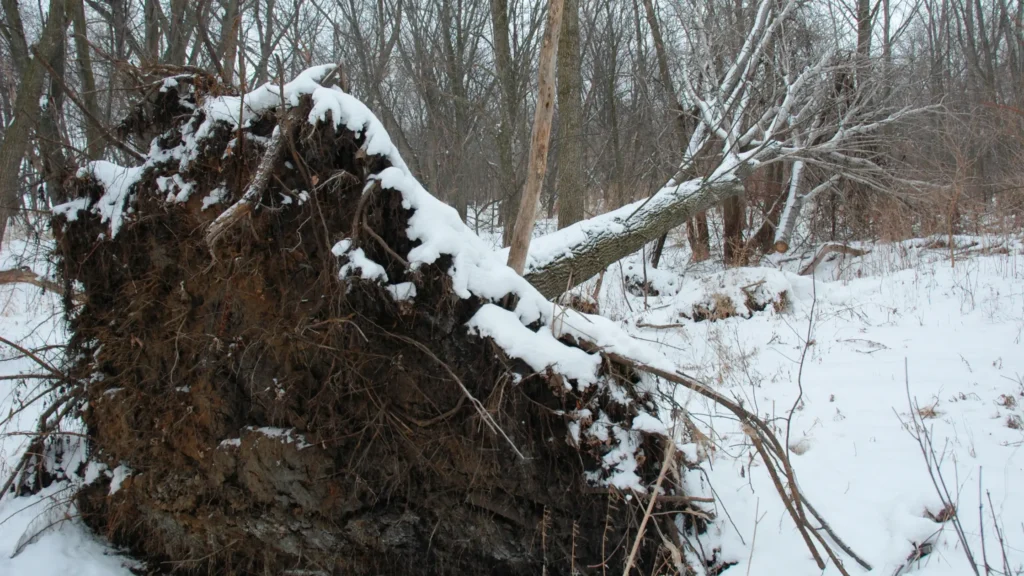
    Harsh storms can lead to strong winds and heavy rain. This can cause saturated soil, which can uproot or cause trees to fall entirely. Once the roots are uprooted, trees lose their grip on the ground and leave a large gap. Fallen trees, on the other hand, can damage properties and powerlines, block roads, and create harmful occasions. Old or diseased trees are mostly vulnerable to being tumbled during such weather conditions. Therefore, immediate Fallen Tree Removal in Albany ensures safety and prevents further property damage.   

    Broken limbs and hanging branches

    Storms can damage tree branches and cause them to break or hang, which can pose a serious issue for nearby properties and people. Heavy snow, storms, and strong rainfall can often crack weak branches and leave them hanging dangerously. If not removed at the right time, they can suddenly fall, resulting in injuries and property damage. Proper trimming and early inspections can help decrease any of the above risks.

    Leaning trees

    A leaning tree in front of a house in Albany, NY, posing a risk and requiring emergency tree services

    Some trees tend to lean after severe storms. This can be due to root damage or any other instability in the structure. In some cases, a leaning tree can be recovered with the support of professional arborists in Albany, NY. However, some may be at risk of falling. If you see signs of exposed roots, fresh soil near the tree base, or visible cracks in the trunk, these can be signs of collapsing. learn more about identifying hazardous trees from the USDA Forest Service

    Flooding and Root Damage

    Extreme rain can flood a tree’s trunk base area and weaken the roots. This will reduce the tree’s ability to stay anchored to the soil and force it to topple even after a storm. Flooding will also block oxygen and nutrients from entering the rooting system, eventually causing the entire tree structure to fall. 

    Why Emergency Tree Services Are Crucial After a Storm

    Storms can brutally harm the environment and leave behind traumas like damaged trees. Damaged trees can pose significant risks to properties and even people. Therefore, it is crucial to get help from tree care professionals in Albany, NY. Let’s look into the importance of emergency tree services after a storm and the benefits of post-storm tree care. 

    Safety hazards

    Safety hazards

    One of the main concerns after a storm is the safety hazards a damaged tree poses. Broken branches and uprooted trees can take a sudden fall, severely damaging properties, people, and animals. It is crucial to assess the trees after a storm, as there can be dangerous features even in a stable tree that can make it prone to a sudden collapse later on. 

    On the other hand, damaged trees can block roads and make it hard for emergency teams to reach people, properties, damaged trees, and electric lines in need. Clear and safe paths are important during emergencies, and 24/7 tree service in Albany can help by quickly removing fallen trees and branches. When you search for ‘tree emergency services near’ me and choose a tree service, ensure they help keep people safe and make disaster response more effective by taking care of these hazards. 

    Prevent further property damage

    Storm-damaged trees give rise to serious threats to all types of properties and living beings. Large branches or entire trees can fall on buildings, causing serious damage that is costly to fix. In some cases, this damage can make buildings unsafe to live in. Tree services help by checking for dangerous trees and removing them before they become an issue.

    Taking care of trees in advance can also prevent future damage. Regular trimming and maintenance keep trees strong and less likely to break during storms. Professional arborists and tree care experts in Albany, NY, can suggest ways to protect trees, prevent or minimize damage, and reduce risks. This not only keeps buildings and people safe but also helps maintain the beauty and value of the property.

    Insurance claim support

    Dealing with insurance claims after a storm can be complicated. Professional tree services can assess the damage and provide the required reports to help with the claim process. This makes it easier for property owners to get the funds needed for tree removal and repairs.

    Having experts handle the cleanup also speeds up the insurance process. Insurance companies are more likely to approve claims when they see professionals taking care of the damage. This helps property owners get financial support from the insurance to restore their property quickly and efficiently. 

    KD Tree Service’s Storm Response Process

    Fallen trees and broken branches can create serious safety hazards and property damage when storms strike. KD Tree Service is dedicated to providing fast, reliable, and professional storm recovery solutions to restore safety. Our professional team follows a well-organized process to handle emergencies, ensuring efficient storm cleanup in Albany, NY, and helping homeowners with pre-storm tree care to prevent future risks.

    24/7 Availability – “We’re Here When Disaster Strikes”

    Storms are unexpected, and that’s why KD Tree Service offers 24/7 emergency response to handle urgent tree hazards. Whether it’s a fallen tree blocking a road or storm-damaged branches risking your property, our team is always ready to assist. Immediate action is crucial in storm situations, and we’re here whenever you need us.

    Rapid Assessment and Safety Protocols

    Before any tree removal begins, our certified arborists conduct a thorough safety assessment to identify potential hazards. We inspect unstable trees, hanging limbs, and damaged root systems to determine the best actions. Safety is our priority, and we take every precaution to protect your home, property, and loved ones.

    Professional Removal and Cleanup

    Once the assessment is complete, our team quickly and efficiently removes fallen trees and broken branches. We use modern equipment to ensure that storm cleanup in Albany, NY, is handled safely and effectively. We also clear debris and leave your property clean and hazard-free.

    Storm Damage Prevention Tips for the Future

    Preventing tree damage before a storm is key to protecting your property. Our storm preparedness tree care services include pruning weak and damaged branches, inspecting tree health, and strengthening weak trees. We also offer expert advice on tree placement and maintenance to reduce risks in future storms.

    At KD Tree Service, we are committed to helping Albany, NY, residents recover quickly from storm damage while providing the best tree care solutions. 

    How to Choose the Right Emergency Tree Service in Albany

    Finding a reliable tree service to ensure safety and quick recovery is crucial after a storm emergency. Out of many emergency tree service options, knowing which service will provide professional, efficient, and affordable service is important. Here is a checklist to help you make the right choice when deciding on a tree service after a storm emergency. 

    Certified Arborists and Insured Services

    Always choose a company that is insured and has certified arborists. Certified professionals have the knowledge to evaluate storm damage correctly and provide the best solutions. Insurance coverage protects you from liability in case of accidents during tree removal.

    24/7 Availability

    Storm damage can happen at any time, and immediate response is necessary to prevent further risks. Look for a tree service that offers 24/7 emergency assistance, ensuring that fallen trees and hazardous branches are removed effectively. 

    Local Experience

    Albany, NY,  is a proud owner of unique tree species and has weather patterns. Therefore, it is important to hire a local tree service who is familiar with the area. They  understand how different trees react to storms or weather changes, and provide the most effective solutions.

    Transparent Pricing

    Emergency tree removal can be expensive, so choosing a company that offers clear, upfront estimates is important. Make sure to get an estimate before work begins to avoid hidden costs. If you’re wondering about the cost of emergency tree services in Albany, NY, choose reputable tree care services that will provide fair pricing based on the tree size, damage level, and the urgency of the task.

    FAQs About Storm Damage and Tree Services

    Why Choose KD Tree Service?

    When storms hit, you need a trusted tree care professional team to handle tree damage safely and efficiently. At KD Tree Service, we provide expert emergency tree services in Albany, NY, providing fast and professional emergency tree service. Here’s why:

    Local Expertise

    With 14+ years of experience serving Albany, NY, we understand the unique weather patterns and tree species of the region, allowing us to provide the best storm recovery solutions.

    Certified Arborists

    Our team is trained in storm damage management and pre-assessment, ensuring safe and effective tree removal, pruning, and preventive care.

    Advanced Equipment

    We use modern equipment to handle tree removal efficiently and safely, minimizing risks to your property.

    Free Estimates & Insurance Assistance

    We offer free inspections and help with insurance claims, making the process hassle-free.

    When disaster hits, trust KD Tree Service for fast and trustworthy 24/7 tree service in Albany. Call Now for 24/7 emergency service at (518) 425-TREE

    Conclusion

    Taking immediate steps after a storm is important to prevent further damage and ensure safety. Fallen trees, broken branches, and unstable trees can pose serious risks to any property. A professional tree care service can help restore safety and minimize long-term issues.

    Trust us, KD Tree Service, for reliable, expert emergency tree care in Albany, NY. With certified arborists, advanced equipment, and 24/7 service, we’re here to handle all your storm damage needs quickly and efficiently.

    Don’t risk DIY fixes – contact Albany’s storm damage experts today!


    Get a Free Estimate