[email protected] ⚡ Same-day emergency available

Category: Tree Trimming & Pruning

  • How Often Should You Trim Your Trees and Shrubs?

    How Often Should You Trim Your Trees and Shrubs?

    Expert Advice for Homeowners in Rochester, NY

    Maintaining the longevity of your plants, safeguarding your house, and improving curb appeal are all reasons to trim your trees and shrubs. “How often should I trim my trees and shrubs?” is still a common question among residents.

    The answer depends upon the type of plant, its growth habits, and the time of year, if you reside in Rochester or elsewhere in upstate New York. Anything you require to understand about trimming trees and shrubs in Rochester, New York, including how the weather affects, when to prune, and why hiring an expert is usually the best option, is covered in this comprehensive guide

    Professional Trimming

    Why Tree and Shrub Trimming Is So Important

    Tree and shrub maintenance in Rochester, New York, reduces safety risks, encourages vigorous growth, and helps to prevent disease. Unregulated tree growth can cause branches to weaken or break, potentially endangering power lines and nearby properties. Overgrown shrubs can obstruct windows or walkways and be unsightly.

    Regular pruning: 

    • Prevents fungal infections and insect infestations.
    • Aids in creating symmetry in young trees and shrubs.
    • Eliminates diseased branches and deadwood.
    • Enhances sunlight penetration and air circulation.
    • Maintains the yard’s aesthetic appeal.

    Seasonal Tree and Shrub Trimming Timetable in Rochester, NY

    The timing of trimming is just as important as the frequency of trimming. Here’s a seasonal guide to help you plan maintenance:

    -The ideal time to trim deciduous trees is from late winter to early spring, and this should happen every two to three years.

    -Every three to five years, evergreens should ideally be trimmed in the spring or midsummer.

    -Spring-flowering shrubs benefit from annual trimming, which should ideally be done as soon as the blooms stop.

    -Summer-flowering shrubs should be trimmed annually, preferably in late winter or early spring.

    -Boxwoods and formal hedges should be trimmed two or three times a year, typically in the spring, summer, and fall.

    -Every year, fruit trees should be pruned; the best time to do this is in late winter.

    -To maintain their shape, ornamental shrubs and topiaries should be trimmed as needed, typically during the growing season.

    This seasonal tree and shrub trimming timetable in Rochester, NY, serves as a reliable reference for year-round care.
    plant, its growth habits, and the time of year

    How Rochester’s Climate Affects Trimming Schedules

    Rochester’s climate can be harsh on trees due to its icy winters, stormy springs, humid summers, and vibrant autumns. Whereas humid weather promotes fungal diseases, harsh snow and wind can shatter branches. For this reason, it’s crucial to consider the weather when scheduling your trimming.

    Some trees go dormant in the winter, making structural pruning an ideal time for this task. Due to the rapid development and blooming in the spring, flowers must be carefully trimmed to preserve their beauty. While fall is typically avoided due to the increased risk of disease exposure, summer’s warmth allows for light shaping.

    Visit for: Rochester Climate, Weather By Month, Average Temperature (New York, United States)

    Signs That It’s Time to Trim

    Are you unsure if it’s time to prune the trees and shrubs in your area? Keep an eye out for these indicators:

    • Diseased, dead, or dying branches
    • Overgrowth blocking windows, driveways, or sidewalks
    • Rubbing or crossing branches
    • Unbalanced shape or sparse foliage
    • Shrubs encroaching on one another or the siding of your house

    These signs indicate that it’s time to hire someone to trim trees and shrubs and remove Rochester, NY.

    Trimming vs. Pruning: What’s the Difference?

    Despite their frequent interchangeability, these terms have distinct meanings:

    The general term for removing overgrowth for light shaping and aesthetic reasons is trimming.

    To improve the health of the crop, pruning is a more technical procedure that involves cutting off diseased, dead, or structurally weak limbs.

    In Rochester, New York, both are essential components of a thorough tree and shrub care program.
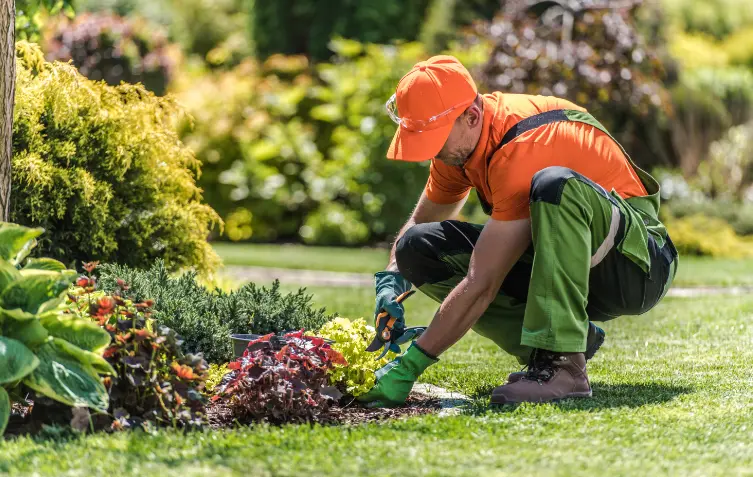
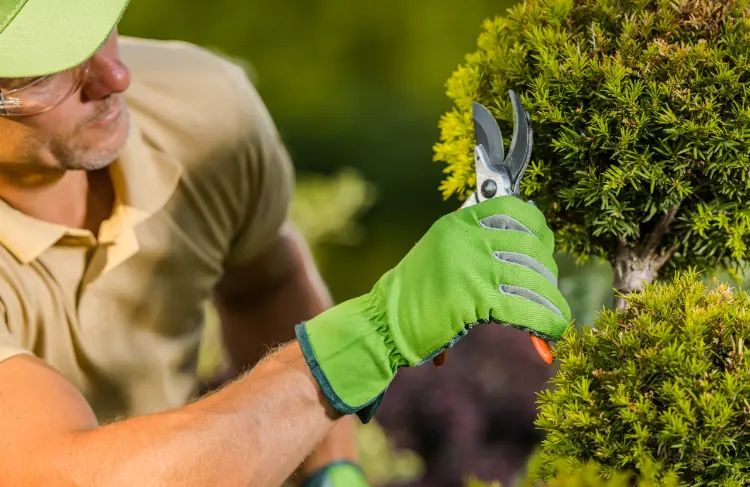
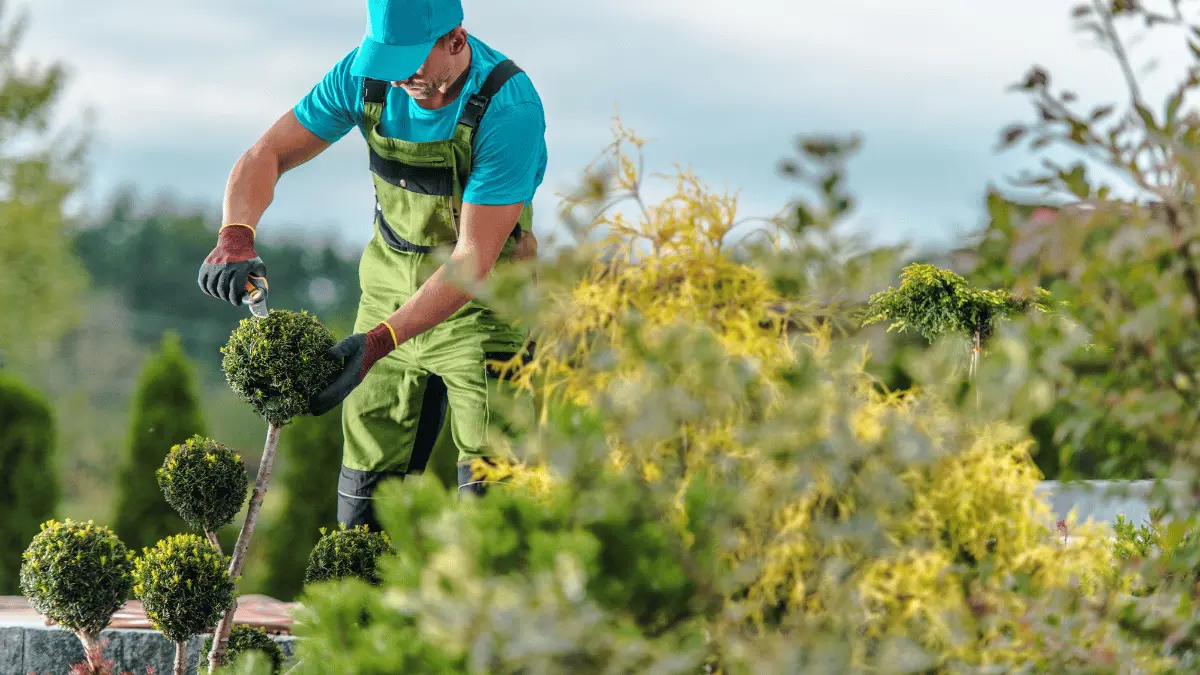
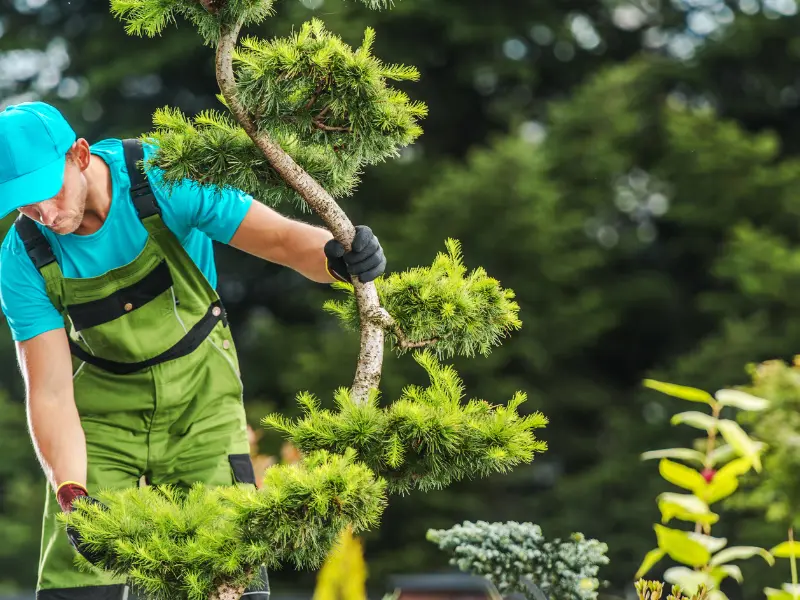
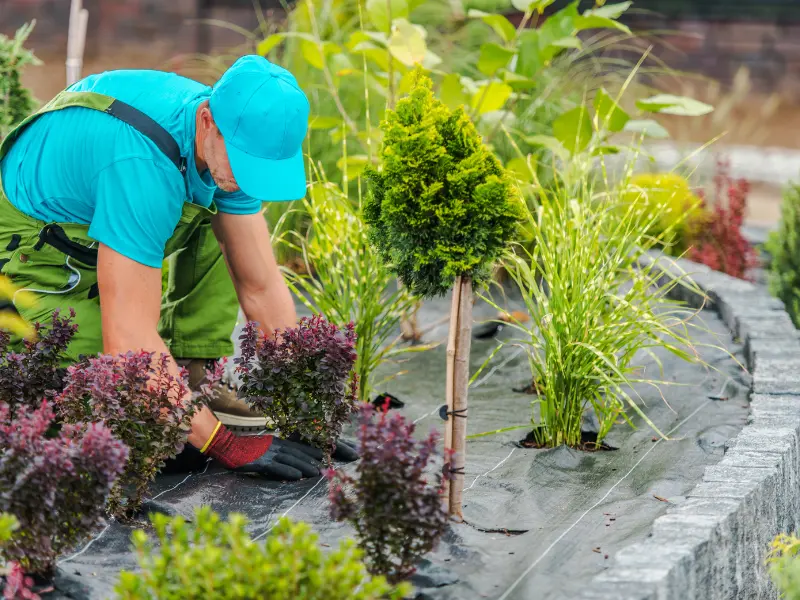
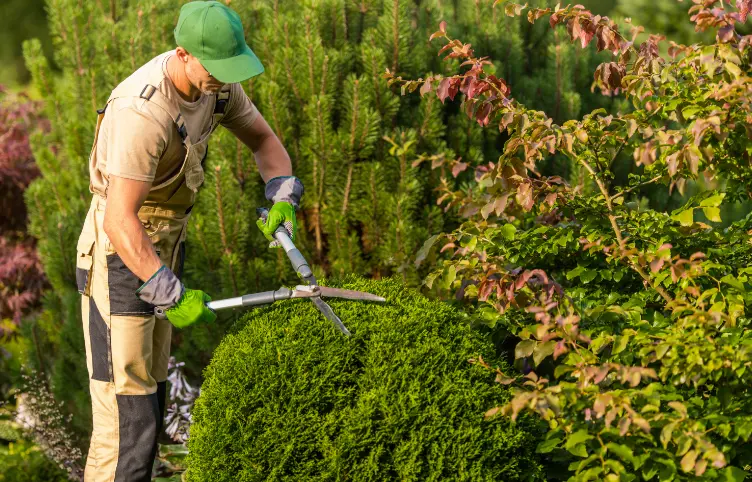
    Landscaping professional trimming plants in a well-maintained commercial property garden in Binghamton, NY

    DIY vs. Professional Trimming: What’s Safe to Handle?

    Certain trimming jobs are easy and secure. Others need expert assistance, particularly those involving tall trees or power lines. Here’s a summary:

    DIY

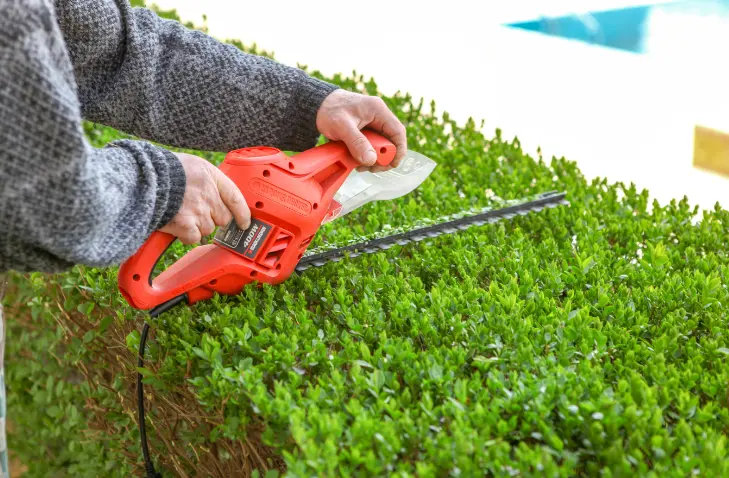
    • Light hedge shaping
    • Dead branch removal (low limbs)

    PRO

    • Tree trimming near electrical lines
    • Large branch removal
    • Diagnosing tree disease
    • Structural pruning on mature trees

    For complex jobs, we recommend contacting qualified experts, such as KD Tree Services, for safety and quality assurance.

    Benefits of Regular Trimming

    Let’s examine the benefits of pruning trees and shrubs in Rochester, New York:

    • Better Health: Healthy branches can flourish when diseased or weak limbs are removed.
    • Improved Fruit Production and Flowering: Proper timing promotes more colorful blooms and larger fruit yields.
    • Safer Yards: During strong winds or ice storms, trimming lessens the risk of falling limbs.
    • Enhanced Curb Appeal: Well-maintained plants instantly increase the value of a home.
    • Pest control: Rodents and insects have fewer hiding places when canopies are open.

    Common Trimming Mistakes to Avoid

    Although most homeowners have good intentions, mistakes can occur if they lack the necessary knowledge, resulting in damaged trees.

    •  Trees that have their tops chopped off grow weakly and become vulnerable to disease.
    • Trimming excessively at once stresses plants.
    • Cutting during the wrong season puts you at risk for illness or stunted growth.
    • Using dirty tools: Infections can be spread by dirty blades

    Employ local professionals with experience in tree and shrub removal and trimming in Rochester, New York, to steer clear of these problems.

    How Long Does Trimming Take?

    The size, location, and complexity of the tree all affect it. Here are some ballpark figures:

    • Little hedges or shrubs: 30 to 60 minutes
    • Trees of medium height (1–2 stories): 1–3 hours
    • Mature or large trees: half-day to full-day
    • Complete property trim: at least one full day

    Always contact a certified, insured local business for tree and shrub trimming near you for effective, reasonably priced results.

    Trimming for Flowering and Fruit Trees

    Many homeowners in the Rochester area own fruit trees, such as crabapples or cherries, that bloom in the spring. Cutting aids:

    • Increase the amount of fruit produced
    • Cut down on illness
    • Shape young trees
    • Keep the distance between branches constant

    While summer-flowering plants can benefit from late-winter pruning, spring-flowering trees should be pruned as soon as they bloom.

    Pest Prevention Through Proper Trimming

    Untrimmed, overgrown trees attract pests such as

    • Emerald ash borer
    • Insect scales
    • Caterpillars in tents
    • Ants that carpenter

    Regular upkeep of trees and shrubs in Rochester, New York, helps prevent pests from spreading and facilitates the early detection of potential problems.
    Benefits of Regular Trimming

    How to Prepare for a Trimming Appointment

    Do you want your appointment to go well? To prepare, clear the area of trees and shrubs.

    • Taking away toys, grills, or outdoor furniture
    • Protecting animals
    • Posing inquiries in advance
    • When feasible, scheduling for days with clear weather

    The KD Tree Services About Page provides more information about our procedures.

    Local Service You Can Trust in Rochester, NY

    Homeowners in Rochester and the surrounding areas are served with pride by KD Tree Services. As natives to Rochester, we can take better care of your landscape than anyone else because we are familiar with the precise seasonal tree and shrub trimming schedule in Rochester, NY.

    View our full service areas here.

    Final Thoughts – Keep Your Yard Safe, Healthy, and Beautiful

    Are you still unsure about how frequently trees and shrubs in Rochester, New York, should be trimmed? One thing is certain: regular care is essential. The answer varies depending on the plant, the time of year, and your property’s objectives.

    KD Tree Services is your reliable partner for tree and shrub maintenance in Rochester, NY, whether you require routine shaping, hazard prevention, or emergency cleanup. So that you can appreciate the beauty, let us take care of the trimming.

    Call (518) 425-TREE or visit https://kdtreeservices.com to schedule a free consultation today!

    FAQs

    What is the cost of trimming trees and shrubs in Rochester, New York?

    The cost typically ranges from $150 to $700, depending on the size and complexity of the tree. KD Tree Services offers a free quote.

    Most trees thrive in late winter. Spring bloomers should be pruned after they bloom, not before. Flowering trees vary.

    No! That is very risky. Contact your local power company or a certified utility tree specialist for assistance.

    Dead branches may have fungal growth, be brittle, and be leafless. One useful test is the scratch test (green under the bark indicates an alive plant).

    Indeed. Annual shaping is beneficial for disease prevention, maintaining airflow, and preserving structure, even for low-maintenance shrubs.

    The cost typically ranges from $150 to $700, depending on the size and complexity of the tree. KD Tree Services offers a free quote.

    Most trees thrive in late winter. Spring bloomers should be pruned after they bloom, not before. Flowering trees vary.

    No! That is very risky. Contact your local power company or a certified utility tree specialist for assistance.

    Dead branches may have fungal growth, be brittle, and be leafless. One useful test is the scratch test (green under the bark indicates an alive plant).

    Indeed. Annual shaping is beneficial for disease prevention, maintaining airflow, and preserving structure, even for low-maintenance shrubs.

    Get a Free Estimate
  • Tree Trimming for Healthy Growth in Rochester, NY

    Tree Trimming for Healthy Growth in Rochester, NY

    Trees are a beautiful and necessary component of our environment. In Rochester, NY, where we enjoy the full splendor of all four seasons, caring for our trees is more than just keeping the yard looking great; it also involves safety and general tree health. Regular trimming is one of the most efficient strategies to keep your trees strong and healthy throughout the year.

    In this blog, we’ll discuss why tree trimming Rochester NY is so important, how it helps to promote strong, healthy development, and why hiring specialists for arborist services in Rochester, NY is a wise decision.

    We’ll also discuss the benefits of seasonal tree maintenance Rochester, how it protects your property, and why the local community still relies on trained professionals for tree risk management.

    Why Tree Trimming is Important for Tree Health

    Why Tree Trimming is Important for Tree Health

    Tree trimming is frequently misunderstood as something done solely for visual appeal. Trimming is actually far more important, as it has a direct impact on the health and vitality of your trees.

    Benefits of Tree Trimming: Promotes Strong Growth

    Getting rid of crowded or dead branches allows the tree to focus its energy on healthy places and promotes fuller development.

    • Prevents property damage.

    During a storm, weak or overgrown branches may snap. Trimming on a regular basis helps to prevent damage to your home, cars, and other surrounding property.

    • Reduces Risk of Disease and Pests

    When you remove diseased or dying branches, you limit the chances of disease spreading and reduce the attraction for insects and pests.

    • Improves Light and Air Circulation

    Better airflow through the branches means less moisture buildup, which can help prevent fungal problems from forming.

    • Shape the Tree

    Trimming helps form the tree’s structure early on. This is especially important for younger trees, making them more balanced and attractive as they grow.

    Tree Risk Management Service

    Tree Trimming in Rochester, NY: Local Expertise You Can Trust

    The weather in Rochester presents a distinct set of issues. Our trees are subjected to a variety of stresses, including big snowfalls in the winter, strong winds in the fall, and rapid growth in the spring. That is why it is critical to provide them with the regular attention they require, something that local specialists excel at.

    Tree trimming Rochester, NY is not something you do once a year; it is a continual effort. Local arborists understand our environment and know when and how to trim trees such as oaks, elms, maples, and evergreens. Why Choose Local Arborists?

    • They know local laws and regulations.

    Certain trees in Rochester may be protected or located near public spaces. Trained professionals understand how to handle these situations legally and safely.

    • Familiar with regional pests and diseases

    Rochester trees face specific threats, like fungal diseases or pests such as the emerald ash borer. Local arborists can recognize and treat these issues before they become serious.

    • Community reputation and trust

    Rochester homeowners frequently prefer to engage with tree care firms that are regarded as trustworthy, experienced, and reliable. In this community, having a good reputation is quite important.

    Tree Risk Management Service in Rochester NY

    Many individuals may not know how critical tree risk management is until something goes wrong. This method is all about identifying and managing possible tree risks before they become serious issues.

    With Rochester’s harsh winters and unpredictable weather, even healthy trees can become a liability. That is why a robust plan for managing tree risks is so important.

    Tree Risk Management involves:

    • Inspecting trees for indicators of damage or weakening.
    • Reviewing branch placement near houses, streets, or utility lines.
    • Remove or trim dangerous branches.
    • Monitoring the condition of tree roots and the surrounding soil.

    Whether you own a single-family home or manage a bigger property, working with a team that knows tree risk management near Rochester NY can help you avoid accidents and costly damage.

    By providing regular maintenance, relying on trustworthy local experts, and arranging correct trimming at the most suitable times, your trees may remain strong, healthy, and safe over the seasons.

    Tree Management Service

    Arborist Services in Rochester, NY

    Hiring a trained arborist guarantees you that your trees are in capable hands. These people are trained in the technical aspects of tree care and understand the steps it takes to keep trees in good health. They have the necessary knowledge, tools, and practical experience to properly care for your plant life from root to canopy.

    What Does Arborist Services Include?

    • Tree trimming and pruning.
    • Tree removal
    • Evaluate the health of the tree.
    • Soil management and fertilizing
    • Stump Grinding
    • Storm-damage response
    • Risk evaluations

    Arborist services provide the safest and most effective solution for your trees, whether you need routine tree pruning in Rochester, NY, or emergency removal following a storm.

    How to Find the Best Tree Trimming Service in Rochester, NY

    With so many options available, choosing the appropriate tree service business can be difficult. Here are a few basic ideas that will help you make the best decision:

    • Look for certified arborists on staff.

    Ensure that the team contains certified professionals. They follow industry standards and understand how to properly care for your trees.

    • Insurance coverage

    A reputable corporation carries liability insurance and workers’ compensation. This protects your property while also ensuring that the workforce is covered.

    • Ratings and reviews from locals

    Check what your neighbors are saying. Companies with solid reputations in Rochester are easy to spot through online feedback.

    • Detailed Estimates

    Ask for written quotes. A good company will explain the work clearly so you know what you’re paying for and why.

    • Proper Tools and Procedures

    Tree trimming can be hazardous. Look for teams that employ appropriate safety equipment and professional tools. Cutting corners isn’t worth the danger.

    Choosing the appropriate people for tree trimming services in Rochester NY ensures that everything is completed safely, efficiently, and with care.

    Signs that your trees need to be trimmed

    Is it time to bring in the professionals? Here are some signs that your tree may be ready for a trim:

    • The branches are getting too close to your roof or electricity cables.
    • You discover dead or hanging branches.
    • The tree appears crooked or shaky.
    • Leaves appear smaller or dull.
    • Fungus is growing on the trunk or base.

    After a major storm, it is always a good idea to assess your trees. Identifying these issues early on can make all the difference. Don’t wait until the tree is damaged; trimming early can save it and save you money on repairs.

    Tree Service

    FAQs

    Why should I hire a certified arborist?

    Certified arborists are trained in proper tree care, ensuring that the task is completed safely and correctly. They are trained to handle trimming, disease detection, and proper tree risk management.

    Yes. Cutting back weak or overgrown branches helps to keep them from falling during Rochester’s periodic storms, which are characterized by high winds, snow, and ice.

    If you detect dead branches, uneven growth, branches getting too close to your home, or fungus near the base, it’s time to call in a professional..

    Certified arborists are trained in proper tree care, ensuring that the task is completed safely and correctly. They are trained to handle trimming, disease detection, and proper tree risk management.

    Yes. Cutting back weak or overgrown branches helps to keep them from falling during Rochester’s periodic storms, which are characterized by high winds, snow, and ice.

    If you detect dead branches, uneven growth, branches getting too close to your home, or fungus near the base, it’s time to call in a professional..

    Conclusion

    Tree trimming is one of the most effective ways to safeguard and improve your property. It promotes healthy growth, protects your family, and increases the value of your property. In a city like Rochester, where each season brings both beauty and obstacles, keeping track of tree care is critical.

    When you select a local tree trimming in Rochester, NY, you are picking someone who is familiar with the weather, the trees, and the community’s needs. Local arborists can assist you with expert seasonal tree maintenance in Rochester as well as proactive tree risk management near you.

    Take care of your trees today to enjoy years of shade, strength, and beauty.  Contact Bills Tree Removal today for reliable, local arborist services in Rochester, NY (585) 460-3501. Your trees and property deserve the best.

    Get a Free Estimate
  • Why Regular Tree Pruning Is Important for Property Safety

    Why Regular Tree Pruning Is Important for Property Safety

    Overgrown trees might look beautiful at first glance, but there are some serious threats you may not know about. The first thing is that they can become a home for animals like snakes, ants, and other pests, and these creatures can reach your home along with the branches.

    Another big concern is if those overgrown branches reach power lines, vehicles, your neighbor’s property, or even your own house, then there is a huge danger involved.

    The next worst scenario is that you may not realize if those overgrown branches are suffering from disease. If so, the disease can reduce the strength of the branches, making them more likely to fall during storms or strong winds.

    These are just the most common reasons, but there are many more reasons why you need to do proper pruning for your overgrown trees. So, let’s go deeper into this guide about preventing property damage with tree pruning.

    Next, we will find out about the best time to prune trees.

    Best Time to Prune Trees for Safety and Health

    Now you know you need regular pruning sessions for your green yard, but the next most important thing is when you need to do that. According to the experts, late winter or early spring is ideal for pruning because the trees are still dormant, and you can easily spot weak or dead branches before new growth starts. Not only that, it will help with healthy growth and reduce the risks involving your property.

    However, you should remember that the timing can be different depending on the type of trees in your garden. Some trees prefer pruning after they flower, while others are better pruned before the growth season begins. Also, you need to consider the weather too.

    And you can’t wait in situations where storms have already damaged your trees. In these kinds of situations, you should call emergency tree pruning services as soon as possible and get the pruning and other related services done.

    So, if you think you still can’t decide, then you can get some advice from your local community, and the better solution is to contact a local expert tree service and get the instructions you need.

    Signs That Your Trees Need Immediate Pruning

    Safe Tree Pruning Practices for Homeowners and Professionals

    Sometimes, your trees will give you clear signals that they need attention right away. If you see cracks in the trunk or big branches starting to split, that’s a major warning sign. Leaning trees are another concern because they might not survive the next big storm. Dead branches, especially over your house or driveway, are also urgent issues; they need hazardous tree branch removal as soon as possible to prevent damage.

    Look out for overgrown branches getting too close to power lines or brushing against your roof. These increase the risk of property damage and reduce your home’s storm protection. Regular tree maintenance for storm protection can save you a lot of trouble. So, keep an eye out for these signs. If you notice any, it’s better to act fast and call in a professional before the situation gets worse.

    Tree Pruning for Strong and Healthy Growth

    Signs That Your Trees Need Immediate Pruning

    As mentioned earlier, regular tree pruning isn’t just about safety; it’s also crucial for the overall health of your trees. When you prune a tree, it ensures proper sunlight and airflow throughout the entire structure. This helps enhance the tree’s longevity and structural integrity, making it stronger and more resilient. Regular pruning also encourages healthier growth, allowing the tree to thrive. Moreover, by maintaining a well-pruned tree, you not only improve the health of your garden but also increase the aesthetic appeal of your property. And the most important thing is that this simple practice can significantly add value to your home or property.

     So now that you have a clear understanding of why regular tree pruning is important, you might feel confident about taking care of smaller pruning tasks in your yard. However, when dealing with larger projects or trees that pose safety risks, it’s essential to acknowledge that these tasks require professional expertise.

    You may think that tackling the job yourself will save you some money, but there are two major risks involved. First, attempting to prune large or dangerous trees yourself could lead to injuries, either to you, your family members, or your neighbors. Second, the chance of property damage is significantly higher when the job isn’t handled properly.

    To avoid these potential issues and ensure the job is done correctly, it’s always best to hire a professional tree service expert.

    Top 5 Questions to ask a tree service company

    KD Tree Service is a top-rated, full-service tree company with over 14 years of experience in the industry, operating multiple locations across the USA. They specialize in a wide range of tree-related services, including tree trimming and pruning, Arborist consultation, tree removal, emergency tree services, and commercial tree services.

    If you want your trees to be safe, healthy, and properly maintained by fully insured and licensed arborists, KD Tree Service is the right choice for you.

    Don’t wait! Whatever your tree needs, contact KD Tree Service for a free estimate today. Ensure your trees are not only safe but thriving with proper care and regular inspections.

    Get a Free Estimate
  • How to Identify and Treat Root Rot in Your Backyard Trees

    How to Identify and Treat Root Rot in Your Backyard Trees

    We always love to manage a green and healthy tree yard, which is why we don’t like to see them suffering from different kinds of diseases. But the truth is, there are some situations we cannot completely control. Among the most common tree diseases, root rot in trees holds a significant place. This condition usually develops slowly and goes unnoticed until the tree has suffered significant damage.

    The most dangerous thing about this condition is that a tree cannot properly absorb water and nutrients, leading to many issues. The condition worsens because it cannot be identified without proper intervention. Even after that, it needs a proper medical plan, without it, the tree’s survival is difficult.

    So in this blog, we are going to discuss everything you need to know about root rot in trees. Stay with us until the end so you can keep your backyard green and thriving in every season.

    How to Tell If Your Tree Has Root Rot?

    How to Tell If Your Tree Has Root Rot?

    If we can identify this condition earlier, it will always help to protect your tree. So, what are the things you can see if your tree has this disease?

    • Yellowing or Wilting Leaves – As a result of the tree’s root system failing to absorb water and nutrients, the leaves start to become yellow and wilt. Once you notice this condition, you can decide that something is wrong with the tree.
    • Soft, Mushy Roots – Healthy and well-growing roots are firm and white. But if the rot continues, the roots will turn brown or black. You may also notice that the roots become mushy.
    • Stunted Growth or Tree Leaning – If you notice a tree is not growing proportionally with its age and has stunted growth combined with a weak structure, you should be aware of this. Most likely, the reason is tree root system issues linked to rot.

    So, if you suspect one of your trees has root rot, the first thing you should do is dig around the tree and closely examine its roots. If you notice it certainly has the disease, you should act very soon to protect the tree

    Can a Tree Recover from Root Rot?

    Can a Tree Recover from Root Rot?

    According to tree care experts, there is no cure if the tree is infected by fungi and the situation is dangerous. However, the situation can be changed if you identify the condition early and start treatment. You should also be aware that the chances of recovery depend on the tree species and the nature of the infection. For example, oaks and maples have a better chance of recovering since they are more resilient tree species.

    If the tree is mildly affected:

    • Improve the soil drainage.
    • Reduce overwatering.
    • Add organic matter to the soil to help with recovery.

    With these practices, you can save the tree if the majority of the root system is not compromised.

    In summary, when it comes to root rot, prevention is the best option you should know about. Here are some tips to prevent root rot in your trees:

    • Follow a proper watering schedule.
    • Ensure well-draining soil for the trees.
    • Perform regular inspections.

    How to Save a Tree with Root Rot

    How to Save a Tree with Root Rot

    Like we said before, when a tree is suffering from root rot, there are fewer odds that it can survive. But it is better to try instead of giving up. 

    So let us give you a step-by-step process to protect your tree from rotting.

    Step 1: Remove Infected Roots and Soil

    Carefully dig around the base of the tree and examine the roots. Use sterilized pruning shears to trim off any soft, mushy, or blackened roots. Remove the surrounding infected soil to prevent the spread of fungal infections.

    Step 2: Improve Soil Drainage for Trees

    Poor drainage is one of the main causes of root rot. To fix this, aerate the soil around the tree and mix in sand or organic compost to improve drainage. You can also create a raised bed to enhance water flow and reduce excess moisture.

    Step 3: Apply the Best Fungicides for Tree Root Rot

    Using a fungicide can help stop the spread of infection. Some effective options include:

    • Copper-based fungicides (good for fungal control)
    • Phosphorus acid fungicides (help boost root resistance)
    • Bio-fungicides (contain beneficial microbes to fight harmful fungi)

    Always follow the product instructions to ensure safe and effective application.

    Step 4: Prune Affected Areas and Provide Proper Nutrients

    Trim dead or diseased branches to reduce the stress on the tree. Apply a balanced fertilizer to strengthen the remaining roots and encourage new

    growth. Adding organic mulch can also help regulate soil moisture and temperature.

    Step 5: Monitor Tree Recovery and Take Preventive Measures

    Keep an eye on the tree’s condition over the next few months. Avoid overwatering, ensure proper drainage, and conduct regular inspections to catch any signs of recurring root rot.

    Preventing Tree Root Rot

    Preventing tree root rot is essential because prevention is always better than cure. The best way to avoid this disease is to take proper precautions from the very beginning, starting with soil selection and planting techniques.

    1. Proper Soil and Planting Techniques
      Trees should be planted in well-draining soil to prevent excess moisture from accumulating around the roots. When planting, avoid burying the root flare (where the trunk meets the roots) too deeply, as this can trap moisture and encourage fungal growth.
    2. Balanced Irrigation and Mulching
      Overwatering is the primary cause of root rot. It is important to maintain a balanced irrigation schedule—water deeply but infrequently to promote deep root growth. Mulching around the base of the tree helps retain moisture and regulate soil temperature, but keep mulch a few inches away from the trunk to prevent fungal infections.
    3. Enhancing Soil Health
      Adding organic matter like compost improves soil aeration and strengthens the tree’s resistance to diseases. Well-aerated soil allows roots to breathe and reduces the likelihood of fungal infections.
    4. Preventive Treatments and Monitoring
      Applying fungicides or beneficial mycorrhizal fungi can protect trees in high-risk areas. Regularly inspecting trees for signs of stress, such as yellowing leaves or poor growth, allows for early detection and intervention.

    Now you know how to identify and treat root rot in a tree and what you should do to prevent it. But what if you don’t have time for proper inspection of your trees and miss the early signs? No worries! You can always hire a professional tree service company to handle it for you.

    Let us introduce the best of the best for your tree care needs.

    Why Hire Us?

    At KD Tree Services, we go beyond the branches! Our certified arborists provide expert tree care with transparent pricing, ensuring no hidden charges. We offer customized solutions tailored to your needs, focusing on tree health, sustainability, and eco-friendly practices. With 10 years of expertise, we guarantee on-time, reliable service to keep your trees thriving. Let us care for your trees like they’re our own!

    📞 Call Us Today for a Free Consultation!


    Let us help you protect and preserve your trees. Contact KD Tree Services now and give your trees the expert care they deserve!

    Get a Free Estimate
  • How Professional Tree Trimming Boosts Buffalo Property Values

    How Professional Tree Trimming Boosts Buffalo Property Values

    Buffalo, NY, has charming neighborhoods and vibrant seasons, but it also has, unfortunately, harsh winters.

    Due to these unforgiving winters, property owners are working very hard to protect their homes and landscapes from damage. Most of them are focused on shoveling driveways or sealing windows, but sometimes they forget about the most important thing; tree trimming.

    The most common disbelief is that trees are low-maintenance, but in reality, they play a huge role in both the safety and value of your property. Overgrown or unhealthy branches can be a huge risk for people as well as properties. Trimming your trees on time will not only add value to your property but also help keep your loved ones and home safe.

    So, in this guide, we are going to discuss how tree trimming services in Buffalo, NY can boost your property value.

    Let’s find out all the details we gathered for you.

    The Connection Between Tree Health and Property Value

    The Connection Between Tree Health and Property Value

    We always love to see a green yard full of healthy trees. Not only are they giving us a pleasant view, but they are also long-term investments that directly add great value to the curb appeal and the property value.

    For example, . A well-maintained tree line or front-yard maple can add thousands to your home’s worth. According to many local real estate agents, buyers notice the little things, and lush, trimmed trees are a value addition. And it will help you to create the best first impression.

    And the other hand trees that are overgrown, diseased, or leaning dangerously can turn buyers away. Poorly maintained trees aren’t just unattractive, they can lead to costly damage or even injury.

    That is why you need to learn everything about how to trim trees Buffalo property. It will ensure the trees are stay safe beautiful, and valuable. So you need to remember this simple formula, when the health of your trees are increases the value of your trees are also increasing.

    So learn about Outdoor Tree Value Tips Buffalo, and make sure your green yard is thriving throughout the year.

    Why Buffalo Winters Demand Special Tree Care

    Why Buffalo Winters Demand Special Tree Care

    Buffalo winters are no joke!

    Intense cold, heavy snowfall, and layers of ice can turn your landscape into a disaster zone overnight. For homeowners, it’s not just about clearing snow from the driveway. The weight of snow and ice on tree branches can lead to serious damage, especially if your trees haven’t been properly trimmed in advance. Untrimmed or overgrown trees are far more likely to snap under pressure, causing property damage or even injury.

    If you forget about Cold Weather Tree Pruning Buffalo, you may end up facing major disasters during the winter months.

    That’s why you need to understand Snow damage prevention through pruning and how to reduce the risk of Ice damage on tree branches.

    So before winter hits, don’t forget to inspect your green yard, trim and prune your trees, and make sure everything’s in shape. If you’re too busy or unsure how to handle it, get support from a professional tree care service. Just don’t overlook your trees, especially in the winter season.

    Winter Tree Trimming: Timing and Techniques

    Winter Tree Trimming: Timing and Techniques

    Timing is everything when it comes to tree care, especially in Buffalo. The best time to trim trees here is from late fall to early winter, right before the

    snow piles up and temperatures drop further. During this dormant season, your trees are essentially “asleep,” which makes pruning less stressful on them.

    You’ll also deal with less sap loss and enjoy a clearer view of the tree’s structure, making it easier to shape.

    For homeowners who want to do it themselves, always use sharp, clean tools and wear protective gear. Never trim near power lines or if a tree looks unstable. That’s when it’s smart to call in the pros. They’ll follow a Step-by-step guide to winter tree trimming in Buffalo and ensure safety and effectiveness.

    So remember, Tree Trimming Before Winter Buffalo is key to weatherproofing trees with trimming and maximizing value

    Protecting Property Through Preventive Tree Trimming

    Protecting Property Through Preventive Tree Trimming

    Preventative tree trimming isn’t just about looks, it’s an important step in protecting your home.

    Do you need to know how to prevent tree damage and improve value in Buffalo? It all starts with preventative trimming

    In Buffalo, where winter storms can dump heavy snow and coat everything in ice, overgrown or weak branches can snap without warning. These falling limbs can cause serious property damage, think smashed car windshields, broken gutters, roof leaks, or even blocked driveways. But timely pruning reduces these risks.

    If you give a thought to Protect Property with Tree Trimming Buffalo, then you can act before the danger comes, and it will help you to improve safety, but also lower insurance risks. And not only that, it will be giving you the peace of mind knowing you’ve done your part to Prevent Winter Damage with Trimming Buffalo. With these practices, you can avoid Ice damage on tree branches, plus so many winter hazards before they happen, and it can save thousands in repairs.

    Professional vs. DIY: Why Hire Tree Trimming Experts in Buffalo

    Professional vs. DIY: Why Hire Tree Trimming Experts in Buffalo

    It might seem easy to grab a saw and start cutting, but tree trimming isn’t as simple or as safe as it looks. DIY efforts can lead to serious injuries, structural damage to trees, or improper cuts that hurt tree health over time. That’s why hiring certified professionals makes all the difference.

    Tree trimming experts in Buffalo understand local weather patterns and the science of tree biology. They follow the best practices for trimming trees to enhance Buffalo properties while ensuring safety and precision. Certified arborists also spot early signs of disease or pests, issues a homeowner might miss.

    Whether it’s a step-by-step guide to winter tree trimming in Buffalo or Cold Weather Tree Pruning Buffalo, these pros know exactly how to trim trees on Buffalo properties for long-term value and protection.

    If you need to know about DIY Tree Trimming: Is It Worth the Risk then this blog is for you.

    If you’re looking for professional tree experts in Buffalo, your search ends here with KD Tree Services.

    We are a leading full-service tree company with over 14 years of experience and multiple locations across the USA. Since starting our journey in 2011, we’ve grown into a trusted name by offering everything from consulting and pruning to emergency tree services and removals.

    What sets us apart is our commitment to holistic tree carewe don’t just look at the tree, we assess its environment, soil, pests, and overall ecosystem impact. Sustainability is at the heart of what we do, using eco-friendly and organic products to protect your trees and the planet.

     Every property is unique, which is why we provide personalized care plans tailored to your landscape. Our experienced specialists deliver top-quality

    service at competitive rates, and our clients love our professionalism, exceptional work, and fair pricing.

    At KD Tree Services, we’re here to help your trees thrive year-round.

    So don’t wait, call KD Tree Services today at (716) 220-7282 or visit us at kdtreeservices.com for more details.

    We’re here to handle all your tree care needs, tailored to your specific requirements. 

    Let’s collaborate to ensure that your yard is safe, beautiful, and thriving all year round with our expert services!

    Get a Free Estimate
  • Tree Trimming vs. Pruning What’s the Difference and Why It Matters

    Tree Trimming vs. Pruning What’s the Difference and Why It Matters

    When it comes to maintaining your lovely green yard, the terms tree trimming and pruning are often used at the same time. 

    Even though these two things come up together, they are not the same. But understanding both of these practices is very important as a yard owner, and both practices fall under essential tree care services.

    As a basic introduction, trimming usually refers to shaping trees for aesthetics or clearance, whereas pruning focuses on removing dead or diseased branches to enhance growth and tree health.

    So in this blog, let’s explore why tree trimming vs pruning truly matters.

    What Is Your Requirement?

    What is Tree Trimming?

    Let us give you a simple and clear answer.

    Tree trimming is the process of cutting back overgrown branches to maintain a tree’s shape, appearance, and overall health.

    Usually, it is used to keep trees looking neat and well-proportioned. Not only that if you need to keep your branches away from roofs, power lines, or walkways, then the practice you should follow is none other than tree trimming.

    When it comes to seasonal tree care and regular landscape maintenance, we cannot forget about tree trimming. It helps trees stay healthy, reduces the risks during storms, and the list keeps going on.

    In this blog, we’ve covered everything you need to know about tree trimming best practices for a healthier landscape.

    Next, let’s check what tree pruning is.

    What is Tree Pruning?

    What is Tree Pruning?

    Tree pruning is the process of removing dead, diseased, or unwanted branches in order to improve a tree’s structure and long-term health.
    Even though trimming is used for appearance, on the other hand, pruning is very important for the tree’s well-being and growth.
    The advantages of pruning are many, but the main ones include preventing decay, encouraging new growth, and reducing the risk of falling limbs. Usually, pruning is done using specialized arborist pruning techniques to make sure the cuts are clean and supportive of natural development.
    If you are still wondering about Why Regular Tree Pruning Is Important for Property Safety then this blog is for you.

    Core Differences Between Tree Trimming vs Pruning

    What is Tree Pruning?

    When comparing tree trimming vs pruning, the differences lie in their purpose, timing, tools, and overall impact on tree health.

    As we discussed before, trimming is usually used to maintain a tree’s appearance and give it a neat look. So the simple meaning is, it focuses more on controlling growth and improving appearance.

    But on the other hand, pruning is a more selective process, focusing on removing diseased, damaged, or dead branches to support the tree’s health and structure. When we are doing trimming, it does not require specialized tools and techniques, but for pruning, they are a must.

    And you may wonder if both of these practices involve cutting a tree but the real difference is this: if a tree has overgrown limbs blocking sunlight to lower plants, trimming is best. 

    But if a tree has infected branches that could affect its health, pruning is the solution.

    The Benefits of Tree Pruning for Homeowners

    Core Differences Between Tree Trimming vs Pruning

    Why are all the professionals advising homeowners to do tree pruning regularly? You may wonder about that.

    The reason is, when you do pruning regularly, it helps to remove all the weak and dead branches, giving you peace of mind about the risk of property damage during storms.

    It’s not only about storm damage.

    Trees need proper sunlight exposure and air circulation to grow well. Pruning gives trees all of these opportunities. And the next important thing is, trees need proper maintenance to thrive in harsh winters. Pruning gives this opportunity too.

    So overall, pruning offers so many advantages, and now you know a tree cannot survive without proper maintenance and regular pruning.

    Why Hire Professionals?

    Many homeowners think tree care is a simple weekend task, but the truth is, DIY trimming or pruning can be risky. Without the right tools, techniques, or knowledge, you could end up injuring yourself or damaging the tree.

    That’s why hiring professional tree trimming and pruning services is always the smarter choice. These experts know exactly how to handle different tree species, what branches to cut, and the right time of year to do it.

    Professional tree trimming make sure your trees are not only looking good but are also healthy and safe. They come with the proper safety gear, climbing equipment, and experience to do the job right especially when it involves tall or mature trees.

    And let’s not forget the value of arborist pruning, which ensures each cut supports your tree’s natural growth pattern. With pros, your trees are in safe and skilled hands.

    If you’re still wondering, “Is DIY tree trimming worth the risk?” then this blog is for you.

    Frequently Asked Questions (FAQs)

    1. What is the difference between tree trimming and tree pruning?

    Answer:

    Tree trimming focuses on shaping trees and maintaining their appearance by cutting back overgrown branches. It’s typically done for aesthetic reasons or to clear space around structures. 

    Tree pruning, on the other hand, involves removing dead, diseased, or damaged branches to improve the tree’s health and structure. Pruning is more focused on the well-being of the tree.

    2. When is the best time to trim or prune a tree?

    Answer:

    The best time for tree trimming is during late winter or early spring before new growth begins. For pruning, it’s typically done during the same time to reduce stress and encourage healthy growth. 

    However, the timing can vary based on the tree species, so it’s important to consider specific needs.

    3. Can I trim or prune my trees myself?

    Answer:

    DIY trimming or pruning is risky without the proper tools and expertise. Incorrect techniques can harm the tree or lead to injury. It’s safer and more

    effective to hire a professional arborist to ensure your tree’s health and safety.

    4. How does tree pruning benefit homeowners?

    Answer:
    Tree pruning enhances tree health, reduces storm damage risk, and improves your landscape’s appearance. It also boosts property value by maintaining safe and beautiful green yard.


    5. Why should I hire a professional for tree care services?

    Answer:

    Professionals have the right tools, knowledge, and expertise to safely trim and prune your trees. Professional tree trimming and pruning services ensure healthy growth, safety, and longevity for your trees and landscaping.

    So, do you now see the importance of hiring a professional tree service for your yard?

    If you’re unsure where to start, 

    let us introduce KD Tree Service, your trusted partner in tree care.

    With over 14 years of experience, KD Tree Service is known for providing exceptional tree care with a focus on safety, reliability, and affordability. We specialize in both residential and commercial tree services, offering everything from routine maintenance to emergency tree removal.

     Our commitment to excellence has earned us the trust of residents across the USA.

    KD Tree Service – Keeping your trees healthy, safe, and looking great.

    Don’t wait! 

    Contact us today at (518) 625-TREE or visit our website at kdtreeservices.com to learn more about how we can help you care for your trees.

    Get a Free Estimate
  • How Regular Tree Maintenance Boosts Property Value

    How Regular Tree Maintenance Boosts Property Value

    All the homeowners who have a green yard like to maintain their trees in a healthy way so they can thrive throughout the year.

    In your yard, among all other features, trees take the first place, and their condition can say a lot about the overall care of your property. If you are maintaining well-placed, green trees in your yard, the first impression of your yard won’t let you down.

    It automatically boosts curb appeal, and on the other hand, it adds to your property value as well.That’s where tree maintenance benefits really shine. So if you wonder how regular tree maintenance boosts property value, this blog is for you.

    We are going to discuss it further, and everything you need to know is summarized here. So let’s start.

    The Importance of Curb Appeal

    The Importance of Curb Appeal

    When you are thinking about improving the first impression of your property, then you cannot forget about the curb appeal. 

    When people drive by or visit your home, the condition of your landscape is one of the first things they notice. If you have well-maintained trees and greenery, then it sends one clear message: your property is in good hands. 

    On the other hand, if your garden has overgrown branches, dead limbs, or diseased trees, then it means you have neglected your home garden, and it will lose its curb appeal in a significant way.

    That’s why regular tree maintenance for curb appeal is so important. Clean, trimmed, and well-maintained trees not only improve the first impression

    and curb appeal, they also create a welcoming and polished outdoor environment.

    Especially if you plan to sell or want to protect your long-term investment, then you can’t underestimate tree maintenance benefits.

    If you are wondering how tree services can increase property value, this blog is for you.

    Healthier Trees = Higher Property Value

    Healthier Trees = Higher Property Value

    Healthy, well-maintained trees can make a big difference in your property’s value. When trees are trimmed regularly and checked for signs of disease, they grow stronger and look better.

    This not only improves your yard’s appearance but also shows that your property is well cared for. Strong, healthy trees are less likely to drop limbs or attract pests, which can help you avoid costly repairs.

    Tree upkeep is an important part of keeping your outdoor space safe and attractive. These tree health benefits play a major role in how your home is viewed by others. 

    In fact, healthy trees for higher property value is a real thing and one of the biggest tree maintenance benefits homeowners can count on.

    Financial ROI: Tree Care as a Long-Term Investment

    Financial ROI: Tree Care as a Long-Term Investment

    Tree care may seem like just another task, but it’s actually a smart investment.

    Regular tree maintenance helps you avoid expensive problems later, like damage from falling branches or the need to remove dead trees. Over time, these small steps lead to big savings and boost the value of your property.

    For homeowners, tree maintenance benefits go beyond looks and they protect your investment. Tree care for homeowners should be seen as a

    long-term plan, not a one-time job. With proper care, trees grow stronger, look better, and last longer.

    This adds to your home’s overall value and appeal. Regular tree maintenance is one of the best ways to keep your property looking great and performing well for years to come.

    How to Maximize Value with Seasonal Tree Maintenance

    How to Maximize Value with Seasonal Tree Maintenance

    Taking care of your trees all year round is key to keeping them healthy and strong. Seasonal tree pruning, fertilization, and regular inspections help trees grow properly and avoid damage from storms, pests, or diseases. 

    Each season has different needs, spring is great for growth, summer for trimming, fall for fertilizing, and winter for checking for weak or dangerous limbs.

    Consistent tree upkeep across all seasons not only keeps your yard looking neat, but also helps avoid costly repairs. This is how tree care increases property value in the long run. Healthy, attractive trees make your home stand out and feel more welcoming. 

    When done right, seasonal care is a smart move for both beauty and investment.

    Geo Focus: Why Local Tree Services Matter

    Geo Focus: Why Local Tree Services Matter

    Hiring local arborists means you’re getting help from people who understand your area’s climate and tree needs. 

    For example, tree care for homeowners in Syracuse NY often includes preparing for heavy snow, while in Rochester NY, services focus on storm cleanup and protecting roots during cold months. 

    Local experts know when to prune, fertilize, or check for disease. These local tree maintenance benefits save time, money, and stress while making sure your trees stay safe and your yard always looks its best. 

    Before hiring a certified arborist, you can review our past blog How to Choose a Certified Arborist for Your Tree Care Needs to make sure you’re making the right choice.

    DIY vs. Professional Tree Maintenance

    DIY vs. Professional Tree Maintenance

    Some simple tasks like watering or light pruning can be done by homeowners, but most tree care needs professional help. Improper trimming or delaying treatment can cause serious damage to your trees or even pose safety risks. That’s why hiring certified arborists is a smarter, safer choice. 

    They have the tools and training to handle everything from inspections to emergency removals. Tree care for homeowners is not just about appearance, it’s a long-term investment in tree upkeep and safety.

    Most people love to do DIY tree trimming in their own garden, but do you think that risk is worth it? You can review our past blog, we’ve included everything you should know.

    If you’re searching for a reliable, professional tree service, we highly recommend KD Tree Service. They are a trusted name in the industry with over 14 years of experience and multiple service locations across the USA. 

    From expert arborist consultations and regular trimming to emergency tree removal and commercial care, KD Tree Service covers it all. Their certified arborists are skilled, knowledgeable, and committed to keeping your trees healthy and your property safe.

    What makes KD Tree Service stand out is their customer-first approach. They offer clear, upfront pricing with no hidden fees, and every job is tailored to your specific needs. They also follow eco-friendly practices, helping both your trees and the environment. 

    With a strong reputation for reliability, fast response times, and excellent service, they’ve become a go-to provider for homeowners and businesses alike.

    For trusted support, call (518) 625 TREE or visit kdtreeservices.com to learn more or book a service.

    Get a Free Estimate
  • The Best Time of Year for Tree Trimming and Why It Matters

    The Best Time of Year for Tree Trimming and Why It Matters

    Regular tree trimming or pruning is an important aspect of proper tree care maintenance. Pruning your trees can help maintain their strength and health, enhance their structural integrity, assist in preventing disease and pests, and increase the yield of fruit and flowers.

    However, knowing the Best time for tree trimming is critical for achieving the greatest outcomes. So, what is the best time of year to trim your trees for optimal health? Let’s have a closer look.

    Healthy Tree Being Trimmed by Arborist

    Why Pruning & Trimming Trees at the Right Time is Important

    When it comes to tree trimming and pruning, timing is crucial because it has a direct effect on your trees’ general health and growth. Pruning at the correct time encourages stronger growth and vibrant flowers, as well as helps to prevent future structural difficulties. Focusing on tree maintenance during the dormant season promotes maximum recovery while lowering the danger of pests and illnesses.

    When to Prune Trees in Springtime?

    As spring arrives, it is critical to plan when to prune your trees. Pruning during the wrong season might damage your trees and limit their growth. Pruning is best done in the late winter or early spring, before new growth begins. This timing allows for the removal of dead or damaged branches, shaping the tree for optimal growth, and removing any potential hazards. Furthermore, pruning in the spring allows the tree to repair more quickly because of the increased flow of sap. Remember that each type of tree has unique trimming requirements, so do your research on the best techniques for your particular tree species. There are many benefits of trimming trees at the right time. With the right timing and approach, your trees will thrive and bloom wonderfully.

    Spring Tree Pruning in Progress

    How Hot Summers Can Affect Tree Health

    Summer temperatures can have a big impact on tree health. Heat stress can result in wilting, scorching, and, in extreme situations, death for leaves. Additionally, drought can harm a tree’s roots and impair its capacity to take in vital nutrients and water. Furthermore, high temperatures might increase the likelihood of bug infestation and illness. It is critical to properly maintain and care for trees during the summer season, which includes supplying appropriate water and keeping an eye out

    for signs of stress or damage. Trees may thrive even in the hottest summers if they are protected and cared for properly.

    Dried Tree Leaves from Summer Heat

    Tips for Winter Tree-Trimming and Winter Tree Trimming Benefits

    Winter can be a difficult time for tree trimming, but with the appropriate guidance, the procedure can be made much easier. One key thing to remember is to avoid trimming trees during severely cold weather, as this might cause tree damage. Instead, wait for a little warmer day with temperatures above freezing. Additionally, be sure to wear warm clothing and proper safety gear when trimming trees in the winter, as the ground can be slippery and dangerous. It is also vital to be aware that ice or snow can gather on tree limbs, adding weight and causing them to break. Keeping these guidelines in mind will help you have a great winter tree trimming experience. 

    What To Look for When Inspecting Old Trees

    There are a few things to look for while assessing an old tree. First, look for any symptoms of decay or disease. Look for cracks or splits in the trunk, as well as dead or decaying limbs. These are all indications that the tree may be in poor health and potentially hazardous. Next, check the roots to make sure they are still firmly planted in the soil. If the tree appears unstable or leaning, it is better to seek professional assistance. Finally, assess the tree’s surroundings, as environmental changes can have an impact on its health. By considering these factors, you can help ensure the safety and longevity of an old tree.

    What You Should Know About “Dead Wood” Pruning

    Deadwood pruning is an important part of tree maintenance that all landowners should be aware of. This method of pruning removes dead, dying, or diseased branches from a tree. It not only enhances the tree’s look, but it also promotes its health and vitality. However, not all dead branches should be removed. Some provide habitat for wildlife or act as a buffer in case of storms. Hiring a professional arborist to inspect your trees and determine which branches need to be removed is always the best option. If done incorrectly, dead wood pruning can cause permanent damage to your tree. Proper deadwood pruning procedures will help your trees stay healthy and beautiful.

    Knowing when is the Optimal tree trimming time might be the difference between a healthy and happy tree and one that is unhealthy and unstable. While some times of year are ideal for specific forms of maintenance, it is critical to monitor your trees throughout the year. Finally, it is important to remember that when pruning away dead wood or stubs, you are allowing any new growth the opportunity to shine

    through in their stead. Furthermore, with so many materials accessible today on proper tree care throughout the year, it’s never been easier to stay knowledgeable on how to effectively maintain your yard for years of fragrant flowers and plenty of shade!

    Conclution,

    Keeping your trees healthy, safe, and attractive requires a year-round effort, and knowing the ideal trimming intervals can help you accomplish an exciting and well-kept environment.

    By following seasonal standards and taking into account the individual demands of your tree species, you can make sure that your pruning and trimming efforts are both effective and helpful to the health and attractiveness of your environment.

    Tree trimming and tree health at the appropriate time not only improve their health and beauty but also keep your landscape healthy and appealing throughout the year.

    If you’re not sure how to carry out the task yourself, KD Tree services are here to help you. As tree service professionals, we specialize in protecting your trees’ good health and aesthetic appeal using skilled care and precision.

    Get a Free Estimate
  • Tree Trimming Best Practices for a Healthier Landscape

    Tree Trimming Best Practices for a Healthier Landscape

    Every yard owner has one goal! That goal is maintaining a healthy and glowing yard without a big hassle. But the thing is, only doing the watering and fertilizing isn’t enough to maintain that for you. There are so many practices you need to do in order to maintain them. Among these methods, tree trimming takes first place, since it has a lot of advantages for trees, including helping to improve tree health and structure, preventing diseases, and promoting good growth for the trees. These are the main advantages, but there are many more.

    So you can understand why tree trimming is important. But just doing the trimming is not enough. You need to follow the tree trimming best practices to make sure you receive 100% of the advantages. 

    You may wonder how?

    That is why we are preparing this blog for you. In this guide, we will show you how to trim your yard with the best possible practices.

    So, let’s start and learn a lot of new things on behalf of your green friends.

    Why Tree Trimming Matters

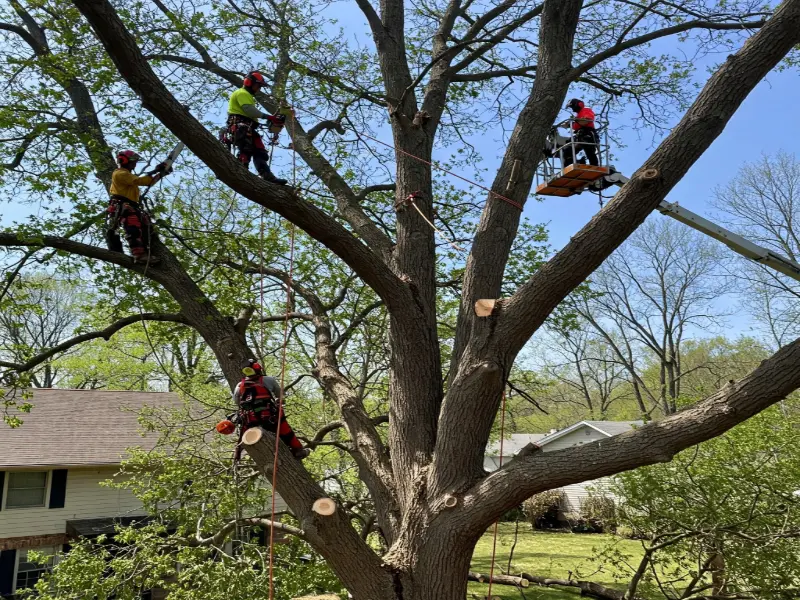
    Four people trimming a tree, working together to remove overgrown branches and maintain the tree's health.

    Most people think the main advantage of tree trimming is tree shaping and canopy control. But that’s not entirely true. Commonly, most people aren’t aware that, in order to maintain tree health and structure, it’s very important to do tree trimming at the right time and in the right season.

    When a tree is regularly trimmed, it helps to:

    • Grow well and develop strong limbs.
    • Reduce the risk of breakages.
    • Maintain a healthy and well-shaped structure.
    • Receive sunlight throughout the entire tree.
    • Prevent the spread of disease.

    One of the most effective tree trimming tips to promote growth and prevent disease is to remove extra branches and give the tree a chance to get good air circulation. Improving airflow and sunlight with trimming reduces most fungal infections and helps grow a healthy, green yard.

    So with these benefits, now you know why tree trimming matters and why you must do it to maintain your yard. So let’s find out when you need to trim your trees.

    When to Trim Trees

    Before you decide to trim your trees, you need to know when to trim trees. The best time of year to trim trees for health is typically during late winter or early spring. During this period, trees start new growth, and the harsh winter has already passed. According to experts, trimming in this time frame helps trees heal quickly and resume growing without extra stress.

    You must avoid tree trimming during the fall. The reason is that cuts made during this time heal slowly, and it will delay growth while increasing the risk of diseases.

    You must know that pruning young vs. mature trees requires different timing and frequency. For young trees, annual structural pruning supports proper growth and achieves good form. On the other hand, according to tree experts, mature trees should be trimmed every 3–5 years. However, if there are issues like disease or dead limbs, you should follow the guidance of a professional tree care service.

    For complete info on pruning trees in a home landscape, check out this helpful guide from the University of Maryland Extension

    So, how often should you trim trees in your yard? In this case, you should properly inspect your yard and decide. If you can’t decide, the best option is to contact an expert tree service in your area and get the best possible advice.

    If you’re wondering what you should ask a tree service when hiring, refer to this The Complete Guide to Tree Service in Jackson: What You Need to Know. It has everything you need to know.

    Tools and Safety Gear You Need

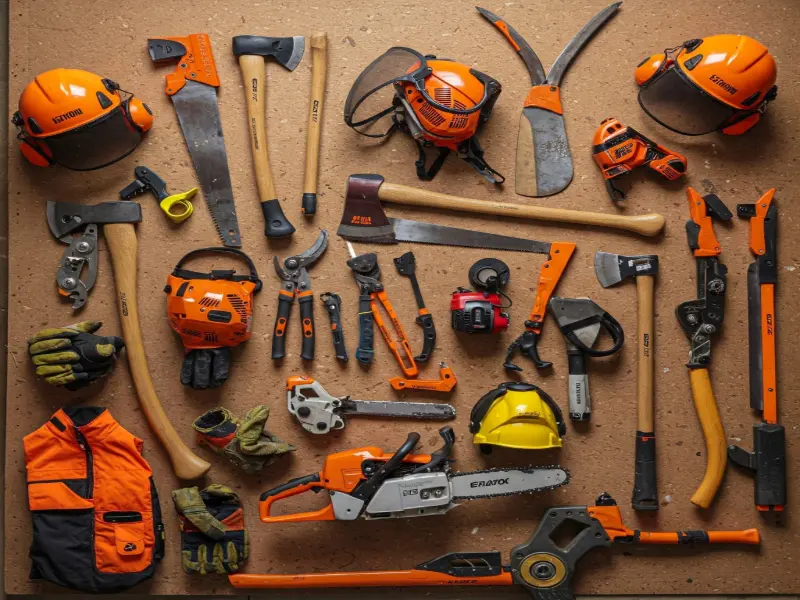
    A collection of tree trimming tools including pruning shears, loppers, and chainsaws arranged for use.

    If you are not hiring a professional company and doing your own trimming and pruning in your yard, you should follow tree trimming best practices, and you need the right tools and safety gear. Usually, for small branches, you need pruning shears; for thicker limbs, you need loppers; and for medium-sized branches, a pruning saw is required. You should also use a pole pruner when you need to reach high areas. These tools for effective tree trimming allow for clean cuts that help trees heal faster and stay healthy.

    Always remember to use clean and sharp tools, especially when using selective pruning techniques, to avoid tearing the bark or spreading disease.

    Remember to wear gloves, safety goggles, a hard hat if working under large branches, and non-slip footwear.

    Also, be aware that you cannot handle every tree trimming project on your own. If you are too busy to manage your yard or feel you need a professional tree care service, do not hesitate to hire them. It’s not just an expense, it’s an investment in your green, healthy yard.

    Techniques for Effective Tree Trimming

    So far, with the details we’ve discussed, you know proper tree trimming techniques are needed for healthy growth. So let us give you some tips about the best possible techniques you can use.

    Step 01 – Start by identifying dead, diseased, or crossing branches.

    Step 02 – Always cut at a slight angle just above a bud and avoid flush cuts, which can damage the trunk.

    Step 03 – Apply selective pruning techniques to improve both health and appearance, removing only what’s necessary.

    And you should remember, for better tree shaping and canopy control, maintain a balanced form by thinning the crown evenly. Always avoid over-pruning, as it can weaken the tree and stunt its growth.

    Common Mistakes to Avoid

    When we are discussing tree trimming best practices, you should avoid common mistakes because it is just as important as doing things right. When it comes to the mistakes to avoid when pruning landscape trees, there are three main mistakes you should be aware of.

    The first major error is tree topping — cutting off the top of a tree, which weakens its structure and leads to unhealthy regrowth.

    The second is over-pruning, which removes too much foliage and puts the tree under stress, making it hard for the tree to regrow.

    The third mistake is trimming in the wrong season and using the wrong tools or dull blades, which can tear branches and leave wounds that take longer to heal.

    So, please remember these mistakes and make sure you’re doing the right job at the right time.

    So, if you haven’t found a suitable professional for your requirements yet, let us give you a hint.

    KD Tree Service is the trusted and affordable tree service for all your tree needs.

    Our certified arborists specialize in eco-friendly tree care solutions, offering transparent pricing and timely service. Whether you need precision tree trimming, emergency tree removal, or a full arborist consultation, our team ensures professional results backed by 5-star customer reviews. Contact us today to schedule a free on-site estimate.


    Get a Free Estimate

  • Tree Pruning vs Tree Trimming: What’s the Difference?

    Tree Pruning vs Tree Trimming: What’s the Difference?

    Tree Pruning vs. Tree Trimming

    It takes a lot of effort to keep trees healthy and visually appealing in any type of property. Among many tree-maintaining practices, tree pruning and tree trimming are the two most important techniques. Many homeowners and property owners get confused with these two terms, thinking that both are the same. But they are actually quite different. 

    Understanding the difference between tree pruning vs. tree trimming will help property owners learn the importance of these two techniques, and KD Tree Services offers tree trimming and tree pruning services across multiple states in the US. 

    So, without dragging, let’s learn the difference between pruning and trimming and why they are important for trees. 

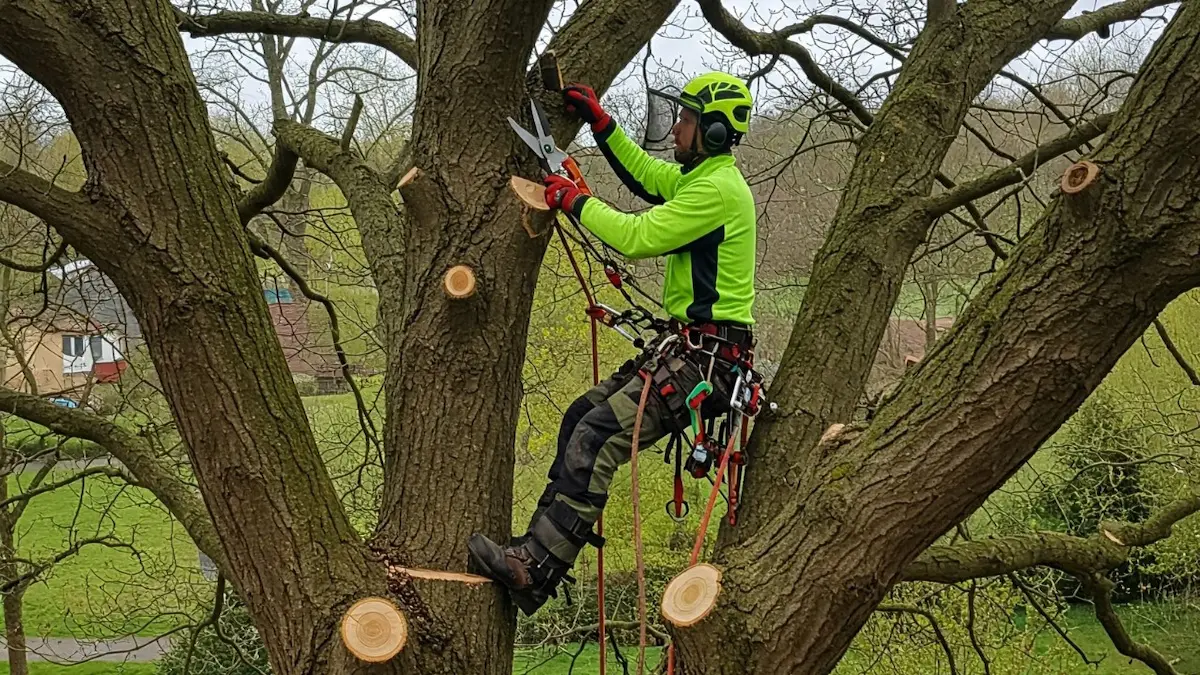
    Tree trimming in progress to maintain shape, health, and safety of the tree
    Tree Trimming
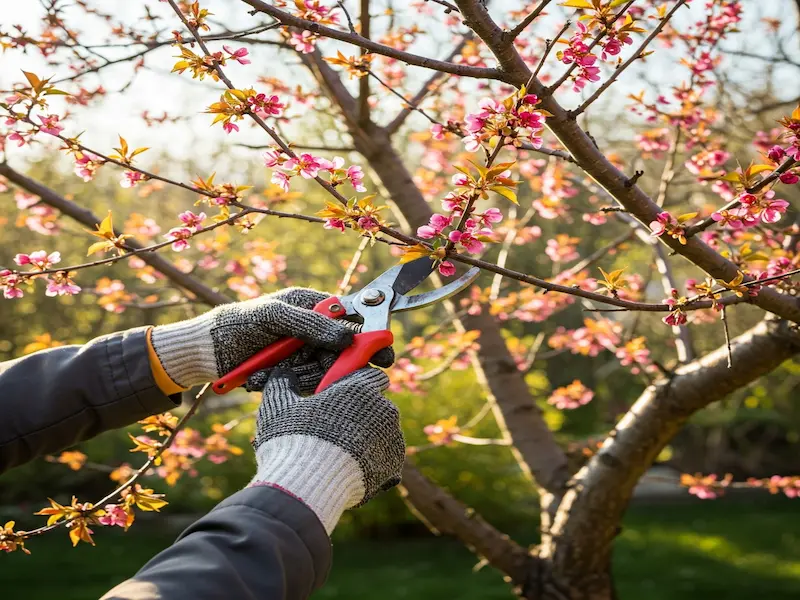
    A person pruning a tree with scissors to maintain its shape and promote healthy growth
    Tree Prunning

    Key Takeaways: Pruning vs. Trimming

    Pruning is for Health: 

    • It is the process of removing dead or diseased branches.
    • Improves the airflow and sunlight penetration.
    • Best timing- later winter or early spring

    Trimming is for Aesthetics:

    • Shaping trees for beauty.
    • Clearing hazardous branches.
    • Best timing- as required or 1-2 times a year.

    Tips from the pros:

    • Use sharp tools to avoid damaging the trees.
    • Do not remove over 25% of a canopy in a single season.

    Get the help of a tree care professional if the job looks risky.  

    What is the difference between tree pruning and tree trimming?

    What is Tree Pruning?

    Tree pruning is the process of removing damaged, diseased, or dead branches that can cause harm to other healthy parts of a tree. It helps in the prevention of the further spreading of diseases, and pests and promotes the growth and flourishing of a tree. It can also help in removing any unwanted limbs that will interfere with the growth of other parts. 

    The main goals of tree pruning are,

    • Promoting the healthy growth of trees.
    • Removing dead, diseased, and infested branches.
    • Enhancing fruition and flourishing.
    • Safe removal of hazardous branches and tree parts. 

    There are several different tree pruning methods used to prune a tree, depending on the nature of the location and the health of the tree. Below are some common tree pruning techniques used: 

    Crown thinning

    This is the process of selectively removing branches in the canopy to reduce density and maintain overall shape. The main goal of crown thinning is to allow sunlight and air circulation to penetrate the tree. It will improve the tree’s health while reducing the risk of diseases. This process should be done carefully; otherwise, excessive thinning could weaken the tree. 

    Crown raising

    Crown raising involves removing the lower branches of a tree to increase the clearance between the ground and the lowest branches. This technique often creates space for pedestrians, vehicles, buildings, or other infrastructure beneath the tree. It can also help improve visibility and access while maintaining the tree’s structural integrity.

    Crown reduction

    The crown reduction process is involved in the process of reducing the size of a tree canopy by cutting its branches carefully. This is done to reduce the height or the spreading of a tree when it is overgrown and becomes hazardous. This method helps to maintain the natural form of a tree and encourages healthy growing. 

    Directional pruning

    Directional pruning is used to guide the growth of a tree to a certain direction. This method is utilized to prevent the branches from interfering with any structure or location. It will encourage branch growth in a safer direction and help maintain the tree’s health while minimizing the risks. 

    Tree pruning requires the correct tools to make sure to give minimal damage to the tree while performing clean cuts. Pruning shears are used for cutting small branches and loppers for thicker limbs. Pruning saws are used to prune the largest branches, which cannot be handled using smaller tools. Pole pruners help reach the higher branches without climbing the tree. The right tools will ensure precise tree pruning while promoting healthy growth. 

    For most trees, the best time to prune is during the dormant season, which is late fall to early spring. But for some tree species, this might be different. At this stage, the tree has stopped growing. Pruning at this stage helps reduce stress and prevent the transmission of diseases while promoting growth at the beginning of spring. 

    What is Tree Trimming?

    Tree trimming refers to removing tree parts other than the health of trees. This process is usually done to improve the overall appearance of a tree and maintain its size. Trimming can promote the healthy growth of a plant and prevent the uncontrolled growth of branches. It allows the penetration of light to the lower branches as well. 

    The main goals of tree trimming are,

    • Maintaining a clean appearance.
    • Controlling overgrowth near structures and power lines.
    • Encouraging a balanced canopy growth.

    Proper tree trimming is important for maintaining the health, safety, and appearance of trees. Different trimming techniques are used depending on the purpose. Below are some of the common tree-trimming methods: 

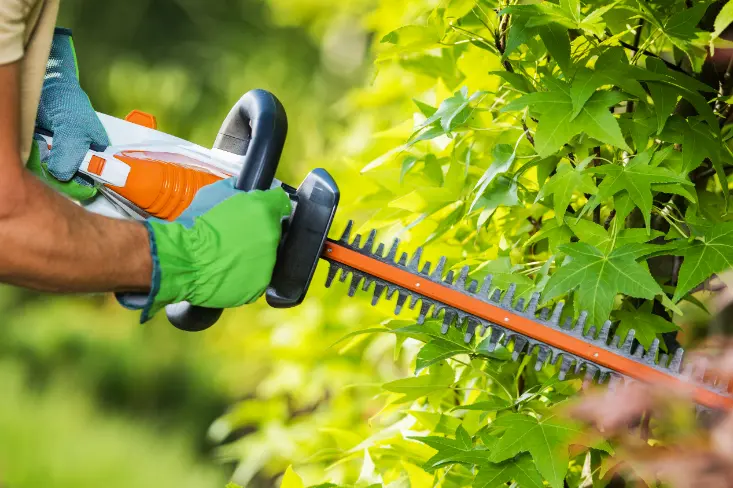
    Hedge trimming

    This process involves cutting back overgrown hedges to preserve a consistent appearance. It is commonly used in landscaping. Hedge trimming can prevent the hedges from becoming too dense.

    Canopy shaping

    Canopy shaping is all about trimming branches in a selective manner to improve the natural structure of a tree. This will enhance the overall appearance and growth. It can also help increase sunlight penetration and air circulation, which reduces the risk of getting diseases. 

    Clearance trimming

    When there are branches that block buildings, roads, sideways, or powerlines, this method is used to remove them. It improves safety by taking early precautions from falling or damaged branches. This method is important when it comes to urban areas where trees can be grown close to different structures.

    Just like tree pruning, tree trimming also requires special tools to ensure an accurate and safe result. Hedge trimmers shape and maintain the looks of small trees and shrubs. Chainsaws are helpful in cutting large branches or in the removal of limbs. These are mainly used in heavy trimming tasks. For fine-trimming jobs like cutting small branches, hand pruners can be a perfect option. 

    When trimming a tree mainly depends on the type of the tree. It may be required for a tree to be trimmed every 1-2 years to keep its shape and improve health. Slower-growing trees do not need frequent trims.  

    Key Differences Between Pruning and Trimming

    Choosing between pruning and trimming depends on your needs and specific requirements.

    Edit
    Characteristic Pruning Trimming
    Purpose Improving tree health Enhancing overall appearance
    Tools Pruning shears, loppers, pruning saws, pole pruners Hedge trimmers, chainsaws, hand pruners
    Frequency As required Regularly
    Techniques Targeted branch removal General branch removal
    Best for Large fruit and flowering trees Ornamental trees and bushes
    Outcome Strong and healthy trees Aesthetically pleasing trees
    Impact on trees Improves the health of trees Enhances the appearance of trees

    When to Prune vs. When to Trim

    One thing that you should understand is that tree pruning is mainly done when trees have health issues, and tree trimming is mostly for beauty. 

    You can do tree pruning when,

    • There are dead or diseased branches.
    • Trees are overgrown and lack stability.
    • There are storms and seasonal changes.

    And tree trimming when,

    • Branches extend towards buildings, walkways, or power lines.
    • Trees appear uneven or messy.
    • The landscaping requires a more polished appearance.

    If you have no idea whether a tree needs trimming or pruning, get help from a local certified arborist at KD Tree Service. They can assess the trees and recommend the best solutions. 

    Common Mistakes to Avoid

    To protect trees’ health and safety, avoiding common mistakes when trimming and pruning is crucial. Here are some common mistakes that we came across:

    Over-pruning

    Removal of too many branches and leaves can stress out a tree. This will weaken the structure and make it vulnerable to diseases and pests.

    Using dull or improper tools

    Dull tools can create rough cuts, leading to slow healing and the risk of infection.

    Trimming in the wrong season

    Wrong-season trimming can cause the risk of attracting pests and diseases.

    Improper cutting techniques

    Making random, unaware cuts can damage the natural healing process of a tree.

    Ignoring safety protocols

    Always follow safety guidelines or hire a tree service professional to do the job and prevent dangerous outcomes.

    Regional Considerations

    KD Tree Service operates in regions with various climates, from the humid Southeast to the cooler Northeast and the dry conditions of California. These climate differences influence the best pruning and trimming practices.

    The warm, humid climates of Georgia, South Carolina, and North Carolina support many local tree species. Pruning is best done in late winter or early spring before the growing season begins.

    In New Jersey and New York, cold winters and warm summers make winter pruning ideal for maples and oaks. This helps prevent disease and encourages strong spring growth.

    In California, the drier climate favors drought-resistant trees. Over-pruning in summer can stress trees due to heat and limited rainfall.

    Some region-specific tips for pruning and trimming trees across KD Tree Service’s operating states can be given below:

    Avoid pruning palm trees during hurricane season to prevent storm damage in Georgia. In South Carolina, eliminate heavy pruning of live oaks in spring to prevent the spread of tree diseases in late winter.

    In North Carolina, prevent pruning pine trees during summer to reduce the risk of infestations. In New York, prune fruit trees in late winter to improve fruit production and disease resistance. Avoid over-trimming drought-sensitive trees in California during summer to stop excessive water loss. 

    Learn more about tree pruning and trimming best practices by region from Penn State Extension

    Why Hire a Professional?

    Pruning and trimming trees can seem simple, but it comes with considerable risks when done improperly. DIY pruning poses safety risks, such as falling branches or injury from tools, and the use of inappropriate techniques can lead to tree stress, disease, or even death. This is where hiring a tree care professional like KD Tree Service comes into play. 

    Benefits of KD Tree Service:

    Certified Arborists:

    Our team includes certified arborists who understand tree biology, ensuring proper care and trimming techniques.

    State-Specific Expertise:

    We have in-depth knowledge of local tree species, climate conditions, and best pruning and trimming practices in each state, helping trees flourish in their environment.

    Advanced Equipment and Insurance:

    We use the latest equipment for efficient, safe trimming and pruning, and our services are fully insured, giving you peace of mind.

    FAQs

    Can Pruning Kill a Tree?

    Improper pruning can harm a tree, but when done right, pruning won’t kill it.

    How Much Does Trimming Cost Compared To Pruning?

    Trimming usually costs less than pruning because it’s a simpler process, but the price depends on the tree’s size and the job’s complexity.

    Is Trimming Necessary For Small Trees?

    Yes. Trimming small trees helps keep them healthy, encourages proper growth, and shapes them as they grow.

    What Trees Require The Most Frequent Pruning?

    Fast-growing trees like willows, oaks, and fruit trees typically need more frequent pruning.

    Can I Prune Or Trim In The Fall?

    Light trimming is okay in the fall, but heavy pruning should be avoided as it can stress the trees before winter.

    Conclusion

    Tree pruning and trimming are essential for maintaining your trees’ health, safety, and aesthetics, but they serve different purposes. Pruning is focused on removing dead or damaged branches to improve the tree’s health, structure, and growth. Trimming is generally done to shape the tree or shrub and maintain its appearance. Both are important for preventing risks, encouraging strong growth, and ensuring trees survive year-round.

    The importance of professional tree pruning and trimming cannot be amplified. KD Tree Service offers expert services tailored to your needs, with certified arborists, knowledgeable and skilled tree care professionals, and advanced equipment to do the job right.

    Schedule your pruning or trimming service today! Contact us for a free consultation, and let us help you keep your trees healthy and safe.


    Get a Free Estimate