
A tree falling on your home is one of the most dangerous property emergencies a homeowner can experience. Within seconds, severe storm damage can create roof collapse risks, electrical hazards, structural instability, water intrusion, and expensive repairs.
If you are dealing with a tree fell on house in Slingerlands NY emergency, taking the right steps immediately can protect your family, reduce long term property damage, and help speed up your homeowner insurance claim.
Throughout Slingerlands, Delmar, Bethlehem, Glenmont, and the greater Albany County area, heavy snowstorms, ice accumulation, aging trees, and high winds frequently cause trees and large limbs to fall onto homes, garages, sheds, vehicles, and power lines. During winter storms and severe weather events across New York’s Capital Region, emergency tree removal companies often respond to dozens of hazardous tree calls within hours.
This complete emergency guide explains:
– What to do immediately after a tree falls on your house
– When to call an emergency arborist
– Insurance claim steps
– Emergency roof protection methods
– Tree removal safety procedures
– Common storm damage risks
– Signs of dangerous trees
– Emergency tree removal costs
– How to prevent future tree emergencies
Whether your roof has minor limb damage or severe structural collapse, this guide will help you understand exactly what to do next.
What Should You Do if a Tree Falls on Your House?
If a tree falls on your home, follow these emergency steps immediately:
Emergency Action Checklist
- Evacuate dangerous areas immediately
- Call 911 if power lines are involved
- Stay away from exposed electrical wiring
- Contact an emergency tree service in Slingerlands NY
- Shut off utilities if safe to do so
- Notify your homeowner’s insurance provider
- Photograph all visible damage
- Avoid climbing on the roof or removing debris
- Install emergency roof tarping if necessary
- Schedule a structural inspection
Fast action can dramatically reduce:
– roof damage
– interior flooding
– mold growth
– ceiling collapse
– electrical hazards
– restoration costs
Many homeowners searching for tree fell on house what to do delay calling professionals because the damage initially appears minor. Unfortunately, hidden structural damage often becomes much worse within hours, especially during rain or snow.
Prioritize Safety Before Anything Else
The first priority after a fallen tree incident is protecting everyone inside the property.
Even if the roof appears stable, the impact may have weakened:
– attic framing
– load-bearing walls
– roof trusses
– ceilings
– electrical systems
– gas lines
– plumbing systems
Immediate Safety Precautions
Leave Severely Damaged Areas
Avoid rooms with:
– sagging ceilings
– cracked walls
– shifting floors
– visible roof collapse
Stay Away From Electrical Hazards
If the tree contacted power lines:
– stay far away
– avoid standing water
– do not touch metal surfaces
– call emergency responders immediately
Watch for Falling Limbs
Storm-damaged trees often continue shifting after impact. Broken limbs may fall unexpectedly hours later.
Turn Off Utilities if Safe
If you smell gas or hear electrical sparking:
– evacuate immediately
– contact emergency services
– avoid using electronics or open flames
Professional emergency arborists and structural specialists should inspect the property before anyone re-enters severely damaged areas.
Call an Emergency Tree Service in Slingerlands, NY
After ensuring everyone is safe, contact a professional emergency tree removal Slingerlands NY company immediately.
Tree removal from homes is highly specialized work requiring advanced equipment, technical rigging knowledge, and trained emergency crews.
Why Emergency Tree Removal Is Dangerous
A fallen tree resting on a roof creates unstable pressure zones. Improper cutting can suddenly release thousands of pounds of force and cause:
– roof collapse
– severe injuries
– shattered windows
– additional structural damage
– electrical accidents
– falling debris hazards
Storm-damaged trees are often twisted, cracked, and suspended under extreme tension. Even experienced DIY chainsaw users should never attempt emergency roof removals.
What Does an Emergency Arborist Do?
Many homeowners searching for an emergency arborist near me are unsure what arborists actually handle during storm emergencies.
Certified emergency arborists specialize in:
– hazardous tree removal
– storm damage cleanup
– crane assisted tree removal
– emergency limb removal
– tree risk assessment
– structural stabilization
– roof protection
– debris removal
– hazardous tree inspections
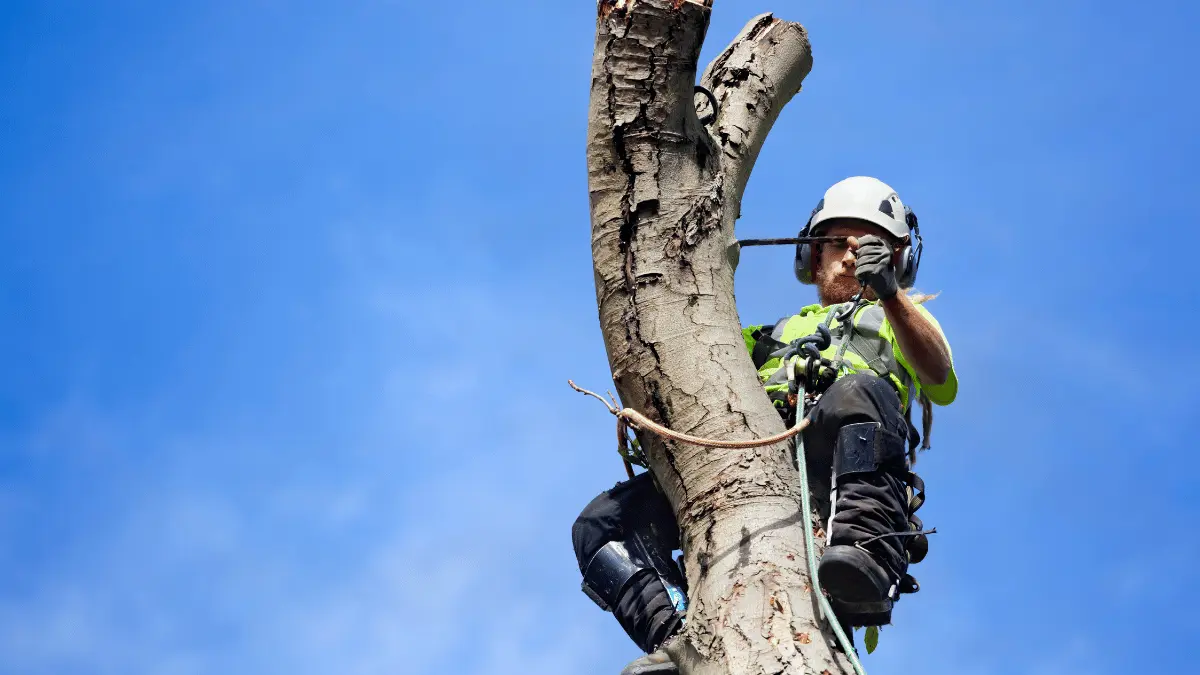
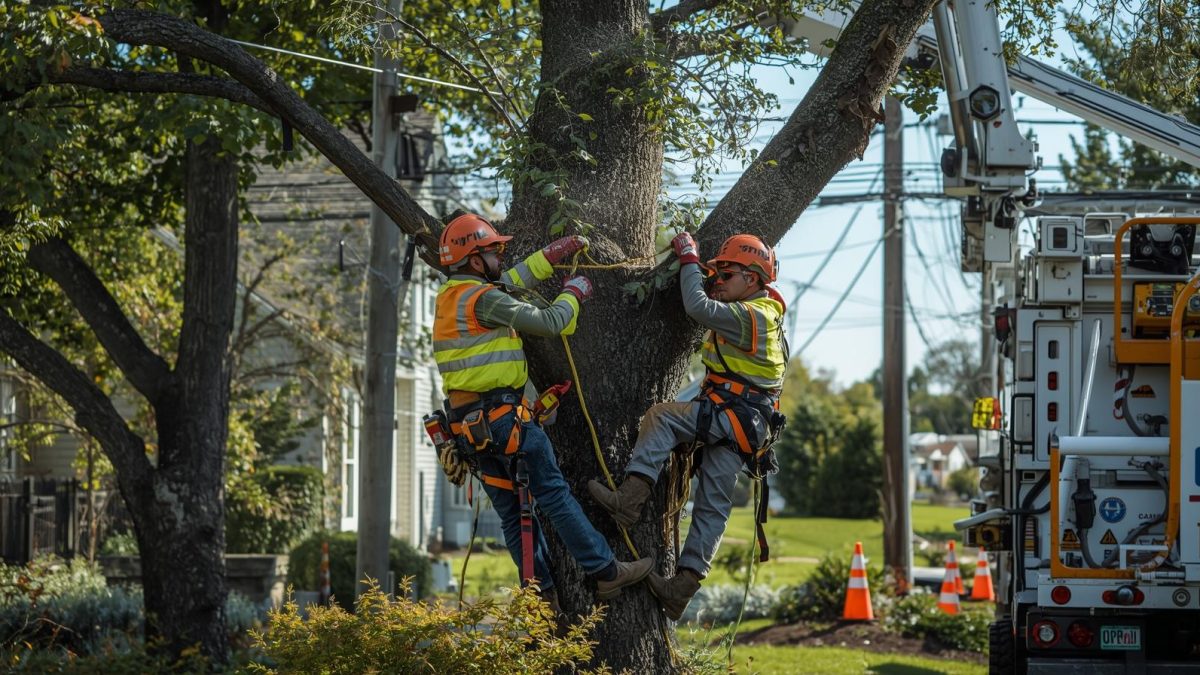
Professional arborists use:
– cranes
– bucket trucks
– chainsaws
– rigging systems
– climbing harnesses
– aerial lifts
to safely dismantle damaged trees without causing further harm to the structure.
How Emergency Tree Removal Works
Professional emergency tree removal follows a carefully controlled process designed to protect both the structure and surrounding property.
Step 1: Emergency Hazard Assessment
Arborists inspect:
– roof stability
– structural damage
– electrical hazards
– tree tension points
– cracked limbs
– debris risks
This evaluation determines the safest removal strategy.
Step 2: Site Stabilization
Before cutting begins, crews secure unstable sections using ropes, rigging systems, and support equipment.
This helps prevent:
– sudden tree movement
– additional roof collapse
– falling branches
– shifting debris
Step 3: Controlled Tree Removal
Large trees are usually removed in sections using:
– cranes
– aerial lifts
– advanced rigging systems
Each section is carefully lowered to avoid additional structural damage.
Step 4: Debris Cleanup
After removal, crews clear:
– branches
– logs
– roofing debris
– shattered materials
– hazardous limbs
from the property.
Step 5: Emergency Roof Protection
Temporary emergency mitigation services may include:
– roof tarping
– waterproof coverings
– structural bracing
– board-up services
to reduce further storm exposure.
Contact Your Homeowner’s Insurance Company
Most homeowner insurance policies cover storm related tree damage when the tree damages a covered structure.
Insurance May Cover:
– emergency tree removal
– roof repairs
– structural restoration
– water mitigation
– debris cleanup
– temporary tarping
– interior repairs
Coverage depends on:
– policy terms
– storm cause
– tree condition
– property damage severity
Important Insurance Claim Tips
Document Everything Immediately
Before cleanup begins:
- take clear photos
- record videos
- save invoices
- document damaged belongings
- create a timeline of events
Insurance adjusters may inspect:
- roofing systems
- attic framing
- insulation
- ceilings
- siding
- water damage
- electrical systems
Professional emergency tree companies often assist by providing:
- damage reports
- written estimates
- debris documentation
- mitigation invoices
These documents can help accelerate claim approvals.
Emergency Tree Removal Cost in Slingerlands, NY
One of the most common homeowner questions is:
“How much does emergency tree removal cost?”
Pricing depends on:
- tree size
- roof damage severity
- crane requirements
- accessibility
- weather conditions
- emergency timing
- debris volume
Average Emergency Tree Removal Costs
| Service | Typical Cost Range |
|---|---|
| Small tree removal | $500–$1,500 |
| Large tree on roof | $2,000–$8,000+ |
| Crane-assisted removal | $3,000–$10,000+ |
| Emergency roof tarping | $300–$1,500 |
| Storm debris cleanup | $500–$2,500 |
Insurance may cover a significant portion of these costs if the damage resulted from a covered storm event.
Never Attempt DIY Tree Removal
Homeowners often underestimate how dangerous fallen tree removal can be.
Common DIY Tree Removal Risks
Chainsaw Injuries
Emergency cutting frequently causes severe accidents due to unstable pressure points.
Roof Collapse
Improper cuts can shift the tree’s weight suddenly.
Electrocution
Hidden electrical hazards are common after storms.
Falling Limbs
Storm-damaged branches can snap unexpectedly.
Ladder Falls
Wet roofing and unstable debris create major slip hazards.
Professional emergency tree service crews receive specialized training for these high-risk situations.
Common Reasons Trees Fall on Homes in Slingerlands, NY
Understanding why trees fail helps homeowners reduce future risks.
Severe Windstorms
Strong wind gusts can uproot weakened trees or snap heavy branches onto nearby homes.
Heavy Snow and Ice
Winter storms across Albany County frequently overload mature trees with dangerous weight.
Dead or Diseased Trees
Internal decay weakens structural integrity over time.
Root Damage
Construction activity, poor drainage, and soil compaction can destabilize root systems.
Aging Trees
Older trees often develop hidden weaknesses that become dangerous during severe weather.
Warning Signs of a Dangerous Tree
Hazardous trees often show visible warning signs before failure occurs.
Signs You Should Never Ignore
- cracked trunks
- hollow cavities
- dead hanging branches
- leaning trees
- root lifting
- fungal growth near roots
- splitting limbs
- visible decay
- sudden leaf loss
If you notice these warning signs, schedule a hazardous tree inspection immediately.
Preventive maintenance is significantly less expensive than emergency storm restoration.
How to Prevent Future Tree Emergencies
Routine tree care can dramatically reduce storm-related property damage risks.
Recommended Preventive Services
- annual arborist inspections
- tree pruning
- crown thinning
- deadwood removal
- disease treatment
- root evaluations
- hazardous limb removal
- storm preparation trimming
Certified arborists can identify structural weaknesses before severe weather turns them into dangerous emergencies.
Why Fast Emergency Response Matters
When homeowners delay emergency tree removal, damage often spreads rapidly.
Fast emergency response helps:
- reduce roof leaks
- prevent mold growth
- minimize structural weakening
- improve insurance outcomes
- lower restoration costs
- reduce safety hazards
Delays may result in:
- interior flooding
- ceiling collapse
- insulation damage
- electrical failures
- dangerous mold contamination
That is why homeowners searching for emergency tree removal Slingerlands NY should prioritize companies offering true 24/7 storm response services.
Why Homeowners Trust Professional Emergency Arborists
Experienced emergency tree companies provide:
- rapid response times
- certified arborists
- crane-assisted removals
- insurance coordination
- emergency roof protection
- advanced safety equipment
- storm damage expertise
Hiring trained professionals ensures the situation is handled safely, efficiently, and with minimal additional property damage.
Frequently Asked Questions
Will homeowner insurance cover a tree falling on my house?
In most cases, yes. Insurance policies typically cover storm-related tree damage to covered structures.
How quickly should I call an emergency tree service?
Immediately. Fast response reduces structural damage, water intrusion, and safety risks.
Can I stay in my home after a tree falls on it?
If structural integrity, electrical systems, or gas lines are compromised, evacuate immediately until professionals inspect the property.
How long does emergency tree removal take?
Smaller removals may take a few hours, while major crane-assisted roof removals can require an entire day or longer.
Should I remove debris before the insurance adjuster arrives?
Only remove debris creating immediate safety hazards. Always document damage before major cleanup begins.
Final Thoughts
A tree fell on house in Slingerlands NY emergency can be overwhelming, dangerous, and emotionally stressful. However, taking immediate action can help protect your family, minimize structural damage, and speed up the recovery process.
Always remember to:
- prioritize safety
- evacuate unsafe areas
- call an emergency tree service
- document all visible damage
- notify your insurance company
- avoid DIY removal
- secure emergency roof protection
Professional emergency arborists have the equipment, expertise, and storm response experience needed to safely remove hazardous trees, protect your property, and restore safety after severe weather damage.
If you notice dangerous trees on your property, scheduling preventive inspections and maintenance today can help prevent devastating emergencies in the future.