[email protected] ⚡ Same-day emergency available

Author: KD Tree Services

  • What Are Overwintering Pests and How To Prevent Them

    What Are Overwintering Pests and How To Prevent Them

    You may have noticed insects invading your home as the cold winter weather arrives. This search for warmth is called “overwintering” and can be detrimental to your home. This blog will cover the topic of overwintering – its meaning, the main pests that overwinter, the reasons for their overwintering, and the measures that can be taken to stop them from occupying your house as a winter shelter.

    What Are Overwintering Pests?

    Overwintering pests are insects or rodents that look for warm spots when the weather outside turns cold. In the winter, these pests find shelter in parts of your home where they can stay safe from the chill, such as attics, basements, crawl spaces, and wall voids. Common overwintering pests include ants, spiders, cockroaches, rodents, and sometimes stink bugs.

    These pests don’t just vanish when temperatures drop. Instead, they stay quiet or move slowly, waiting for better conditions. Once they are inside your home, they can become active if they find food, water, and warmth. That’s why pest control winter prevention is so important to stop infestations before they get out of hand.

    Why Overwintering Pests Are a Problem

    Because of these risks, taking steps to prevent pests from entering your home during the winter is much easier and more effective than trying to eliminate them after an infestation starts.

    Winter does not necessarily mean that the pest problem is gone. One of the reasons for this is the series of seasons that pests take to survive in homes. Overwintering pests can:


    1. Make food and surfaces dirty with bacteria and allergens.

    2. Destroy the structure from the inside by eating wood, insulation, and wires.

    3. Trigger allergic reactions or asthma in sensitive individuals.

    4. Multiply quickly when they find favorable conditions indoors.

    As soon as summer comes to an end, many homeowners in Syracuse, NY must start thinking and taking action to protect their houses from pests. The best way to prevent overwintering pests includes a blend of inspection, maintenance, and precautionary measures.

    Make a Winter Pest Inspection
    tree service syracuse NY

    The first thing in the pest prevention Syracuse NY process that people living in Syracuse, NY, should do is to perform an exhaustive winter pest inspection of the house for pests. Sooner or later, the pests will find a way to get through the gaps and cracks in the walls and the main entrance of your house. Therefore, you should check the areas of windows, doors, vents, and the foundation very carefully. Apply caulk, weather stripping, or mesh screens to fill in the gaps. The right examination will allow you to spot the points of entry for pests before they become a problem again.

    Let Your House Be Clean and Dry

    Pests love to feed on food, moisture, and shelter. It is crucial during winter to have a clean and dry environment in your home. You should put food in airtight containers, vacuum the floor regularly, and do not leave pet food out at night. Look under sinks and in basements for leaks, and keep good airflow to eliminate moisture build-up. To pests that like to overwinter, a clean and dry house is not attractive.

    Prolong the Life of Your House’s Exterior

    The exterior of your house is the first line of defense against pests. Cut back any branches and bushes that reach the house because they may serve as a way for insects and rodents to get inside. Make sure your gutters and downspouts are unclogged to prevent water from accumulating and attracting pests. Limit the places where pests can hide by fixing broken siding, roof shingles, and foundation cracks. You cannot overemphasize the importance of these measures for pest control and winter prevention.

    Applying Preventive Treatments 

    Some homeowners choose to get preventive treatments done to keep overwintering pests at bay. Pest control specialists apply treatments around the household perimeter and at possible entryways. These treatments mitigate the odds of pests taking refuge indoors and provide you with assurance during the winter. 

    Winter Monitoring and Maintenance 

    Taking preventive measures does not mean you don’t have to pay attention to your home. Pests like to leave droppings, shed skins, and damaged food packaging as signs of their presence. This is a good time for you to take action, as the problem is still small. Keeping your preventive measures in place during winter ensures your home is safe from pests until spring. 

    Common Overwintering Pests in Syracuse, NY 

    Spiders: They search for sheltered spots where they can wait out winter; hence, they enter basements and attics.

    Ants: Some species look for winter warmth and shelter in walls and kitchens.

    Cockroaches: They favor nesting in basements and crawl spaces, which are dark and damp.

    Rodents: Rats and mice are destructive as they can gnaw through insulation and wiring.

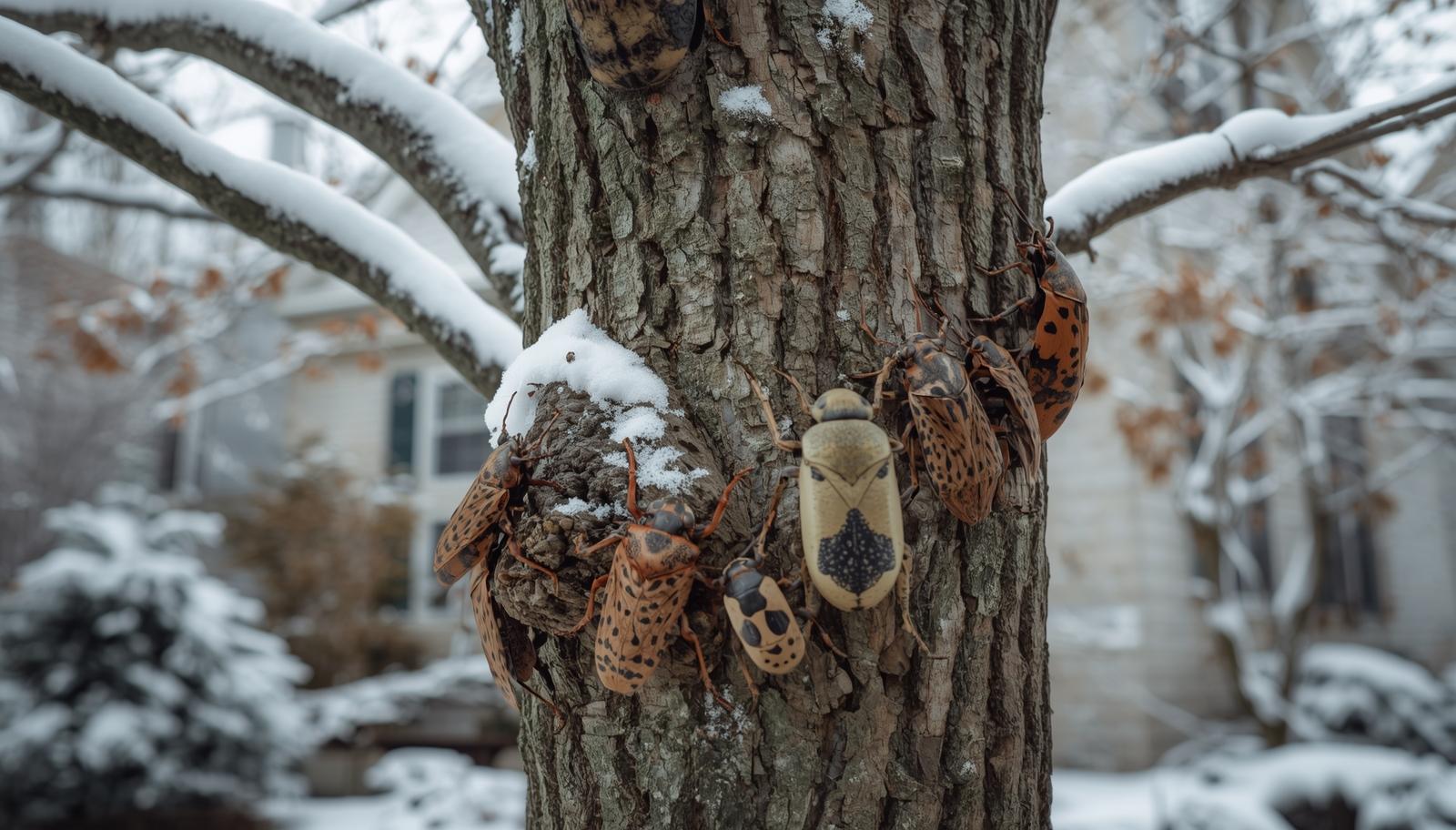
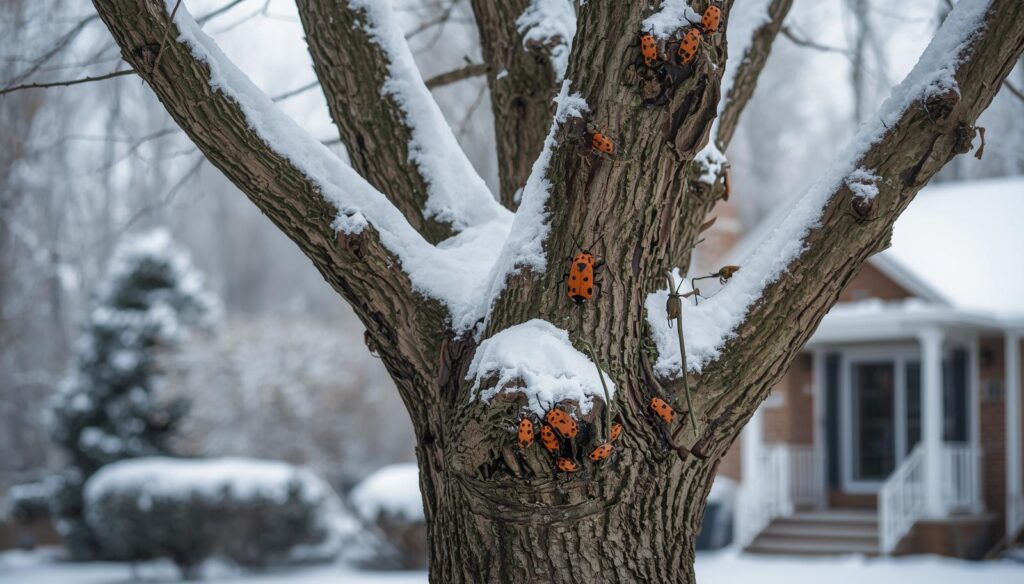
    Stink Bugs: They gather in masses along the outside and inside walls of houses.

    For more detailed guidance on safe and effective pest prevention, you can visit the EPA’s Safe Pest Control page, https://www.epa.gov/safepestcontrol.

    Conclusion

    Keeping pests away during the winter takes attention, upkeep, and careful planning. How to prevent overwintering pests means checking your home carefully, making sure it stays clean and dry, taking care of the outside of your house, using preventive treatments, and keeping an eye out for any signs of pests. By following these steps and looking into professional pest control winter prevention, homeowners in Syracuse, NY can have a cozy, pest-free home throughout the cold season.

    FAQ

    What draws the pests to the houses in winter?

    The main reason for the pests to come to the houses during winter is the warmth, food, and shelter that the houses provide.

    Can the pests withstand the heated environment of the houses during winter?

    The answer is yes, the pests can remain in a heated house, and that will be the case especially when food and water are readily available.

    When is the best time to set up a winter pest inspection?

    It is best to do it in late fall before the temperature drops too much, so that the pests do not have a chance to enter your home.

    Are the professional treatments safe for children and pets?

    Pest control treatment that is done by professionals is safe in most cases when the applied amount is the recommended one. Always adhere to the company’s proper safety instructions.

    For expert help with pest prevention Syracuse NY and professional pest control winter prevention, call KD Tree Service Syracuse NY today, (833) 408-7333.
  • How to Reduce Wind and Storm Damage to Trees?

    How to Reduce Wind and Storm Damage to Trees?

    There is no doubt that trees can cause damage and be damaged in storms. However, appropriately placed and maintained trees can help reduce damage to structures in storms by deflecting wind and reducing damage to trees. Appropriate actions include proper placement and planting, and structural pruning prior to the storm. Species selection can also be somewhat helpful in avoiding some damage. Actions in the weeks and years following a strong storm can help bring damaged trees back to health.

    Understanding Storm Tree Damage

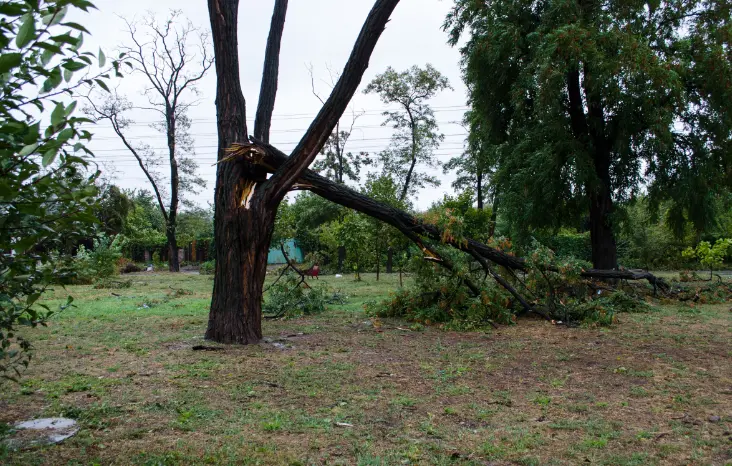
    Storm tree damage occurs when strong winds, hail, or heavy precipitation overwhelm the natural structure of a tree. Trees with weak branches, poor root systems, or existing health issues are especially prone to damage. In some cases, the destruction can be immediate, such as a branch snapping during a gust of wind. In other cases, it may take weeks to notice the effects, such as slow decay at a stressed point.

    Trees near homes, power lines, and roads are particularly concerning, as falling branches or entire trees can pose serious safety hazards. Therefore, it’s important to be proactive in preventing damage before a storm strikes.
    For more tips on proper tree care and maintenance, visit the U.S. Forest Service, https://www.fs.usda.gov/.

    Choosing the Right Trees for Wind Resistance

    tree service removal albany ny

    One of the most effective ways to prevent wind damage to trees is to select species that are naturally strong and resilient. Some trees are tougher than others when it comes to bad weather because of their evolution. The oak, bald cypress, and honey locust, among others, are trees with strong wood and deep root systems that make them storm-proof. By planting trees with fragile wood or shallow roots away from costly damage potential, you can avoid disaster.

    Besides that, giving trees the right distance can eliminate wind turbulence around them. Trees that are overly close to each other or structures might suffer more breakage during the storm.

    Wind Resistant Tree Pruning Techniques

    Tree damage reduction and tree health improvement through proper pruning are two important and interlinked things. The pruning of wind resistant trees mostly involves the cutting off of weak, dead, and crossing branches. This allows the wind to pass through the canopy quite easily, thereby reducing the pressure on the tree and, at the same time, lowering the chance of branch breakage.

    Regular maintenance is the cornerstone. Trees should be examined for any signs of disease, rot, or structural weaknesses at least once each year. A professional arborist will assist you in the process of recognizing the possible risks and using the wind resistant tree pruning techniques that help the tree be storm-damage resistant.

    Strengthening of Tree Structure

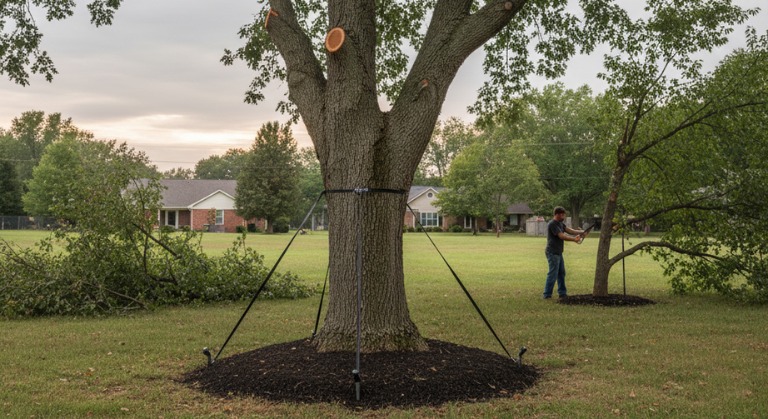
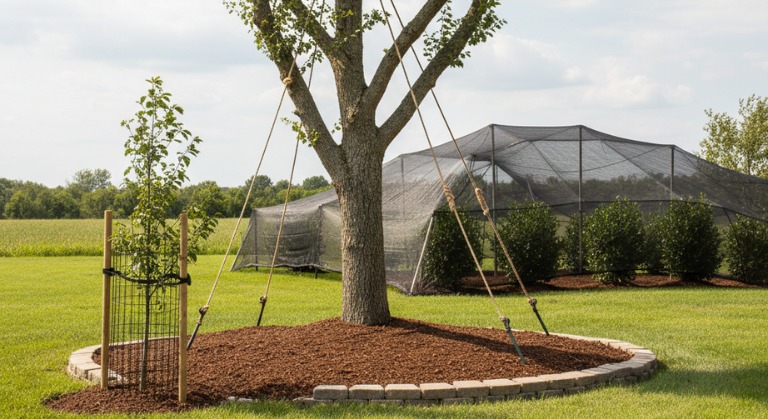
    Aside from trimming, there are other ways to fortify trees against storm damage. One option is to support young or weak trees with stakes, as this will allow their root system to grow stronger. However, stakes need to be taken off after a year or two so that the natural growth is not hindered. Mulching around the base of trees helps in retaining moisture in the soil and also stimulates deep root growth, which will keep the tree upright during storms.

    Cabling and bracing are also alternatives for mature or especially valued trees. The processes involve attaching flexible cables or rods to the tree limbs to help prevent splitting and snapping in very strong winds. These methods are effective ways to prevent wind damage to trees.

    Emergency Tree Care in Albany NY

    No matter how good the precautionary measures are, storms are still capable of doing unseen and unexpected damage. It is always good to have an emergency tree care Albany NY, which can be a time and money saver. Arborists in the area are on hand to provide emergency services such as cutting down branches that have fallen, giving support to trees that have been damaged, and checking for hazards that might arise. After a storm, it is crucial to be quick in taking action in order to avoid more damage being done and also to ensure people’s safety.

    tree service albany ny

    People who own houses should also check with their insurance companies about policies on storm tree damage. If the case arises, having proper documentation of the condition of the trees before and after the storm can come in very handy in supporting a claim.

    Soil and Root Care for Storm Protection

    Healthy roots are crucial for minimizing storm tree damage. Trees with strong root systems are less likely to topple during high winds. Aerating compacted soil and avoiding heavy construction near root zones can improve stability. Fertilizing appropriately and maintaining proper drainage also helps trees remain resilient.

    Avoid overwatering, which can weaken roots and make trees more susceptible to windthrow. Conversely, drought-stressed trees are also more vulnerable. Balanced care ensures the tree has the strength to withstand storms and helps prevent wind damage to trees.

    Regular Inspections and Maintenance

    Preventive maintenance is the cornerstone of reducing storm tree damage. Regular inspections identify early signs of disease, decay, or structural weakness. Look for cracks in the trunk, loose branches, fungal growth, or leaning trees. Addressing these issues before a storm can save both the tree and the surrounding property from severe damage.

    Professional arborists can provide tailored advice for preventing wind damage to trees, including species-specific care and wind-resistant tree pruning schedules that maximize tree resilience.

    Community and Neighborhood Planning

    Urban and suburban planning can also influence tree safety during storms. Communities that prioritize planting wind-resistant species, maintaining proper spacing, and enforcing regular tree care programs reduce overall storm tree damage.

    Conclusion

    Reducing storm tree damage means taking a few important steps: choosing the right trees, keeping up with regular care, using wind-resistant tree pruning, and knowing what to do in an emergency.

    FAQ

    How can I stop trees from getting damaged by the wind?

    Preventing wind damage to trees is done through regular pruning, strong species selection, adequate watering, and soil management.

    What do you mean by wind resistant tree pruning?

    In this technique, weak, dead, or crossing branches are cut off so that wind can come through the tree, thus lessening the chance of storm damage.

    Who is the one to offer emergency tree care in Albany NY?

    Emergency tree care Albany NY, including limb removal and risk assessment after storms, is performed by licensed arborists and local tree service companies.

    Do young trees face a greater risk of storm damage?

    Absolutely, the wind can easily break young trees with little or no root development or weak stems, thus driving the necessity for staking and proper care.

    For any urgent tree issues or to ensure proper care, call KD Tree Service Albany NY for professional assistance at (833) 408-7333.
  • Best Time to Prune Trees in Albany, NY for Healthy Growth and Safety

    Best Time to Prune Trees in Albany, NY for Healthy Growth and Safety

    Pruning your trees is not a harmful activity – it is a way to help them flourish. Proper pruning, which is also called tree trimming, keeps the trees green, attractive, and safe. If you remove the right branches at the right time, you can avoid hazards and encourage ample growth. The majority of the homeowners are frightened, to an extent, about tree pruning, as they are afraid of “messing up” the tree, and it is a fact that improper pruning can lead to tree damage.

    Pruning, however, with some basic understanding and timing tips, can be done with confidence by anybody. This blog will guide the steps of pruning trees and share major tree trimming tips so that you can treat your trees like a professional. Keep in mind that timing is everything – doing the pruning in the wrong season or making improper cuts can be more harmful than good.

    Best Time to Prune Trees

    Understanding Why Tree Pruning Matters

    Before learning about the best time to prune trees, it helps to understand why pruning is so important. Trees, like all living things, need care and attention to stay healthy. Over time, dead or damaged branches can become weak points that lead to breakage. Pruning helps remove these risky branches before they fall and cause injury or property damage.

    Regular pruning also improves air circulation and sunlight exposure throughout the tree’s canopy. This helps lower the risk of fungal infections and supports fresh, healthy growth. In cities like Albany, pruning also keeps tree size under control so branches won’t get in the way of power lines or obstruct views.

    Proper tree maintenance makes sure your trees do more than just survive; they can flourish and remain strong for many decades.

    The Best Time to Prune Trees in Albany, NY

    In Albany, NY, the optimal time for tree pruning varies depending on the tree species and your intended outcomes. That said, late winter to early spring, specifically the months of February to April, is generally the best time to prune trees.

    At this time, the trees are still in a dormant state; this means they are inactive and poised to heal quickly the cuts made after tree pruning as the growing season commences. This allows the trees to shift their energy toward producing new leaves and branches. The tree will not struggle to heal the cuts made during the peak growth of the season.

    For most deciduous trees, pruning during late winter and early spring will promote healthy spring foliage and prevent sap bleeding. In this case, most of the twigs will have dried and fallen, making the tree’s structure visible for tree maintenance and pruning.

    If you have flowering trees, the timing is somewhat different. Spring-flowering trees should be pruned immediately after flowering to avoid cutting the flower buds for next season. Using proper tree pruning tips will help ensure the best results.

    Light pruning can be performed during any season on evergreen trees; however, most of the heavy tree pruning should be performed in late winter.

    If you are looking for tree pruning Albany NY, late winter and early spring are generally the safest and most effective times.

    Best Time to Prune Trees

    Summer and fall pruning considerations

    Late winter is ideal for pruning, although it may be necessary to prune at other times of the year. Summer pruning is useful for controlling and shaping the tree; for example, lightly pruning a branch in summer that is too close to your house or blocking some sunlight will help. 

    Do not perform heavy pruning in summer during a heatwave, as it may overstress the tree. Summer is a good time to remove suckers or water sprouts, those fast-growing shoots that divert the tree’s energy away from the main branches. 

    In Albany, fall is not the best time to prune trees. Once the trees start to prepare for winter, pruning will stimulate new growth that can’t sufficiently mature before the cold. This leaves tender branches exposed to frost damage. To make matters worse, fall is a time for the spread of fungi and diseases, increasing the risk of infection.

    Guidelines for Good Tree Pruning Habits

    Aside from doing it at the right time, employing the right techniques is also crucial for successful tree pruning.

    Use clean, sharp tree pruning tools. Dull pruning tools can rip tree bark, leaving rough, uneven wounds that will heal very slowly. For the best and quickest healing, cut right at the branch collar, the slightly swollen area where the branch meets the trunk. This reduces the risk of the tree getting infected and supports proper tree maintenance.

    Do not cut more than 25% of the tree’s canopy at once. This is considered over-pruning, and it will certainly shock the tree, greatly hindering growth. Dead, diseased, and crossing branches should be the first to be removed following proper tree pruning tips.

    Avoid tree topping, which is the practice of cutting large sections of the crown. This will weaken the tree, and poor regrowth will surely follow. You may also practice crown thinning or shaping to achieve a more balanced look, which is an essential part of tree maintenance.

    For large branches or high limbs, it is advisable to have a tree pruning Albany NY expert. They have the correct tools and experience, as well as the necessary safety equipment, to do the work and ensure a good tree pruning job is done.

    Tree Maintenance and Safety in Albany’s Climate

    Albany’s cold winters and humid summers require different approaches to tree maintenance. Weak branches may break off during winter storms, and limbs may fall during summer storms. Regular inspections and seasonal tree pruning may avoid such accidents.

    In neighborhoods with many mature trees, safety is paramount. Large branches should be trimmed back if they hover over sidewalks or roofs. Looking more visually appealing in front may be an added incentive to sell your home, as proper tree maintenance and tree pruning tips clearly boost curb appeal.

    After every major storm, homeowners should inspect trees for cracks or if they have leaning trunks. Any signs of damage should be taken seriously, and a certified arborist for tree pruning Albany NY should be contacted to avoid more problems.

    For more information on tree care and pruning best practices, visit the U.S. Forest Service tree care guide, https://www.fs.usda.gov/learn/trees.

    Best Time to Prune Trees

    Hiring a Professional Tree Pruning Service in Albany, NY

    Small pruning jobs are something most homeowners can handle on their own, but larger or more complicated tasks are often best left to experienced professionals. Certified arborists in Albany know how to check a tree’s health and decide exactly what kind of tree pruning is needed.

    When you need tree pruning Albany NY services, pick companies that are licensed, insured, and have good local reviews. Using professionals not only improves the way your trees look but also helps make sure they stay healthy and safe for the long term.

    A good tree care company can also provide a yearly tree maintenance plan, which includes inspections, pruning schedules, and fertilization if needed. This consistent care helps prevent costly issues later on.

    FAQs

    What is the best time to prune trees in Albany, NY?


    The answer is late winter to early spring, before the buds start to open and the trees begin to leaf out. 

    You can, however, we suggest leaving the heavy cuts for the winter months and just light summer pruning to remove small or unwanted branches. 

    It’s not the best time because pruning in the fall can contribute to dieback and post-winter weak growth to the tree, and can lead to winter diseases. 

    All trees will benefit from a pruning cycle of 2 to 3 years, although fast-growing species will need it more often. 

    Definitely for large and high branches, as it will be safer, and the right techniques can be used by professional tree pruning Albany NY services.

    The answer is late winter to early spring, before the buds start to open and the trees begin to leaf out. 

    You can, however, we suggest leaving the heavy cuts for the winter months and just light summer pruning to remove small or unwanted branches. 

    It’s not the best time because pruning in the fall can contribute to dieback and post-winter weak growth to the tree, and can lead to winter diseases. 

    All trees will benefit from a pruning cycle of 2 to 3 years, although fast-growing species will need it more often. 

    Definitely for large and high branches, as it will be safer, and the right techniques can be used by professional tree pruning Albany NY services.

    Conclusion

    When you understand the best time to prune trees and apply trusted tree pruning tips, you help your trees grow stronger, stay healthy, and remain safe through every season.

    In Albany, late winter through early spring is when pruning conditions are at their best. Trees are dormant, the air is crisp, and each careful cut encourages new, healthy growth as the weather warms up. When you pair this seasonal work with steady tree maintenance, your yard will stay full of life and remain neat and appealing year after year.

    Whether you handle the work yourself or hire trusted professionals for tree pruning Albany NY, giving your trees proper and timely care helps them stay healthy and strong, ensuring they remain a lasting and beautiful part of your property and neighborhood.

    For trustworthy and professional service, make sure to call KD Tree Services for all your tree pruning Albany NY needs, (518) 625-8733.

  • The Complete Fall Tree Care Guide for New York Homeowners

    The Complete Fall Tree Care Guide for New York Homeowners

    Fall is a wonderful time of the year; the temperature starts to cool down and provides beautiful fall color for many trees. Fall is known to be the best season to plant trees due to the ideal temperatures, dormancy approaching on all trees, lessening plant stress, and the adequate soil temperatures needed for optimum tree growth.

    Fall also brings more rain and soil moisture, creating an increased amount of root growth and development. Due to transpiration being low, it allows optimal root generation. With temperatures moderate to cool, it is easier on the plants, allowing a lesser chance for transplant shock and less stress from the extreme summer heat. Planting in the earlier part of the Fall also allows for the most optimum plant growth before cooler winter temperatures arrive.  As fall approaches, be sure to take full advantage of the season. It is widely spoken that fall is the best time to plant trees and shrubs.For professional fall tree care in New York, KD Tree Services provides certified arborist support to keep your trees healthy and ready for winter.

    Why Fall Tree Care Is Important

    Fall is a crucial season for tree maintenance because it allows trees to prepare for the challenges of winter. Leaves dropping, cooler temperatures, and frost can stress trees if they aren’t properly cared for. Following a reliable fall tree care guide New York ensures that your trees are strong, healthy, and better equipped to handle the winter. Seasonal tree care in New York also reduces the risk of damage from heavy snow, ice, and cold winds.

    Caring for your trees now can prevent common problems such as weak branches, disease, and pest infestations. It’s much simpler to take care of these problems in the fall than to fix damage once winter has set in. Using fall tree care tips NY can also boost your property’s value and appearance, helping your landscape stay healthy, colorful, and well cared for.

    Assessing Your Trees Before Winter

    The first thing any homeowner should do in a fall tree care guide New York is check the overall health of their trees. Look out for signs of disease, dead branches, or structural problems that could get worse once winter arrives. Trees with damaged limbs are more likely to break under heavy snow or ice.

    Taking the time to inspect your trees also shows you where pruning or fertilizing might be needed. A careful assessment makes your autumn tree maintenance more focused and effective. Trees that receive attention in the fall are generally healthier and more resilient when spring arrives.

    For more guidance on proper tree care in New York, visit the NY State DEC’s forest management page, https://dec.ny.gov/nature/forests-trees.

    Fall Pruning & Care

    Pruning is one of the most important aspects of fall tree care New York homeowners. To help prevent branches from breaking during winter storms, remove any dead, weak, or brittle branches. Pay special attention to branches that cross over or rub together. Open cuts from branches that rub against one another can lead to damage, creating an entry point for pests or diseases. This is an important part of fall tree care tips NY.

    Yet, trees must not be over-pruned. Trees do need enough leaves to help buffer them during winter. Proper pruning and autumn tree maintenance do help in having trees and shrubs built for strength to better handle winter, and this will also help promote growth in spring. Doing this requires clean, sharp pruning tools to help minimize damage to the tree, following a reliable fall tree care guide New York.

    Winter Preparation

    Winter tree care also begins with proper pruning through autumn. Part of this pre-winter tree care is the addition of mulch around the tree’s base to help protect the roots and prevent the soil from freezing. Mulch also aids in preventing the soil from drying out and adds nutrients as it decomposes.

    Wrapping younger trees or those that are more delicate with protective materials can also minimize the risk of frost cracks and reduce damage from winter winds. Deeply watering them before the ground freezes will help provide hydration that lasts through winter. Proper tree care practices during this time are key to effective seasonal tree care in New York and will greatly help maintain tree health and extend longevity.

    Fertilizing and Soil Care

    Fertilizing in the fall provides essential nutrients that help trees survive winter and grow vigorously in spring. Be sure to use a slow-release fertilizer that suits your tree type and follow the instructions carefully to avoid overfeeding.

    Soil care is pivotal in seasonal tree care in New York as well. Manage the pH and texture of the soil to make sure it is a friend to the roots. The addition of compost and/or organic matter will enhance the soil structure and nutrient content. Healthy trees need a strong foundational soil. 

    At this time of year, check for and manage any pests and diseases that might damage your trees over the winter. Check for problematic insects, fungus, and general signs of stress.

    Treating issues early with appropriate methods is part of a smart fall tree care guide New York.

    Regular inspections and preventative care, such as removing fallen leaves and debris, reduce the chance of disease spreading. Healthy trees are more resilient and have less likelihood of being affected by pests in the upcoming seasons, making fall tree care New York practices even more effective.

    Tips by Type of Tree

    Every type of tree can have a slightly different set of fall tree care tips NY. As an example, evergreens may need more protection from wind and snow, while deciduous trees benefit more from pruning and root care. Recognizing the specific requirements of your trees ensures your efforts in pre-winter tree care are effective.

    Every New York property owner can identify the optimal approaches for each type of tree on their land by consulting a local arborist or following a comprehensive tree care guide for NY homeowners. Local knowledge helps ensure your autumn tree maintenance is appropriate for the predominant climate and soil conditions in New York.

    You can find a trusted professional in New York, https://kdtreeservices.com/hire-certified-arborist-new-york/.

    Benefits of Following a Fall Tree Care Guide

    Using a detailed fall tree care guide New York offers several clear benefits. Your trees stay stronger, healthier, and better protected against winter damage. Taking care of them properly helps them grow well, lowers the risk of disease, and keeps your yard looking its best. On top of that, well-kept trees add value to your property and make your outdoor space more enjoyable for your family.

    Spending time on fall tree care tips NY now can help you avoid bigger problems later, like costly treatments or tree replacements. The small effort in autumn pays off in the form of healthy, thriving trees year-round.

    FAQs

    What is the best time for tree pruning in New York during the fall?


    Late autumn, after leaves have fallen but before the first heavy frost, is the best time to prune most trees.

    Yes, applying a slow-release fertilizer in autumn helps trees to store nutrients for winter and encourages spring growth.

    Applying mulch around the tree’s base, covering the trunk, and giving a deep watering to the tree before the ground freezes are some of the ways.

    You can do simple tasks like mulching and light pruning by yourself, but for large trees or major pruning, hiring a certified arborist is recommended.

    Fall tree care makes the trees winter resilient, less prone to diseases and pests, and thus your yard is always beautiful and safe.

    Late autumn, after leaves have fallen but before the first heavy frost, is the best time to prune most trees.

    Yes, applying a slow-release fertilizer in autumn helps trees to store nutrients for winter and encourages spring growth.

    Applying mulch around the tree’s base, covering the trunk, and giving a deep watering to the tree before the ground freezes are some of the ways.

    You can do simple tasks like mulching and light pruning by yourself, but for large trees or major pruning, hiring a certified arborist is recommended.

    Fall tree care makes the trees winter resilient, less prone to diseases and pests, and thus your yard is always beautiful and safe.

    By using this fall tree care guide New York, homeowners can keep their trees stronger and healthier while getting them ready for winter. Following these fall tree care tips NY helps your property stay attractive, safe, and well looked after all season. Proper autumn tree maintenance and pre-winter tree care safeguard your trees and make sure your landscape is ready to thrive come spring.

    For the best care for your trees this fall, reach out to KD Tree Services for expert guidance and hands-on help (518) 625-8733.

    Primary keyword fall tree care guide New York Secondary keyword fall tree care tips NY LSI autumn tree maintenance, pre-winter tree care, fall pruning & care, preparing trees for winter, seasonal tree care in New York Geotargeted keyword fall tree care New York, tree care guide NY homeowners

  •  7 Tree Warning Signs Before NY Winter Storms That Could Cost You Thousands

     7 Tree Warning Signs Before NY Winter Storms That Could Cost You Thousands

    Tree health is something that is often underestimated and taken for granted. We believe that our trees will never fall down, and they will not need any maintenance at all. However, if tree inspection is not included as a checklist item in your regular maintenance, then costly problems may sneak up on you. For expert tree inspection and storm preparation in Albany, NY, KD Tree Services provides professional care to help prevent winter storm tree damage and costly repairs.

    Winter can be very brutal for trees, especially if they have already been going through a lot and have weak structures. Trees are very strong and can endure a lot, but the combination of freezing temperatures, heavy snow, and strong winds can change small issues into major problems very quickly. KD Tree Services is here to help you recognize the signs that your trees may need extra support this winter and provide expert solutions to keep them healthy and strong.

    Inspecting Trees Before Winter Is Essential

    In New York, winter brings along heavy snow, ice, and strong winds, which, besides the natural causes, can further stress trees, particularly the already weak ones. If one ignores tree damage warning signs, then one might end up having to deal with serious issues, like the snapping off of branches or even the falling of entire trees. So, if one takes time to check trees for their readiness to withstand storms before winter, one’s house will be protected, and he or she will also be spared from incurring expensive repairs or accidents by ensuring they are storm-ready trees.

    There can be problems within the bark or deep in the branches, even in trees that appear to be healthy. This is the reason why it is very necessary to discover the signs of weak trees and to act accordingly before the winter storms come.

    For more tips on keeping your trees safe and healthy during harsh New York winters, check out New York State DEC – Tree Care Tips. https://dec.ny.gov/nature/forests-trees/urban-and-community-forestry/urban-tree-care.

    1. Cracks and Splits in the Trunk

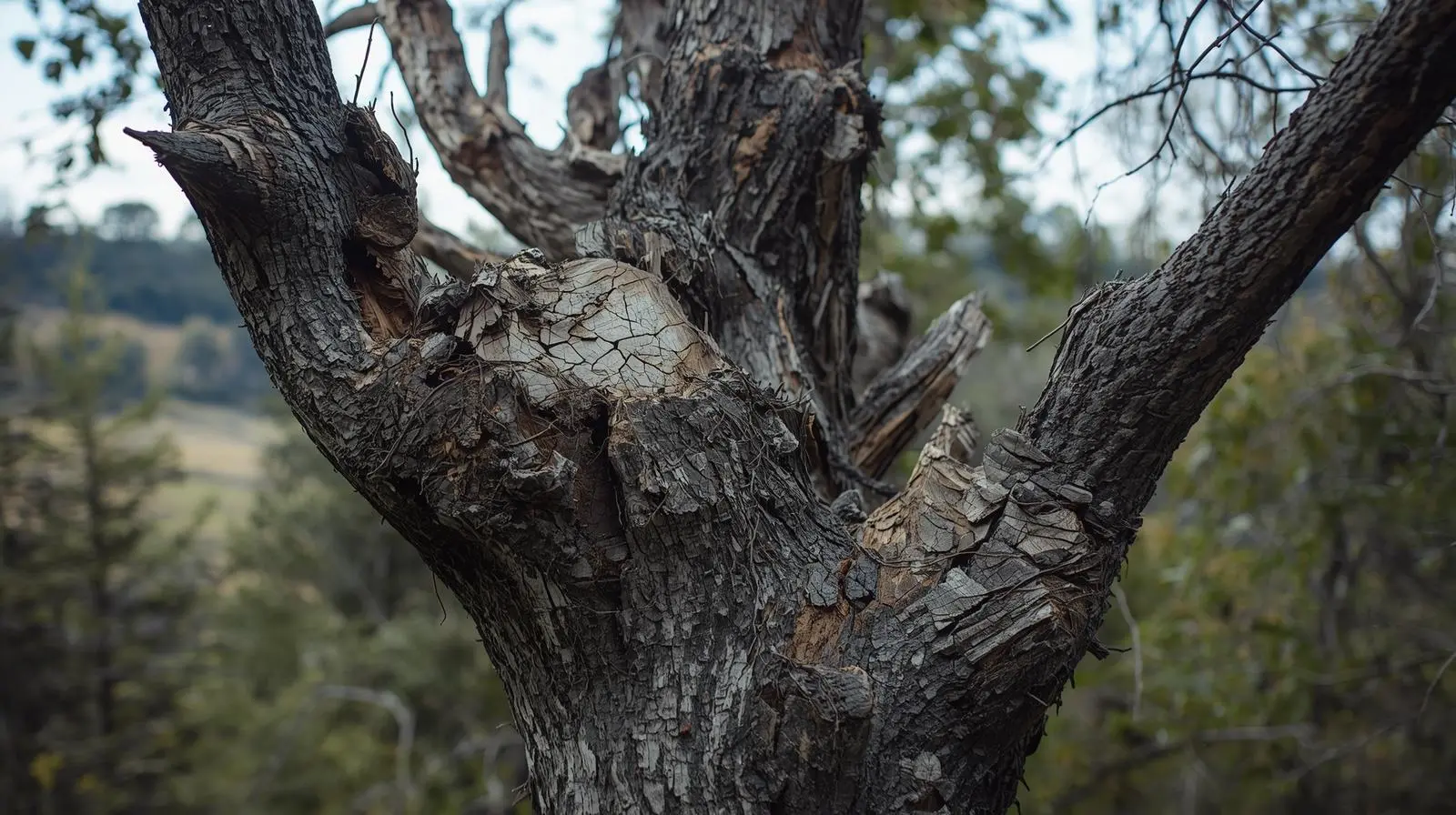
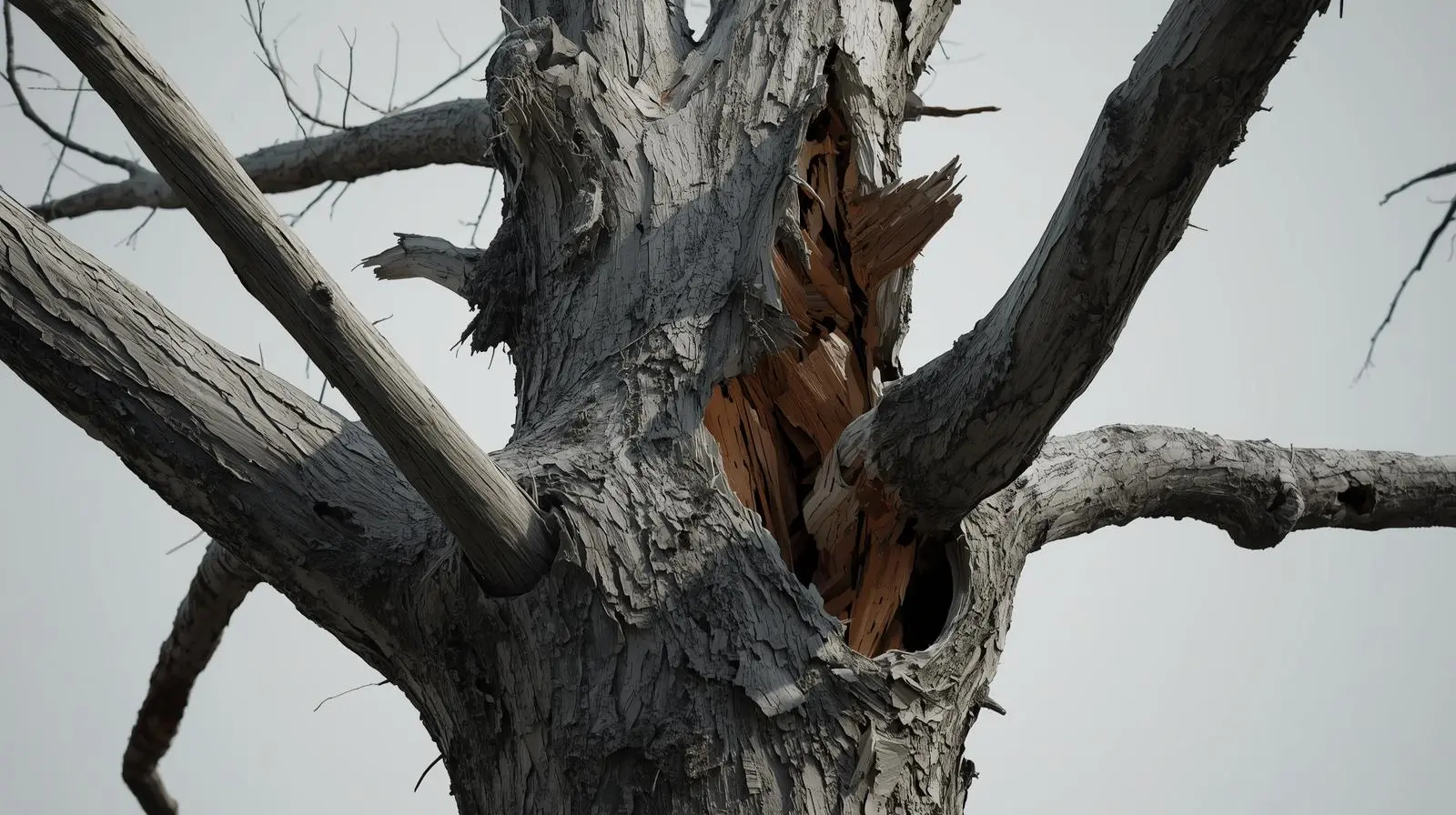
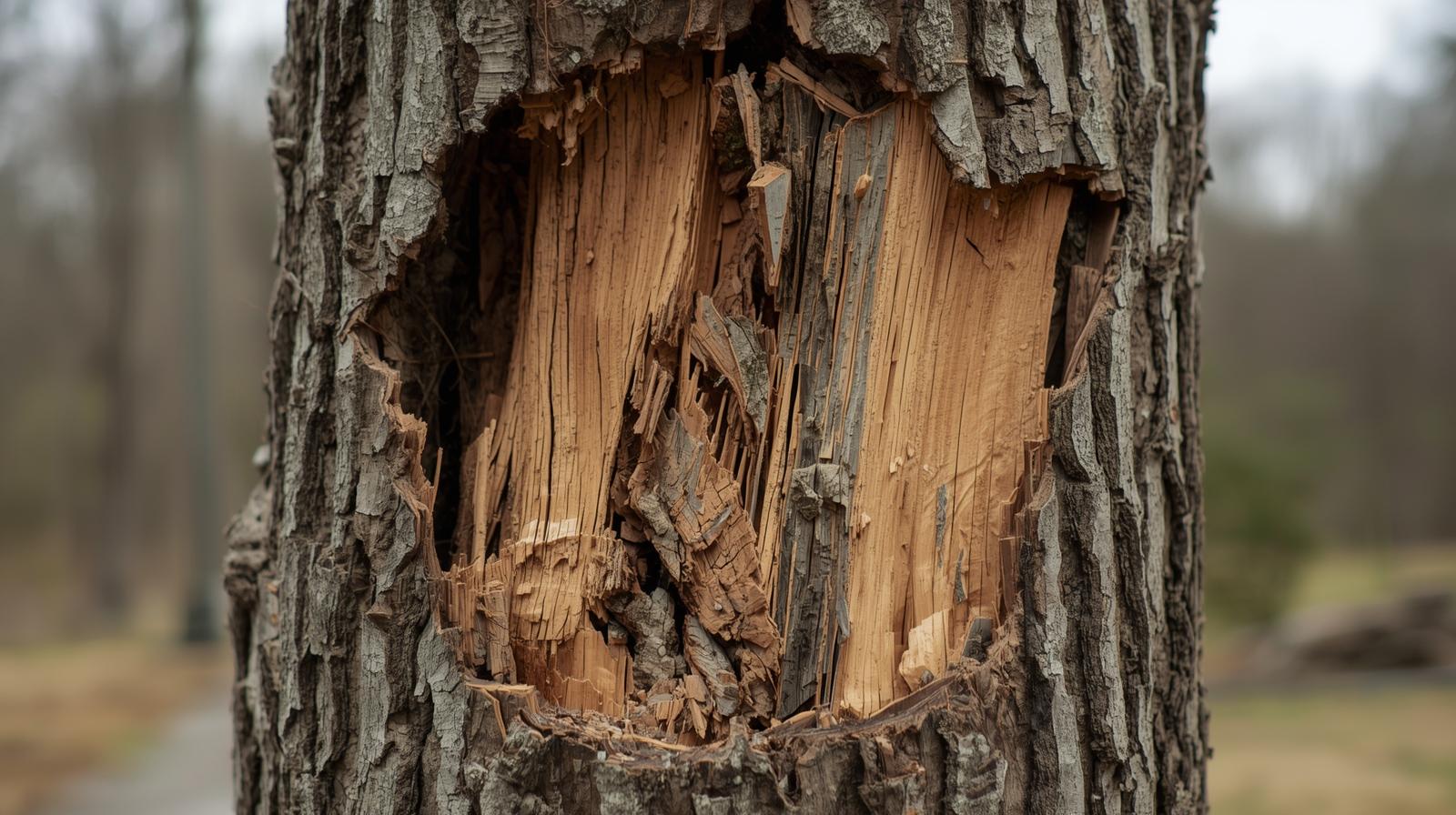
    Splits and cracks in the tree trunk are one of the most obvious winter tree warning signs for New York homeowners. Structural weakness like this makes the tree less stable and more exposed to ice and wind. Even a small crack can widen and cause severe tree damage during a winter storm under the snow’s weight.

    You should check with a professional arborist if you see cracks. An arborist can assess the tree to see if it needs winter pruning, bracing, or removal.

    2. Dead  or  Dying Branches

    Dying or dead branches warning signs indicator is another key one for NY trees. These branches are more than likely to snap off and cause damage or injury during a storm. Trees that have multiple dead limbs are often in a stressed or diseased state and are thus more exposed to winter perils.

    You can perform a dead branch inspection on a tree in the late fall to avoid dead branches and tree emergencies in winter storms. This is a small cost to prevent damage and minimize risk.

    3. Leaning Trees

    A tree that is noticeably leaning could be a serious problem. While certain trees naturally grow at an angle, sudden, pronounced, or extreme tilting gestures can indicate root failure or instability. Trees with extreme or pronounced tilting and overhanging branches can fall easily under or over sideways snow or ice.

    As casual tree damage warning signs come and go, homeowners can keep track of overextending or overhanging branches or trees as a warning sign, and should call a tree professional. At least the removal of overhanging branches or a tree in the winter months should be made a priority, as it saves thousands of dollars in potential winter storm tree damage.

    4. Tree Fungus or Mushroom Growth

    Fungi or mushrooms at the base of a tree can be a sign of serious internal decay. Weakened structures are more susceptible to winter storm tree damage. Fungus can mean root rot, and hollowed trunks will become difficult for a tree to stand in the frigid New York winter.

    Fungus signs, in simplicity, mean poor or even compromised structures, and a lack of spotting these before winter will mean storms are simply made certain, poor tree removal will be needed. More often than not, an assessment or even removal is warranted professionally for storm-ready trees.

    5. Loose or Hanging Branches

    Loose or hanging branches are a clear tree warning signs NY winter storms, indicating that a tree should be inspected. During snowstorms, trees can accumulate snow and ice, which can lead to the branches snapping and causing injury or winter storm tree damage to the area below.

    Loose or hanging branches should be removed or secured to prevent the branch from causing an accident and damaging the tree. Even healthy trees can pose a hazard if branches are improperly supported, so checking for storm-ready trees is important.

    6. Sparse or Unhealthy Foliage

    Trees, especially during the fall, can have sparse foliage, which can be a sign of stress or a sign of disease. While the leaves do fall during the winter, trees that look sickly or unhealthy before the winter are warning signs. These unhealthy trees should be prioritized, as their poor health makes them more vulnerable during winter storms.

    Treating tree diseases, pruning any overgrown branches, and removing unhealthy limbs can reduce tree stress and improve their chances of surviving winter storm tree damage, heavy ice, or snow, keeping them storm-ready.

    7. Previous Storm Damage

    Finally, consider any history of damage. Trees that have been affected by storms in previous years may have internal weaknesses that are not immediately visible. This history is a strong NY tree warning sign that preventive measures are needed.

    The weight of new snow or ice can aggravate wounds from previous storms, even if they are minor. There is a level of preparation needed for the winter to minimize the risk of winter storm tree damage, and this can be achieved through routine assessments and professional care.

    Protecting Your Rochester, NY

    Winter presents unique challenges, and trees must be prepared as storm-ready trees for the conditions.

    After understanding the things to look out for, the next step for homeowners is to take active measures. Addressing routine assessments, pruning weak or dead branches, managing any diseases, and collaborating with licensed professionals all contribute to a safe entity standing in the wake of a tempest. Personal and professional net worth are both affected by trees in your care. Without these detailed measures, losses will be more valuable.

    Preparing for winter presents unique challenges. The risk of losses will outweigh the cost of addressing tree weaknesses in the wake of unpredictable storms in New York. More expensive insurance claims, cost of repairs, and the risk of injury can all stem from ignoring tree warning signs NY winter storms.

    FAQs

    How often should I check my trees in New York prior to winter?


    The best practice is to check the trees at least once before the first snow in late autumn. Furthermore, trees should be observed after severe storms.

    Not every case. Some trees can be deemed a nuisance and thus require removal, while others can be saved by professional care through stabilization or pruning.


    Not always. Small branches may not be as scary as large ones, but they can still cause damage or injuries if they fall in the right spot. Therefore, it is always good to check for loose or hanging branches.

    Search for certified arborists from professional associations like the International Society of Arboriculture (ISA), or inquire at local tree care companies in New York.

    Yes,  fungal infections can be treated, but when decay is extensive, then removal is the only option. A professional evaluation is the best way to go.

    The best practice is to check the trees at least once before the first snow in late autumn. Furthermore, trees should be observed after severe storms.

    Not every case. Some trees can be deemed a nuisance and thus require removal, while others can be saved by professional care through stabilization or pruning.


    Not always. Small branches may not be as scary as large ones, but they can still cause damage or injuries if they fall in the right spot. Therefore, it is always good to check for loose or hanging branches.

    Search for certified arborists from professional associations like the International Society of Arboriculture (ISA), or inquire at local tree care companies in New York.

    Yes,  fungal infections can be treated, but when decay is extensive, then removal is the only option. A professional evaluation is the best way to go.

    If you notice any of these tree warning signs NY winter storms, don’t wait until it’s too late. Call KD Tree Services today for a professional inspection and expert solutions to keep your trees healthy and storm-ready trees this winter. Our team will help protect your trees to ensure their strength. This will give you peace of mind knowing that you will prevent costly damage.

  • Common Pine Tree Problems

    Common Pine Tree Problems

    Pine trees are a beautiful and enduring part of landscapes in Albany, NY. Their evergreen foliage provides color throughout the year, and their presence can enhance property value while offering shade and shelter for wildlife. For trusted and professional pine tree care in Albany, NY, KD Tree Services offers expert solutions for disease management and pest control.

    In favorable conditions, they can grow from anywhere between a few feet and a few hundred feet tall. They have a long lifespan that ranges from one hundred years to thousands of years old.

    The most common of all pines are White Pine, Red Pine, or a Spruce. Pine trees have significant economic value because of their timber as well as their wood pulp. They also have a symbolic significance in the Christmas holiday.

    Understanding Pine Tree Health

    However, despite being able to live for many years, these beautiful trees do develop diseases that range from a simple color distortion of the leaves to more severe ones that can be deadly.

    Before looking at specific problems, it’s important to know what makes a pine tree healthy. A strong pine tree has bright green needles, a solid trunk, and sturdy branches. If you notice changes in needle color, early needle drop, or visible damage, it could be a sign that the tree is stressed. Many homeowners ask, Why are my pine tree needles turning brown, This often points to environmental stress, pests, or pine tree diseases.

    If you’re lucky, the solution to your problem might simply be to give your tree more water. During the summer or other dry spells, your tree might have trouble staying hydrated, which causes the needles to turn brown. Watering the roots should turn those needles green again.

    Common Pine Tree Diseases

    Pine trees in Albany, NY can be affected by several pine tree diseases, each with distinct symptoms and impacts on tree health. Being familiar with these diseases is an important part of tree care. Some of the most common diseases include Fusiform Rust, Pine-Oak Gall Rust, Pine Needle Rust, White Pine Blister Rust, Pitch Canker, Tip Blight, Littleleaf Disease, and Needle Cast.

    Fusiform Rust

    Fusiform rust, caused by the fungus Cronartium quercuum f.sp. fusiforme is one of the most economically important diseases affecting pines in Albany. This disease can affect pines whether they’re grown in a production forestry stand, natural woodland, or urban setting. Symptoms consist of purplish spots at the site of stem infection. Stems begin to swell four to six months after infection, resulting in spindle-shaped galls. Galls slowly enlarge each year, and dieback of small stems or cankers on larger stems often occurs. Stem breakage can occur, which may lead to tree death.

    Tip Blight

    Tip Blight affects new shoots and buds, causing them to die back and leaving brown, stunted tips. In Albany, NY, this disease slows growth and makes pines more vulnerable to other stressors. Removing affected shoots, improving airflow through proper pruning, and keeping the tree healthy through watering and fertilization are essential steps in maintaining effective tree care.

    Pine-Oak Gall Rust

    Produces large abnormal growths on branches and stems where the fungus alternates between pine and oak hosts. These galls can stress the tree and reduce overall growth.

    Red and black oaks are the most important alternate hosts. Infection on oak leaves causes small necrotic or chlorotic areas. On the underside of the leaves, yellow to orange spores may be visible. All spores, which infect both pine and oak, are primarily windborne. High humidity during spore dissemination increases the incidence of infection.

    Littleleaf Disease

    Littleleaf Disease is often caused by root damage or nutrient deficiencies. Pines in Albany, NY affected by this disease show reduced needle size, thinning foliage, and slow growth. Over time, it can weaken the tree, making it more prone to pests and diseases. Addressing soil quality, proper fertilization, and regular monitoring are key elements of good tree care for trees showing these symptoms.

    Pine Needle Rust

    Symptoms consist of yellow spots on the needles, which appear during the spring. They are followed by whitish blisters and orange spores. Infection may be severe enough to cause defoliation. This fungus requires an alternate host to complete its life cycle. The fungus infects aster or goldenrod during summer and can overwinter in these plants before it is carried to the pine in the spring.

    History, Techniques, & Care

    White Pine Blister Rust

    The fungus attacks the living bark of white pine, first breaking out in blisters, which exude a secretion, and later forming larger, bright orange-colored dots. These orange dots are filled with fungal spores that are carried to the alternate host, where they develop during the summer. Spores from the currants re-infect healthy pines. The disease spreads rapidly up and down the tree, killing the branches and the main trunk.

    These are only a few of the common pine tree diseases that can appear in Albany, NY. Pine trees can be affected by many other pests and pine tree diseases, which is why regular tree care and careful monitoring are so important to keep them healthy and flourishing.

    Noticing these problems early and practicing proper tree care, along with getting professional help when needed, can make a big difference in maintaining strong, healthy pine trees in Albany, NY.

    To learn more detailed information on white pine decline and management strategies, refer to the New York State Department of Environmental Conservation’s White Pine Decline page, https://dec.ny.gov/nature/forests-trees/forest-health/white-pine-decline?utm.

    Need Professional Help?

    While basic tree care can often be managed by homeowners, there are situations where professional help is essential. Large infestations of pests, severe disease, or structural issues like leaning trunks or broken branches require expert intervention. Arborists provide precise diagnosis, treatment for pine tree diseases, and professional pine tree pest control Albany NY services.

    Having a tree on your property is not only an attractive addition, but it can also be beneficial in many ways. To ensure that they remain healthy and safe, however, you should seek the expertise of a professional arborist from KDTree services. With our extensive knowledge and experience in tree maintenance, we will guarantee that your trees stay vibrant for years to come!

    FAQs

    Why are my pine needles turning brown?


    Pine needles can turn brown because of drought, pests, or diseases. Look for signs of environmental stress, or check for pests. 

    Strong tree care involves regular pruning, appropriate watering, and mulching. You can stop most diseases just by being timely. 

    Contact pine tree pest control Albany NY specialists right away if you see browning needles, sticky stuff, or bark with holes in it. 

    Yes, you can prune small branches. However, it’s best to leave large or mature trees to the professionals to avoid causing harm

    Drought, salt exposure, soil quality, and heat are all bad for tree care and can cause browning needles or weak trees.

    For expert assistance in keeping your pine trees healthy and strong, reach out to KD Tree Services for professional tree care and pine tree pest control Albany NY, (518) 625-8733.

    Pine needles can turn brown because of drought, pests, or diseases. Look for signs of environmental stress, or check for pests. 

    Strong tree care involves regular pruning, appropriate watering, and mulching. You can stop most diseases just by being timely. 

    Contact pine tree pest control Albany NY specialists right away if you see browning needles, sticky stuff, or bark with holes in it. 

    Yes, you can prune small branches. However, it’s best to leave large or mature trees to the professionals to avoid causing harm

    Drought, salt exposure, soil quality, and heat are all bad for tree care and can cause browning needles or weak trees.

    For expert assistance in keeping your pine trees healthy and strong, reach out to KD Tree Services for professional tree care and pine tree pest control Albany NY, (518) 625-8733.

  • A Simple Guide to Oak Tree Care in Albany NY

    A Simple Guide to Oak Tree Care in Albany NY

    Oak trees truly capture the essence of the Albany area. They create shade, give beauty to their environment, and are wildlife habitats. One must be attentive to the maintenance of oak trees and practice correct care to ensure that they stay healthy. Here, you will understand the maintenance of oak trees, plus tips regarding oak trees’ maintenance from the home and property managers’ perspective in Albany, New York. Learning the basic tree maintenance will certainly allow your oak trees to flourish through the years.

    Consider Customer Service and Communication Albany, NY

    Understanding Oak Tree Health

    The first step in oak tree care is knowing what keeps an oak tree strong and thriving. A healthy oak tree will have solid roots, bright leaves, and a firm trunk. Signs that an oak tree’s health is struggling include drooping leaves, unusual colors, dead branches, or insects on the tree. In Albany, NY, seasonal changes can put extra stress on trees, so it’s important to keep an eye on them often.

    Good tree maintenance begins with simply paying attention to your tree throughout the year. In spring and summer, the new leaves should look fresh and full. Come fall, leaves will naturally turn color and fall, but watch for leaves dropping too early, which can signal stress or illness. Taking care at every stage of the year helps your oak tree stay healthy and resilient.

    Watering and Soil Care

    Proper watering is critical for oak tree health. Oak trees generally prefer deep, infrequent watering rather than shallow, frequent watering. This encourages strong root growth. In Albany, New York, rainfall varies by season, so supplemental watering may be necessary during dry periods.

    Pruning and Branch Care

    Many homeowners unknowingly harm their greenery by using outdated methods or improper timing. For example, pruning during active growth phases can leave trees vulnerable to disease.

    As always, remove broken, dead, weak, or heavily shaded branches anytime. You can do light pruning at any time. Remove unwanted growth to improve the structure of trees when the plant is young, to prevent large pruning wounds. It is critical to train young trees for future form as early as possible. Pruning early means better health for the plant and the pocketbook! If you are unsure about how to prune trees, contact a certified arborist for guidance. Pruning not only supports oak tree health but also helps prevent potential hazards.

    If conditions are dry, even mature trees will need watering. Many tree species need a thorough, deep watering one or two times a month without normal rains. Water slowly, soaking the ground towards the edge of the tree canopy rather than at the tree base. This provides water to far-reaching roots without drowning the trunk and inviting fungal growth.

    Pest and Disease Management

    Oak trees can be affected by pests such as oak borers and diseases like oak wilt. Regular inspection is a critical part of oak tree care. Look for signs of pests, such as small holes in the bark or unusual leaf damage. If you spot a problem, the best step is to reach out to a local arborist in Albany, New York, for treatment options.

    Focusing on oak tree health helps lower the risk of pests and disease. Trees that stay healthy are much better at resisting infections and bounce back more quickly from stress or damage. Preventive care, such as correct watering, regular pruning, and good soil maintenance, is the most effective way to keep your oak trees thriving.

    History, Techniques, & Care

    Seasonal Care for Oak Trees

    Seasons affect oak tree health in different ways. In spring, the priority is to support fresh growth and remove any branches that were harmed over the winter. In summer, watching water levels is important to keep the tree from drying out, and extra care may be needed to protect it from heat stress. When fall comes, it’s the right time to remove fallen leaves and get the tree ready for the cold months ahead. In winter, good care usually means protecting the trunk and roots from frost to lower the risk of damage.

    Pruning oak trees at the proper time is still essential for preserving their health and long-term strength. Pruning involves removing dead or diseased branches, as well as any crossing or rubbing branches. Better air circulation and sunshine penetration are made possible by this procedure, which is essential to the tree’s general health.

    Benefits of Professional Care

    Storms, erosion, and simple old age can all cause a tree to lean dangerously. While you can straighten small trees with stakes, larger trees need more intensive methods. Some professional tree care companies can haul a mature tree straight with pulleys and cables, then anchor it to a nearby healthy tree. Once secured upright, cabling and bracing can shore up damaged parts of the tree so it’s stronger and less likely to fall.

    Professional care can greatly improve oak tree health, prevent costly damage, and extend the life of your trees. Even if you take care of routine maintenance yourself, a periodic inspection by an arborist is highly recommended.

    Conclusion

    Caring for oak trees in Albany, NY, may seem daunting at first, but with proper knowledge, it is manageable and rewarding.

    Mature trees are a beautiful part of any property. KD Tree Services will help you keep them healthy and long-living.

    Trees can help add shade, color, and definition to your landscape design. Of course, all trees are different, so you may be overwhelmed by which are best to plant in your landscape.

    To learn more about how oak wilt affects trees in New York and how to prevent it, see the NYS Department of Environmental Conservation’s Oak Wilt page, https://dec.ny.gov/nature/forests-trees/forest-health/oak-wilt?utm.

    History, Techniques, & Care

    FAQs

    How often should I water my oak tree?


    Oak trees benefit from deep watering about once a week during dry periods. Adjust based on rainfall and soil moisture.

    Just be sure that enough water is applied at a time so that the soil is moist a few inches below the ground, and that the soil has time to dry before you water again.

    Late winter or early spring, before new growth begins, is ideal for pruning oaks.

    Oak borers and various types of caterpillars can affect oak trees. Regular inspection helps prevent damage.

    After trees are in the ground for 3 years, weekly watering is generally no longer needed.

    However, as said earlier, if conditions are dry, even mature trees will need watering. Many tree species need a thorough, deep watering one or two times a month without normal rains. Water slowly, soaking the ground towards the edge of the tree canopy rather than at the tree base. This provides water to far-reaching roots without drowning the trunk and inviting fungal growth.

    Professionals provide expert pruning, disease management, and safety for large or mature trees, improving overall oak tree health.

    For reliable help with pruning, disease prevention, and complete oak tree care, call KD Tree Service in Albany, NY, and have the experts keep your trees strong and healthy (518) 625-8733.

    Oak trees benefit from deep watering about once a week during dry periods. Adjust based on rainfall and soil moisture.

    Just be sure that enough water is applied at a time so that the soil is moist a few inches below the ground, and that the soil has time to dry before you water again.

    Late winter or early spring, before new growth begins, is ideal for pruning oaks.

    Oak borers and various types of caterpillars can affect oak trees. Regular inspection helps prevent damage.

    After trees are in the ground for 3 years, weekly watering is generally no longer needed.

    However, as said earlier, if conditions are dry, even mature trees will need watering. Many tree species need a thorough, deep watering one or two times a month without normal rains. Water slowly, soaking the ground towards the edge of the tree canopy rather than at the tree base. This provides water to far-reaching roots without drowning the trunk and inviting fungal growth.

    Professionals provide expert pruning, disease management, and safety for large or mature trees, improving overall oak tree health.

    For reliable help with pruning, disease prevention, and complete oak tree care, call KD Tree Service in Albany, NY, and have the experts keep your trees strong and healthy (518) 625-8733.

  • Understanding Hedges: A Brief History, Techniques, & Care

    Understanding Hedges: A Brief History, Techniques, & Care

    Hedges are a wonderful way of imparting structure and greenery into a garden. They can be used as the natural border for one’s privacy, or perhaps carved into a pretty topiary: thus, they stand as versatile options, both functionally and aesthetically. The icing on the cake is that planting the hedge is surprisingly easy if you know how.

    hether it is pot-grown, bare root, root-balled, or even instant hedging species, whatever one’s choice, some basic principles are always to be observed: good ground preparation, sufficient root space, no air pockets, and lots of water. This guide will take you by the hand from selecting the perfect species to setting up your soil for healthy growth.

    Consider Customer Service and Communication Albany, NY

    A Brief History of Hedges

    The use of hedges goes back thousands of years. Archaeological findings show that early farmers planted them to mark their land and protect livestock. In medieval Europe, hedges became an important part of the countryside, often forming the boundaries of fields that can still be seen today. These hedgerows were made from native plants like hawthorn, blackthorn, and beech, creating thick and thorny barriers.

    By the 18th and 19th centuries, hedges had become popular in formal gardens and large estates. They were no longer just practical; gardeners shaped them into neat designs and clipped them carefully to maintain symmetry. This tradition is what makes hedge trimming today more than just maintenance; it is a skilled art that adds style and charm to any landscape.

    Hedge Planting and Its Importance

    Hedge planting is the beginning step to establishing a healthy hedge. Some plants grow dense and quickly, and some grow more slowly but are more aesthetically pleasing. For example, in urban gardens, quick and compact boxwood and privet are commonly used, and for privacy screens, yew and laurel are also used and appreciated. 

    When it comes to planting a hedge, the spacing between plants is extremely important. If they are planted too close, they will compete for nutrients, and if they are too far apart, then gaps will form. The soil also needs to be prepared. Young hedges will establish quickly if the soil is drained well and has been enriched with compost. Particularly in dry climates, watering is crucial during the first several years. 

    Techniques of Hedge Trimming

    Caring for established hedges mainly involves trimming, and this is the most important technique. Trimming hedges encourages and improves dense growth, thus making a hedge more robust and effective as a barrier.

    The technique depends on the type of hedge. Formal hedges require straight lines and clean edges. This generally involves trimming several times a year to keep the hedge looking its best. Informal hedges, on the other hand, need trimming less often, letting them grow more naturally while still appearing tidy.

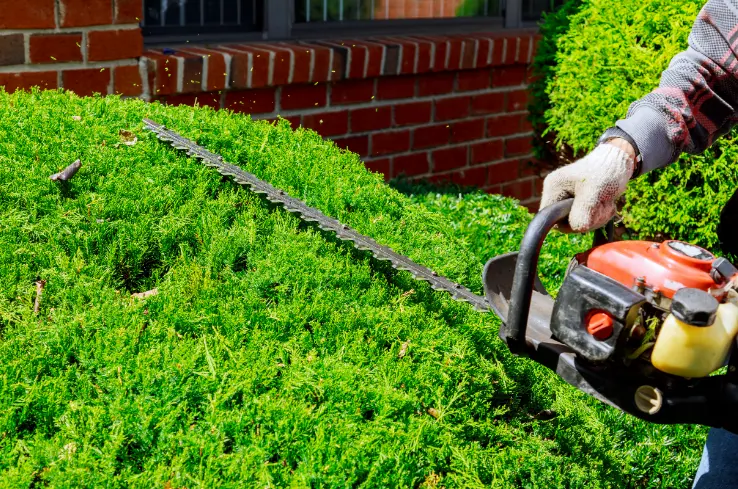
    Timing is important. Most hedges do best when trimmed in late spring or summer, though some varieties need extra attention. For instance, flowering hedges should be pruned after they bloom to avoid cutting off next year’s flowers. The tools you use make a real difference. Sharp shears or powered trimmers give cleaner cuts and put less strain on the hedges.

    For homeowners who find hedge trimming tricky or time-consuming, professional help is often the best choice. Experienced hedge trimming services Albany NY can help keep hedges healthy, tidy, and well-maintained throughout the year.

    Seasonal Care for Hedges

    Caring for hedges is more than just trimming. Each season brings tasks that help them stay healthy for years to come. In spring, it’s important to look out for pests and diseases, since young shoots are particularly delicate. Adding fertilizer at this time encourages strong, steady growth. During summer, regular watering helps keep hedges lush and vibrant. In summer, regular watering keeps hedges healthy, full, and vibrant. Autumn is the perfect time to apply mulch, which helps protect the roots as winter approaches.

    Taking care of plants in winter in colder areas, like upstate New York, is equally essential. Gently brushing off branches can prevent breakage. Snow and ice can build up and weigh down branches. Winds can dry out the foliage of evergreens like yews and arborvitaes, so they may need tougher protective care as well. 

    History, Techniques, & Care

    The Function of Hedges in Ecosystems

    Beyond their beauty and usefulness in gardens, hedges play an important ecological role. They offer shelter for plants and small wildlife, creating mini-ecosystems in both urban and rural areas.

    Hedges also work as natural windbreaks, helping to prevent soil erosion and support proper water management. In cities, they can absorb pollution and lower noise levels, making them a valuable feature for enhancing the overall quality of life.

    Choosing Between DIY and Professional Care

    Homeowners often take pleasure in trimming their own hedges, but it is not an easy task. Some hedges take ladders and special tools to trim because they are very tall. Some are planted in difficult places, which complicate the trimming. In this situation, it is reasonable to seek help from a professional. Local services for hedge trimming in Albany, NY, have the knowledge and tools to take on the hardest jobs in a safe and effective way. They also know how to trim hedges to avoid damaging the plant, especially older and ornamental hedges, which is very important.

    Learn why many New York homeowners call a certified arborist before touching their trees, https://kdtreeservices.com/why-ny-homeowners-call-a-certified-arborist-before-touching-their-trees/.

    Hedges Problems

    Like any other plant, hedges have their own problems. Aphids, spider mites, and caterpillars are pests that attack leaves and weaken growth. Certain species may also be afflicted by powdery mildew and root rot. Bad trimming may create bare spots and uneven growth, while over time, the soil around the hedge may become compacted, and not allow the roots to grow. 

    The problems a hedge suffers from are, for the most part, completely avoidable and can easily be corrected. A hedge is usually in good condition when it receives regular inspections, timely trimming, and proper feeding and watering.

    For more guidance on proper pruning and tree care, you can refer to this USDA resource, https://www.fs.usda.gov/nrs/pubs/na/NA-FR-01-95-Rev-2012.pdf.

    History, Techniques, & Care

    Modern Uses of Hedges

    In today’s landscaping, hedges are more flexible than ever. They serve not only as boundaries but also as attractive design features. Low hedges can outline walkways and border flower beds. Taller hedges can serve as screens to make outdoor areas more secluded. Other hedge placement can be more inventive, as in hedges built into mazes and other ornamental shapes. Along with eco-friendly gardening practices, hedges remain a sustainable and attractive element in personal and community gardens.

    For expert help with hedge care and maintenance, it’s a good idea to consult certified arborists. Their knowledge helps keep your hedges healthy and thriving. You can read more about why hiring a certified arborist in New York matters by visiting this helpful resource, https://kdtreeservices.com/hire-certified-arborist-new-york/.

    FAQs

    What is the best season for hedge trimming?


    Most hedges are to be trimmed late in the spring or summer. Flowering hedges, however, should be trimmed immediately after their flowers fade so that they do not lose a future generation of flowers.

    Formal hedges might need trimming several times a year, while informal hedges might instead need only one or two trims a year.

    Most hedges grow best on well-drained soils enriched with compost. Heavy clay soils or very sandy soils might need some improvement before planting.

    Yes, quite worth it for an exorbitantly tall or large hedge, or if it presents problems in keeping it so. Professional services save your time and present the safest and healthiest care for your hedges.

    Yes. Hedges provide food, shelter, and nesting habitats for birds, insects, and small mammals, which makes them an important aspect of the ecosystem.

    Final Thoughts

    Hedges have long been a familiar part of gardens and landscapes. Once used mainly to mark rural boundaries, they are now just as common in modern yards where they add both decoration and privacy. They bring structure, greenery, and character to outdoor spaces. Proper hedge planting, steady care, and regular hedge trimming are all essential to keep them healthy and looking good. For homeowners who want expert help, local hedge trimming services Albany NY can handle the work with skill and precision. When looked after properly, a hedge can last for decades, offering shade, privacy, and lasting natural beauty.

    For expert help with hedge care and maintenance, call KD Tree Service Albany NY for reliable assistance, (518) 625-8733.

    Most hedges are to be trimmed late in the spring or summer. Flowering hedges, however, should be trimmed immediately after their flowers fade so that they do not lose a future generation of flowers.

    Formal hedges might need trimming several times a year, while informal hedges might instead need only one or two trims a year.

    Most hedges grow best on well-drained soils enriched with compost. Heavy clay soils or very sandy soils might need some improvement before planting.

    Yes, quite worth it for an exorbitantly tall or large hedge, or if it presents problems in keeping it so. Professional services save your time and present the safest and healthiest care for your hedges.

    Yes. Hedges provide food, shelter, and nesting habitats for birds, insects, and small mammals, which makes them an important aspect of the ecosystem.

    Final Thoughts

    Hedges have long been a familiar part of gardens and landscapes. Once used mainly to mark rural boundaries, they are now just as common in modern yards where they add both decoration and privacy. They bring structure, greenery, and character to outdoor spaces. Proper hedge planting, steady care, and regular hedge trimming are all essential to keep them healthy and looking good. For homeowners who want expert help, local hedge trimming services Albany NY can handle the work with skill and precision. When looked after properly, a hedge can last for decades, offering shade, privacy, and lasting natural beauty.

    For expert help with hedge care and maintenance, call KD Tree Service Albany NY for reliable assistance, (518) 625-8733.

  • Stump Grinding OKC Made Easy with This Complete Homeowner’s Guide

    Stump Grinding OKC Made Easy with This Complete Homeowner’s Guide

    Removed a tree and left the stump hanging around a bit too long? Well, it has to go sooner or later! That leftover stubborn tree stump that looks harmless at first glance actually presents serious problems for your yard!

    It won’t only get in the way of landscaping, but think of all those termites, ants, and all sorts of critters making their home in the stump. You’re one stump away from a full-blown insect infestation. Plus, add the tripping hazard on top, and you will have an even bigger problem.

    At KD Tree Services, we’ve helped countless Oklahoma residents tackle those tough stumps with ease. Here’s your handy guide to stump removal and grinding!

    In this guide, we will cover everything a homeowner in Oklahoma City needs to know about stump removal OKC, including options for those near Moore, Oklahoma, and simple tips on how to remove a tree stump OKC.

    Complete guide to stump removal and grinding for Oklahoma City homeowners.

    Why Stump Grinding is Important

    Having a tree stump left in your yard can lead to several problems. For one, it can be a tripping hazard, especially if grass or weeds grow over it. Stumps can draw insects like termites or ants, which might spread to nearby plants or even your home. Older stumps can also produce new shoots, making your yard look untidy. This is where professional stump grinding OKC services come in. They take out the stump completely and turn it into mulch, keeping your yard safe and tidy.

    For more information on maintaining healthy trees and preventing pest issues, visit the USDA Urban Forestry page, https://www.fs.usda.gov/managing-land/urban-forests.

    Stump Grinding vs. Stump Removal

    A lot of homeowners think stump removal OKC and stump grinding are the same. Although both are for getting rid of stumps, they are quite different. Stump grinding simply entails using a specialized machine to grind the stump to the point where it is a pile of small pieces, which can be used as mulch or removed altogether. It is faster, less invasive, and cheaper than stump removal. Full stump removal means digging up the stump and roots, which can be very hard work and disrupt your yard. The decision depends on your yard’s size, the stump’s location, and what you plan for future landscaping.

    How Stump Grinding Works

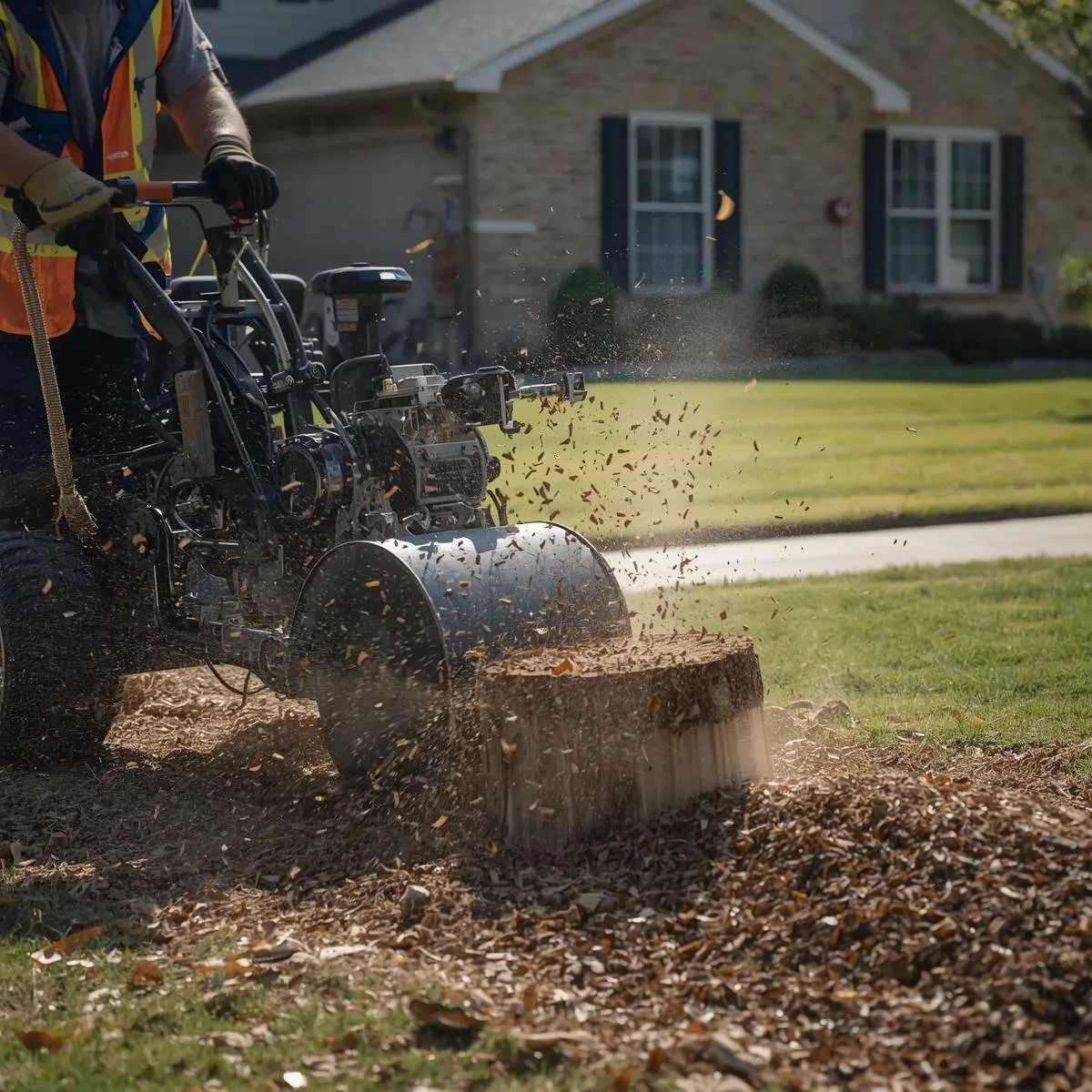
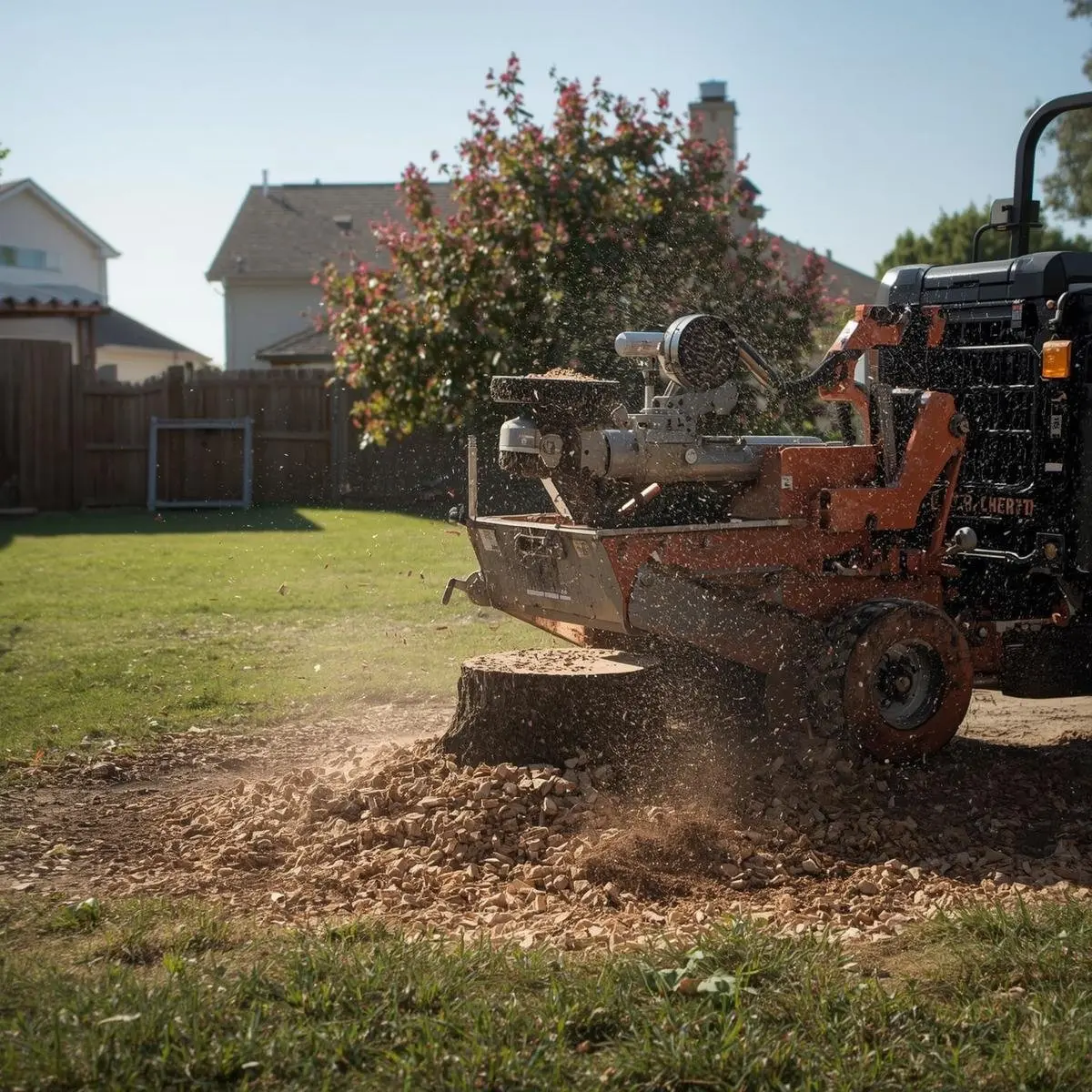
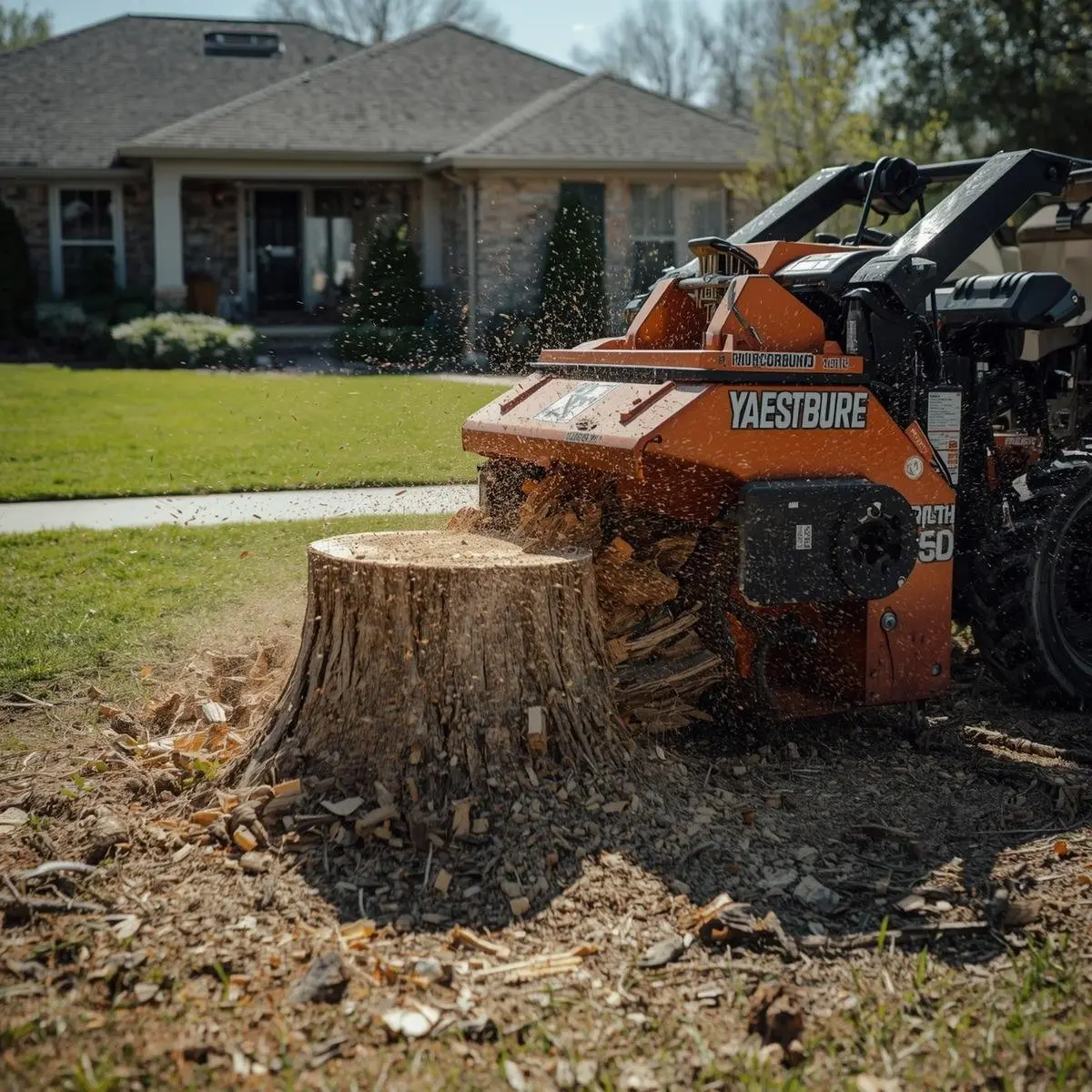
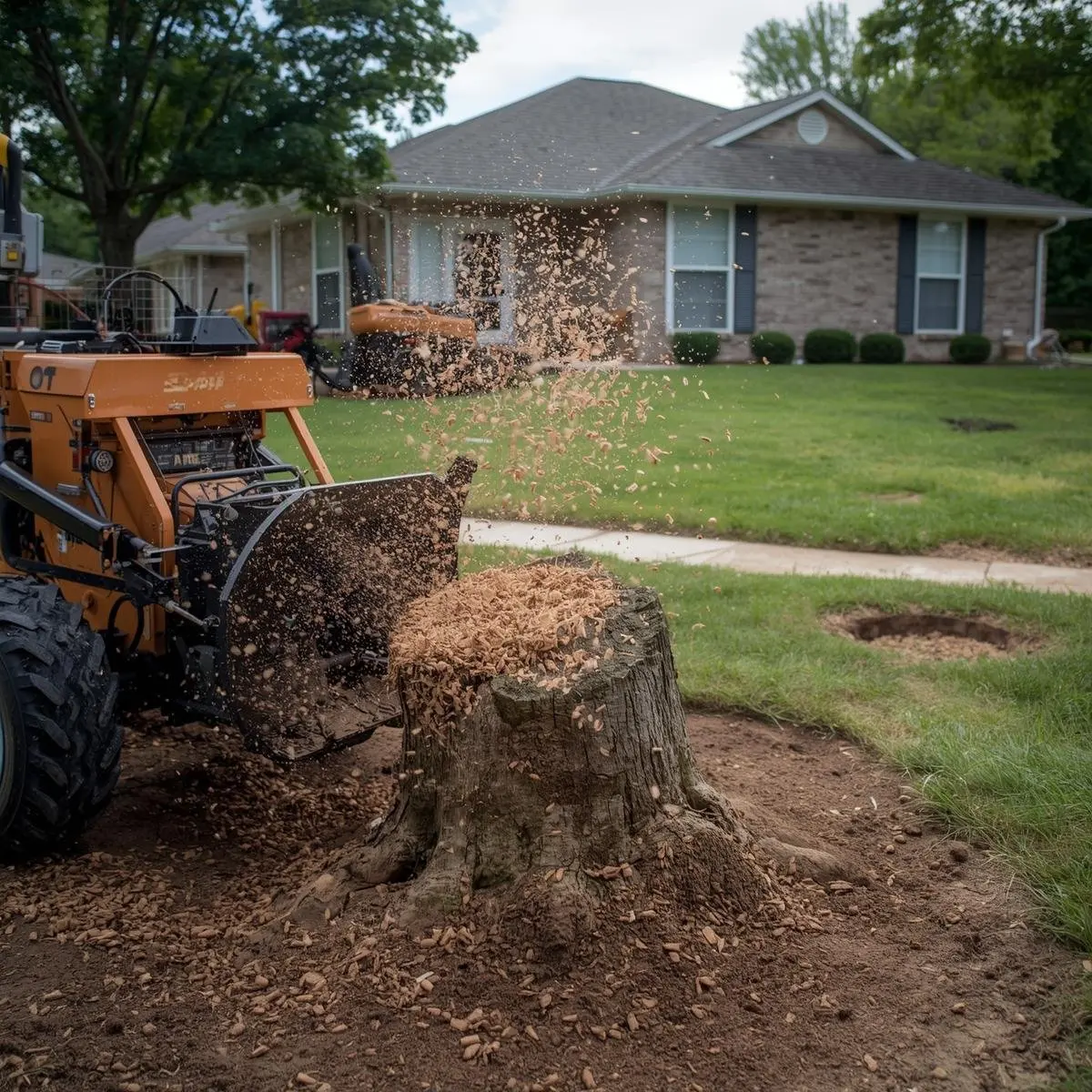
    Stump grinding OKC professionals use very powerful stump grinding machines with a rotating cutting wheel/core that eats the wood. Stump grinders can range in size, and as such, they can be used on small trees or very large, old stumps. Typical stump grinding starts with clearing the area around the stump, then positioning the grinder, and grinding the stump down in layers until it is below ground level. Any leftover wood chips can be used as mulch around the yard or removed. This method is fast, efficient, and causes minimal disruption to the surrounding landscape.

    Stump grinding in OKC made easy with expert homeowner’s guide.

    DIY Stump Grinding and Removal

    Individuals who want to tackle stump removal on their own may find it worthwhile to learn how to do stump removal OKC. Nonetheless, DIY stump grinding is taxing and requires certain stump grinding tools. Stump grinders are available at equipment rentals, but be sure to practice stump grinding safety. As the grinding machine operates, protective gear such as goggles, gloves, and heavy-duty boots is a must, as grinding machines may eject wood chips at high velocity. An ax, a saw, or even a pick and shovel may suffice to remove smaller stumps, and this is the ultimate way to complete the stump removal process, but it is time-consuming to employ this method for larger stumps.

    Stump removal Moore Oklahoma

    Residents near Moore, Oklahoma, who are seeking professional help will find numerous well-established businesses that focus on stump removal Moore Oklahoma. These services cover all stump sizes, and, if requested, will complete additional yard maintenance. By disengaging the job from your own professional understaking, you guarantee that the process is safe and that it will be seamlessly executed so that your land remains unspoiled. For your planning purposes, the ease with which you will be able to plan your yard improvements will be because most of these businesses provide free estimate services and will even outline to you the best route to take for your landscape.

    Benefits of Professional Stump Grinding

    Hiring a professional for stump grinding OKC offers many advantages. Plus, the process saves a lot of time and energy. When it is done manually, this can take hours or even days; an expert group may do it comfortably in a shorter span of time. Secondly, the equipment can easily handle large stumps that would really pose problems for DIY tools. Thirdly, it would lower the chances of professional injuries, as stump grinders are strong machines, while neglecting proper ways of using them can lead to grave accidents. In the end, these services clean up the yard, making it ready for more planting or landscaping.

    Cost Considerations

    The removal cost of stump OKC varies with the stump size, location, and job. Small stumps may cost less to be ground, while large stumps with very deep roots will cost more. That is very cheap when seen initially, so for equipment, rental, labor costs, and safety risks, it might actually become rather costly when you do it yourself. Discounts are often given by most service providers for several stumps or for repeat jobs. That will cut down the cost even more.

    Preventing Future Stump Issues

    After stumps are removed, it’s wise to take steps to avoid future problems. Planting grass, shrubs, or other greenery around the area helps revive your yard. Adding mulch to the soil feeds new plants, keeps moisture in, and enriches the ground with nutrients. New growth should be considered in regular yard maintenance to keep the yard looking healthy. Professionally keeping the yard neat using stump removal Moore Oklahoma or safe DIY methods should help you maintain your property for years to come.

    Environmentally Friendly Options

    The environmental effects of stump removal are a concern for many homeowners. Luckily, stump grinding OKC is considered an environmentally friendly practice. This is because the removed parts of the tree are used as mulch and not discarded in a landfill. This mulch helps gardens, conserves water, and blocks weeds. It also helps improve soil and encourages beneficial bugs when left to decompose. Choosing to work with professionals guarantees that stump removal OKC is done sustainably and responsibly.

    Homeowner using stump grinding services in OKC for safe yard care.

    Choosing the Right Service

    When you need stump removal OKC, it’s a good idea to pick a company with solid experience and a trusted reputation. Look at what previous customers have said, ask for references, and make sure the company is properly licensed and insured. A skilled team will come out to check your property, suggest the best way to handle the job, and explain everything clearly. If you live near Moore, Oklahoma, picking a local company that knows the soil and tree types in the area can really improve the quality and speed of the work.

    FAQs

    Can I grind a stump myself?


    Yes, though grinding small stumps using rented equipment is physically demanding, users should be equipped with proper safety gear

    Grinding most stumps takes from one to three hours, depending upon size and location.

    They could be used as mulch in your garden, or they may be collected for disposal.

    For the typical homeowner, grinding a stump is quicker, safer, and more cost-effective than fully removing it.

    Yes, many of the stump removal Moore Oklahoma companies service the surrounding areas and provide professional services in accordance with local requirements.

    Yes, though grinding small stumps using rented equipment is physically demanding, users should be equipped with proper safety gear

    Grinding most stumps takes from one to three hours, depending upon size and location.

    They could be used as mulch in your garden, or they may be collected for disposal.

    For the typical homeowner, grinding a stump is quicker, safer, and more cost-effective than fully removing it.

    Yes, many of the stump removal Moore Oklahoma companies service the surrounding areas and provide professional services in accordance with local requirements.

    For trusted and professional tree care, call KD Tree Services. Whether you need stump grinding OKC or stump removal Moore Oklahoma, their experienced team can complete the work safely and efficiently. Give your yard a clean, hazard-free look today by contacting KD Tree Services, (518) 625-8733.

  • Can I Ignore a Damaged Tree? Risks of Damaged Trees in OKC

    Can I Ignore a Damaged Tree? Risks of Damaged Trees in OKC

    Trees form a core component of the environment, decorate it, and provide shade. I mean, they do offer a whole bundle of advantages to any property. On the other hand, they can prove quite unpredictable when damaged, not only to the property but also for human safety. A damaged tree would, hence, result in worsened conditions, thus requiring more expensive and extensive intervention. At KD Tree Services, we specialise in the treatment of damaged trees with fine expertise to ensure both safety and long life to your outdoor spaces.

    In Oklahoma, storms and strong winds happen often, and a damaged tree can turn from a small problem into a real danger very quickly. That’s why services like tree removal Oklahoma City and tree trimming Oklahoma City are so valuable for keeping your home safe and your yard looking its best.

    Let’s take a closer look at why it’s risky to ignore a damaged tree and what you can do to handle the problem properly.

    Damaged tree in an Oklahoma City yard posing safety risks to property and residents

    Why Trees Get Damaged in Oklahoma

    Oklahoma’s weather can be unpredictable, and trees often bear the worst of it. Strong winds, tornadoes, hail, and ice storms can snap branches or even split trunks. Even periods of extreme heat and drought can make a tree weaker and more prone to damage.

    Other reasons trees get damaged include pests, diseases, poor soil, or previous pruning done incorrectly. Sometimes the damage is clear, like a broken branch hanging too close to your roof. Other times, it’s hidden, such as decay inside the tree that makes it unstable.

    When you see any signs of trouble, arranging a professional tree inspection Moore Oklahoma is the safest way to know if the tree can be saved or if it should be removed.

    The Hidden Dangers of Ignoring a Damaged Tree

    At first, a damaged tree may not look like a big issue. Maybe a branch is cracked, or some bark is peeling away. But over time, those small problems can lead to big consequences.

    A weakened tree is far more likely to fall during a storm. A falling tree or even a heavy branch can cause massive property damage, crushing cars, fences, roofs, or power lines. More importantly, it poses a real danger to anyone nearby, including your family, visitors, or even passersby.

    Ignoring a damaged tree can also make the problem worse. A diseased or pest-infested tree can spread the issue to healthy trees nearby. What started as one problem tree could lead to an unhealthy yard.

    This is why professionals are called in for tree removal Oklahoma City, not just for appearance, but also to ensure safety and prevent problems down the road.

    Tree Removal and Tree Trimming

    Not every damaged tree needs complete removal. In some situations, proper tree maintenance supports health restoration and risk reduction. Knowing when to choose tree trimming in Oklahoma City versus removal can assist in saving both your tree and your pocket.  

    Tree trimming works best when only a section of the tree is damaged. For example, during strong winds, if a tree loses a few branches, trimming the weakened limbs helps relieve stress on the tree. It is also more beneficial because it improves a tree’s airflow and sunlight exposure.  

    Conversely, when a tree has severe structural damage, is deeply diseased, or poses a risk of injury to your property, removal is the most appropriate option for your Tree Trimming Moore OKC

    Close-up of broken tree branches showing potential hazards in OKC

    Signs That a Tree Needs Professional Attention

    It isn’t always simple to know when a tree is beyond saving, but there are clear warning signs you shouldn’t ignore. Some of these include:

    • Large cracks in the trunk or main branches
    • A tree leaning noticeably to one side.
    • Hollow spots or rotting wood
    • Mushrooms or fungi growing at the base.
    • Branches that are dying from the top down

    Even if the tree doesn’t seem ready to fall, these signs indicate it may be unsafe. That’s why having a tree inspection Moore Oklahoma, can give you confidence and prevent accidents before they happen.

    For more detailed information on tree safety and care, you can visit the USDA Forest Service’s tree care guide, https://www.fs.usda.gov/learn/trees.

    The Cost of Waiting Too Long

    Homeowners tend to wait to call for help because of the removal or trimming costs. However, waiting too long only makes it more costly.  

    An unexpected tree fall may result in needing emergency removal, which comes with repair costs for damages caused to the property. In some cases, Insurance won’t cover the damages caused by neglect, leading to the property owner paying in full.  

    Waiting too long to do tree trimming Oklahoma City or tree removal Oklahoma City will put you at risk, as well as cost you more in the future.  

    Professional Tree Services Keep You Safe

    No one should take tree removal into their own hands, especially with large or damaged trees. Trimming the tree with a power saw can be very dangerous, as well as cutting a large trunk with improper tools.  

    Tree care specialists and certified arborists can determine the safest way to remove or trim a tree and assist with putting it into action. You can relax knowing the professionals will care for your trees and that your yard will be risk-free- and healthy.

    Taking Care of Your Landscape in Oklahoma

    Taking care of your trees is an important part of keeping your home and neighborhood safe. Healthy trees boost your property’s value, offer shade, and make your yard more inviting. Damaged trees, on the other hand, can be dangerous and take away from your yard’s overall appeal.

    By using services like tree inspection Moore Oklahoma, tree trimming Oklahoma City, or fallen tree removal Oklahoma City, you’re not just addressing a problem; you’re making sure your property stays safe, well-kept, and attractive for many years.

    Storm-damaged tree leaning near a home in Oklahoma City

    FAQs

    Can a tree heal on its own if it sustains damage?

    Sometimes the damage is so mild that it heals naturally, but cracks, diseases, and structural problems usually call for professional intervention. If one neglects it, one may be heading for bigger problems.

    Tree trimming is often sufficient if only parts of the tree are damaged. Removal is usually the best option if the trunk has been badly compromised or the tree has become dangerous.

    Tree removal, if not under the safe cover of the right equipment and training, is very hazardous. Professionals, therefore, must be hired so the job may be accomplished safely

    Generally, your trees should be inspected yearly, with heavy emphasis on inspection right after heavy storms. Performing a tree inspection Moore Oklahoma can allow the problems to be discovered in time before they snowball into emergency situations.

    Stay away from the tree, especially if it has downed power lines; that’s the first and foremost rule. Call up a professional as soon as possible for the removal of that tree in Oklahoma City.

    Sometimes the damage is so mild that it heals naturally, but cracks, diseases, and structural problems usually call for professional intervention. If one neglects it, one may be heading for bigger problems.

    Tree trimming is often sufficient if only parts of the tree are damaged. Removal is usually the best option if the trunk has been badly compromised or the tree has become dangerous.

    Tree removal, if not under the safe cover of the right equipment and training, is very hazardous. Professionals, therefore, must be hired so the job may be accomplished safely

    Generally, your trees should be inspected yearly, with heavy emphasis on inspection right after heavy storms. Performing a tree inspection Moore Oklahoma can allow the problems to be discovered in time before they snowball into emergency situations.

    Stay away from the tree, especially if it has downed power lines; that’s the first and foremost rule. Call up a professional as soon as possible for the removal of that tree in Oklahoma City.

    Conclusion

    Ignoring a damaged tree in Oklahoma City is never a risk worth taking. It might feel easier to just wait and see, but the chances of property damage, injuries, or disease spreading are too high. Whether you need tree removal Oklahoma City, routine tree trimming Oklahoma City, or a careful tree inspection Moore Oklahoma, dealing with the problem now will keep your home, your family, and your neighborhood safe.

    Healthy trees add beauty and value to your property while keeping it safe. If you think a tree on your land is damaged, don’t leave it to chance; reach out to a trusted professional and ensure your yard stays strong and secure.

    For any tree problems in Oklahoma City or Moore, it’s wise to turn to the professionals. KD Tree Service Moore OK can take care of everything from tree removal Oklahoma City and tree trimming Oklahoma City to a detailed tree inspection Moore Oklahoma. Their skilled team keeps your trees healthy, safe, and well cared for, giving you peace of mind while protecting your property, (405) 450-8687.